The Role of Dogs in Sami Daily Life
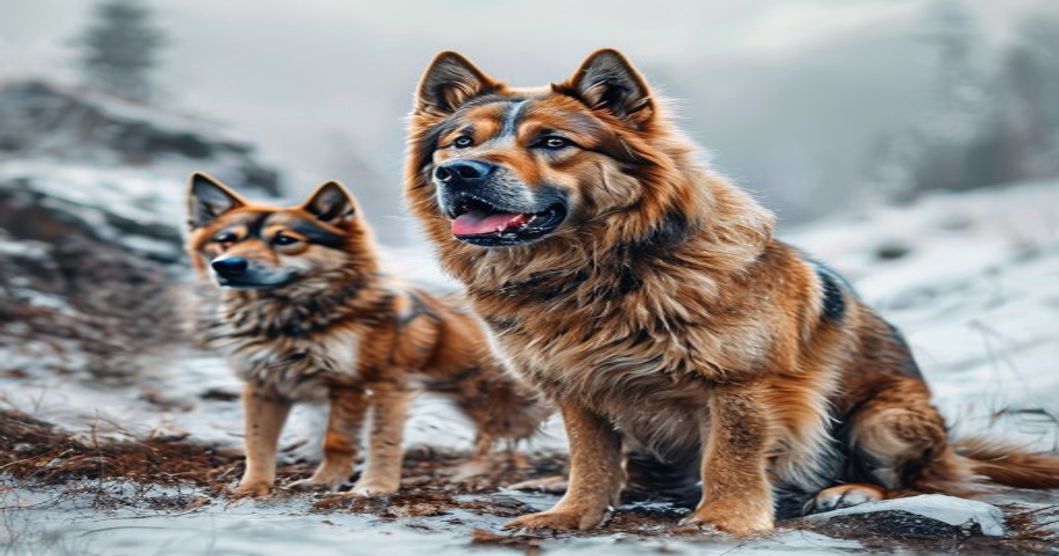
The relationship between the Sámi people and their dogs extends far beyond companionship; it represents a centuries-old symbiotic system adapted to one of the harshest environments on Earth. Indigenous communities across Sápmi historically relied on specialized spitz-type breeds, notably the ancestor of the modern Sámi Lapphund, for survival in subarctic and Arctic conditions. These dogs were not merely pets but essential working partners integrated into every facet of daily routines.
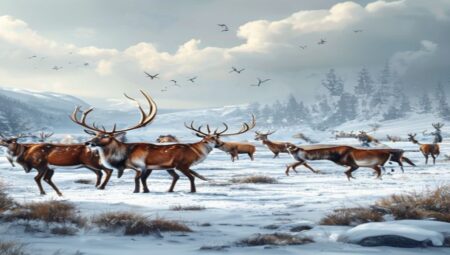
Reindeer herding formed the economic backbone of traditional Sámi society, and dogs played a critical role in managing large herds across vast tundra landscapes. Trained to navigate deep snow and dense forests, they could herd, guard, and even locate strung reindeer that had wandered into unfamiliar territory. Their acute hearing and scent tracking allowed them to detect predators such as wolves and wolverines, enabling early warning responses that protected both livestock and human settlements.
- Hunting and Tracking: Dogs assisted in locating game across frozen lakes and dense boreal forests, often working alongside hunters to flush out prey or retrieve wounded animals without compromising the food supply.
- Sled Transportation: Before mechanized travel became feasible, dog teams pulled sleds loaded with supplies, firewood, and seasonal gear. Their endurance in temperatures below −30°C made them irreplaceable for long-distance movement across fragmented terrain.
- Companionship and Survival Synergy: In isolated camps, dogs provided warmth during extreme cold snaps, deterred wildlife from campsites, and maintained psychological resilience during long winters when daylight hours dwindled significantly.
Spiritual and cultural frameworks further reinforced this bond. Traditional Sámi cosmology often associated canines with protective spirits, while oral histories recorded specific hunting techniques passed down through generations that emphasized synchronized movement between handler and dog. Modern preservation efforts now focus on maintaining working lineages rather than purely aesthetic breeding, ensuring these dogs retain the stamina, coat structure, and instinctual drive required for traditional tasks. Contemporary Sámi communities continue to integrate canine partners into both cultural education programs and sustainable land management practices, acknowledging that their historical utility remains directly applicable to today’s climate challenges and ecological monitoring initiatives.
Historical Development and Breed Specialization
The canine companions of the Sámi people emerged through centuries of co-evolution within the harsh Arctic and subarctic ecosystems of Sápmi. Early settlements relied on wolves gradually tamed for survival tasks long before formal breed standards existed. These proto-dogs developed thick double coats, compact musculature, and exceptional thermoregulation to endure temperatures below forty degrees Celsius. Historical records from medieval Scandinavian trade routes and indigenous oral traditions indicate that these canines were not merely domesticated animals but essential economic assets. Their genetic lineage shows strong adaptation to forest tundra boundaries, where dense undergrowth demanded agile movement and independent problem-solving capabilities.
Functional specialization drove rapid morphological and behavioral divergence among Sámi working dogs. Herding strains evolved acute directional instincts capable of managing hundreds of reindeer across uneven mountainous terrain without human intervention. Sled-pulling lines developed robust skeletal structures, wide padded paws for snow traction, and relentless stamina for distances exceeding one hundred kilometers. Guarding variants displayed heightened territorial awareness and vocal deterrence against predators such as wolves, wolverines, and bears. Each specialization required distinct training methodologies passed orally through generations of herders, hunters, and trappers.
Key evolutionary traits across Sámi dog populations include:
- Reduced ear size to minimize frostbite risk while maintaining acute auditory localization
- Dense underwool that sheds ice accumulation during heavy precipitation
- Metabolic efficiency allowing prolonged activity with minimal caloric intake
- Pack hierarchy recognition enabling seamless cooperation during multi-day expeditions
These adaptations remained largely unregulated until the twentieth century, when external breeding programs began standardizing lines. The introduction of motorized transport drastically reduced working demand, yet preserved strains survived through dedicated conservation networks and cultural revival initiatives. Modern genetic studies confirm that contemporary Sámi herding dogs retain distinct haplotypes linked to pre-industrial Arctic populations, validating centuries of targeted selective pressure rather than random mutation.
Reindeer Herding Tactics and Pack Management
The integration of working dogs into Sami reindeer husbandry relies on precise pack dynamics rather than isolated individual performance. A functional herding unit typically consists of three to six dogs, structured around a dominant lead dog that sets the pace and direction while subordinate members execute lateral flanking and boundary enforcement. This hierarchical arrangement prevents chaotic bunching and minimizes stress on the herd during seasonal migrations across tundra, fells, and dense boreal forests. Handlers deliberately select dogs based on stamina, scent discrimination, and an innate tendency to work silently under pressure. Unlike livestock guardian breeds, Sami herding dogs operate through controlled pressure and strategic positioning, using subtle body shifts and vocal cues to guide reindeer without triggering panic responses.
- Lead Dog Positioning: The front dog receives direct commands via whistle sequences or hand signals, establishing the primary direction while maintaining a loose formation that adapts to terrain shifts and herd fatigue levels.
The sled transportation networks developed by the Sami rely on precise engineering tailored to subarctic conditions. Traditional pulka sleds feature elongated runners carved from bent birch or ash wood, designed to distribute weight evenly across deep powder and fractured ice surfaces. The chassis incorporates flexible leather straps that absorb shock during high-speed traversal over frozen rivers and uneven terrain. Teams of eight to twelve husky-type dogs work in synchronized pairs, with lead dogs responding to vocal commands and whip signals rather than physical reins. Harness construction utilizes braided reindeer sinew combined with rawhide, preventing moisture absorption and maintaining flexibility at temperatures dropping below thirty degrees Celsius.
Trail preparation demands constant grooming by the lead animals, creating narrow corridors that reduce wind resistance and conserve canine energy. Navigation depends on natural landmarks, snow drift patterns, and historical ice thickness markers rather than modern instrumentation. Maintenance routines include daily waxing of runner bases with pine resin mixtures, regular inspection of harness attachment points, and rotational rest schedules to prevent muscle fatigue during multi-day expeditions. Seasonal adjustments alter sled geometry; summer configurations feature wider runners for peat bog traversal, while winter setups narrow the track width to minimize snow displacement.
- Critical load distribution follows a three-point suspension model that prevents cargo shifting during sudden directional changes on glazed ice.
- Ice penetration resistance requires specialized metal caps on runner tips, forged from scrap steel to maintain sharp edges without adding excessive weight.
- Canine nutrition protocols adjust fat content dynamically based on wind chill factors and daily mileage targets.
The connection between harness lines and sled tow points demands specific tension calibration to prevent structural failure during emergency stops. Reinforcement knots use double-loop configurations crafted from hardened bone, eliminating metal corrosion in salt-laden coastal winds. Energy expenditure calculations factor in snow density variations, requiring immediate gear swaps when powder depth exceeds knee level. Canine paw protection utilizes woven grass inserts combined with animal fat coatings, preventing frostbite during prolonged contact with sub-zero substrates. Route selection prioritizes wind-scoured ridges over sheltered valleys where ice accumulation creates unpredictable traction loss.
Perimeter Security for Temporary Settlements
Temporary Sámi settlements required constant vigilance, particularly during seasonal migrations across tundra and taiga regions. Without permanent structures, camps relied on layered defense systems to protect livestock, supplies, and families from predators such as wolves, wolverines, and bears. Canine units formed the outermost layer of this security network, operating independently yet in synchronized coordination with human handlers. Dogs were deployed along natural boundaries and established walking paths, creating an audible and physical barrier that deterred unauthorized approaches before they reached the core encampment.
- Territorial Patrol Patterns: Dogs followed fixed perimeters marked by cairns, tree lines, and reindeer trails. Their routes were designed to eliminate blind spots while maintaining acoustic contact with nearby dogs and human sentries.
- Alert Mechanisms: Distinct barking sequences signaled threat levels, allowing camp occupants to assess danger without visual confirmation. Sustained high-pitched vocalizations indicated active pursuit, while intermittent growls warned of stationary intruders.
- Night Watch Coordination: Rotating dog teams prevented fatigue-related lapses. Handlers adjusted watch durations based on wind direction, moon phase, and recent predator activity reports from neighboring groups.
Historical Sámi reindeer dogs possessed anatomical adaptations essential for Arctic perimeter defense. Dense double coats, compact musculature, and padded paws enabled prolonged stationing in subzero conditions without mobility degradation. Their acute olfactory mapping allowed detection of human or animal movement beyond visual range, particularly during whiteout storms when visibility dropped below fifty meters. Training relied on generational knowledge rather than formalized programs. Pups learned boundary awareness by accompanying elders during dawn rounds, gradually internalizing spatial limits through repetition and corrective vocal cues.
Tactical deployment required precise camp layout adjustments. Sleeping hides were positioned centrally, while fire pits and food storage areas occupied secondary zones protected by dog pairs. Handlers maintained control lines anchored to sleds or wooden stakes, preventing overextension during high-alert periods. When threats materialized, dogs utilized flanking maneuvers rather than direct confrontation, exhausting predators through relentless circling and vocal intimidation until human reinforcements arrived. This strategy minimized canine casualties while maximizing camp safety.
The integration of guard dogs fundamentally shaped Sámi settlement architecture and daily rhythms. Camp circles expanded to accommodate dog running lanes, and meal schedules synchronized with watch rotations. Dying light marked the transition from daytime herding duties to perimeter defense mode, with handlers distributing heated reindeer fat to maintain canine stamina. Though modern fencing and firearms later reduced reliance on traditional methods, the operational principles remain documented in regional ethnographic records as a highly optimized system of low-tech, high-efficiency territorial security.
Cultural Frameworks and Indigenous Knowledge Transfer
The relationship between Sámi communities and their working dogs operates within deeply embedded cultural frameworks that prioritize ecological balance, intergenerational teaching, and survival adaptation. Traditional knowledge transmission rarely occurs through formal instruction; instead, it unfolds through daily collaboration on the tundra and in forested valleys. Children learn to read canine body language long before mastering written grammar. They observe how specific breeds signal approaching storms, detect hidden reindeer under snow cover, or navigate glacial terrain without veering off established migration routes. This practical literacy forms the foundation of Sámi epistemology, where survival skills are validated by observable outcomes rather than abstract theory.
Indigenous knowledge transfer relies on oral tradition, demonstration, and shared labor. Experienced herders assign dogs to specific tasks based on temperament, lineage, and regional terrain. A novice handler does not receive a textbook; they receive direct supervision while the dog works alongside seasoned animals. Mistakes are corrected through immediate feedback and adjusted training protocols that respect the animal’s natural instincts. The knowledge itself encompasses veterinary remedies using local flora, tracking techniques passed down through clan lineages, and ethical boundaries regarding breeding, culling, and pack hierarchy.
Lineage documentation remains strictly oral until recent archival efforts. Breeders track coat patterns, working style, and territorial instincts across multiple generations. This selective memory ensures that dogs retain the cognitive flexibility required for nomadic reindeer management. Modern Sámi communities maintain these frameworks by integrating traditional dog handling with contemporary conservation ethics. Knowledge repositories now include digital archives, community-led workshops, and cross-generational mentorship programs. The continuity of this system depends on maintaining access to ancestral grazing lands and protecting working dog lineages from genetic dilution. When a Sámi elder teaches a child to recognize the difference between a reindeer’s stress signal and normal herd behavior, they reinforce a cultural contract that ties human responsibility to ecological stewardship. The working dog functions simultaneously as instructor and apprentice within this cyclical framework of indigenous knowledge transfer.
Spiritual Symbolism in Traditional Cosmology
In Sámi traditional cosmology, canines functioned as more than working animals; they occupied a liminal space between the physical realm and the unseen world. The Sámi worldview structured existence around interconnected layers of reality, where natural phenomena, ancestral forces, and animal spirits operated in constant dialogue. Within this framework, dogs were recognized for their acute sensory perception, which elders interpreted as an ability to detect spiritual disturbances or approaching ecological shifts long before humans could measure them.
Color symbolism dictated specific spiritual assignments. White-coated dogs frequently appeared in oral narratives as protectors of family camps and conduits for ancestral guidance. Their presence during winter months carried connotations of purity and stability, reinforcing seasonal rituals tied to reindeer migrations. Conversely, black or dark-furred canines were associated with shamanic journeys and boundary maintenance. Sámi practitioners believed these dogs could navigate between the human domain and the spirit world, shielding communities from malevolent forces without crossing into harmful territory.
- Dogs served as dream interpreters, with their behavior preceding or following a Noaidi’s trance states recorded in regional ethnographies
- Canine tracks near sacred groves were read as omens for hunting success or territorial warnings
- Burial sites containing dog remains and reindeer antler tools indicate ritual investment rather than mere disposal
The integration of canine symbolism into daily decision-making required systematic observation. Herders monitored pack dynamics during extreme weather, interpreting restlessness or protective posturing as spiritual alerts. This practice merged practical survival strategy with cosmological trust, ensuring that human actions aligned with perceived natural and supernatural equilibriums. Modern Sámi communities continue to reference these historical frameworks when discussing animal stewardship, emphasizing that traditional knowledge systems treated canine companionship as a reciprocal relationship grounded in mutual respect rather than utilitarian control.
Genealogical Records and Clan Identification Methods
Historical Sami communities relied on intricate kinship networks to manage resources, track reindeer migrations, and assign working dogs to specific family units. Clan identification was never arbitrary; it dictated which households maintained particular sled teams or guard dogs essential for survival in subarctic environments. Traditional genealogical tracking depended heavily on oral transmission, territorial markers, and the systematic recording of reindeer ear cuts that functioned as living family signatures. Each household operated within a defined geographic sector, and the dogs attached to those sectors inherited working traits through generations of selective pairing. These identification protocols ensured that canine labor remained aligned with seasonal movement patterns and resource allocation.
Modern documentation has formalized these ancestral practices into verifiable genealogical records. Municipal archives in northern Scandinavia preserve birth registers, marriage certificates, and livestock inventories that explicitly list canine assets alongside reindeer herds. These documents reveal how clan boundaries directly influenced dog distribution. When a family unit expanded or dissolved, working animals transferred according to established inheritance protocols rather than commercial sale. Bloodlines remained tightly controlled to preserve hunting efficiency, cold resistance, and pack cohesion. Contemporary researchers cross-reference these archival materials with canine genetic databases to reconstruct historical breeding patterns and verify lineage continuity.
- Reindeer ear mark registries served as indirect dog ownership records because canine teams were permanently assigned to marked territories and documented alongside livestock counts.
- Church baptismal and confirmation logs frequently noted household members who managed sled dogs, creating multi-generational tracking data that mapped canine responsibilities across family branches.
- Municipal taxation rolls documented livestock inventories that included working canines, allowing historians to trace dog population shifts alongside clan migrations and seasonal relocations.
- Oral family chronicles recorded specific breeding decisions, naming conventions for litters, and the transfer of prized sled teams between related households based on kinship hierarchy.
Contemporary canine registries now integrate these historical archives with mitochondrial DNA markers to verify maternal lines back to specific Sami family groups. Paternal line tracking relies on microsatellite analysis combined with archival breeding logs. This dual approach preserves the original working characteristics that made each clan’s dogs indispensable for daily reindeer management, winter transport, and territory patrol. The continuity between historical identification methods and modern genetic verification ensures that the functional role of these animals remains accurately documented across centuries. Breeders and cultural historians use this data to maintain working lineages while respecting the traditional clan structures that originally shaped their development.
Intergenerational Training Protocols for Young Handlers
The transmission of canine handling expertise within Sami communities relies on structured yet fluid knowledge transfer across age groups. Young handlers do not receive formal instruction manuals; instead, they absorb techniques through sustained proximity to experienced herders during daily reindeer management cycles. This observational phase demands active mimicry. Children learn to interpret subtle shifts in a dog’s posture, ear placement, and vocal tone before attempting direct control. The initial stage emphasizes silent coordination. Experienced handlers demonstrate how to maintain spatial awareness without breaking the animal’s focus on the herd. Young participants practice matching their breathing and movement rhythm to the working dogs, establishing nonverbal synchronization that reduces stress during high-pressure rounding operations.
Practical skill acquisition follows a phased progression. Early exercises involve stationary tasks such as scent tracking through snow drifts and maintaining distance from startled livestock. Once foundational discipline solidifies, handlers progress to mobile coordination drills during spring calving seasons and autumn migration routes. Training intensity scales with environmental variables. Frost depth, wind direction, and herd mobility dictate when complex commands are introduced. Older herders deliberately create controlled challenges—redirecting a dog’s attention across uneven terrain, managing sudden pack fragmentation, or teaching independent decision-making when radio contact fails. These scenarios build cognitive resilience rather than mere obedience.
- Whistle frequency calibration varies by region, requiring young handlers to memorize local acoustic signatures before standardizing their own signals.
- Leash management transitions from physical guidance to psychological tethering, where tension is released precisely as the dog anticipates direction changes.
- Failure analysis occurs immediately after each round-up. Experienced herders dissect miscommunications without punishment, focusing on timing errors and spatial miscalculations.
The protocol extends beyond mechanical repetition. It embeds ethical boundaries regarding animal welfare, resource allocation during food scarcity, and recognition of canine exhaustion thresholds. Young handlers learn to read fatigue indicators—lingering behind the pack, excessive panting in subzero temperatures, or reluctance to reposition near calving grounds. This diagnostic capability prevents operational breakdowns when remote herding conditions isolate teams from immediate supervision. The system persists because it aligns with Sami ecological requirements. Knowledge survives through functional application, not archival documentation. Each generation refines the framework while preserving core principles that keep working dogs effective across changing pasture systems and climate patterns.
Contemporary Challenges and Conservation Strategies
The modern landscape for Indigenous reindeer-herding dogs faces multifaceted pressures that threaten both biological integrity and cultural continuity. Climate change stands as a primary ecological disruptor, altering traditional migration routes and forcing dogs to navigate unfamiliar terrains with unpredictable weather patterns. This environmental instability directly impacts working performance, increasing injury rates and reducing herd management efficiency. Simultaneously, crossbreeding with domestic canines introduces genetic dilution, eroding the distinct physiological traits honed over centuries for cold adaptation and prey drive.
Legal frameworks in Scandinavian nations often prioritize livestock protection without accounting for Indigenous hunting rights, leading to lethal culling of working dogs that encounter protected wildlife. Conservation initiatives now operate on three parallel tracks: genomic banking to preserve purebred lineages, legal advocacy to secure pastoral rights, and intergenerational knowledge transfer programs. Nordic research institutions collaborate with Sámi parliaments to establish breed registries that track genetic markers specific to North European Shorthaired Lapphund and North European Longhaired Lapphound populations.
- Genomic Preservation: Cold storage facilities maintain tissue samples from verified working lines, enabling future PCR analysis to combat inbreeding depression.
- Pastoral Policy Reform: Indigenous councils lobby agricultural ministries to classify reindeer dogs as essential livestock protection assets rather than unregulated canines.
- Working Trials Standardization: Annual performance evaluations replace aesthetic breeding criteria, ensuring retained traits align with traditional herding demands.
Community-led breeding cooperatives enforce strict pairing protocols based on health testing and working trials rather than commercial appeal. Digital mapping tools help herders monitor pasture degradation, allowing adaptive management of dog teams during seasonal transhumance. Mobile veterinary clinics now traverse remote grazing grounds to conduct routine parasitic screenings and vaccination campaigns, reducing dependency on centralized urban facilities. Educational curricula in Sápmi integrate canine husbandry with environmental science, ensuring younger generations understand both ecological stewardship and breed preservation. These coordinated strategies aim to stabilize population numbers while maintaining the functional capacity required for traditional livelihoods.
Genetic Drift Mitigation Through Controlled Breeding Initiatives
The historical isolation of Sami working dog populations created vulnerable genetic structures susceptible to drift, particularly during the twentieth century when traditional reindeer husbandry faced rapid modernization. Small founder groups and fragmented record-keeping accelerated allele loss, threatening both morphological consistency and functional traits essential for arctic herding. Modern conservation frameworks now deploy systematic pedigree analysis combined with high-density genomic sequencing to map heterozygosity levels across regional bloodlines. Researchers calculate effective population size using molecular markers, identifying bottlenecks before phenotypic degradation becomes visible. Kennel registries cross-reference historical migration patterns with contemporary DNA profiles to reconstruct ancestral lineages and eliminate artificial inbreeding loops that compromise long-term viability.
- Pedigree Expansion Protocols: Breeders integrate verified outcross lines from geographically distant but phenotypically compatible populations, increasing allelic richness without compromising working temperament or cold-weather physiology.
- Genomic Screening Programs: Annual whole-genome sequencing tracks deleterious recessive alleles, enabling proactive mate selection that maintains immune competence and musculoskeletal integrity across generations.
- Dynamic Studbook Management: Centralized databases update mating recommendations using kinship coefficients and genome-wide relationship matrices, preventing accidental pairings between closely related individuals.
- Functional Trait Preservation: Selection indexes weight herding instinct, endurance, and thermal adaptation equally with genetic diversity metrics, ensuring working capacity remains the primary breeding objective rather than purely cosmetic standards.
Collaborative networks between Sami reindeer herding cooperatives, veterinary genetics institutes, and international canine conservation organizations standardize data collection across borders. DNA banking facilities archive germplasm from genetically valuable but underrepresented lineages, creating backup reservoirs for future restoration projects. Field evaluations during seasonal migration cycles verify that genomic improvements translate into practical performance, confirming that reduced drift correlates with improved survival rates in extreme conditions. Longitudinal studies monitor allele frequency shifts over five-year intervals, adjusting breeding thresholds based on real-time population dynamics. Genomic selection models now incorporate runs of homozygosity metrics to identify hidden inbreeding coefficients before they impact litter viability. This integrated approach transforms historical vulnerability into a resilient genetic framework capable of sustaining indigenous working dogs through environmental and cultural transitions.
Infrastructure Changes Impacting Traditional Routes
Transport networks, industrial development, and land-use reforms have systematically altered the geographic continuity of Sámi reindeer herding territories. Highways, railway corridors, and utility lines now intersect historical migration pathways, forcing herders to navigate fragmented grazing zones. These physical barriers restrict seasonal movement, increase herd stress levels, and require constant human intervention to manage route deviations. Sled dogs, historically essential for traversing deep snow and monitoring stray reindeer across vast distances, face reduced operational efficiency when traditional corridors are disrupted. Longer detours demand greater energy expenditure from working dogs while simultaneously shrinking the time available for predator control, tracking, and sled-based logistics.
- Concrete barriers and electrified fencing along transport routes block natural migration gates, isolating winter pastures from summer grazing grounds.
- Noise pollution from heavy vehicle traffic alters canine working rhythms and triggers defensive behaviors in both dogs and reindeer herds.
- Mining concessions and wind energy installations permanently remove high-elevation feeding areas that dogs once helped navigate during harsh winter conditions.
- Administrative permit requirements for infrastructure projects often delay route adjustments, leaving herders without timely alternatives for dog-assisted herd management.
The shift toward mechanized transport has further diminished the daily utility of working dogs. Snowmobiles and all-terrain vehicles now cover migration distances faster than sled teams, reducing reliance on canine logistics. Herders report fewer opportunities to train young dogs across continuous landscapes, leading to a gradual loss of breed-specific tracking instincts and sled-pulling endurance. Historical route markers, once identified by canine scent memory and reindeer hoof patterns, are now obscured by gravel beds and drainage systems. This loss forces herders to rely on digital navigation tools, further marginalizing the sensory navigation skills that defined centuries of dog-reindeer synchronization.
The contraction of accessible grazing land directly correlates with reduced ecological functions performed by working dogs, including natural boundary maintenance, early warning systems against wild predators, and seasonal herd dispersion management.
Policy Alignment for Indigenous Livestock Standards
The regulatory landscape governing indigenous livestock operations directly shapes how Sami herders manage their working dogs across northern Europe. National reindeer husbandry acts in Norway, Sweden, and Finland establish grazing quotas, seasonal migration routes, and veterinary oversight that inevitably intersect with canine deployment during critical agricultural cycles. These frameworks mandate strict health certifications for all animals present on designated pastures, requiring herding dogs to undergo routine parasite treatments, rabies vaccinations, and brucellosis screening before entering communal grazing zones. Cross-border coordination through the Nordic Reindeer Herders’ Association further standardizes disease control protocols, ensuring that working dogs do not act as vectors for livestock pathogens while supporting traditional roundup procedures.
Policy alignment also dictates breeding permits and welfare benchmarks that herders must navigate when maintaining functional bloodlines. Indigenous livestock regulations frequently reference conservation objectives, compelling local authorities to recognize the genetic value of heritage dog breeds adapted to subarctic conditions. This recognition translates into subsidized veterinary programs, access to regulated kennel facilities near seasonal camps, and exemptions from commercial breeding restrictions that would otherwise disrupt lineage preservation. Simultaneously, land-use zoning laws restrict where dogs can be trained or housed, balancing ecological protection mandates with the operational necessity of maintaining alert, physically conditioned animals during lambing season and autumn gathering periods.
- Health Compliance: Mandatory vaccination schedules and quarterly fecal testing for all working dogs registered under indigenous herding permits.
- Pasture Access Protocols: Seasonal movement licenses that synchronize canine deployment with reindeer migration windows and veterinary inspection dates.
- Genetic Preservation Measures: State-funded lineage tracking systems that classify heritage working dogs alongside indigenous livestock as cultural assets requiring regulatory protection.
- Cross-Border Harmonization: Mutual recognition agreements between Nordic authorities that streamline dog relocation during transhumant pastoral cycles without compromising livestock disease surveillance.
Implementing these standards requires herders to balance administrative documentation with real-time environmental demands. Digital reporting systems now track animal movements, health status, and pasture rotation schedules, forcing kennel managers to maintain synchronized records that satisfy both agricultural ministries and indigenous governance bodies. Training facilities adjacent to protected grazing corridors operate under conditional permits that limit noise pollution and canine off-leash activities during wildlife breeding seasons. Despite these constraints, policy frameworks increasingly incorporate traditional ecological knowledge, allowing experienced herders to modify standard operating procedures when extreme weather or predator pressure demands rapid canine reallocation. Funding streams tied to indigenous livestock certification also support behavioral enrichment programs, ensuring working dogs meet performance thresholds without compromising welfare guidelines established under national animal protection statutes.
Economic Viability and Ecological Symbiosis
The integration of herding dogs into Sámi pastoral systems creates a highly efficient economic model that minimizes capital expenditure while maximizing livestock security. Unlike mechanized alternatives, which require fuel, specialized machinery, and extensive maintenance in permafrost conditions, canid-based herding operates on renewable biological input. A single working dog reduces the need for snowmobile patrols by up to forty percent, directly lowering operational costs across vast reindeer grazing territories. The initial investment focuses on selective breeding programs that prioritize stamina, temperature resistance, and instinctive tracking abilities. These traits are inherited through generations of targeted pairing, ensuring each cohort delivers immediate labor value without extensive retraining periods.
- Reduced Infrastructure Dependency: Canine herding eliminates the need for permanent fencing or fuel-dependent tracking equipment, allowing flexible movement across seasonal migration routes.
- Direct Cost Mitigation: Predation losses drop significantly when dogs actively deter wolves and wolverines, preserving herd viability during vulnerable calving seasons.
- Scalable Labor Allocation: A small team of handlers manages multiple dog units, distributing monitoring duties across wide tracts of tundra without proportional increases in human labor hours.
Ecological alignment remains the foundation of this system. Sámi herding dogs function as a biological extension of the landscape rather than an external imposition. Their natural foraging behavior reduces supplemental feeding requirements, while their territorial patrolling patterns naturally regulate predator movement without chemical deterrents or habitat fragmentation. The canines thrive on low-fat diets supplemented by reindeer offal and wild fish, creating a closed-loop resource cycle that aligns with traditional sustainability principles. This symbiosis prevents soil compaction and vegetation degradation commonly associated with motorized vehicles, preserving critical lichen pastures for reindeer nutrition.
Modern economic pressures have intensified the strategic value of this model. Climate volatility disrupts traditional migration corridors, making adaptive herding techniques essential. Dogs provide real-time environmental feedback through behavioral shifts, signaling ice instability, predator proximity, or herd stress before human handlers can detect it. This predictive capacity reduces emergency interventions and prevents cascading livestock losses. Breeding initiatives now incorporate genomic screening to maintain genetic diversity while preserving functional traits critical for Arctic operation. The financial resilience of Sámi communities directly correlates with the health of their canine populations, establishing a measurable link between animal welfare metrics and pastoral income stability.
Fuel Reduction Metrics in Remote Arctic Operations
Operating in remote Arctic environments demands precise tracking of energy consumption to maintain logistical sustainability and economic viability. Fuel reduction metrics serve as the primary performance indicator for expedition teams, supply convoys, and research installations where resupply windows are narrow and winter conditions severely restrict mobility. These metrics extend beyond simple volume measurements, incorporating real-time telemetry data, ambient temperature corrections, and load-to-distance ratios to calculate actual operational efficiency.
Key performance indicators include liters consumed per hundred kilometers under standard thermal conditions, percentage deviation from baseline consumption during sub-zero operations, and idling time reduction measured in hours per shift. Advanced fleet monitoring systems continuously log engine load curves, transmission gear shifts, and auxiliary power draw to identify inefficiencies before they escalate into systemic delays. Cold-weather fuel degradation is factored through viscosity tracking and additive concentration ratios, ensuring that recorded consumption reflects true mechanical performance rather than chemical instability.
- Route optimization algorithms that calculate minimum drag coefficients across ice sheets and tundra trails
- Hybrid propulsion monitoring tracking electric assist activation frequency and regenerative braking recovery rates
- Predictive maintenance scoring correlating filter replacement intervals, coolant circulation efficiency, and compression ratio stability with fuel output consistency
Field data collected from sustained Arctic deployments reveals that systematic metric tracking reduces unplanned refueling stops by up to forty percent. Telematic dashboards now integrate satellite weather overlays with terrain elevation profiles to adjust consumption forecasts dynamically. When combined with standardized cold-start protocols and idle shutdown mandates, these metrics transform raw operational data into actionable efficiency benchmarks. Continuous calibration against manufacturer specifications and regional fuel grade variations ensures that every recorded liter directly supports mission longevity and environmental compliance standards in fragile polar ecosystems.
Wildlife Coexistence Models on Shared Grazing Lands
Shared grazing lands across Sami territories operate as complex pastoralist-wildlife interfaces where reindeer herding, apex predators, and migratory herbivores overlap spatially. Traditional resource management relied on seasonal movement patterns that naturally minimized direct conflict, but modern land-use pressures require structured coexistence frameworks. These models integrate historical ecological knowledge with contemporary monitoring systems to maintain biodiversity while preserving livelihoods.
Central to this equilibrium is the strategic deployment of Sami working dogs. Unlike passive deterrents, trained herding breeds function as active boundary regulators. Their presence alters predator behavior through acoustic and olfactory signaling, reducing wolf and wolverine incursions into core grazing zones by up to sixty percent in monitored areas. Dogs also enable continuous herd dispersion, preventing overgrazing hotspots that attract wildlife scavengers. This behavioral modulation supports a stable predator-prey dynamic without lethal intervention.
- Non-lethal deterrence protocols: Pack-housed dogs patrol periphery zones during calving and autumn migration, creating acoustic buffers that redirect apex predators toward natural prey populations.
- Spatiotemporal grazing optimization: Canine-assisted herding maintains uniform pasture utilization, reducing vegetation degradation and limiting wildlife dependency on anthropogenic food sources.
- Real-time conflict mitigation: Combined with satellite telemetry, dog movement patterns feed into early warning networks that coordinate rapid human response before livestock-wildlife encounters escalate.
Modern coexistence models further incorporate community-led monitoring grids where trained dogs serve as biological indicators. Changes in canine alert frequency or patrol routes signal shifts in wildlife density, enabling adaptive grazing rotations that prevent pasture saturation. This data-driven approach aligns with EU biodiversity directives and Scandinavian conservation policies, proving that functional land-sharing requires active management rather than passive separation. The integration of working dogs into these systems demonstrates how indigenous pastoral practices directly support ecosystem resilience, reduce compensation claims, and maintain the ecological carrying capacity required for both reindeer populations and native wildlife.
Commercial Tourism Integration Without Cultural Erosion
Commercial tourism surrounding Sami reindeer herding and working dogs has expanded rapidly across Scandinavia, generating substantial revenue while introducing complex preservation challenges. When visitors travel to Lapland or Finnmark specifically to experience traditional husky sledding, cultural workshops, or guided wildlife tracking with sled dogs, the economic benefits are undeniable. Local operators report increased income streams that directly fund reindeer husbandry maintenance and winter infrastructure. However, unregulated tourism models frequently reduce centuries-old working relationships to superficial entertainment spectacles. Dogs become photo props rather than functional partners in harsh Arctic conditions, and Sami handlers shift from skilled herders to performance actors.
Sustainable integration requires deliberate structural boundaries. Community-led tourism frameworks ensure that revenue distribution remains within indigenous cooperatives rather than external travel agencies. Authentic programming emphasizes the actual mechanics of dog care, harness construction, trail navigation, and winter survival protocols. Visitors participate in documented feeding routines, learn breed-specific tracking techniques, and observe sled maintenance under expert supervision. This educational approach preserves operational knowledge while preventing cultural dilution.
- Revenue Allocation Protocols: A fixed percentage of ticket sales funds reindeer veterinary care, dog kennel upgrades, and language preservation initiatives.
- Handler-to-Visitor Ratios: Limiting group sizes prevents overcrowding at working sites and maintains focus on traditional routines rather than staged demonstrations.
- Seasonal Operational Windows: Tourism schedules align with natural dog recovery periods and reindeer migration cycles, eliminating year-round performance pressure.
- Knowledge Documentation: Partnering with regional archives to record working methods ensures that operational techniques survive beyond commercial demand fluctuations.
Market positioning also dictates preservation outcomes. Operators who emphasize ecological awareness and historical continuity attract travelers seeking meaningful engagement over quick photographic moments. Search algorithms favor content that demonstrates genuine expertise, which aligns with tourism boards promoting transparent booking platforms, verified handler credentials, and detailed working schedules. When visitors understand the physical demands placed on sled dogs during subzero expeditions, they naturally adjust expectations toward respectful observation rather than intrusive interaction.
Long-term viability depends on treating canine partners as essential cultural infrastructure rather than disposable attractions. Maintaining breeding programs for Arctic endurance breeds, funding veterinary research specific to working lineages, and supporting indigenous land rights collectively establish a resilient framework. Tourism integration succeeds only when commercial activity reinforces traditional knowledge transmission instead of replacing it with simplified narratives.
“`html
Frequently Asked Questions: The Role of Dogs in Sami Daily Life
What is The Role of Dogs in Sami Daily Life?
Dogs have played an essential role in the daily life of the Sámi people for centuries. Primarily used as reindeer herding dogs, they help manage and protect reindeer herds across the vast Arctic landscapes of northern Scandinavia and Finland. These loyal animals also assist in hunting, guard livestock from predators such as wolves and wolverines, and serve as companions and working partners in the harsh tundra environment. Breeds like the Norwegian Elkhound and Finnish Lapphund have strong historical ties to Sámi culture.
Key Facts about The Role of Dogs in Sami Daily Life
- Sámi reindeer herding dogs are bred specifically for cold climates and rugged terrain.
- Dogs help herd, track, and protect thousands of reindeer across seasonal migration routes.
- They serve as guards against wild predators such as wolves, wolverines, and bears.
- Historically, dogs were also used for pulling sleds during winter months when snow cover was deep.
- The Sámi developed distinct dog breeds over generations, including the Karjalaiset and Sámi Husky.
- Dogs are deeply respected in Sámi culture and are considered vital partners in pastoral livelihoods.
“`