Have you ever heard of ‘duodji’? It’s not just about crafting; it’s an art form passed down through generations. Imagine beautiful wooden carvings, intricately woven clothing, and stunning silver jewelry that tell stories of the past. Each piece isn’t just an object; it’s a cultural masterpiece that reflects the Sami’s respect for the land and its resources.
Now, let’s talk about the traditional attire, known as “gákti.” This isn’t your everyday fashion. Each color, pattern, and accessory tells a story about family heritage and social status. Imagine wearing something that connects you to your roots every time you put it on.
And what about the Sami’s connection to reindeer? These magnificent creatures aren’t just animals; they’re a lifeline! They symbolize the Sami’s relationship with nature, providing food, clothing, and companionship. Have you ever thought about how much we rely on nature? For the Sami, every aspect of their lifestyle is a celebration of this bond.
Oh, and don’t miss out on the traditional joik! It’s more than just music; it’s an emotional expression and storytelling wrapped in rhythmic sounds. When you hear a joik, it’s as if you’re being transported into the heart of Sami life, experiencing their joys, sorrows, and the beauty of their landscapes. So, are you ready to explore the enchanting traditions of the Sami people?
Unveiling the Sami: A Simple Student’s Guide to Indigenous Traditions
When you think of the Sami people, what comes to mind? Perhaps it’s the breathtaking northern landscapes of Scandinavia or the impressive reindeer they herd across the tundra. The Sami, one of Europe’s last remaining Indigenous peoples, hold a wealth of traditions and a vibrant culture that’s absolutely captivating. But what exactly makes their way of life unique?
Picture yourself in the Arctic Circle, surrounded by stunning fjords and frozen vistas—the Sami’s connection to nature is like a heartbeat in the land itself. Their traditions are deeply rooted in the seasonal changes, and it’s fascinating how they reflect the rhythms of nature. For instance, reindeer herding isn’t just about survival; it’s a culture in motion, an art rooted in generations of knowledge passed down through the ages.
Ever heard a joik? It’s not just a song—it’s a soulful expression, almost like storytelling using melody instead of words. Sami joiking is an extraordinary way to communicate emotions and convey the essence of a person or place. Just imagine feeling a connection to your surroundings so strong that you express it through music!
Then there’s the Sami crafts, which are as colorful as they are practical. From beautifully crafted duodji—traditional handicrafts made from wood, bone, and textiles—to vibrant clothing adorned with intricate patterns, every piece tells a story. Wearing traditional Sami attire isn’t just fashion; it’s a celebration of identity and history.
Discovering Sami Culture: Easy Insights for Curious Students
The Sami are indigenous to northern parts of Norway, Sweden, Finland, and Russia, and their culture is a beautiful tapestry woven from rich traditions, language, and a unique way of life. Ever heard of joiking? It’s not just a song; it’s a way of expressing emotions and stories, almost like a musical hug! Think of it as the Sami’s unique voice, capturing their feelings and experiences in enchanting melodies.
Now, if your curious mind is itching for deeper insights, let’s dive into their connection with nature. The Sami have an incredible relationship with reindeer; to them, these majestic animals aren’t just livestock; they’re partners in life. Reindeer herding is an age-old practice that showcases the Sami’s deep respect for the environment and sustainability. It’s like they’re living in one big eco-friendly partnership!
And let’s not forget the colorful traditional clothing, called gákti. With intricate patterns and vibrant colors, each piece tells a story of its own! Just like a superhero’s costume, it symbolizes identity and pride in their heritage.
So, whether you’re tracing the footprints of the reindeer, listening to enchanting joiks, or marveling at the artistry of gákti, stepping into Sami culture promises to be an eye-opening adventure. Who wouldn’t want to explore such a rich world intertwining history, nature, and art?
From Reindeer to Rites: Your Simple Guide to Sami Traditions
Let’s talk about reindeer for a sec—they’re not just animals; they’re a lifeline. For the Sami, reindeer herding is more than a occupation; it’s a way of life. Imagine waking up every day to the crisp Arctic air, knowing you’re part of a tradition that’s over a thousand years old. They’re essential for food, clothing, and even transportation! It’s like having a multi-tool at your disposal, every aspect of life intertwined with these majestic creatures.
But traditions don’t stop at herding. You’ve got the stunning yoik, a traditional form of song that’s more about feeling than following a melody. Picture this: a gathering around a fire, the air thick with history and emotion, as a voice rises and falls like the gentle movement of the Northern Lights. It’s a deep connection to nature and ancestors, a celebration of identity that can stir the soul.
Then there’s the magical celebration of the winter solstice, where they honor the cycle of life with feasts, storytelling, and heartfelt gatherings. Think of it as a blend of Christmas spirit and New Year’s jubilation, steeped in traditions that cherish family and the beauty of the earth.


So, while the Sami may seem like a world apart, their traditions offer a glimpse into a life that champions harmony with nature and community. It’s a reminder of how simple experiences can weave the fabric of a rich tapestry, connecting us all.
Step into the North: A Student’s Easy Journey Through Sami Customs
Picture this: you’re in a cozy reindeer skin tent, a “lavvu,” listening to a Sami elder share tales passed down through generations. That feeling of being part of something bigger than yourself is simply electrifying! As you sip on warm coffee brewed over an open fire, you suddenly find yourself inspired by the stories of resilience and connection to nature that define Sami culture.
But it’s not just the stories that captivate. Have you ever danced under the Northern Lights? It’s like nature’s own disco party! Sami folk, with their colorful traditional clothing, engage in joik, a style of singing that echoes the heart of the Arctic. It’s soul-stirring and pure magic when you join in, feeling that rhythmic beat resonate through your bones.
Learning about reindeer herding is another highlight. Imagine hopping on a sled and feeling the rush of the wind as you glide over the snow, surrounded by breathtaking landscapes. It’s as if you’re part of a movie scene, but it’s your real life! The Sami have an intimate connection with their reindeer, and being part of that bond, even for a moment, opens your eyes to the world’s intricate web of relationships.
Embrace the Arctic: An Easy Guide to Understanding Sami Traditions for Students
To start off, let’s talk about reindeer herding. Think of these beautiful creatures as not just animals but integral members of Sami life. For centuries, the Sami have relied on reindeer for food, clothing, and even transportation. It’s fascinating to think of reindeer as both a lifeline and a cultural symbol. The Sami’s deep respect for these animals represents a profound connection to nature—a concept that rolls through their traditions like a vibrant river.
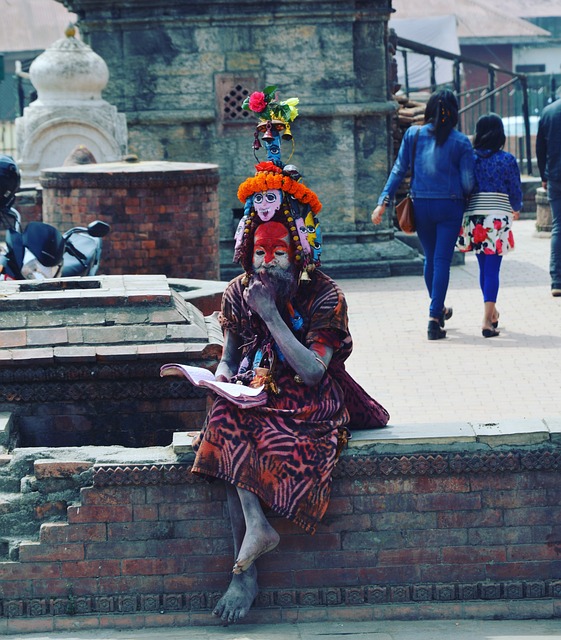
Next up, you can’t miss the rich tapestry of Sami handicrafts or “duodji.” Picture this: artisans skillfully weaving intricate patterns into textiles or carving stunning sculptures from wood. Each piece tells a story, weaving history, identity, and artistry into a tapestry that is as unique as the snowflakes falling in the tundra. Engaging with duodji is like holding a piece of the Arctic’s soul in your hands.
Then, there’s the captivating music. Have you ever listened to a joik? That’s a traditional form of song that evokes emotions and memories. It’s not just music; it’s a bridge connecting the past with the present, inviting you to feel the spirit of the land and its people.
Diving into Sami traditions offers a vibrant glimpse into a world that balances ancient practices with modern life. From reindeer herding to rich handicrafts and soul-stirring music, every aspect pulls you deeper into the stunning narratives that shape this unique culture.
Sami Traditions Made Simple: A Student’s Path to Cultural Appreciation
So, how can you appreciate these unique customs without feeling overwhelmed? Start by immersing yourself in their way of life. Picture this: you’re at a local festival filled with colorful tents, traditional music wafting through the air, and the warm laughter of the Sami community welcoming you. These festivals are not just events; they are living history lessons. By participating in activities like joik (traditional song) or learning to craft traditional handicrafts, you become part of the story, not just a spectator.
Curiosity is your best friend here! Ask questions and engage with elders who carry the oral histories of their people like precious stones. Each story they share is a window into a lifestyle deeply connected to nature and the seasons. And let’s not forget about the food! Sami cuisine, with its focus on fresh, local ingredients like reindeer and fish, tells tales of survival and resilience in the Arctic landscape. When you savor a dish, you’re tasting history itself.
Frequently Asked Questions
How Can Students Experience Sami Music and Art?
Students can experience Sami music and art through interactive workshops, cultural exchange programs, online resources, and attending local festivals. Engaging with Sami artists, participating in traditional dance, or exploring multimedia presentations can enhance understanding of this rich cultural heritage.
What Are Essential Sami Languages and Phrases for Beginners?
Essential Sami languages and phrases for beginners focus on foundational vocabulary and expressions that facilitate basic communication. This includes greetings, commonly used words and phrases related to daily life, and cultural references pertinent to Sami heritage. Learning these essentials helps build a practical understanding of the language and enriches cultural appreciation.
What Role Does Reindeer Herding Play in Sami Culture?
Reindeer herding is integral to Sami culture, providing a source of livelihood, food, and materials for traditional clothing and tools. It also fosters a deep connection to the land and nurtures social bonds within the community, reflecting the Sami’s relationship with nature, identity, and heritage.
How Do Sami Festivals Reflect Cultural Identity?
Cultural celebrations among the Sami showcase their heritage, including traditions, languages, and artistic expressions. These festivals foster a sense of community, reinforce cultural identity, and promote awareness of Sami history and contemporary issues. Participants engage in traditional music, dance, and crafts, which help preserve and revitalize their unique cultural practices.
What Are the Key Sami Traditions Students Should Know?
Understanding key Sami traditions is essential for appreciating their rich cultural heritage. This includes reindeer herding, which is central to their livelihood, and the practice of duodji, traditional craftsmanship that reflects their identity. Additionally, the significance of joiking, a unique form of singing, and various seasonal festivals that celebrate the connection with nature are crucial. Students should also explore the value of community and the Sami people’s efforts to preserve their language and customs.