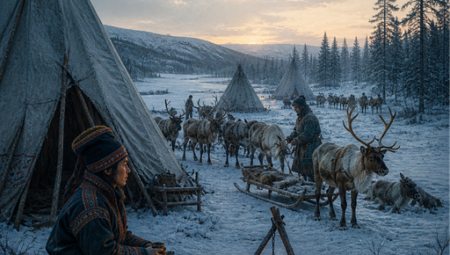
As we look ahead, the future of reindeer herding in Sápmi is a canvas splashed with both vibrant colors and daunting challenges. Climate change, with its unpredictable temperatures and dwindling grazing lands, poses a significant threat to reindeer populations. Picture this: a herd of reindeer, usually grazing on lush vegetation, finds itself searching for food beneath layers of relentless snow. It’s not just a survival issue; it’s a cultural heartbeat that risks fading away.

Yet, it’s not all doom and gloom. The Sámi community is fiercely resilient. Innovative practices are emerging as they blend traditional knowledge with modern technology. Imagine herders equipped with GPS and drones, keeping an eagle eye on their herds and making real-time decisions. This adaptation is akin to a seasoned navigator steering through stormy seas; it showcases an unwavering commitment to preserving heritage while embracing the winds of change.
Moreover, awareness is growing globally about the significance of indigenous cultures and their sustainable practices. Think of it as an awakening, where people are beginning to understand that protecting reindeer herding isn’t just about the animals; it’s about safeguarding a way of life, a unique culture, and the wisdom accumulated over generations.
In this delicate balance between tradition and innovation, the future of reindeer herding in Sápmi shines with hope. As challenges arise, so does a spirit of adaptation—transforming potential pitfalls into powerful opportunities. The journey forward is a testament to the enduring relationship between the Sámi people and their beloved reindeer, ensuring this remarkable story continues to thrive.
“Embracing Change: The Future of Reindeer Herding in Sápmi Amid Climate Challenges”
Now, let’s get real. Climate change is like a snowball rolling down a hill. It starts small but gains momentum and strength, impacting everything in its path. In Sápmi, warmer temperatures are transforming the tundra. These majestic creatures, central to Sámi culture and livelihood, face dwindling food sources. Have you ever tried to navigate a tricky path? That’s exactly what herders are experiencing as they seek out grazing lands that keep changing due to unpredictable weather.

It’s not just about the reindeer themselves. The Sámi way of life is intertwined with their herding practices, relying heavily on sustainable methods that have been honed over generations. However, with more rain replacing snow and altering the landscapes, how can tradition hold its ground against such relentless forces? It’s like trying to keep a snowman intact in the summer sun.
But here’s where it gets interesting: the Sámi are not just passive observers. They’re innovators, adapting and responding to these challenges head-on. Using technology, they’re tracking their herds more effectively and proactively managing ecosystems. It’s like upgrading your old flip phone to a smartphone—suddenly, you have a new toolkit to navigate life’s changes.
So, as the landscape of Sápmi transforms, one thing is clear: resilience and adaptation will define the future of reindeer herding for generations to come. In the face of adversity, the Sámi keep moving forward, crafting new paths on an ever-evolving journey.
“Cultural Resilience: How Sápmi’s Indigenous Communities Are Shaping the Future of Reindeer Herding”
So, how exactly are these communities shaping the future of reindeer herding? Well, it all starts with their deep-rooted knowledge of the land and its rhythms. Sámi herders understand the intricate balance of nature, using traditional techniques that have been passed down through generations like cherished heirlooms. They don’t just see reindeer as livestock; these animals are integral to their identity, community, and spirituality, much like how trees are to a forest.
But let’s not kid ourselves—challenges are everywhere. Climate change is altering migratory patterns, and modern pressures are constantly knocking at the door. However, rather than folding under pressure, the Sámi are weaving modern innovations into their traditional practices. Think of it as remixing a classic song but keeping its soul intact! They’re adopting new technologies for tracking herds or engaging in sustainable practices that honor their ancestral ways while ensuring the future remains bright for generations to come.
And here’s where the magic happens: by sharing their stories and expertise, Sámi communities are garnering global attention. Their approach to herding isn’t just about making a living; it’s about fostering respect for the land and inspiring a broader dialogue on indigenous rights and climate action. Through workshops, collaborations, and cultural festivals, they’re inviting the world to partake in their rich heritage, creating a ripple effect of awareness and appreciation.
“Tech Meets Tradition: Innovations Transforming Reindeer Herding Practices in Sápmi”
Picture this: a herder with a smartphone or a drone up in the sky, monitoring hundreds of reindeer across vast expanses of frosty tundra. Isn’t that mind-blowing? GPS tracking has revolutionized traditional methods, allowing herders to know the exact location of their animals in real time. No more guessing where the herd might be grazing; technology does the heavy lifting. It’s like having a magical map that stays updated all the time!
But it doesn’t stop there. Innovations in data analytics now enable herders to track health trends and migration patterns, optimizing grazing efficiency like never before. Imagine being able to predict the best times for herding or when to move the reindeer based on data trends. It’s like having a crystal ball guiding your every decision!
And let’s not forget about climate challenges. As temperatures fluctuate, the Sámi are using advanced weather modeling tools to anticipate changes in their environment. This synergy of tech and tradition isn’t just about convenience; it’s about survival in a rapidly changing world. Just like the resilient reindeer, the Sámi are adapting, blending their rich cultural practices with innovative solutions.
“Navigating New Frontiers: The Impact of Climate Change on Reindeer Migration in Sápmi”
Picture it: as temperatures rise, the once-frozen pathways of the reindeer’s migration are turning into slushy, impassable terrains. It’s like trying to run a marathon in flip-flops! The predictable rhythm of seasons that these animals have relied on for generations is being disrupted. Earlier thaws mean that snow melts sooner, leading to an unpredictable food source for these gentle wanderers. Lichens—their favorite snack—become harder to find when the ground is no longer a frosty treasure trove.
But it’s not just the reindeer who feel the pinch. The Sámi people, who have coexisted with these animals for centuries, are now at a crossroads, facing challenges that threaten their traditional way of life. Imagine living in a place where the changing seasons no longer signify the same things they once did. It’s a bittersweet dance of adaptation, where ancient practices clash with modern realities.
This tug-of-war doesn’t end there. Reindeer herders are forced to change their migration strategies, all while keeping an eye on the ecological balance. It’s a balancing act on a tightrope made of ice in a warming world—challenging, yet vital. The intersection of climate change and reindeer migration might seem like a distant concern, but it’s a reflection of a much larger picture, where every living being feels the ripple effects of our changing planet.
“Reindeer Herding in Sápmi: A Balancing Act Between Tradition and Modernity”
So, how do these skilled herders maintain this age-old practice in a world that’s rapidly shifting? It’s all about balance. Picture a tightrope walker deftly maneuvering between the past and the future. On one side, there are the traditional methods—using reindeer to travel, gather food, and connect with the land. It’s an art steeped in centuries of knowledge passed down from one generation to the next. Yet, on the other side, there’s modernity creeping in with new technologies and regulations that threaten to disrupt this time-honored way of life.

The Sámi are embracing technology, from using drones to track herds to employing mobile apps for managing their daily tasks. This innovative approach helps them adapt to climate change, which is not just a buzzword but a challenging reality that directly impacts their herding patterns. Isn’t it incredible how they’re finding ways to meld ancient practices with cutting-edge solutions?
“The Economic Future of Sápmi: Can Sustainable Reindeer Herding Survive in a Changing Climate?”
Picture this: herders navigating vast landscapes, relying on seasonal patterns to guide their herds. Now, throw in unpredictable weather and melting ice—suddenly, that age-old wisdom gets put to the test. Reindeer, essential not just for culture but also as a source of food and income, depend on stable ecosystems. But warmer winters mean less snow cover and increased pests, threatening their health and productivity. It’s like trying to juggle while standing on a slippery slope!
Interestingly, the Sámi are adapting, embracing innovation like eco-friendly grazing techniques and digital tools to monitor their herds. They’re not just staying afloat; they’re reinventing themselves like a phoenix rising from the ashes. Imagine using apps to track weather patterns or GPS to find the best grazing spots—talk about blending tradition with technology! It’s a powerful way to ensure that cultural heritage doesn’t just survive but thrives.
But here’s the real challenge: balancing economic growth with sustainability. Can we build infrastructure that supports reindeer herding without encroaching on land? Can renewable energy initiatives coexist with these majestic animals? It’s a complex puzzle, but with collaboration and creativity, the unique relationship between the Sámi and their reindeer might just emerge stronger than ever in this new climate reality. What could that look like? Only time will tell, but one thing’s for sure—the story of Sápmi is far from over.
“Youth in the Herd: The Next Generation of Sámi Herders and Their Vision for Reindeer Future”
So, what’s driving this new wave of Sámi youth? A fusion of tradition and innovation! They respect their ancestors’ wisdom while weaving in modern technologies. Picture them using drones to track reindeer migratory paths or employing social media to raise awareness about the importance of sustainable practices. It’s like mixing an ancient recipe with a dash of modern flair—delicious and impactful!
These young herders are not just carrying the torch; they’re reigniting it! They see reindeer not only as livestock but as vital partners in a broader ecosystem. They’re passionate about eradicating harmful stereotypes and fighting for rights and recognition, ensuring their voices resonate in conversations about climate change and land rights. “If we don’t protect our reindeer, we’re not just losing animals—we’re losing a part of who we are,” says one aspiring herder.
But it’s not just about survival; it’s about thriving. They’re tapping into eco-tourism, inviting people to experience the magic of reindeer herding firsthand. Can you imagine guiding tourists through snow-laden trails, sharing stories of the past while shaping the future? It’s a win-win, connecting people with culture while ensuring the land stays vibrant and alive.
As these young Sámi herders take the reins, they carry with them a vision that’s rich in tradition but sharp with innovation, paving the way for a sustainable tomorrow for both their herding practices and the cherished reindeer they love.
Frequently Asked Questions
How can technology improve reindeer herding in Sápmi?
Technology enhances reindeer herding in Sápmi by providing tools for tracking herds using GPS and drones, improving communication among herders through mobile apps, and utilizing data analytics for better resource management. These innovations help streamline operations, monitor livestock health, and adapt to climate changes.
What are the challenges facing reindeer herding in Sápmi today?
Reindeer herding in Sápmi faces several challenges, including climate change which alters grazing patterns, habitat loss due to industrial activities, and legal issues related to land rights. Additionally, conflicts with modern development, such as infrastructure projects, threaten traditional practices and access to pastures. These factors contribute to the decline of both reindeer populations and the cultural traditions associated with herding.
How is climate change impacting reindeer herding practices?
Climate change is altering reindeer herding by shifting migration patterns, affecting food sources, and disrupting traditional practices. Warmer temperatures can lead to earlier snowmelt, making it difficult for herders to track and manage their herds. Additionally, changes in vegetation due to shifting climates impact the availability of lichen, a primary food source for reindeer, threatening the sustainability of herding activities.
What role do indigenous rights play in the future of reindeer herding?
Indigenous rights are crucial for the sustainability and future of reindeer herding, as they ensure that indigenous communities maintain control over their lands and resources. Recognizing these rights can lead to better management practices, cultural preservation, and the ability to adapt to environmental changes, thereby securing the livelihood and heritage of indigenous herders.
What sustainable practices are being implemented in reindeer herding?
Sustainable practices in reindeer herding include rotational grazing to prevent overgrazing, using traditional ecological knowledge for land management, reducing carbon footprints through seasonal migrations, and maintaining biodiversity in grazing areas. Additionally, herders are increasingly incorporating modern technologies for tracking herds and monitoring environmental changes to enhance sustainability.