Reindeer herding is more than a profession; it’s a way of life passed down through generations. The Sami have perfected the art of sustainable herding, ensuring that the land remains rich and capable of supporting the reindeer population. There are traditional methods for managing herds, often rooted in a deep respect for nature. Instead of seeing themselves as masters over the land, many Sami view themselves as stewards of a delicate ecosystem. Have you ever thought about how interconnected we all are with nature? The Sami live this reality every day!
Now, here’s where it gets interesting. Ownership isn’t just about the number of reindeer; it’s about the relationships formed. Each animal has a name and a story, and understanding these connections is crucial. Imagine calling your car by its name and knowing its quirks! This bond goes beyond the surface; it’s about mutual trust and respect.
Steering Through Tradition: The Cultural Significance of Reindeer Ownership Among the Sami
Reindeer herding isn’t merely an occupation; it’s an intricate dance of symbiosis between humans and nature. For the Sami, these majestic animals represent far more than food and income; they’re tied to their myths, music, and social structures. Each herd carries the weight of stories, rituals, and community bonds that define Sami culture. Did you know that for many Sami, the reindeer is seen as a gift from the gods, a vessel of cultural heritage? It’s like being part of a living tapestry woven from the threads of time, where every reindeer has a story, a role, and a purpose.
Think of reindeer as the lifeblood of Sami nomadic existence. The animals provide food, clothing, and even shelter materials. They’re not just resources; they shape the very essence of Sami communities. Imagine the elders sharing folklore under the starlit sky, their voices echoing with tales of their ancestors and the revered reindeer that guided them through the harsh winters. This timeless connection is a reminder that the Sami culture thrives through unity with nature, where every step taken with reindeer is a step deeper into their rich heritage.
Guardians of the Tundra: How Sami People Preserve Their Reindeer Husbandry Traditions
Now, what does it mean to be a guardian of the tundra? For the Sami, it’s about more than just herding; it’s a way of life passed down through generations. They have an intuitive understanding of the land and its rhythms, like a musician knows their instrument. By following traditional migratory routes, they ensure that their herds graze sustainably, balancing the needs of the reindeer with the delicate ecosystem that surrounds them.
This bond between the Sami and their reindeer is almost symbiotic. Just as a songbird relies on the trees for shelter, the Sami depend on their herds for food, clothing, and transport. They’re not merely caretakers; they are stewards of a rich heritage. The annual cycle of herding, from calving in the spring to the hunt in the autumn, is woven into their stories, songs, and daily lives, creating a vibrant tapestry of culture that thrives in even the coldest months.
From Calves to Caribou: A Deep Dive into Sami Reindeer Ownership Practices
First off, the life of a reindeer begins as a calf, a delicate yet resilient creature that embodies the spirit of the Sami’s deep connection to the land. Sami families often raise these calves with the love and care akin to nurturing a new child. They’re not just livestock; they’re part of the family. Can you imagine the excitement when a calf takes its first wobbly steps? It’s a rite of passage that strengthens the bond between the herders and their animals.
As the calves grow, the responsibilities multiply. Sami herders employ traditional methods passed down through generations, ensuring their reindeer flourish. This isn’t just about survival; it’s about respecting nature and maintaining a sustainable ecosystem. Ever thought about how herding is similar to conducting an orchestra? Each reindeer plays a note, and the herder ensures harmony in the chaos of the wild.
Then comes the relishing moment of transitioning from calves to caribou. As the reindeer mature, they become integral to the Sami’s way of life—from providing food to aiding in transportation. It’s like watching a child transform into a thriving adult. This transformation highlights the Sami’s intricate relationship with their environment, where each creature contributes to the ecosystem’s balance.
This journey isn’t merely transactional; it’s spiritual and emotional. Is there anything more awe-inspiring than witnessing this age-old practice that beautifully intertwines life, sustenance, and culture?
The Heart of the Arctic: Exploring the Economic and Spiritual Ties of Sami Reindeer Ownership
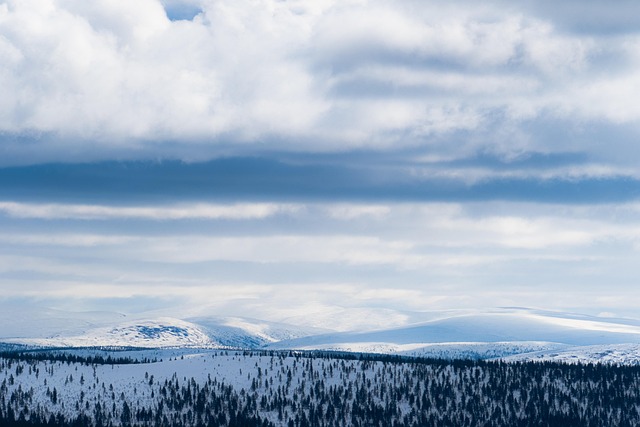
Imagine standing in the heart of the Arctic, surrounded by vast, snow-covered landscapes that stretch endlessly before you. Here, among the frozen beauty, the Sami people have thrived for centuries, finding sustenance, identity, and deep connection with the land through reindeer ownership. But did you know that these majestic creatures are more than just livestock? They embody an intricate blend of economic lifeblood and spiritual significance for the Sami.
For the Sami, reindeer are akin to a lifeline. They are not just a means of survival but a gateway to their ancestral heritage. Picture a family huddled around a warm fire, sharing stories of their ancestors and the journeys they took with their herds across the tundra. This rich tapestry of culture weaves itself into every facet of Sami life, from traditional clothing made from reindeer hide to the delectable dishes that feature reindeer meat. It’s like finding a treasure chest packed with history and sustenance all at once.
Economically, reindeer herding is a cornerstone for many Sami communities. It’s more than a job; it’s their way of life. The selling of reindeer products, from meat to fur, fuels local economies and keeps traditions alive. However, the relationship is reciprocal. The land nurtures the reindeer, while the reindeer, in turn, support the Sami. It’s a natural balance, much like the rhythm of the seasons that govern the Arctic. Think of it like dancing; each partner moves in harmony, creating a beautiful performance of life.
The spiritual connection is no less profound. For the Sami, reindeer are considered sacred, embodying the essence of the Arctic. They participate in rituals that honor the spirits of nature, creating a bond that goes beyond mere ownership. It’s as if the reindeer are guardians of the Sami people’s identity—an enduring reminder of their resilience and unity with the environment. Isn’t it amazing how a single animal can encapsulate such depth of tradition and economic significance?
Frequently Asked Questions
How does reindeer ownership impact Sami livelihoods?
Owning reindeer is integral to Sami livelihoods, providing essential resources such as food, clothing, and income through herding and tourism. Reindeer herding sustains cultural heritage and traditional practices, while also supporting economic sustainability in Sami communities.
What are the key traditions of Sami reindeer ownership?
Sami reindeer ownership is centered around traditional practices that emphasize sustainable management and respect for nature. Key traditions include herding techniques that reflect seasonal migration patterns, the cultural significance of reindeer in Sami identity, and collaborative community practices for collective herding. Ownership is often passed down through generations, highlighting the importance of family and kinship in reindeer care and management.
What is the cultural significance of reindeer to the Sami people?
Reindeer play a vital role in the cultural identity, livelihood, and traditions of the Sami people. They are central to the Sami’s nomadic lifestyle, providing food, clothing, transport, and materials for crafts. The reindeer symbolize a deep connection to the land and nature, and their herding practices reflect sustainable living and cultural heritage. Additionally, reindeer-related rituals and festivals highlight their significance in Sami spiritual beliefs and community bonding.
What challenges do Sami herders face today?
Sami herders today encounter various challenges, including climate change, which alters grazing patterns and affects reindeer health. Legal restrictions and land use conflicts with industries like mining and forestry also threaten traditional herding practices. Additionally, economic pressures and market fluctuations can undermine their livelihoods. These factors combined pose significant risks to the sustainability of Sami cultural practices and the reindeer herding community.
How do Sami herders manage reindeer herds?
Sami herders utilize traditional knowledge and sustainable practices to manage their reindeer herds, focusing on the health and well-being of both the animals and the environment. They use seasonal migration patterns to ensure access to grazing land, monitor herd dynamics, and employ careful breeding strategies. Through a deep understanding of weather conditions and landscape, they maintain balance within the ecosystem while adapting to modern challenges.