The Etymological Roots and Historical Documentation of the Tersorium
The term tersorium derives directly from the Latin verb tergere, meaning to wipe or cleanse. Roman literary sources first document this hygiene implement in the first century CE, notably within the satirical epigrams of Martial and the moral critiques of Juvenal. These texts contextualize the artifact not merely as a utilitarian object but as an indispensable component of Roman domestic architecture and public sanitation infrastructure. The historical presence of the tersorium is firmly anchored in epigraphic records, architectural floor plans, and municipal ordinances that detail private foricae alongside imperial bath complexes.
Archaeological Discoveries and Material Analysis
Excavations at Pompeii, Herculaneum, Ostia Antica, and Roman military fortifications along the Danube frontier have yielded definitive physical evidence of the tersorium, typically preserved in waterlogged cesspits or ash-sealed stratigraphic deposits. Artifacts consist of a long wooden shaft—commonly crafted from olive, ash, or pine—terminated by a porous natural sea sponge, frequently identified through paleobotanical study as species of Haliclona or Spongia officinalis. Spectroscopic residue analysis confirms trace marine minerals consistent with Mediterranean sourcing. The wooden handles exhibit distinct wear patterns along the grip zones, indicating repeated manual manipulation and rotational friction during daily sanitation routines.
Mechanics of Operation and Sanitation Protocols
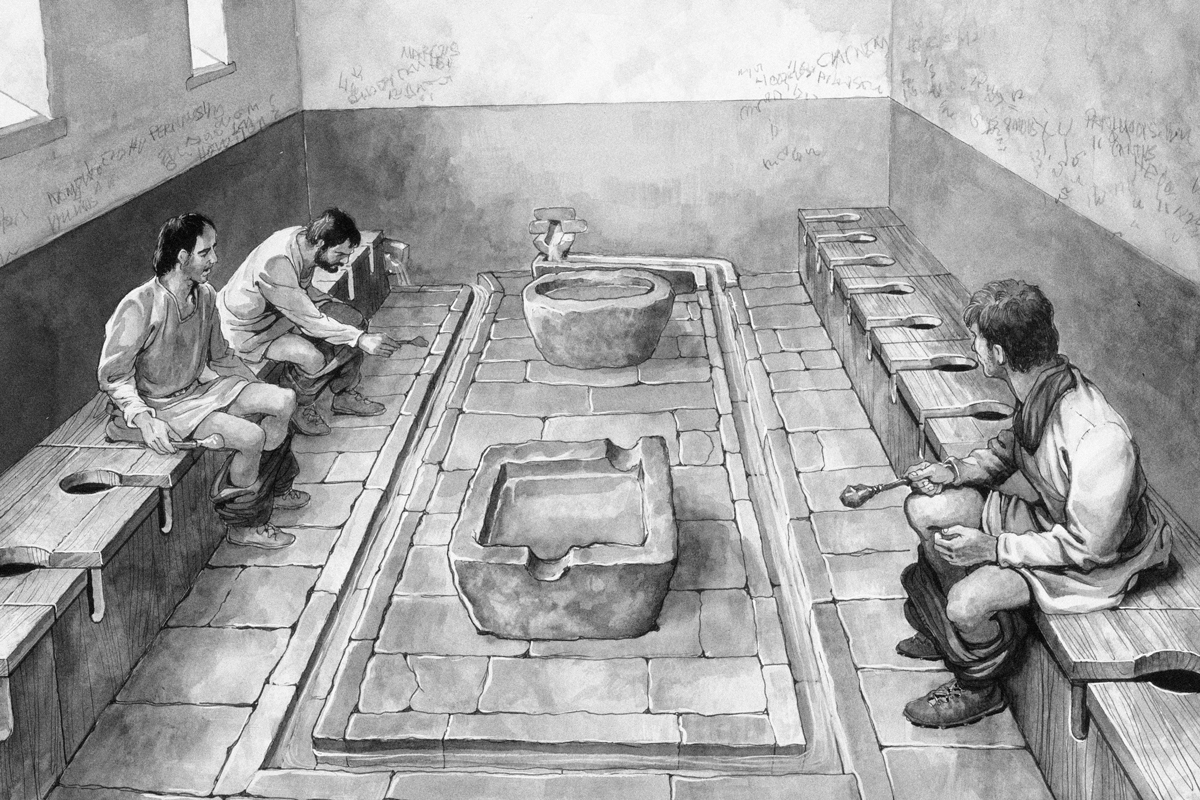
The operational design of the tersorium prioritized functional efficiency within a communal hygiene framework. Users retrieved the implement from a dedicated wall socket or wooden shelf, employed it for anal cleansing after defecation, and returned it to a continuous-flow water basin containing vinegar, saltwater brine, or diluted herbal antiseptics. These disinfecting solutions were circulated by municipal attendants to mitigate bacterial proliferation and suppress odor accumulation in confined sanitation chambers. The sponge’s natural capillary structure enabled effective moisture absorption, while the rigid wooden handle maintained a critical hygiene barrier between human tissue and organic waste.
Social Norms and Literary Depictions
Roman sanitation practices operated within a highly regulated social framework where individual privacy was subordinate to communal functionality. The tersorium functioned as a shared resource in public latrines, reflecting broader cultural attitudes that treated bodily elimination as a natural, unembarrassing necessity. Satirical literature frequently referenced the implement’s ubiquitous presence, often utilizing it as a metaphor for social leveling or the mundane rhythms of urban life. Epigraphic graffiti from taverns and bathing districts indicates that patrons could purchase pre-sanitized sponges or request replacement units, demonstrating an early commercial sanitation economy that supplemented municipal waste management systems.
Alternative Hygiene Tools and Technological Transitions
While the tersorium dominated Roman hygiene practices, historical records document supplementary cleaning methods that coexisted throughout the imperial period. Wealthier households occasionally utilized xylospongium variants featuring carved longitudinal channels for controlled water flow, while lower-income populations resorted to coarse wool wads, frayed linen strips, or bare fingers rinsed in cold runoff water. The strigil, primarily engineered for post-bath oil and dirt removal, was occasionally repurposed for personal cleansing, though anatomical constraints limited its practical efficacy. These alternatives highlight a stratified approach to sanitation directly correlated with socioeconomic status and geographic accessibility.
Archaeological Context and Scholarly Interpretation
Modern understanding of the tersorium relies heavily on stratigraphic integrity, comparative paleontology, and experimental archaeology. Museum reconstructions frequently encounter authentication challenges due to rapid organic degradation, prompting researchers to cross-reference tool wear patterns with Roman medical treatises by Celsus and Galen. Contemporary scholars debate whether sponge replacement occurred daily or weekly, with administrative inscriptions pointing toward municipal sanitation crews responsible for routine maintenance and solution renewal. The artifact’s technological lineage persists in early modern European chamber pots and medieval hygiene manuals, illustrating a direct functional evolution despite significant cultural interruptions during the late antiquity period.
Across antiquity, Roman engineers impressed with water systems, roadwork, and sewers also faced questions about personal cleanliness. Rather than relying on rag, paper, or plain water alone, they experimented with a reusable solution that paired a sponge with a stick. This device, known as the tersorium (or xylospongium in Greek), attached a sea sponge to a wooden staff and could be used at public latrines in bathhouses and other civic spaces. It was often rinsed in the flowing water of the latrine or soaked in a saline or vinegar solution to refresh it between uses.

Historical accounts suggest that the tersorium might not have been a private implement. Public facilities sometimes provided this shared tool, raising questions about sanitation practices in crowded Roman environments. The emphasis on reach and absorbency made the sponge-on-a-stick seem practical, but the communal aspect invites debate about hygiene in ancient settings.
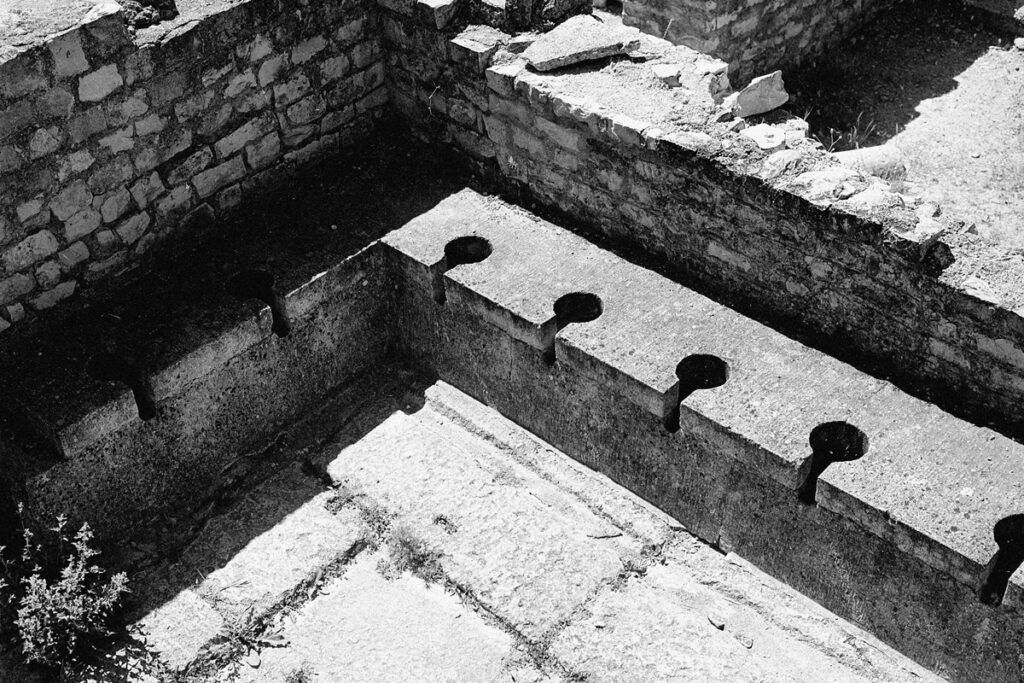
Alternative interpretations emerge from scarce textual evidence. Some scholars argue that the tersorium’s primary role could have been as a toilet brush rather than a personal cleansing aid. Austrian archaeologist Gilbert Wiplinger questions whether authors like Seneca or Martial clearly describe the sponge being used for individual hygiene, suggesting a less intimate function. In contrast, material remnants from places like Herculaneum hint at varied usage. Fragments of cloth discovered in ancient septic remains imply fabric might have been common, while shards of smooth-edged pottery (pessoi) could have served as abrasive substitutes. Taken together, these clues point to a spectrum of practices rather than a single method.
As you consider the ancients’ approach to bathroom habits, remember how different materials—ranging from sponges to cloth and pottery—could have coexisted in Roman daily life. The takeaway remains: modern conveniences, including toilet paper and bidets, are luxuries that our predecessors did not always enjoy.