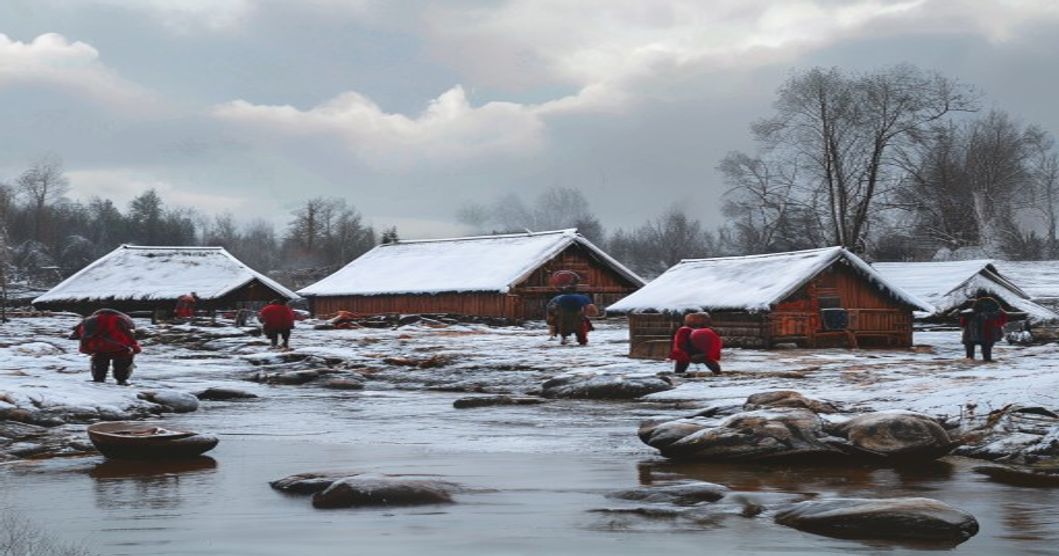
Understanding the Foundations of Sámi Heritage and Territory
The Sámi people inhabit a transnational region known as Sápmi, spanning the northernmost municipalities of Norway, Sweden, Finland, and the Kola Peninsula of Russia. This territory is not merely a geographical designation but a living cultural landscape shaped by millennia of reindeer herding, coastal fishing, inland hunting, and seasonal migration patterns dictated by Arctic ecology. The foundation of Sámi heritage rests on an intricate relationship with the environment, where ecological knowledge is transmitted through generations via oral tradition, joik singing, duodji craftsmanship, and the distinctive gákti attire that signals regional clan affiliations.
Historical disruption occurred when Scandinavian states imposed fixed borders during the 18th and 19th centuries, fragmenting traditional grazing corridors and triggering decades of forced assimilation policies. These measures banned Sámi language instruction in schools and restricted nomadic livelihoods under the guise of agricultural modernization. Cultural suppression peaked under nation-building initiatives, yet Sámi communities maintained resilience through clandestine language transmission and adaptive subsistence strategies that preserved core societal structures.
- Norway established the Sámi Parliament in 1987 following the Finnmark Commission findings, granting limited legislative advisory powers over cultural and land management matters.
- Finland enacted the Sámi Language Act in 1992, enabling official Sámi language use in municipal services and education within designated linguistic boundaries.
- International instruments like ILO Convention No. 169 and the UN Declaration on the Rights of Indigenous Peoples have provided legal leverage for territorial claims, though conflicts over wind farm development, mining permits, and reindeer pasturage rights remain active across all four nations.
Contemporary Sápmi operates through dynamic cultural revitalization rather than static historical preservation. Language nests in Utsjoki and Kiruna sustain Northern Sámi fluency among youth, while Sámi universities in Alta and Kautokeino integrate traditional ecological knowledge with modern research methodologies. Ethical engagement requires prioritizing locally operated lodges, participating in community-led duodji workshops, and attending annual events like the Sámi Grand Prix or Guovdageaidnu music festival. Supporting Sámi-owned media platforms such as Sápmi Radio and purchasing certified authentic crafts directly from artisans ensures that cultural exchange remains economically sustainable and politically respectful.
Mapping the Cross Border Region Known as Sápmi
Sápmi represents one of the few remaining indigenous territories in Europe that actively resists conventional cartographic boundaries, stretching across the northern reaches of Norway, Sweden, Finland, and Russia. Historically unified under seasonal migration routes and reindeer husbandry networks, the region was fractured by colonial treaties in 1751 and subsequent border agreements that prioritized nation-state sovereignty over traditional land use. Modern mapping of Sápmi requires acknowledging these historical fractures while recognizing the continuous cultural and ecological systems that transcend them. The territory encompasses approximately 388,000 square kilometers, extending from the Scandinavian Peninsula northward to the Kola Peninsula, capturing vast tracts of Arctic tundra, boreal forests, and glacial valleys.
Administrative divisions within Sápmi are fragmented across four sovereign states, each imposing different governance frameworks on indigenous land management. In Norway, the recognized Sami homeland covers parts of Finnmark, Troms, and Nordland counties, with the Norwegian Sami Parliament headquartered in Karasjok. Sweden’s section lies primarily within Norrbotten County, where the Swedish Sami Parliament operates from Luleå. Finland designates its Sápmi region within Lapland Province, coordinated by the Finnish Sami Parliament in Inari. The Russian sector falls under Murmansk Oblast and the Kola Peninsula, where indigenous Komi and Nenets communities share overlapping historical territories with the Sámi.
- Norwegian Sector: Finnmark coastal zones, Tromsø archipelago, and inland reindeer herding districts
- Swedish Sector: Abisko national park vicinity, Jokkmokk market town, and Laponia World Heritage site
- Finnish Sector: Inari Lake basin, Levi ski region, and Utsjoki northernmost municipality
- Russian Sector: Kola Peninsula tundra, Murmansk administrative boundaries, and traditional winter pastures
Contemporary efforts to map Sápmi rely heavily on participatory GIS technologies that integrate oral histories, seasonal grazing patterns, and sacred site coordinates rather than static political lines. The Sámi Council, established in 1956, coordinates cross-border research initiatives that document ecological corridors and linguistic variations across the region. These collaborative mapping projects challenge conventional border cartography by emphasizing fluid human-environment relationships, demonstrating how indigenous spatial knowledge systems provide more accurate representations of land use than colonial boundary markers. Understanding Sápmi’s geography demands recognition of its transnational nature, where environmental management, cultural preservation, and economic development require coordinated policies across four distinct national jurisdictions.
How Historical Displacement Shaped Modern Indigenous Communities
The forced displacement and systematic assimilation policies enacted against the Sami across Norway, Sweden, Finland, and Russia fundamentally altered their social fabric, yet simultaneously forged a resilient framework for contemporary cultural preservation. Beginning in the late nineteenth century, state-sponsored measures targeted native language instruction, ancestral land rights, and traditional reindeer husbandry to enforce rigid national homogeneity. Educational institutions systematically removed children from family units, penalizing linguistic expression and pastoral practices. These interventions severed intergenerational knowledge transfer and fragmented grazing territories through commercial forestry concessions, hydroelectric dam construction, and unregulated mineral extraction.
Modern indigenous communities emerged from this period of structural disruption by institutionalizing cultural recovery mechanisms that prioritize territorial sovereignty and linguistic continuity. The establishment of transnational Sami parliaments provided legislative platforms to reclaim land management rights and standardize curriculum development. Community-operated heritage initiatives now document oral histories, restore colonial-era place names, and manage living archives that function as active research hubs rather than static exhibition spaces. This structural pivot transformed historical trauma into measurable cultural resilience.
- Residential school legacies prompted grassroots language revitalization programs utilizing digital dictionaries and mobile applications to accelerate fluency among younger generations.
- Land claim settlements enabled direct oversight of reindeer pastures, ensuring seasonal migration routes remain intact for authentic herding demonstrations.
- Traditional craftsmanship networks now regulate artisan production standards, preventing commercial dilution while maintaining economic independence through certified cultural enterprises.
These institutional recoveries directly dictate how visitors access genuine Sami heritage today. Contemporary cultural exchanges prioritize land-based education where accredited guides interpret historical displacement through ancestral geography rather than generalized narratives. Participants engage in vocal storytelling workshops that emphasize contextual ecological awareness, while learning reindeer processing techniques that reflect survival adaptations during forced relocations. The integration of historical awareness into experiential tourism ensures that authentic cultural encounters remain rooted in community agency, territorial continuity, and self-determined representation.
Strategic Planning for Immersive Indigenous Visits
Planning a visit to Sami territories requires precise coordination to ensure cultural preservation and genuine interaction. Travelers must engage with local reindeer herding cooperatives or Sámi-led tourism operators who hold recognized permits under regional environmental and heritage regulations. Timing dictates the quality of immersion; winter months offer traditional joik singing and ice fishing demonstrations, while summer reveals duodji craft workshops and daylight hiking trails guided by indigenous knowledge keepers.
Securing accommodations through community-owned lodges rather than commercial chains guarantees revenue directly supports land management and language revitalization programs. Visitors should establish contact with regional Sámi councils at least four months in advance to align activities with cultural calendars, avoiding sacred sites during ceremonial periods. Proper preparation includes learning basic Sámi greetings, understanding reindeer husbandry ethics, and committing to low-impact travel practices that respect fragile tundra ecosystems.
- Permit Verification: Confirm operator licenses through the Sámi Parliament tourism certification database before booking.
- Cultural Protocols: Request explicit guidance on photography restrictions, gift-giving customs, and traditional seating arrangements during communal meals.
- Economic Alignment: Structure itineraries around fair-trade frameworks where guide fees reflect specialized expertise rather than market averages.
- Environmental Integration: Utilize electric snowmobiles or reindeer-pulled sleighs to minimize carbon impact while accessing remote grazing corridors.
Documentation of experiences requires written consent from knowledge holders, particularly when recording traditional music or craftsmanship. Educational components should prioritize living traditions over historical reenactments, focusing on contemporary Sámi governance, environmental stewardship, and linguistic resilience. Post-visit engagement through verified cultural foundations ensures long-term support for indigenous youth programs and land rights advocacy.
Logistical precision remains critical when navigating cross-border Sápmi regions spanning Norway, Sweden, Finland, and Russia. Coordinate transportation routes with local landowners to respect seasonal migration patterns and avoid overlapping with hunting zones. Budget allocations must include dedicated funds for cultural exchange sessions, ensuring knowledge transfer compensates elders appropriately. Travelers should verify that all activities comply with the Indigenous Peoples Tourism Charter, prioritizing consent-based participation over passive observation. Digital verification platforms should cross-reference operator certifications with current land-use permits to prevent unauthorized access to protected grazing zones. Building relationships through verified regional tourism boards creates pathways for authentic dialogue, sustainable infrastructure development, and continuous cultural education.
Seasonal Rhythms That Dictate Cultural Activity Schedules
The Sámi relationship with time operates through environmental markers rather than fixed calendar dates, creating a cultural framework where seasonal transitions directly control community availability and programming. Reindeer husbandry establishes the primary timeline, requiring families to mobilize across vast territories according to grazing patterns and weather windows. Visitors seeking genuine immersion must recognize that cultural accessibility shifts dramatically between months, with certain periods prioritizing livelihood maintenance over public demonstration.
Spring migration typically begins in late April or early May when herds return from winter pastures to calving grounds. This period involves intensive tracking, calf branding, and distribution of livestock across family units. Local communities often conduct open demonstrations of traditional navigation techniques and share preserved meat prepared through historical smoking methods. Summer extends daylight hours into continuous natural lighting, transforming outdoor spaces into active workshops. Artisans concentrate on duodji production during June through August, working with birch bark, antler, and reindeer wool to create functional items like knives, belts, and ceremonial attire. Herbal gathering peaks during July, enabling knowledge holders to document medicinal plant applications while conducting outdoor storytelling sessions aligned with acoustic natural environments.
Autumn triggers the most coordinated community effort of the year. Reindeer gathering requires precise movement across multiple districts, followed by systematic processing that generates specialized skill transfer in butchery, hide curing, and bone carving. Sámi markets emerge during September and October, functioning as both economic centers and venues for intergenerational exchange. Winter conditions fundamentally alter activity patterns. Deep snowpack establishes traditional sleigh routes connecting remote homesteads, while shorter daylight hours concentrate gatherings within heated structures designed for communal warmth and northern sky mythology sessions.
- Livelihood dependency means cultural demonstrations pause during critical herding windows to prevent interference with animal management
- Weather variability requires flexible scheduling, as many events shift dynamically based on real-time snow depth and temperature readings
- Knowledge transmission follows task-driven learning cycles rather than academic semesters, making timing essential for meaningful participation
Strategic visit planning demands alignment with operational rhythms rather than convenience. Summer provides maximum visibility for craft workshops and open-air performances, while winter delivers optimal conditions for traditional snow travel demonstrations and sky mythology sessions. Respecting active work periods ensures minimal disruption to livelihoods while maximizing opportunities to observe ancestral practices maintained through continuous seasonal adaptation.
Transportation Corridors and Entry Points to Remote Settlements
Navigating the vast Sápmi region demands precise logistical planning, as transportation networks shift dramatically between summer and winter conditions. The primary gateway cities include Tromsø, Bodø, and Narvik in Norway; Rovaniemi and Kittilä in Finland; and Kiruna and Luleå in Sweden. From these urban centers, travelers transition to secondary asphalt routes, coastal ferries, and seasonal air services that penetrate the Arctic interior. The Norwegian E6 highway serves as the main overland artery, but reaching active reindeer-herding camps or traditional coastal fishing villages requires switching to gravel roads, maintained snowmobile tracks, or guided 4×4 convoys during the frozen months. Summer opens narrow waterways where small passenger ferries link isolated hamlets across fjords and archipelagos, while forest service roads become passable only after complete snowmelt.
- Regional Air Hubs: Tromsø Airport (TOS) and Kittilä Airport (KTT) handle domestic connections, with onward transfers to Bardufoss, Enontekiö, or Abisko requiring scheduled buses or pre-booked drivers.
- Ferry Networks: Hurtigruten and regional coastal lines connect mainland ports to northern settlements like Tana Bru, Karasjok, and Utsjoki, offering reliable transit during summer navigation seasons.
- Winter Corridors: Municipal snowplow routes and established ice roads replace standard highways from November through March. Travelers must carry chains, emergency fuel reserves, and satellite communication devices.
Public transit operates on fixed municipal schedules that rarely align with cultural event dates or reindeer migration windows. Independent travelers often coordinate multi-modal routes through regional tourism offices, combining bus segments, boat transfers, and helicopter drop-offs to reach destinations like Unjárga, Jåhkåmåhkke, or Giron. Winter access depends heavily on local knowledge of avalanche zones, whiteout conditions, and temporary road closures. Summer navigation shifts toward coastal shipping lines and unpaved forest tracks that demand high-clearance vehicles.
Authentic cultural exchange only occurs when visitors reach settlements where duodji craftsmanship, joik singing, and reindeer husbandry remain daily practices rather than staged performances. Transportation planning should prioritize routes that support local operators, respect seasonal grazing corridors, and allow extended stays instead of rushed day trips. Booking through Sámi-owned travel agencies ensures transit aligns with traditional land use patterns and provides access to guides who navigate both physical terrain and cultural protocols.
Core Traditions That Define Contemporary Sami Identity
Sami cultural continuity operates through daily practices rather than institutional preservation. Contemporary Sápmi communities maintain distinct identity markers that bridge ancestral knowledge with modern infrastructure. Material culture remains central, particularly duodji, the regulated practice of functional and decorative handicrafting governed by generations of technical precision. Each production zone establishes identifiable patterns in reindeer leather work, silver jewelry, and woven textiles that signal specific clan affiliations and geographic origin.
- Gákti follows strict regional coding through color combinations, cut lines, and silver button placement, functioning as wearable cartography rather than ceremonial attire.
- Duodji blades require seasonal hide preparation techniques that only reindeer herders and specialized artisans maintain today.
- Textile weaving incorporates lasso cord patterns that encode family lineages dating back to the nineteenth century.
Vocal tradition sustains oral transmission through joik, a non-narrative musical form that maps landscape features, animal behavior, and personal lineage without linear storytelling. Modern practitioners record these sequences using digital audio platforms while preserving microtonal vocal techniques that require specific breath control and throat positioning. Language revitalization programs operate alongside traditional pedagogy, establishing immersion schools where grammatical structures governing seasonal movement dictate daily vocabulary acquisition. Municipal councils now fund dialect documentation projects to prevent northern, central, and southern Sami variants from collapsing into standardized forms.
Reindeer husbandry constitutes the ecological backbone of Sami identity. Boazodoallu follows migration routes established over centuries, requiring practitioners to read snow conditions, lichen growth cycles, and predator tracking patterns. Contemporary herders combine GPS collars with traditional wind-direction reading and animal behavior interpretation, creating hybrid knowledge systems that outperform commercial monitoring alone. This practice directly influences political advocacy frameworks, as grazing rights legislation depends on demonstrated seasonal movement documentation across four distinct annual phases: skáb
Reindeer Husbandry Practices and Seasonal Migration Patterns
The foundation of Sami reindeer husbandry rests on centuries of ecological observation, where herders interpret snow conditions, lichen growth cycles, and animal behavior to dictate movement across vast landscapes. This practice is not seasonal tourism but a structured annual rhythm governed by the sameby system, a legally recognized grazing community that manages territory boundaries and resource allocation. Reindeer are classified into distinct groups based on age, sex, and migration history, each requiring specific pastures throughout the year.
Winter ranges typically lie in boreal forests where wind-scoured slopes expose ground lichen, the primary winter feed. As temperatures drop and snow hardens, herders move these animals inland to avoid coastal storms and insect harassment. Spring triggers a critical migration toward calving grounds near fjords or river valleys, where milder microclimates reduce calf mortality and early spring vegetation provides essential nutrients for lactating females. The timing of this shift depends entirely on snowmelt patterns and lichen availability, factors that herders monitor through direct field observation rather than fixed calendars.
- Summer highland pastures offer nutrient-rich alpine grasses and willow browse, allowing herds to recover weight lost during winter while avoiding persistent warble fly infestations common in lowland areas.
- Autumn gathering season requires precise coordination across multiple sameby territories. Herders use traditional vocal calls, hand signals, and modern radio communication to consolidate scattered herds for selective culling, veterinary treatment, and mating preparation.
- Migration corridors are documented in official grazing maps registered with national agricultural authorities, but actual routes adapt annually based on weather variability, industrial development impacts, and reindeer movement patterns.
Modern husbandry integrates traditional knowledge with satellite tracking collars, GPS mapping software, and climate data modeling. Despite technological advances, the core decision-making remains rooted in generational memory: an elder’s ability to read wind direction, spot subtle changes in reindeer gait, or identify early signs of predator activity cannot be automated. The practice sustains both food security and cultural continuity, with every branded animal representing a documented lineage tied to specific grazing rights. Herders maintain duodji tools, custom harnesses, and snow-tracking techniques that have evolved rather than disappeared, ensuring the livelihood adapts to environmental shifts without abandoning foundational Sami principles.
Traditional Duodji Craftsmanship and Symbolic Clothing Construction
Traditional duodji represents a meticulously preserved system of indigenous artistry where every carved motif, woven thread, and tooled surface carries generational knowledge. Artisans source materials directly from the boreal landscape: cured reindeer leather forms the foundation of footwear and harnesses, while split birch bark yields durable containers and decorative panels. Antler and bone are carefully shaped using hand-forged iron tools to create handles, needles, and intricate inlays that never rely on synthetic substitutes. The knitting techniques passed through generations utilize wool with naturally high lanolin content, ensuring garments maintain water resistance without chemical treatment.
The construction of symbolic clothing follows strict regional protocols dictated by historical clan boundaries. The gákti patterns operate as a visual language where color combinations signal specific siida affiliations, marital status, and seasonal roles. Blue and red dominance typically marks coastal communities, while green and yellow variations identify inland reindeer-herding groups. Each garment requires precise measurement based on the wearer’s shoulder width and arm length, followed by hand-cutting of pattern pieces that interlock without modern sewing machines. Embroidery stitches follow geometric progression rules where every diagonal line corresponds to historical migration routes or hunting territories.
- Natural dye extraction relies on lichens, cloudberry leaves, and iron-rich bog water to achieve lasting colorfastness
- Reindeer fur placement follows anatomical logic with coarse guard hairs facing outward for weather protection
- Brass button configurations indicate ceremonial rank versus daily utility wear through exact spacing measurements
Master craftsmen verify structural integrity by testing seam tension against reindeer sinew thread, which shrinks and tightens as it dries. The final assembly incorporates hidden reinforcement panels at stress points like elbow joints and waist seams, ensuring decades of functional use. Every component undergoes ritual preparation where the maker documents material origin dates and seasonal harvesting conditions, maintaining an unbroken chain of ecological awareness that modern manufacturing systems cannot replicate.
Joik Vocal Techniques and Oral History Transmission Methods
The foundational practice of joik transcends conventional musical performance, operating as a direct sonic representation of its subject rather than a descriptive account. Vocal execution relies on sustained diaphragmatic control, creating a resonant chest and head cavity combination that produces characteristic overtone clusters. Practitioners utilize precise breath management to maintain continuous melodic lines across extended phrases, often incorporating microtonal pitch bends that mirror wind patterns or animal vocalizations. The technique demands acute auditory memory, requiring singers to internalize exact intervallic relationships without written notation.
Oral history transmission functions through immersive kinesthetic pedagogy rather than formal instruction. Elders demonstrate melodic contours during daily activities such as reindeer herding, boat construction, or ritual preparations. Learners absorb phrasing, rhythmic placement, and emotional cadence through repeated exposure and contextual participation. Knowledge transfer occurs within specific ecological settings where the landscape itself becomes part of the instructional framework. Mountain ridges, water currents, and seasonal migration routes provide acoustic benchmarks that shape melodic development.
- Vocal Resonance Mapping: Practitioners align harmonic frequencies with natural acoustics found in valleys, caves, and forest clearings to enhance tonal projection.
- Intergenerational Memory Networks: Genealogical narratives are encoded within melodic structures, allowing historical events to be recalled through precise vocal patterns passed from grandparents to grandchildren.
- Eco-Phonetic Adaptation: Regional dialects and topographical features dictate specific vowel modifications and consonant articulation points that preserve local ecological vocabulary.
- Ritualized Performance Cycles: Seasonal ceremonies require exact replication of ancestral vocal sequences, ensuring continuity of spiritual practices and communal identity.
Contemporary practitioners maintain strict adherence to traditional pedagogical boundaries while adapting to modern documentation needs. Mastery requires years of dedicated listening exercises followed by gradual vocal integration under mentor supervision. The absence of standardized notation preserves the inherent flexibility required for contextual adaptation, allowing each performance to respond authentically to immediate environmental and social conditions. This living transmission system ensures that linguistic nuances, ecological observations, and spiritual frameworks remain intact across generations without institutional mediation.
Ethical Engagement Frameworks for Responsible Travel
Responsible travel within Sápmi requires structured ethical frameworks that prioritize indigenous sovereignty, cultural integrity, and economic fairness. These frameworks operate through established community protocols rather than generic tourism guidelines. Local governance bodies, including Sámi parliaments and reindeer herding districts, dictate visitor conduct standards to prevent cultural appropriation and environmental degradation. Travelers must recognize that access to traditional territories is a privilege contingent upon mutual respect and documented consent from local authorities.
Ethical engagement begins with verifying operator credentials against officially recognized Sámi tourism certifications. Legitimate programs demonstrate transparent revenue distribution models where a significant portion directly funds cultural preservation initiatives, language revitalization projects, and infrastructure maintenance in remote settlements. Independent audits ensure that marketing materials accurately represent living traditions rather than romanticized historical narratives. Visitors should expect standardized pre-arrival briefings covering seasonal restrictions, sacred site boundaries, and appropriate photography protocols.
- Community-Led Itineraries: Prioritize experiences designed and facilitated by Sámi hosts who control narrative framing and activity pacing.
- Fair Compensation Structures: Verify that payment models guarantee direct income to indigenous families, cooperatives, and cultural custodians rather than external tour aggregators.
- Sacred Site Protocols: Adhere strictly to designated pathways and seasonal closures established by local elders to protect reindeer grazing routes and spiritual landmarks.
- Knowledge Exchange Boundaries: Respect restrictions on documenting ceremonial practices, recording audio without explicit permission, or requesting access to private duodji (handicraft) workshops.
Sustainable frameworks integrate environmental stewardship with cultural preservation. Visitor numbers are often regulated through permit systems that align with reindeer migration cycles and fragile tundra ecosystems. Educational components must be co-developed with Sámi educators to ensure historical accuracy and contemporary relevance. Travelers participating in these structured programs contribute to long-term cultural resilience while maintaining the authenticity of traditional livelihoods that have sustained indigenous communities across northern Scandinavia for centuries.
Staying in Traditional Lavvu Structures with Local Host Families
The lavvu functions as the historical anchor of Sámi domestic life, engineered to balance thermal retention with Arctic ventilation requirements. Traditional construction utilizes bent birch poles lashed into a self-supporting conical frame, historically covered with reindeer hides or tightly woven pine bark. Contemporary homestays maintain this structural integrity while upgrading materials for durability and comfort, incorporating insulated canvas panels and wool blankets that regulate humidity without trapping smoke. Interior flooring features raised wooden platforms layered with dried grass and thick pelts, replicating the centuries-old insulation method that separates occupants from permafrost ground temperatures.
Daily immersion within host families transforms passive tourism into active knowledge transfer. Morning routines center around the controlled burn of a central stove, where visitors learn to manipulate roof opening dampers for optimal airflow while sharing kahvi brewed over open flame. Hosts demonstrate snowpack assessment techniques for weather prediction, track reindeer movement across frozen terrain using natural landmarks, and identify winter-forage lichen species critical to herd survival. Afternoon sessions typically involve crafting duodji tools or preparing smoked reindeer meat, with elders mapping the spiritual and ecological relationships between pastoral practices and seasonal migration cycles.
- Accommodations operate under strict cultural protocols that prioritize environmental harmony and resource preservation across fragile tundra ecosystems
- Communication naturally shifts toward Sámi dialects during routine activities, providing immersive linguistic exposure that textbook study cannot replicate
- Seasonal modifications dictate interior configurations, with summer variants featuring mesh ventilation panels and winter versions utilizing layered moss insulation for maximum thermal efficiency
Securing these stays requires direct coordination through regional Sámi associations or certified indigenous tourism networks. Operators enforce guidelines that restrict group sizes, mandate respectful distance during sacred gatherings, and prohibit photography of ritual objects without explicit consent. Revenue distribution follows transparent frameworks where the majority of funds remain within host communities to finance language revitalization programs and reindeer pasture restoration. Guests receive pre-arrival briefings covering proper fire management, waste disposal in sensitive Arctic environments, and appropriate gear for outdoor activities.
The accommodation model extends beyond temporary lodging into reciprocal relationship building. Families share juoig vocal traditions during evening gatherings, explaining melodic structures that encode historical migrations and territorial knowledge. Younger generations introduce digital mapping tools used to document grazing routes, seamlessly integrating ancestral navigation methods with contemporary satellite technology. This dynamic exchange positions lavvu homestays as functional preservation sites rather than static exhibits, ensuring living Sámi heritage adapts while maintaining core cultural values.
Indigenous Led Guided Expeditions Across Arctic Landscapes
Expeditions led by Indigenous guides transform Arctic travel from a standard tourist activity into a deeply educational journey rooted in generational knowledge. When Sami herders and land experts take the helm, travelers gain access to navigation techniques refined over centuries. These guides read snow crusts, track reindeer migration patterns, and interpret wind shifts to predict weather changes long before digital forecasts register. The routes often follow traditional grazing corridors that connect seasonal camps, offering a living map of cultural geography rather than marked tourist trails.
Safety in remote Arctic terrain relies heavily on environmental literacy. Indigenous leaders teach groups how to construct natural shelters, identify safe ice crossings, and recognize signs of animal movement that indicate underlying topography. This practical instruction reduces dependency on electronic devices while building self-reliance in extreme conditions. Participants frequently learn to craft functional gear from locally sourced materials, understanding the engineering logic behind traditional reindeer hide clothing and wooden skis.
- Ancestral Navigation: Learning to orient oneself using sun position, star patterns, and terrain features without compass reliance.
- Seasonal Foraging & Preservation: Identifying edible lichens, medicinal plants, and fish species while mastering traditional smoking and drying techniques.
- Sacred Site Protocols: Understanding which landscapes hold spiritual significance and how to approach them with appropriate respect and silence.
- Reindeer Herding Dynamics: Observing and assisting in daily husbandry practices that maintain ecological balance across vast grazing territories.
The economic model behind these expeditions ensures direct revenue flows to local families rather than external tour operators. Guides share historical context tied to specific valleys, rivers, and mountain passes, explaining how land use policies shaped modern Sápmi boundaries. Travelers leave with a functional understanding of climate adaptation strategies that Indigenous communities have developed through generations of environmental observation. This approach aligns with sustainable tourism frameworks that prioritize ecological protection and cultural continuity over convenience.
Cultural Protocols for Visiting Sacred Sites and Ancestral Grounds
Visiting Sámi sacred sites, traditionally referred to as sieidi, demands strict adherence to indigenous stewardship guidelines that prioritize spiritual continuity, environmental preservation, and legal compliance with Sámi land rights frameworks. These locations function as active historical and ecological anchors rather than recreational destinations. Initial access requires explicit written permission from local Sámi community councils or recognized cultural centers. Unauthorized entry violates the United Nations Declaration on the Rights of Indigenous Peoples and disrupts generational knowledge transmission protocols.
Physical conduct at designated grounds requires disciplined restraint. Remove footwear before crossing ceremonial thresholds, maintain acoustic silence, and eliminate all physical alterations to the terrain. The Sámi ecological philosophy emphasizes reciprocal relationship with natural systems; consequently, leaving stones, constructing markers, or deploying audio recording equipment constitutes serious cultural violation. Seasonal access windows vary significantly based on reindeer migration patterns and solar alignments. Traditional boundary markers often indicate restricted zones where historical burial practices or shamanic meditation sites remain undisturbed. Navigating these areas requires topographical awareness and compliance with municipal heritage preservation statutes.
- Documentation Restrictions: Photography, cartography, or digital mapping requires formal consent from community elders and adheres to UNESCO intangible heritage protection standards. Unauthorized data collection triggers immediate access revocation.
- Economic Compliance: Financial transactions must flow directly through Sámi-owned cooperatives certified by the Sámi Council. Commercial intermediaries exploiting sacred geography face legal penalties under Nordic cultural property legislation.
- Ecological Preservation: Visitors must follow Leave No Trace principles adapted for tundra and boreal forest ecosystems. Synthetic clothing, artificial lighting, and motorized transport are prohibited within fifty-meter buffer zones surrounding sieidi structures.
Educational engagement requires structured questioning focused on historical land management techniques, traditional ecological knowledge systems, and cross-cultural legal frameworks. Personal spiritual inquiries remain restricted to indigenous practitioners. Cross-cultural exchange protocols mandate pre-visit orientation sessions covering Sámi linguistic terminology, territorial boundaries, and contemporary land-use disputes. Financial contributions should directly support local habitat restoration initiatives rather than commercial tourism enterprises. Adhering to these protocols guarantees sustainable cultural exchange while preserving ancestral territories for future generations.
Culinary Heritage and Artistic Expressions in Northern Regions
The culinary landscape of Sami territories reflects centuries of ecological adaptation and resource management. Traditional preservation methods such as wind-drying, cold-smoking, and fermentation remain foundational to seasonal food security. Reindeer meat functions as the primary protein source, processed through generational techniques that include the preparation of bidos, a traditional mixture of raw reindeer blood and finely chopped meat that sustains communities during extended winter months. Foraged botanicals dictate the agricultural calendar: cloudberries, lingonberries, chanterelle mushrooms, and reindeer lichen are collected during the short summer window to supplement diets and support medicinal practices. Contemporary Sami chefs integrate these indigenous ingredients into structured tasting menus while maintaining strict provenance standards that prevent commercial dilution.
- Preservation Techniques: Air-drying on wooden racks, underground root cellars, and fat-rendering methods extend ingredient viability without synthetic additives.
- Foraging Protocols: Seasonal harvesting follows established land-use boundaries that prioritize ecosystem regeneration and indigenous territorial rights.
- Gastronomic Applications: Fermented dairy products, smoked fish preparations, and herb-infused broths demonstrate adaptive culinary innovation within subarctic constraints.
Artistic output in these latitudes operates through functional craftsmanship and oral transmission. Duodji, the officially recognized Sami handicraft system, utilizes reindeer antler, silver wire, and birch root to produce tools that encode clan lineage and geographic origin. Each carved handle, woven belt strap, or metal clasp functions as a visual archive of territorial history. Vocal traditions center on joik, a non-narrative musical structure that reproduces acoustic landscapes rather than describing them. Practitioners manipulate vocal resonance, breath control, and rhythmic phrasing to replicate animal calls, wind patterns, and historical events. Modern documentation projects record these performances using spatial audio technology, preserving tonal nuances for academic and cultural repositories.
Both culinary and artistic domains share a core operational principle: material efficiency paired with ecological reciprocity. Artisans select raw components based on durability rather than visual trend cycles, directly parallel to food preservation strategies that maximize shelf life through natural processing. Educational programs hosted in indigenous-run centers provide structured instruction in silver smithing, traditional leather working, and seasonal foraging navigation. These initiatives generate measurable economic returns for local cooperatives while maintaining strict cultural sovereignty over knowledge distribution.
Traditional Food Preservation Methods and Seasonal Harvesting Techniques
The Sámi relationship with the land follows a strict lunar and solar calendar that dictates when resources become available and how they must be processed before winter sets in. Spring brings the first emergence of wild leeks, crowberries, and aromatic herbs from the thawing tundra. Summer marks the peak for bilberries, cloudberries, and reindeer moss, each requiring immediate processing to prevent spoilage in a climate where humidity accelerates decay. Autumn delivers the harvest window for mushrooms, dried fish, and cured reindeer meat, while winter shifts focus to storage management and controlled fermentation.
Traditional preservation relies on natural environmental conditions rather than artificial intervention. Air drying remains the primary method for fish and lean reindeer cuts. Thinly sliced meat or whole smelt is suspended on wooden racks in ventilated shelters where cold, dry winds remove moisture without introducing pathogens. Smoking utilizes juniper and birch wood to infuse antimicrobial compounds while extending shelf life. Fermentation occurs in sealed wooden barrels or animal stomachs, where lactic acid bacteria naturally break down carbohydrates and proteins, creating sour reindeer milk products and preserved fish that remain nutritionally viable for months.
- Freeze-drying through natural cycles: Meat and berries are exposed to sub-zero nighttime temperatures, then thawed during daylight hours. Repeated cycles crystallize internal moisture, which evaporates in the dry Arctic air.
- Ground burial storage: Root vegetables, mushrooms, and cured meats are packed in birch bark containers and buried below the frost line to maintain consistent temperatures near 0°C.
- Bark and fat sealing: Dried fish or reindeer strips are wrapped in willow bark and coated with rendered fat, creating an oxygen barrier that prevents oxidation and insect infestation.
Knowledge transfer occurs through direct participation rather than written documentation. Elders demonstrate proper knife angles for meat slicing, identify correct mushroom species by cap texture and spore color, and teach timing indicators such as lichen growth stages or bird migration patterns that signal harvest readiness. These techniques reflect centuries of ecological observation and resource optimization in an environment where food security depends on precise preparation windows. Modern Sámi communities maintain these practices alongside contemporary methods, ensuring that seasonal harvesting and preservation remain active components of cultural identity rather than historical artifacts.
Contemporary Indigenous Galleries Bridging Past and Present Creativity
Contemporary indigenous galleries operating across Sápmi function as dynamic cultural hubs where ancestral knowledge intersects with modern artistic practice. These spaces deliberately move beyond static museum displays by prioritizing living traditions and community-driven curation. Artists embedded within these institutions frequently utilize reclaimed materials such as cured reindeer hide, raw birch wood, and hand-spun wool alongside digital projection mapping, textile engineering, and kinetic sculpture. The resulting installations challenge colonial narratives that historically frozen Sámi culture in the early twentieth century, instead positioning indigenous creativity as a continuously evolving discipline.
Galleries located in Finnmark, Troms, and Norrbotten regularly host collaborative exhibitions where master duodji practitioners work alongside recent graduates from northern art academies. This cross-generational exchange ensures technical precision remains intact while experimental forms gain institutional recognition. Curatorial teams actively document the provenance of each piece, verifying that motifs reference specific familial lineages or regional dialects rather than generic pan-indigenous symbols. Visitors encounter rotating displays that pair traditional joik recordings with immersive spatial soundscapes, allowing auditory heritage to operate parallel to visual craftsmanship.
The operational model of these venues relies heavily on direct artist royalties and localized funding structures. Revenue from limited-edition prints and functional objects funds youth apprenticeship programs that teach sustainable harvesting techniques alongside contemporary business management. Educational workshops break down geographical barriers by offering virtual reality tours synchronized with live studio broadcasts, enabling global audiences to observe dyeing processes, antler carving sequences, and collaborative mural projects in real time.
Institutional partnerships with northern universities facilitate academic research on material longevity, climate impact on traditional pigments, and the legal frameworks protecting intellectual property rights for indigenous designs. Gallery directors routinely negotiate licensing agreements that prevent cultural appropriation while maintaining open access for scholarly study. The physical architecture of these centers often incorporates passive heating systems, reclaimed timber framing, and geothermal ventilation to align building operations with environmental stewardship principles inherent in Sámi cosmology.
- Material Innovation: Traditional crafting methods merge with sustainable engineering, producing durable artworks that withstand extreme seasonal variations.
- Community Curation: Exhibition themes emerge from local assembly discussions, ensuring representation aligns with contemporary indigenous priorities rather than external expectations.
- Economic Empowerment: Direct sales channels and transparent profit distribution sustain regional livelihoods while funding intergenerational skill transmission.
Cross-border collaborations between Norwegian, Swedish, Finnish, and Russian Sámi artists foster unified cultural advocacy. These networks standardize authenticity verification protocols, creating a reliable framework for collectors, researchers, and cultural institutions seeking verified contemporary indigenous works. The galleries operate as active laboratories where historical continuity meets forward-thinking design, guaranteeing that Sámi creative expression remains both culturally grounded and globally relevant.
Sustaining Language and Livelihoods Through Tourism
Visitor engagement in Sami territories has evolved from passive observation into a structured economic engine that directly funds linguistic preservation and traditional subsistence practices. When travelers participate in community-organized experiences, revenue does not leak to external operators. Instead, it flows through cooperatives, local councils, and family-run enterprises that allocate funds to Sami language immersion programs, youth apprenticeships, and reindeer herding infrastructure. This financial pipeline transforms cultural knowledge from a static heritage asset into a living, income-generating resource.
Community-led tourism frameworks establish clear protocols for how visitors interact with the environment and local customs. Guides trained in both ecological knowledge and linguistic documentation lead small groups through seasonal grazing routes, explaining terminology tied to snow conditions, animal behavior, and reindeer management. Each interaction reinforces vocabulary that would otherwise remain confined to historical records. Tour operators partner with elders to develop interpretive materials available in North Sami, Inari Sami, and Skolt Sami, ensuring that linguistic exposure extends beyond verbal exchange into written and digital formats.
- Economic redistribution mechanisms: Profits from cultural stays, handicraft sales, and guided expeditions are channeled into municipal language revitalization budgets and Sámediggi-funded educational initiatives.
- Intergenerational knowledge transfer: Younger community members earn stable incomes while apprenticing under experienced herders, linguists, and artisans, reversing urban migration trends.
- Visitor compliance standards: Mandatory pre-arrival briefings cover cultural etiquette, linguistic sensitivity, and environmental boundaries, reducing disruption to daily livelihood activities.
- Digital archiving initiatives: Audio recordings from guided tours and craft demonstrations are stored in regional language repositories, expanding accessible learning resources.
Sustaining these systems requires strict alignment with the Sami calendar rather than conventional tourist seasons. Experiences are scheduled around calving periods, autumn mustering, and winter migration windows, ensuring that economic activity supports rather than interrupts traditional rhythms. Certification programs verify that operators maintain minimum thresholds for language use, local employment ratios, and cultural accuracy. Communities monitor success through linguistic vitality metrics, not just occupancy rates, tracking daily usage of Sami terms among residents, school enrollment in minority-language tracks, and the number of active herding households. This data-driven approach prevents tourism from becoming extractive, keeping cultural transmission at the center of every economic decision.
Funding Sami Language Revitalization Through Community Enterprises
Economic sustainability forms the backbone of successful Sami language revitalization initiatives. Community enterprises generate independent revenue streams that directly finance immersion programs, teacher training, and digital content creation. Traditional cooperatives operating reindeer husbandry, handicraft production, and sustainable tourism pool profits into dedicated cultural funds. These pooled resources bypass bureaucratic delays associated with state grants, allowing rapid deployment of localized educational materials. Regional development agencies frequently match enterprise revenue through conditional subsidies that require documented speaker engagement metrics.
- Local governments implement municipal levies on high-traffic cultural sites, redirecting fixed percentages toward bilingual signage development and youth mentorship networks.
- Digital platforms launch subscription-based dialect archives where user fees fund native-speaking content creators and phonetic training software.
- Cross-border initiatives coordinate Nordic cultural grants with municipal enterprise subsidies to standardize terminology across Sápmi regions.
Financial models prioritize transparent governance to maintain community trust. Enterprise boards allocate capital across three core pillars: immediate language instruction, long-term archival preservation, and intergenerational knowledge transfer. Reinvestment ratios typically follow a 60/25/15 distribution targeting classroom resources, digital archiving, and elder-youth exchange programs respectively. Private foundations increasingly sponsor outcome-driven ventures, requiring audited progress reports on speaker retention and curriculum adoption rates before releasing subsequent funding tranches. Commercial partnerships with educational publishers convert traditional storytelling into accredited learning modules, generating licensing revenue that sustains full-time language coordinators.
Measurable economic indicators directly correlate with linguistic resilience. Communities maintaining active enterprise funding demonstrate thirty percent higher youth enrollment in bilingual schooling compared to grant-dependent counterparts. Sustainable revenue cycles eliminate seasonal program interruptions, ensuring consistent phonetic training and vocabulary acquisition. Market-driven valuation of Sami linguistic assets transforms cultural preservation from a charitable endeavor into a self-sustaining economic sector. Enterprise profits fund mentorship stipends, reducing urban migration among language speakers while creating viable career pathways in translation, digital localization, and cultural tourism management. This structural shift guarantees long-term transmission without external dependency.
Selecting Indigenous Owned Businesses for Long Term Cultural Preservation
Economic sovereignty remains the cornerstone of authentic Sami cultural preservation. When travelers deliberately choose indigenous-operated enterprises, revenue flows directly into communities that guard ancestral knowledge, language revitalization programs, and traditional land stewardship practices. This financial channel bypasses external intermediaries, ensuring that profit margins fund reinvestment in cultural infrastructure rather than extracting value from remote regions.
Evaluating business ownership requires rigorous verification beyond surface-level marketing claims. Seek enterprises registered with recognized Sami councils or indigenous trade associations. Cross-reference operator backgrounds with local community registries and verify whether decision-making authority rests with Sámi stakeholders rather than external investors. Transparent operational models disclose supply chains, employment demographics, and cultural advisory boards that guide product development.
- Certification Verification: Confirm alignment with Sámi Parliament guidelines or indigenous tourism certifications specific to Nordic regions.
- Governance Structure: Examine board composition, profit distribution mechanisms, and community consultation protocols.
- Knowledge Integration: Assess whether traditional ecological knowledge, joik vocalization, duodji craftsmanship, or reindeer husbandry principles directly shape service delivery.
- Land & Resource Stewardship: Verify adherence to indigenous land rights frameworks and seasonal migration route protections.
Long-term cultural preservation depends on intergenerational wealth retention and skill transmission. Indigenous-owned operations typically allocate a percentage of operational income to youth apprenticeships, elder storytelling archives, and language immersion initiatives. This structural approach prevents cultural commodification by embedding traditional practices within sustainable commercial frameworks rather than isolating them as performance artifacts.
Strategic selection also mitigates the risk of cultural dilution. External operators often standardize experiences for mass appeal, stripping away regional dialects, seasonal rituals, and sacred site protocols. Indigenous enterprises maintain contextual accuracy by restricting access to sensitive knowledge, implementing visitor education requirements, and enforcing behavioral guidelines that respect boazovázzi calendars and sacred geography. Direct economic partnership transforms tourism from extraction into cultural continuity.
Frequently Asked Questions
What is Authentic Cultural Experiences in Sami Areas?
Authentic cultural experiences in Sami areas refer to immersive activities and interactions that allow visitors to engage deeply with the indigenous Sami people’s traditions, livelihoods, and way of life. These experiences typically include reindeer herding, traditional joik singing, craft workshops (duodji), staying in traditional lavvu tents, and learning about Sami history and connection to nature.
Key facts about Authentic Cultural Experiences in Sami Areas
- The Sami are the only indigenous people in the European Union, primarily inhabiting northern parts of Norway, Sweden, Finland, and Russia.
- Authentic experiences must be led or co-created with local Sami communities to ensure cultural respect and accuracy.
- Many programs operate seasonally, adapting to traditional reindeer migration routes and extreme Arctic weather conditions.
- Sustainable tourism practices are essential to preserve the fragile Arctic ecosystem and Sami cultural heritage.
- Visitors are encouraged to learn basic Sami greetings and respect local customs, such as asking permission before photographing people or sacred sites.