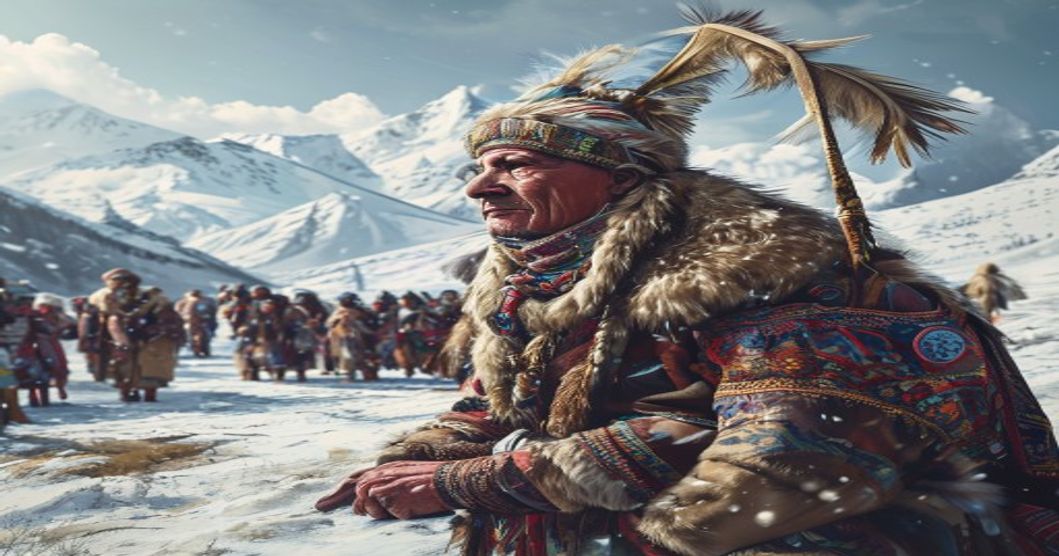
The Future of Sami Culture in a Globalized World
Globalization exerts continuous pressure on Sami cultural continuity, yet it simultaneously generates unprecedented mechanisms for preservation and adaptation. The core tension lies between external economic integration and the protection of indigenous land rights, particularly concerning reindeer husbandry zones across Norway, Sweden, Finland, and Russia. Climate-driven shifts in snowpack and vegetation patterns disrupt traditional migration routes, forcing communities to modernize livestock management while maintaining ancestral ecological knowledge. Legal frameworks such as the Nordic Sami Conventions and rulings by national supreme courts have gradually recognized co-management rights over natural resources, creating a foundation for cultural resilience.
Digital infrastructure now serves as a critical preservation tool. High-resolution mapping projects document seasonal pastures, while open-access archives store thousands of hours of joik recordings and dialect variations that previously faced extinction. Educational initiatives leverage virtual classrooms to connect dispersed youth with elder knowledge keepers, ensuring linguistic transmission outside formal institutional boundaries. Simultaneously, cultural commodification risks diluting authentic practices; however, community-led cooperatives in northern Scandinavia have established certification standards for duodji artisans, guaranteeing economic returns remain within indigenous networks.
- Land rights litigation consistently shapes policy outcomes, with recent tribunal decisions mandating impact assessments before renewable energy projects intersect traditional grazing territories.
- Cross-border Sami councils coordinate language revitalization programs, standardizing orthographic materials and funding mobile literacy workshops in remote municipalities.
- Indigenous tourism certifications require direct community oversight, preventing cultural appropriation while generating sustainable revenue streams for cultural centers and museums.
Institutional support from Scandinavian governments remains uneven, often prioritizing economic development over constitutional protections. Nevertheless, grassroots organizations have filled regulatory gaps by establishing seed banks for traditional fodder crops, mentoring young herders in GPS-assisted herd tracking, and lobbying international bodies like the UN Permanent Forum on Indigenous Issues. The trajectory of Sami cultural survival depends less on isolation and more on strategic integration: leveraging global platforms for legal advocacy, embedding indigenous knowledge systems into climate adaptation models, and maintaining economic sovereignty through culturally grounded enterprises.
Historical Foundations and Cultural Resilience
The Sámi people occupy a vast circumpolar territory spanning northern Norway, Sweden, Finland, and Russia’s Kola Peninsula, with archaeological evidence confirming continuous settlement patterns across the Boreal and Tundra zones for over ten millennia. Traditional livelihoods were structured around precise ecological adaptations: inland communities managed semi-domesticated reindeer caribou across seasonal pastures, coastal groups relied on marine resources and freshwater fishing, while forest-dwellers engaged in hunting and trapping. This geographical diversity fostered seven distinct Sámi languages, each preserving unique lexical frameworks for tracking animal behavior, weather patterns, and terrain navigation that modern linguistics continues to document.
European state-building processes initiated during the 1700s systematically targeted indigenous autonomy. Scandinavian monarchies implemented settlement policies that restricted mobile pastoralism to streamline tax collection and border control. Lutheran missions banned joik performances, classifying them as pagan practices despite their function as oral archives containing clan lineages, migration routes, and spiritual cosmology. The late nineteenth century introduced compulsory schooling where children faced corporal punishment for speaking native tongues, creating deliberate linguistic rupture across generations.
- Land dispossession: Colonial forestry and mining concessions dismantled communal grazing corridors, forcing pastoral communities into sedentary settlements.
- Administrative suppression: Government registries replaced kinship-based governance with bureaucratic oversight, eroding traditional dispute resolution mechanisms.
- Economic marginalization: State monopolies controlled reindeer meat distribution and handicraft markets, limiting financial independence for Sámi producers.
Cultural endurance emerged through covert preservation networks. Elders transmitted ecological knowledge during winter gatherings, while duodji artisans maintained tool-making techniques that optimized survival in subarctic conditions. The twentieth century witnessed organized resistance when Sámi activists documented language loss rates and lobbied international bodies for indigenous recognition. Contemporary institutional frameworks now operate alongside ancestral practices, demonstrating how historical pressure catalyzed adaptive cultural continuity rather than assimilation.
Modern Economic Shifts and Traditional Livelihoods
The integration of Sami communities into global market dynamics has fundamentally altered the economic foundation of traditional livelihoods. Reindeer herding, historically sustained by seasonal migration patterns and communal labor structures, now operates within a framework of strict national regulations, fluctuating meat prices, and climate-induced pasture degradation. Temperature inversions create impermeable ice layers over lichen beds, forcing herders to purchase supplementary feed or reduce flock sizes to maintain ecological balance. This environmental pressure intersects with commercial demands, where large-scale operators prioritize volume and supply chain efficiency over sustainable grazing cycles and rotational land use.
Simultaneously, the commercialization of indigenous tourism has created both revenue streams and structural dependencies. Many Sami entrepreneurs now operate guided wildlife safaris, cultural workshops, and accommodation services that cater to international visitors seeking authentic experiences. While this sector generates employment in remote northern municipalities, it often fragments traditional knowledge transmission by prioritizing performative elements over deep ecological understanding. The duodji handicraft industry has similarly adapted through e-commerce platforms and certified authenticity labels, enabling artisans to bypass regional middlemen and reach global buyers directly while protecting design intellectual property.
- National subsidy programs in Scandinavia provide direct income support but frequently tie funding to production metrics rather than cultural continuity or ecological stewardship
- Land use conflicts with forestry, mining concessions, and wind farm installations restrict access to historical grazing corridors, berry harvesting grounds, and spawning rivers
- Digital marketplaces and social media enable younger generations to monetize traditional skills while maintaining direct consumer relationships and transparent pricing structures
Economic resilience now depends on hybrid models that merge ancestral practices with contemporary business frameworks. Cooperative ownership structures allow herding families to pool resources for veterinary care, transportation, and processing facilities without surrendering decision-making autonomy to external corporations. Educational initiatives in northern universities increasingly integrate indigenous ecological knowledge with modern supply chain management, preparing students to navigate certification requirements, export regulations, and cross-border trade agreements. The long-term viability of Sami economies hinges on recognizing cultural capital as a measurable economic asset rather than treating tradition as a static heritage exhibit.
Linguistic Preservation and Educational Integration
The survival of Sami linguistic heritage depends on systematic educational integration and community-driven documentation efforts that counteract centuries of assimilation policies. With approximately a dozen distinct Sami languages still spoken across Norway, Sweden, Finland, and Russia, each variant carries unique phonological structures, grammatical cases, and ecological vocabulary directly tied to reindeer husbandry, coastal navigation, and forest ecology. When these lexical systems disappear, entire knowledge frameworks regarding land management, seasonal migration patterns, and traditional craftsmanship vanish alongside them.
Educational institutions in the Nordic countries have increasingly adopted bilingual curriculum models that embed Sami languages into core subjects rather than isolating them as elective courses. Teacher preparation programs now require specialized certification in language revitalization methodologies, including immersion techniques and phonetic transcription training. School districts in Finnmark and Tromsø have implemented content-and-language-integrated learning frameworks where mathematics, natural sciences, and history are taught through Sami instructional materials, reinforcing academic vocabulary while maintaining linguistic continuity.
- Digital archiving projects utilize speech recognition algorithms to map dialectal variations across remote reindeer-herding communities
- Mobile learning applications provide interactive grammar exercises calibrated to CEFR proficiency levels for indigenous language learners
- Interdisciplinary research partnerships between universities and Sámi parliaments develop standardized orthographic guides for historically oral traditions
Funding mechanisms from national education ministries and European regional development programs now prioritize sustainable pedagogical infrastructure over short-term documentation campaigns. Local governments allocate resources for community language nests, mentorship networks connecting elder speakers with certified educators, and digital publishing platforms that distribute peer-reviewed Sami academic journals. These structural interventions demonstrate how linguistic preservation operates not as archival nostalgia but as active institutional practice embedded in contemporary educational delivery systems.
Digital Tools for Language Revitalization
Digital infrastructure has become the primary engine for Sámi language revival, replacing traditional isolation with networked preservation strategies. Mobile applications developed by indigenous collectives now deliver interactive grammar exercises, audio pronunciation libraries, and contextual vocabulary tailored to specific dialects such as North Sámi, Inari Sámi, and Skolt Sámi. These platforms leverage crowdsourced recordings from elder speakers to train low-resource natural language processing models, enabling real-time translation and speech recognition that previously required extensive funding and linguistic documentation.
- Community-Managed Corpora: Collaborative annotation interfaces allow fluent speakers to tag phonetic variations, grammatical cases, and regional lexicons, creating dynamic datasets that adaptive learning algorithms continuously optimize.
- AI-Assisted Documentation: Machine translation engines trained on parallel Sámi-European texts reduce transcription bottlenecks while maintaining dialect-specific orthographic standards through rule-based post-editing layers.
- Cross-Platform Content Distribution: Open API integrations enable indigenous creators to synchronize podcasts, lyric databases, and educational modules across streaming services without proprietary ecosystem lock-in.
Social media ecosystems function as informal classrooms where youth generate memes, music videos, and daily vlogs exclusively in Sámi languages, creating organic usage patterns that classroom instruction alone cannot sustain. Educational institutions integrate virtual reality environments to simulate traditional reindeer herding routes and coastal fishing practices, embedding linguistic terms within immersive cultural contexts. Algorithmic recommendation systems on mainstream platforms occasionally amplify indigenous content when creators employ strategic tagging and cross-community collaboration, though inconsistent moderation policies often fragment visibility. Data scarcity remains the most persistent technical barrier; limited corpora force developers to rely on transfer learning and synthetic data generation, which sometimes introduces dialectal homogenization. Digital literacy disparities across Sápmi regions further complicate equitable access, requiring offline-first design architectures and satellite internet partnerships. Sustainable revitalization depends on open-source licensing frameworks that prevent corporate extraction of indigenous intellectual property while funding continuous model retraining through grassroots grants. The convergence of participatory technology development and linguistic documentation establishes a resilient foundation for intergenerational transmission in increasingly homogeneous digital landscapes.
Indigenous Pedagogy in Formal Academic Systems
Formal academic institutions have historically operated within standardized frameworks that prioritize Western epistemologies, often sidelining Indigenous knowledge systems. Within the Sami context, this tension manifests in classroom structures that rarely accommodate place-based learning, oral transmission methods, or ecological literacy rooted in reindeer herding traditions. Integrating Sámi pedagogy requires dismantling rigid curricular boundaries and establishing academic spaces where land functions as a primary textbook.
Educational frameworks successfully merging Indigenous methodologies with formal schooling consistently demonstrate three structural adaptations. First, bilingual instruction protocols must transition from tokenistic language preservation to active cognitive development across disciplines. Second, assessment models need revision to recognize non-linear knowledge acquisition, where practical competence in seasonal land management holds equal academic weight to written examinations. Third, faculty development programs must incorporate community elder partnerships, ensuring that teaching methodologies reflect intergenerational wisdom rather than isolated institutional expertise.
- Curriculum Localization: Mathematics and natural sciences gain contextual relevance when taught through traditional navigation techniques, meteorological observation patterns, and sustainable grazing mathematics.
- Language Immersion Pathways: Structured exposure to North, South, and Lule Sámi dialects within STEM and humanities departments prevents linguistic erosion while expanding cognitive flexibility among students.
- Land-Based Learning Modules: Academic calendars must align with ecological cycles rather than arbitrary fiscal quarters, enabling hands-on instruction during critical seasonal transitions like calving periods or snowpack assessment windows.
Institutional resistance typically stems from accreditation requirements that demand quantifiable metrics and standardized testing outcomes. Overcoming this barrier requires policymakers to recognize Indigenous knowledge as a rigorous academic discipline rather than supplementary cultural content. Universities in Scandinavia have begun establishing Sámi-focused research centers that validate traditional ecological knowledge through peer-reviewed methodologies, bridging the gap between ancestral practice and contemporary scholarship. When formal education systems genuinely incorporate these pedagogical shifts, student retention rates improve, cultural continuity strengthens, and academic environments become more equitable for marginalized communities.
Media Representation and Digital Archiving
The visibility of Sami traditions through contemporary media has shifted from marginalization to active cultural assertion. Historically, mainstream outlets framed Sami identity through romanticized or exotic lenses, often omitting linguistic nuance and regional diversity. Digital platforms have dismantled these barriers, enabling Sami creators to distribute content directly to global audiences. YouTube channels dedicated to joik performance, independent podcasts documenting reindeer husbandry practices, and streaming documentaries produced by the Sámi Broadcasting Corporation demonstrate how algorithmic distribution can amplify indigenous narratives without editorial filtering.
Digital archiving operates as both preservation infrastructure and cultural sovereignty mechanism. Community-driven repositories now host high-resolution ethnographic photographs, dialect-specific audio recordings, and digitized manuscripts that previously remained inaccessible outside academic institutions. These databases utilize standardized metadata frameworks aligned with UNESCO guidelines, ensuring search engines index the material accurately for researchers and diaspora communities. Machine learning models trained on Sami phonetics are currently being deployed to auto-transcribe oral histories while maintaining grammatical integrity across North Sámi, Lule Sámi, and South Sámi dialects.
Strategic implementation of digital preservation requires balancing accessibility with cultural protocols. Several initiatives embed traditional knowledge labels directly into file metadata, restricting commercial reuse while permitting educational distribution. Virtual reality reconstructions of seasonal migration routes and interactive web archives mapping historical land boundaries provide immersive educational tools that satisfy user engagement metrics without compromising sacred content. When media representation aligns with precise digital cataloging, search algorithms prioritize authentic sources over generalized indigenous content, establishing long-term domain authority for culturally verified information networks.
- Schema markup deployment for dialect-specific audio and regionally accurate visual documentation
- Traditional knowledge labels integrated into file metadata to control commercial licensing
- Algorithmic bias mitigation through geotagged linguistic datasets and creator-verified sourcing
Community-Controlled Documentation Platforms
Community-controlled documentation platforms fundamentally restructure archival authority by transferring curation rights from external academic institutions directly into Sami hands. These digital frameworks utilize decentralized architectures where data sovereignty remains strictly localized within community networks. Historical repositories frequently extracted linguistic fragments, audio recordings, and craft patterns without negotiated consent or ongoing oversight. Contemporary platform design corrects this imbalance through granular access controls that allow elders and knowledge holders to dictate exactly which materials remain public, restricted, or entirely private. Metadata schemas now prioritize indigenous classification systems over Western taxonomies, ensuring that ecological knowledge, seasonal terminology, and kinship networks are cataloged according to Sami epistemological standards rather than colonial frameworks. Technical implementation relies on open-source tools specifically adapted for multilingual support, optimized for the phonetic complexity of North, South, and Inari Sami dialects. Community moderators maintain editorial oversight through consensus-driven workflows that prevent algorithmic distortion or commercial exploitation of sacred narratives. Digital literacy initiatives accompany platform deployment, systematically training younger generations in archival curation, semantic tagging, and cybersecurity practices tailored to cultural data protection.
- Dynamic Consent Protocols: Real-time permission management that allows contributors to modify access levels as cultural contexts shift.
- Dialect-Specific Encoding: Custom character mapping systems that preserve phonetic nuances across geographically dispersed Sami communities.
- Decentralized Storage Networks: Distributed server architecture that eliminates single points of failure and prevents external corporate data harvesting.
Funding mechanisms bypass traditional grant structures by utilizing cooperative governance models where revenue from educational licenses, academic partnerships, and cultural tourism interfaces flows directly into community-managed servers. Cross-border collaboration between Sami parliaments accelerates standardization efforts while preserving regional dialectal distinctions. Version control systems track every modification, creating an immutable ledger that verifies authenticity and prevents unauthorized alterations. Interoperability standards enable seamless data exchange with neighboring indigenous networks while maintaining strict jurisdictional boundaries. Continuous stress testing ensures platform stability during peak academic access periods without compromising native encryption layers. This model establishes a resilient digital ecosystem that actively resists cultural homogenization by embedding indigenous governance principles into the core architecture of preservation technology.
Combating Cultural Stereotypes in Global Content
Global media ecosystems consistently compress complex indigenous realities into recognizable tropes, reducing the Sami to reindeer herders in traditional duodji garments or mystical Arctic figures detached from contemporary urban life. This flattening occurs because algorithmic recommendation systems prioritize high-engagement visual shorthand over nuanced cultural documentation. When content creators rely on established visual and narrative templates, they inadvertently reinforce historical power imbalances that have long marginalized Sami voices. Authentic representation requires dismantling the assumption that indigenous cultures exist only in archival or folkloric contexts. Modern Sami communities actively engage in technology development, contemporary art, legislative advocacy, and climate science, yet these realities rarely surface in mainstream global content pipelines.
The persistence of cultural stereotypes stems from structural gaps in editorial workflows and metadata classification. Search algorithms group indigenous subjects under broad geographic or anthropological categories rather than specific linguistic or socio-political frameworks. This misclassification drives homogenized search results that favor colonial-era imagery over contemporary documentation. Correcting this demands systematic intervention across content production, platform governance, and digital archiving. Creators must adopt community-led verification protocols before publishing material that references Sami traditions, languages, or spiritual practices. Editorial teams should implement dynamic keyword mapping that distinguishes between historical documentation and current cultural expression. Platforms need to recalibrate recommendation engines to prioritize creator authenticity scores over engagement velocity.
- Co-Creation Mandates: Require direct partnership agreements with Sami media cooperatives, educational institutions, and cultural heritage boards before producing content that features indigenous narratives.
- Metadata Standardization: Implement structured data schemas that tag language variants (North, South, Inari, Skolt), regional distinctions, and contemporary versus historical context to prevent algorithmic misgrouping.
- Algorithmic Transparency Audits: Publish quarterly bias reports detailing how recommendation systems classify indigenous content, with independent oversight from Saami Council-affiliated digital governance bodies.
- Editorial Decolonization Training: Mandate certification programs for journalists, documentary filmmakers, and AI training data curators that focus on Indigenous research methodologies, consent frameworks, and linguistic accuracy.
Sustainable representation depends on shifting from extraction-based content models to reciprocity-driven digital ecosystems. When global platforms treat Sami culture as living intellectual property rather than public domain folklore, algorithmic amplification naturally aligns with community-defined priorities. This transition requires sustained investment in Sami-led digital archives, multilingual content distribution networks, and cross-border educational partnerships that prioritize epistemic sovereignty over visual novelty.
Policy Frameworks and Indigenous Sovereignty
Navigating the intersection of state governance and Sami self-determination requires examining how statutory instruments translate into tangible autonomy. The legal architecture surrounding indigenous rights in Scandinavia operates through a combination of international treaties, constitutional provisions, and specialized domestic legislation. International frameworks such as the United Nations Declaration on the Rights of Indigenous Peoples establish baseline standards for free, prior, and informed consent, yet national implementation varies significantly across borders. Norway’s Finnmark Act transferred ownership of approximately ninety-five percent of the county’s land to a local foundation governed by joint state-Sami boards, creating a novel model for communal land management. Sweden relies on the Reindeer Pastoral Act to delineate grazing territories, though enforcement often clashes with mining concessions and infrastructure development. Finland’s Sami Parliament holds consultative authority over cultural matters and language policy, but lacks binding legislative power over resource extraction or territorial planning.
- Nordic Sami Conventions: Ratified by Norway, Sweden, and Finland, these agreements mandate government consultation on matters affecting reindeer herding, land use, and cultural preservation.
- Land Tenure Mechanisms: Communal property models and co-management boards replace traditional state monopoly, shifting decision-making authority to indigenous councils.
- Resource Rights Allocation: Hydroelectric projects, wind farms, and mineral exploration require environmental impact assessments that increasingly incorporate Sami ecological knowledge.
Globalization intensifies pressure on these frameworks as external capital seeks access to Arctic infrastructure corridors and renewable energy sites. Policy enforcement frequently fractures when economic development mandates override customary grazing routes or sacred landscapes. Sovereignty therefore depends less on legislative recognition than on operational capacity, funding allocation, and judicial independence. Courts in Oslo, Stockholm, and Helsinki have progressively acknowledged historical land use patterns, yet appeals remain protracted and legally complex. Legislative amendments in Oslo and Stockholm now require mandatory Sami representation on regional planning committees, though funding disparities limit practical influence. Sustainable policy evolution demands explicit integration of Sami governance structures into national environmental planning, education curricula, and municipal budgeting. Without binding enforcement clauses and dedicated indigenous oversight committees, statutory recognition remains procedural rather than substantive. The trajectory of Sami cultural continuity hinges on translating constitutional language into enforceable territorial control and economic self-sufficiency.
Legal Protections Across Northern Border Regions
Legal frameworks governing Sami territories span multiple jurisdictions, each operating under distinct constitutional and international obligations. Norway incorporated the ILO Convention No. 169 into domestic law in 1990, establishing explicit rights to land and water for reindeer husbandry. The Finnmark Act of 2005 transferred ownership of approximately ninety-five percent of county lands to the Finnmark Estate, requiring joint management between the state and the Sami Parliament. Sweden lacks formal ratification of ILO Convention 169 but maintains constitutional recognition of the Sami as an indigenous people with minority status under Chapter One, Section Two of its Basic Laws. Swedish courts have progressively interpreted property rights through the precedent set by the Skattefjäll decision in 2020, which reinforced collective grazing rights despite historical state dominance.
- Finland ratified ILO Convention 169 in 1990 but limits Sami land claims to specific reindeer husbandry districts, restricting broader territorial autonomy.
- The Finnish Sami Language Act of 2003 grants official status in northern municipalities, enabling administrative services and educational materials in Northern Sami, Inari Sami, and Skolt Sami.
- Russia presents a divergent framework; while the Russian Constitution recognizes indigenous minorities, practical enforcement remains inconsistent, with federal laws prioritizing resource extraction over cultural preservation.
Cross-border coordination occurs through the Nordic Sami Council and the Barents Euro-Arctic Council, though these bodies lack binding legislative authority. International instruments such as the UN Declaration on the Rights of Indigenous Peoples provide normative guidance, yet domestic implementation varies significantly across each jurisdiction. Judicial activism in Scandinavian constitutional courts has gradually expanded legal standing for Sami communities, particularly regarding environmental impact assessments and traditional livelihood protections. Land titling mechanisms remain fragmented, with overlapping claims between state forestry agencies, municipal governments, and indigenous assemblies creating administrative complexity.
Recent legislative amendments in Norway and Sweden focus on strengthening consultation protocols prior to infrastructure development, aligning national statutes with free, prior, and informed consent standards. Consultation mandates now require explicit documentation of traditional ecological knowledge during impact evaluations, reducing procedural gaps that previously favored corporate applicants. Financial compensation structures for restricted grazing zones have also been standardized through joint administrative boards in Sweden and Norway, creating predictable revenue streams for community-led conservation initiatives.
International Rights Mechanisms and Cultural Autonomy
International legal frameworks have fundamentally reshaped the trajectory of Sami cultural preservation by establishing binding standards for indigenous self-determination. The United Nations Declaration on the Rights of Indigenous Peoples explicitly recognizes collective rights to maintain, control, and transmit cultural heritage across generations. This declaration operates alongside International Labour Organization Convention No. 169, which mandates state consultation protocols before approving development projects affecting traditional territories. These instruments collectively dismantle historical assimilation policies and replace them with legally enforceable autonomy provisions.
Sami political representation now functions through constitutionally recognized Sami Parliaments in Norway, Sweden, and Finland. These bodies exercise advisory authority over language planning, educational curricula, and reindeer husbandry regulations. Educational institutions increasingly implement mother-tongue instruction across all proficiency levels, while public broadcasting networks maintain dedicated Sámi-language channels that counter digital homogenization. Land tenure mechanisms grant co-management rights over sacred sites, traditional grazing corridors, and sustainable harvesting zones, ensuring economic activities align with ecological knowledge systems passed down through generations.
- Archival standards for language documentation enable systematic preservation of endangered Sámi dialects
- Judicial precedents from the European Court of Human Rights consistently invalidate state infrastructure projects that violate consultation obligations
- Nordic intergovernmental councils coordinate cross-border cultural funding streams that sustain traditional crafts and contemporary artistic expression
Globalization introduces complex pressures through transnational corporate extraction, climate-driven ecological shifts, and algorithmic media dominance. International monitoring bodies continuously track compliance gaps, while indigenous legal advocates utilize strategic litigation to enforce treaty obligations. Cultural autonomy now requires adaptive governance models that integrate traditional ecological knowledge with contemporary environmental regulations. Sustainable resource management frameworks increasingly incorporate Sámi seasonal calendars and biodiversity mapping techniques into national conservation strategies. Digital sovereignty initiatives protect linguistic databases and cultural archives from commercial exploitation while enabling diaspora communities to participate in cultural transmission through encrypted educational platforms.
Youth Engagement and Intergenerational Knowledge Transfer
The rapid acceleration of digital connectivity and cultural homogenization presents both unprecedented opportunities and structural threats to Sámi heritage preservation. Young Sámi individuals navigate a dual reality: they are deeply embedded in global digital ecosystems while simultaneously facing pressure to assimilate into dominant linguistic and economic frameworks. Successful transmission of ancestral knowledge now depends on deliberate, structured mentorship models that bridge traditional land-based practices with contemporary educational infrastructure. Elders possess irreplaceable expertise in reindeer husbandry, joik vocalization, duodji craftsmanship, and ecological forecasting, yet these competencies require systematic documentation and adaptive teaching methodologies to remain viable outside isolated rural communities.
- Digital archives now integrate interactive mapping tools that allow younger generations to geo-tag historical migration routes, record elder narratives in Sámi languages, and reconstruct seasonal calendars using real-time climate data.
- Community-led digital platforms facilitate peer-to-peer skill exchange through modular learning paths focused on language revitalization, sustainable resource management, and indigenous media production.
- These environments deliberately dismantle hierarchical knowledge structures by positioning youth as co-creators rather than passive recipients, fostering ownership over cultural continuity.
Effective intergenerational transmission requires institutional support that aligns with Sámi pedagogical principles. Mentorship programs pair adolescents with experienced herders and artisans for extended seasonal residencies, where tacit knowledge transfers through observation, hands-on repetition, and contextual storytelling. Academic institutions increasingly collaborate with Sámi parliaments and cultural centers to develop credit-bearing curricula that recognize non-formal learning outcomes. Financial grants specifically target youth-led documentation projects, ensuring that digital preservation efforts remain governed by indigenous data sovereignty protocols rather than external research agendas.
Implementation requires standardized metadata frameworks that catalog oral histories, textile patterns, and seasonal harvesting techniques according to FAIR data principles while respecting Sámi community governance protocols. Training programs must simultaneously address technical literacy in digital archiving, audiovisual recording, and blockchain-based provenance tracking, ensuring that cultural assets remain accessible yet protected from commercial extraction.
Despite these frameworks, systemic barriers persist. Urban migration fragments community cohesion, while standardized national education systems often marginalize Sámi epistemologies in favor of universalized competencies. Language attrition remains the most critical vulnerability; without daily functional use across domestic and professional spheres, fluency declines rapidly among younger cohorts. Sustainable recovery demands polycentric governance models that integrate traditional land rights, digital infrastructure investment, and cross-border Sámi cooperation. When youth actively design preservation strategies rooted in ancestral logic while leveraging modern connectivity, cultural resilience transitions from reactive conservation to proactive evolution.
Digital Storytelling and Social Media Advocacy
Indigenous communities across the Arctic are leveraging digital platforms to reclaim narrative control, bypassing traditional gatekeepers who historically marginalized Sami heritage. High-resolution photography archives, interactive language mapping tools, and podcast networks now serve as primary conduits for transmitting joik traditions, reindeer husbandry techniques, and seasonal migration patterns to global audiences. These digital repositories function not merely as storage but as active educational ecosystems that adapt content formats according to regional dialects and youth engagement metrics.
Social media advocacy operates through coordinated hashtag campaigns, algorithmic optimization strategies, and cross-platform content distribution networks. Creators utilize short-form video architectures to demonstrate traditional craftsmanship while embedding contextual metadata that improves searchability across international databases. Algorithmic visibility remains contingent upon consistent engagement signals, prompting cultural practitioners to develop content calendars aligned with platform-specific ranking factors. Collaborative amplification occurs through strategic partnerships with environmental organizations, indigenous rights advocates, and educational institutions that share overlapping audience demographics.
Implementation frameworks require careful navigation of platform governance policies and data sovereignty protocols. Communities establish independent digital infrastructure to maintain ownership over archival materials while utilizing third-party networks for distribution reach. Key operational priorities include:
- Platform Algorithm Adaptation: Optimizing content structure to satisfy engagement thresholds without compromising cultural authenticity or sacred restrictions.
- Intergenerational Knowledge Transfer: Deploying gamified language applications and virtual reality simulations that allow younger demographics to practice traditional skills in immersive environments.
- Economic Sustainability Models: Developing direct-to-consumer marketplaces for authentic textiles, acoustic recordings, and educational workshops while implementing transparent revenue-sharing mechanisms.
- Moderation & Representation Policies: Establishing community-led content guidelines that prevent cultural appropriation, misattribution, or algorithmic bias from distorting indigenous narratives.
Sustained visibility depends on continuous content iteration, cross-platform syndication strategies, and data-driven audience segmentation. Communities track retention rates, share velocity, and conversion metrics to refine distribution tactics. When execution aligns with platform requirements and cultural preservation objectives, digital advocacy generates measurable outcomes including increased language fluency among youth, expanded academic research funding, and policy advocacy momentum at international forums.
Environmental Challenges and Territorial Adaptation
Climate change accelerates permafrost degradation across northern Fennoscandia
Climate Impact on Reindeer Migration Routes
Rising temperatures across the Arctic and sub-Arctic zones have fundamentally altered precipitation patterns, directly disrupting centuries-old reindeer migration corridors. Warmer autumns produce more frequent freeze-thaw cycles, creating impenetrable layers of ice over lichens, the primary winter forage. This phenomenon, known as rain-on-snow, forces herds to expend critical energy reserves attempting to dig through crusts or leads to widespread starvation. Migration routes that once followed predictable seasonal gradients now require adaptive recalibration by Sami reindeer herders who monitor satellite telemetry and historical grazing data to identify viable alternatives.
Altered snowpack depth affects calf survival rates, as deep, loose snow facilitates movement while dense, wind-packed snow impedes it. Shifts in vegetation phenology create mismatches between calving seasons and peak nutrient availability, reducing herd resilience. Herders now navigate fragmented pastures divided by expanding forestry operations, mining infrastructure, and renewable energy projects that compound climate stressors. Real-time weather monitoring systems and drone-based pasture assessments supplement traditional ecological knowledge, enabling dynamic route adjustments before ice layers form.
- Implementing rotational grazing schedules that align with microclimate variations across altitudinal gradients to prevent overgrazing in vulnerable transition zones.
- Integrating indigenous forecasting methods with meteorological models to predict freeze-thaw events and adjust herd movements proactively.
- Advocating for land-use zoning that preserves ecological corridors critical for seasonal movement, ensuring connectivity between lowland winter pastures and highland summer grazing areas.
The convergence of rapid climatic shifts and infrastructural expansion demands coordinated policy frameworks that recognize migratory pathways as living ecological networks rather than static geographic lines. Herders combine historical route mapping with contemporary soil moisture sensors to identify optimal foraging windows, minimizing energy depletion during extreme weather events. Long-term survival of these pastoral systems depends on preserving landscape permeability while adapting herding protocols to increasingly volatile atmospheric conditions.
Sustainable Resource Management and Land Rights
Traditional Sami resource management operates through cyclical land-use systems that synchronize human activity with ecological thresholds. Reindeer herding dictates seasonal movement across vast territories, with pastures rotated to allow lichen regeneration and soil recovery. This rotational framework functions as a built-in conservation mechanism, maintaining grazing capacity while preserving wetland hydrology and forest understory composition. Globalized economic models frequently impose linear extraction timelines that conflict with these biological cycles. Commercial mining operations, industrial logging, and wind farm installations overlap ancestral migration corridors, fragmenting habitats and altering water drainage patterns critical to pasture restoration.
Nordic legal frameworks address Sami territorial claims through varying standards of customary law recognition. Norway, Sweden, and Finland apply distinct statutory approaches to historical occupancy and resource access rights. ILO Convention 169 establishes binding consultation requirements for indigenous communities before state-approved developments proceed on traditional grounds. Domestic court decisions have increasingly mandated impact assessments that evaluate cumulative effects on grazing routes and calving zones. These rulings create procedural co-management structures rather than unconditional land transfer, requiring regulatory agencies to incorporate indigenous monitoring data into zoning decisions.
- Traditional Ecological Indicators: Snow depth analysis, vegetation phenology tracking, and weather pattern interpretation establish grazing density limits and migration timing adjustments.
- Joint Regulatory Mechanisms: Co-governance committees enable Sami representatives to approve or modify infrastructure plans, wildlife quotas, and forestry harvest boundaries.
- Climate Response Protocols: Altered precipitation cycles and unpredictable ice formation necessitate dynamic land-use policies that accommodate rapid environmental shifts without abandoning historical routes.
Modern resource governance requires alignment between statutory conservation targets and indigenous stewardship practices. When community-collected spatial data informs national environmental assessments, policy outcomes reflect localized ecological limits rather than generalized models. Mapping initiatives document historical use sites, critical nesting areas, and sacred landscapes, creating geospatial datasets that reinforce territorial claims during licensing disputes. Sustainable extraction agreements increasingly incorporate revenue-sharing structures that fund language documentation programs, vocational training for youth, and maintenance of snowmobile trails and storage facilities in remote settlements.
Strategic Pathways for Cultural Continuity
Preserving Sami cultural continuity requires coordinated interventions that bridge traditional practices with modern infrastructure. Digital archiving initiatives must prioritize high-resolution documentation of joik vocal traditions, duodji craftsmanship, and seasonal reindeer migration patterns. Machine learning models trained on authentic linguistic corpora can assist in developing interactive language-learning platforms that adapt to regional dialect variations across Sápmi.
- Establish cross-border research consortia connecting Finnish, Norwegian, Swedish, and Russian institutions to standardize metadata protocols for indigenous heritage databases.
- Implement blockchain-verified provenance tracking for traditional textile patterns and carving motifs to prevent cultural appropriation while ensuring fair economic returns.
- Deploy community-driven mobile applications that map ancestral grazing routes using GIS data synchronized with elder knowledge holders.
Educational frameworks must transition from assimilationist models to competency-based curricula where Sami pedagogical principles guide instruction design. Schools in Sápmi regions should integrate place-based learning modules that align academic standards with traditional ecological knowledge. Teacher certification programs require mandatory immersion components in reindeer husbandry, seasonal resource management, and oral history transmission techniques.
Economic sustainability strategies must decouple cultural preservation from commodification pressures. Cooperative enterprise models can channel tourism revenues directly into language nests, artisan guilds, and media production studios. Municipal budgeting frameworks should allocate fixed percentages of development grants toward heritage infrastructure upgrades, including climate-resilient storage facilities for archival materials and solar-powered broadcasting stations for indigenous radio networks.
Institutional funding architectures must bypass bureaucratic fragmentation through dedicated cultural continuity trusts. These entities require independent audit cycles, transparent allocation algorithms, and quarterly impact assessments measuring language retention rates, craft revival metrics, and youth participation indices. Governance boards should mandate indigenous majority representation alongside technical experts in archival science, digital rights management, and sustainable finance.
Cross-Sector Collaboration Models
Preserving and evolving Sami cultural heritage within a globalized framework requires structured partnerships that transcend traditional institutional boundaries. Cross-sector collaboration models function as the architectural blueprint for this preservation, integrating policy frameworks, academic research, technological innovation, and community-driven initiatives into cohesive operational systems.
- Governance and Policy Alignment: National governments and regional administrative bodies establish legislative foundations that mandate cultural impact assessments for development projects. These frameworks allocate targeted funding streams while enforcing compliance with indigenous rights conventions.
- Academic and Research Institutions: Universities and specialized research centers develop standardized documentation protocols, linguistic databases, and historical archives. They provide methodological rigor, peer-reviewed validation, and long-term storage solutions that prevent cultural data fragmentation.
- Technology and Private Enterprise: Digital infrastructure companies, software developers, and sustainable tourism operators create scalable platforms for language revitalization, virtual heritage mapping, and ethical commercialization. Revenue-sharing agreements and co-ownership structures ensure economic benefits remain within Sami communities.
- Indigenous Networks and Nonprofit Organizations: Grassroots associations coordinate knowledge transfer between generations, facilitate community workshops, and establish governance councils that prioritize cultural authenticity over external representation.
Effective collaboration relies on shared data architectures, transparent intellectual property agreements, and participatory design methodologies. When sectors operate in silos, cultural narratives become diluted or commodified. Integrated models mitigate this risk through joint steering committees, standardized ethical guidelines, and continuous feedback loops that prioritize community consent at every development stage.
- Joint Funding Mechanisms:
Ethical Commerce and Cultural Economy Development
The integration of ethical commerce into Sami economic frameworks requires a deliberate shift from extractive trade models to community-controlled value chains. Traditional duodji artisans and reindeer herders face persistent challenges in global markets, where mass-produced imitations dilute cultural authenticity and suppress fair pricing mechanisms. Establishing transparent supply networks that trace goods from source to consumer ensures revenue flows directly to indigenous producers while preserving the ecological knowledge embedded in seasonal harvesting practices.
- Intellectual Property Safeguards: Implementing collective trademark systems protects Sami symbols, patterns, and naming conventions from unauthorized commercial exploitation by external corporations.
- Fair Trade Certification Adaptation: Developing region-specific certification protocols allows Duodji cooperatives to verify authenticity, maintain pricing floors, and access premium international markets without compromising traditional craftsmanship standards.
- Community-Owned Digital Platforms: Indigenous-led e-commerce ecosystems bypass third-party intermediaries, reducing commission fees while enabling direct storytelling that contextualizes each product’s cultural significance.
Sustainable economic development in Sápmi depends on aligning market expansion with land-use rights and environmental stewardship. Reindeer-derived products, such as cured meats, antler carvings, and hide textiles, require strict traceability to prevent overharvesting and maintain herd sustainability. When commercial enterprises adopt co-management agreements with local grazing districts, profit margins increase while biodiversity thresholds remain intact. Educational initiatives embedded within vocational training programs equip younger generations with dual competencies in traditional craft techniques and modern business analytics, ensuring long-term market resilience.
Globalization often accelerates cultural homogenization, yet strategic commercial positioning can reinforce linguistic vitality and intergenerational knowledge transfer. Revenue generated from ethical commerce funds language revitalization workshops, apprenticeship stipends for master artisans, and digital archives documenting oral histories tied to seasonal trade routes. Financial independence reduces reliance on state subsidies, allowing Sami municipalities to prioritize infrastructure that supports both ecological balance and cultural continuity. Cross-border cooperation between Norwegian, Swedish, Finnish, and Russian indigenous business councils establishes unified standards for labor practices, environmental impact assessments, and revenue distribution models.
“`html
Frequently Asked Questions
What is The Future of Sami Culture in a Globalized World?
The future of Sami culture in a globalized world hinges on the delicate balance between cultural preservation and modern adaptation. As globalization accelerates, the indigenous Sami people—spread across Norway, Sweden, Finland, and Russia—are leveraging digital platforms, international indigenous rights frameworks, and cross-border cooperation to safeguard their language, reindeer herding traditions, joik music, and duodji crafts. The rise of global awareness around indigenous sovereignty has opened new opportunities for cultural exchange and political advocacy, yet challenges such as land dispossession, climate change threatening reindeer pastures, and youth assimilation into dominant cultures remain pressing concerns. Overall, the future depends on sustained legal protections, intergenerational knowledge transfer, and active participation in global indigenous networks.
Key facts about The Future of Sami Culture in a Globalized World
- The Sami have approximately 80,000 to 100,000 members across four countries, with multiple distinct languages, some of which are critically endangered.
- In 2007, the UN Declaration on the Rights of Indigenous Peoples strengthened legal frameworks supporting Sami land and cultural rights globally.
- Sami reindeer herding is classified as a UNESCO Intangible Cultural Heritage practice, highlighting its global significance.
- Digital media platforms such as Sami-language YouTube channels, podcasts, and social media campaigns are driving a cultural renaissance among younger generations.
- The Sámediggi (Sami Parliaments) in Norway, Sweden, and Finland serve as political bodies that negotiate cultural policy and resource rights with national governments.
- Climate change is rapidly altering Arctic ecosystems, directly threatening the traditional livelihoods and seasonal migration routes central to Sami identity.
“`