Reindeer herding isn’t just a job; it’s a lifetime commitment. Sami families rely on their herds for food, clothing, and shelter. The meat provides sustenance, while the hides are turned into beautiful garments. Think of it this way: each reindeer is like a walking supermarket, offering essentials for survival. Plus, these herders have mastered the art of sustainable living—ensuring that their practices not only benefit their families but also protect the environment.
Now, let’s talk economics. Reindeer herding contributes significantly to the Sami economy, generating revenue through meat and other by-products. Tourists flock to see the herds and learn about Sami culture, providing another stream of income. Have you ever thought about how one lifestyle can foster tourism and cultural exchange? It’s like turning your community into a treasure chest that everyone wants a piece of.
Beyond Tradition: Reindeer Herding as the Economic Backbone of Sami Culture
Imagine standing in the vast, snow-covered tundra, surrounded by agile, majestic reindeer roaming freely. For the Sami, these animals are not mere livestock; they symbolize endurance, sustainability, and connection to the land. Herding is about more than just collecting meat, milk, and hides. It’s a lifestyle that shapes their identity and ties generations together. Think of reindeer herding like a finely-tuned orchestra, where every member plays a crucial role. From skilled herders to shifting seasonal pastures, every element harmonizes to sustain the Sami way of life.
Now, let’s break it down a little. The economic impact of reindeer herding extends beyond the immediate benefits. It creates jobs, supports local businesses, and promotes tourism, attracting curious wanderers eager to experience this unique cultural tapestry. Tourists often seek guided herding experiences, immersing themselves in nature while learning from the Sami firsthand. It’s a win-win situation—visitors gain unforgettable memories and the Sami community receives essential support.
Furthermore, reindeer herding contributes to environmental stewardship. The Sami rely on a profound understanding of nature’s rhythms, ensuring that their practices promote biodiversity and ecological balance. You could say that they are custodians of the land, blending tradition with innovation for a sustainable future. So, the next time you hear about reindeer herding, remember, it’s more than just a cultural practice; it’s the heart of an economy, a legacy in motion, and a lifeline for the Sami people.
Reindeer in the Balance: How Herding Shapes the Sami Economy
Herding reindeer is like conducting a complex symphony. Each year, the Sami navigate a delicate balance between their ancient traditions and the pressures of modern economic demands. Have you ever thought about how climate change can turn a conductor’s music into mere cacophony? As temperatures rise, grazing patterns shift, demanding that the Sami adapt their herding strategies. This constant need for adaptation affects not only the reindeer but the entire Sami economy. When herding goes well, it’s like hitting the jackpot; when it falters, it can feel like a sinking ship.
The economic impact of reindeer herding is profound. Each step taken by a reindeer can influence market prices, trade dynamics, and even tourism. Tourists flock to the Arctic, hoping to experience the enchanting beauty of reindeer in their natural habitat. This not only creates jobs but also fosters a deeper understanding of Sami culture. Isn’t it intriguing how a single animal can bridge the gap between ancient traditions and modern economies?
A Sustainable Future: The Economic Impact of Reindeer Herding on Sami Communities
Reindeer herding for the Sami is more than a tradition; it’s a profound relationship with the land. Think of it like a delicate dance: the Sami move with the reindeer across the seasons, ensuring a balance that supports their livelihoods. This practice generates income through tourism, craftsmanship, and sustainable meat production. When tourists flock to witness the stunning landscapes and experience the Sami way of life, they contribute to an economy that thrives on respect for nature. It’s like planting seeds of awareness and appreciation that bloom into economic opportunities.
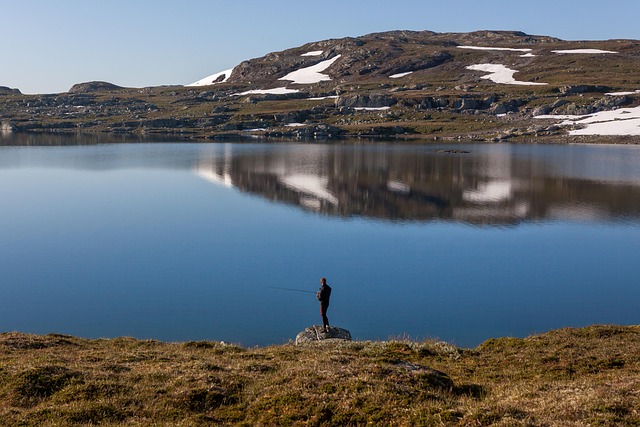
Moreover, the reindeer aren’t just sources of food; they’re part of a broader ecosystem that enhances biodiversity. Each herd helps keep the land healthy, which in turn supports other wildlife and plant species. Imagine if every economic activity could nurture the environment instead of depleting it—that’s the magic of reindeer herding.
What about the younger generation? They’re not just inheriting a tradition; they’re stepping into a role where they can innovate and expand these economic avenues. They’re blending age-old practices with modern techniques, creating a sustainable model that can be a blueprint for other communities. It’s like weaving a vibrant tapestry where every thread adds value, color, and meaning to the larger picture.
From Pasture to Profit: The Role of Reindeer Herding in Sami Economic Resilience
Picture a reindeer, gracefully gliding through a snowy expanse, its antlers glistening like silver under the northern lights. These animals are not just pets; they’re a Pandora’s box of potential. The Sami utilize every part of the reindeer, from meat to hides, creating a diverse range of products that feed their families and fuel local economies. But it doesn’t stop there! The burgeoning market for artisanal goods and experiences—think reindeer-sledding tours or traditional Sami cuisines—has opened new doors for income.
Have you ever considered how much a single reindeer can represent? Each animal is like a walking investment, contributing to income stability and cultural heritage. In times gone by, herding meant survival; today, it’s a fascinating blend of tradition and modernization that keeps Sami communities afloat amid economic challenges. It’s resilience at its finest.
Moreover, the impact extends beyond the individual. Herding connects the Sami to their land and history while also playing a pivotal role in preserving their language and customs. By fostering a deep respect for their environment, they’re protecting not only their way of life but also contributing to biodiversity.
Curious about how this all ties together? The Sami are redefining resilience in the modern age, proving that even in the face of adversity, they can transform challenges into profit. What will they think of next?
Cultural Heritage Meets Commerce: The Financial Significance of Sami Reindeer Herding
Think about it: reindeer herding is deeply rooted in the Sami way of life. It’s about respect for nature, sustainable practices, and a connection to ancestors. But when you peek behind the curtain, you’ll discover that these majestic animals are more than just a cultural symbol—they’re a source of income, too. From meat to hides, and even tourism, the financial opportunities are as plentiful as the snow in the Arctic winter.
Ever wonder how reindeer meat can fetch a high price in gourmet restaurants? This delicacy is not just a culinary treat; it’s a ticket to showcasing the unique Sami culture. Imagine dining on dishes that resonate with stories of the land and its people. Each bite isn’t just delicious; it’s a taste of heritage, making it a sought-after offering in culinary circles.
Moreover, eco-tourism is riding the wave of cultural curiosity. Picture travelers venturing into the Arctic to witness reindeer migration or participating in herding activities. This experience doesn’t just enrich their lives; it provides a substantial financial boost to Sami communities. It creates a symbiotic relationship where culture thrives while also generating revenue.
Reindeers, Resources, and Resilience: Economic Insights from Sami Herding Practices
Imagine living in one of the most challenging climates on Earth, yet finding a way to thrive. That’s precisely what the Sami do! Reindeer herding isn’t just a livelihood; it’s a way of life steeped in tradition and knowledge passed down through generations. These animals are more than just cute faces with antlers; they’re the backbone of a sustainable economy. The Sami utilize almost every part of the reindeer—from the meat that nourishes their families to the fur that keeps them warm during harsh winters. It’s like a treasure chest of resources just waiting to be unlocked.
But here’s where resilience kicks in. The Sami adapt their herding strategies based on environmental changes and market demands, showcasing a dynamic approach to resource management. Think of it like being a surfer, gracefully navigating the ever-changing waves of economic tides. They’re not just herders; they’re environmental stewards who balance their heritage with modern challenges.
Frequently Asked Questions
What Role Do Reindeer Play in Sami Economic Activities?
Reindeer are integral to Sami economic activities, serving as a source of meat, clothing, and materials for traditional crafts. Herding practices support their livelihood, and the sale of reindeer products contributes to sustainable income. The cultural significance of reindeer also enhances tourism opportunities within Sami communities.
What Are the Economic Benefits of Reindeer Herding for Sami Communities?
Reindeer herding provides Sami communities with vital economic benefits by offering a sustainable source of income through meat, antlers, and other by-products. It supports local employment and preserves cultural traditions, while also promoting eco-tourism and enhancing self-sufficiency. The practice contributes to the economy by fostering regional trade, attracting visitors, and maintaining a balance between modern economy and traditional livelihoods.
What Challenges Do Sami Face in Maintaining Reindeer Herding Economically?
Sami communities face several economic challenges in maintaining reindeer herding, including climate change impacting grazing lands, competition with industrial development, and fluctuating market prices for reindeer products. Additionally, regulatory restrictions and limited access to traditional lands further complicate their ability to sustain this culturally significant livelihood.
How Does Reindeer Herding Contribute to Sami Culture?
Reindeer herding is central to Sami culture, providing not only sustenance and livelihood but also shaping their social structure, traditions, and identity. It fosters a deep connection to the land and promotes sustainable practices, reflecting the Sami’s respect for nature and their heritage.
How Has Modernization Affected Reindeer Herding Practices?
Modernization has significantly transformed reindeer herding practices by introducing new technologies and methods that enhance efficiency and productivity. Innovations such as GPS tracking and drones improve herd management and monitoring, while digital communication tools facilitate better market access for herders. However, these advancements also pose challenges, including potential threats to traditional knowledge and practices, as well as changes in land use and climate impacting herd migration patterns. The balance between modern techniques and traditional practices remains crucial for sustainable herding.