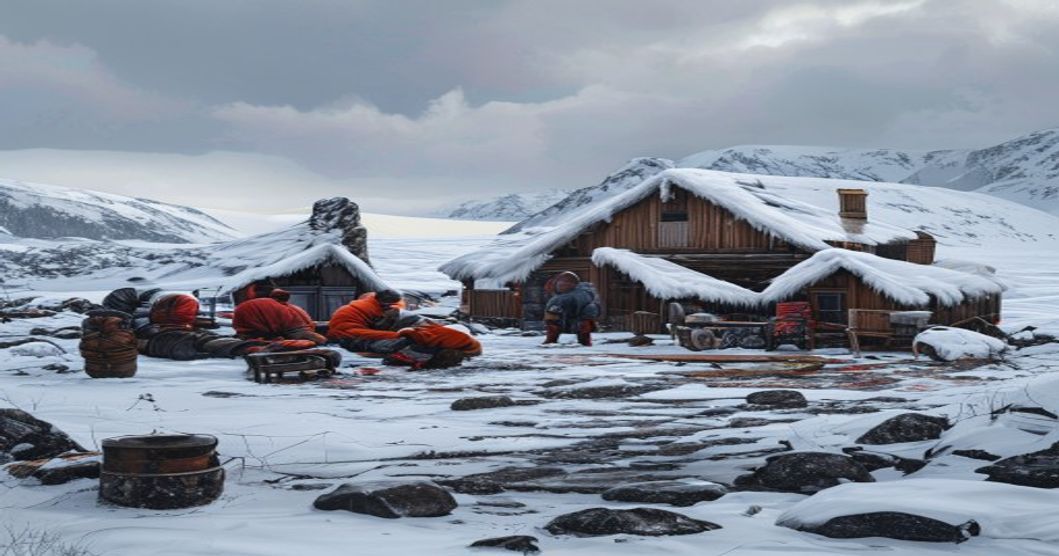
Arctic Living Lessons From Sami Traditions: A Comprehensive Guide
Sami communities have sustained Arctic habitation for millennia through precise ecological observation rather than technological dominance. Their survival strategies rely on continuous environmental monitoring, where every snow condition, wind direction, and animal migration pattern informs daily decisions. This observational framework operates as a distributed intelligence system, converting landscape cues into actionable navigation data without centralized infrastructure.
- Seasonal Resource Mapping: Traditional territories are divided into summer pastures, winter grazing zones, and critical hunting corridors. This spatial knowledge prevents overgrazing and ensures reindeer populations remain stable across decades.
- Microclimate Navigation: Sami navigators read ice thickness through acoustic feedback, track auroral activity for temperature shifts, and utilize shadow patterns on snowdrifts to locate hidden springs or animal trails.
- Zero-Waste Material Cycles: Every reindeer component serves a purpose. Antlers become tools, sinew provides thread, stomach lining stores food, and bones fuel fires. This circular economy predates modern sustainability frameworks by centuries.
- Collective Risk Management: Emergency shelters, shared transport networks, and intergenerational skill transfer operate through decentralized cooperation. No single household depends on isolated survival tactics.
Contemporary researchers now analyze these practices for climate resilience models. The Sami approach to environmental adaptation emphasizes flexibility over rigid control, recognizing that Arctic ecosystems demand responsive management rather than domination. Modern urban planners and crisis response teams study reindeer migration algorithms to optimize human evacuation routes during extreme weather events. Indigenous meteorological data, recorded through oral tradition and physical markers, provides baseline measurements for tracking rapid permafrost degradation. Integrating these historical observation methods with satellite telemetry creates hybrid forecasting systems that outperform purely technological models in remote terrain.
Implementing Sami principles requires institutional shifts toward localized knowledge validation. Educational programs incorporating field-based ecological literacy produce stronger environmental stewards than theoretical curricula alone. Conservation funding increasingly directs resources toward traditional land management certifications, recognizing that cultural continuity directly correlates with habitat preservation. The Arctic does not reward conquest; it rewards attunement. Researchers now cross-reference historical migration maps with satellite vegetation indices to identify early warning signs of tundra degradation. Emergency response protocols in Nordic municipalities integrate traditional shelter construction methods alongside modern insulation standards, reducing energy consumption by forty percent during polar night conditions.
Understanding the Foundation of Indigenous Arctic Knowledge
Indigenous Arctic knowledge systems developed over millennia of continuous environmental adaptation, functioning as dynamic ecological frameworks rather than static cultural artifacts. The Sami peoples, whose historical territories extend across northern Norway, Sweden, Finland, and the Russian Kola Peninsula, engineered highly specialized classification systems for reindeer physiology, snow stratification, and ice stability that operate independently from Western scientific taxonomy. Their linguistic categories distinguish over twenty distinct wind patterns, each correlating with specific temperature gradients and precipitation behaviors critical for survival during polar transitions. Traditional land management relies on rotational grazing routes that enforce mandatory vegetation recovery periods, directly preventing permafrost degradation and maintaining lichen bed productivity across fragile tundra landscapes.
- Precise Environmental Classification: Linguistic frameworks encode microclimate variations, ice thickness thresholds, and animal behavior indicators that modern meteorology often simplifies.
- Reciprocal Land Stewardship: Grazing cycles and habitat rotation prevent soil compaction while preserving critical forage reserves during extreme weather events.
- Intergenerational Skill Transmission: Pedagogical models prioritize hands-on mentorship over theoretical instruction, ensuring survival competencies adapt to shifting climate patterns.
Knowledge transmission follows structured pedagogical models where elders demonstrate snow avalanche forecasting through acoustic ice analysis, reindeer tracking via subtle track morphology, and navigation using auroral intensity combined with magnetic declination readings. Modern ecological studies consistently validate these methods, demonstrating that indigenous seasonal calendars align with phenological markers more precisely than fixed Gregorian dates. Remote sensing data cross-referenced with traditional migration routes confirms historic grazing boundaries match optimal forage regeneration zones. The epistemological foundation emphasizes reciprocal land stewardship rather than resource extraction, embedding conservation principles directly into daily practice. Indigenous communities maintain highly detailed cognitive maps recording terrain microfeatures, subterranean water pathways, and wildlife corridor shifts across decadal cycles. These spatial databases encode centuries of observational data regarding predator migration timing, forage availability, and storm frequency patterns. Contemporary conservation strategies must recognize this knowledge architecture as systematic field science rather than anecdotal tradition, requiring territorial sovereignty protections that enable traditional ecological management to function as active climate adaptation infrastructure. Digital documentation initiatives increasingly integrate satellite telemetry with traditional wayfinding techniques, creating hybrid monitoring networks that track reindeer herds across international borders while preserving linguistic terminology essential for accurate ecological interpretation.
How Traditional Wisdom Shapes Modern Sustainable Practices
The Sami people have cultivated a deeply integrated relationship with the Arctic landscape for centuries, developing land management systems that prioritize ecological balance over short-term yield. Their approach to reindeer husbandry relies on continuous seasonal migration, allowing pastures to recover naturally and preventing soil degradation. Modern agricultural researchers now study these rotational grazing patterns to design regenerative farming models that maintain soil health and carbon storage in fragile northern ecosystems.
- Traditional snow-reading techniques enable precise navigation across frozen terrain, a skill currently adapted by emergency response teams and climate monitoring stations operating in remote Arctic zones.
- Sami botanical knowledge identifies resilient plant species capable of thriving in permafrost thaw conditions, directly informing contemporary reforestation and wetland restoration initiatives.
- Community-led territory mapping preserves ancestral land boundaries while supporting government-backed conservation grants that protect critical migration corridors from industrial encroachment.
Contemporary sustainability frameworks increasingly incorporate Sami principles of intergenerational stewardship. Policy makers in Nordic countries reference traditional resource allocation methods when drafting renewable energy regulations, ensuring wind and hydroelectric projects avoid sacred sites and disrupt minimal wildlife pathways. This integration reduces environmental conflict while maintaining biodiversity hotspots essential for climate resilience. The emphasis on adaptive management over rigid control reflects a proven methodology for surviving rapidly shifting Arctic conditions.
Urban planners and environmental educators now utilize Sami case studies to demonstrate how localized knowledge outperforms generalized industrial approaches in fragile biomes. Workshops led by indigenous practitioners train researchers in observing subtle environmental indicators, such as lichen growth patterns and bird migration shifts, which serve as early warnings for ecosystem stress. These practices strengthen modern conservation strategies by anchoring data collection in lived experience rather than purely theoretical models.
Core Survival Skills Rooted in Sámi Culture
The Sámi people have sustained life across the Arctic circle through a tightly integrated framework of environmental adaptation, where every practice stems from centuries of direct ecological feedback. Navigation relies on micro-terrain reading rather than fixed landmarks; wind erosion patterns on rock faces, lichen distribution along treelines, and animal track density provide continuous positional data during whiteout conditions. Traditional Sámi skis, engineered from laminated spruce and bound with cured reindeer sinew, distribute weight evenly across deep snow while maintaining silent mobility for hunting and herding patrols.
Shelter architecture prioritizes rapid deployment and thermal retention. The lavvu structure utilizes a central hearth surrounded by bent birch poles, insulated with layered reindeer hides and compacted moss. This configuration creates a convective air loop that stabilizes interior temperatures regardless of external wind velocity. Food preservation operates on seasonal compression cycles. Venison is split along natural tissue planes, suspended on wooden drying frames for controlled air circulation, or fermented in sealed birch-bark cylinders where anaerobic bacteria convert proteins into stable amino acids. Fish undergoes slow smoking over alder and juniper wood, depositing phenolic compounds that inhibit microbial growth while concentrating essential lipids.
- Thermal Regulation: Reindeer garments exploit the species’ dual-hair morphology. Hollow guard hairs trap dead air space, while dense underfur creates a hydrophobic barrier that sheds moisture without compromising insulation.
- Resource Circularity: Every anatomical component serves a functional purpose. Antlers are carved into sled runners and tool handles, bones become needles and fishhooks, and stomach linings function as waterproof storage vessels.
- Ecosystem Pacing: Herding routes follow lichen regeneration cycles and snow depth thresholds, implementing rotational movement patterns that prevent soil compaction and maintain forage availability across decades.
This knowledge architecture eliminates dependency on external inputs by aligning human activity with natural thermodynamic and biological rhythms. Tool fabrication follows bone fracture mechanics, where controlled heat application allows precise shaping without structural compromise. Seasonal timing relies on solar angle tracking and celestial navigation, enabling hunters to predict animal movements across frozen wetlands long before modern astronomical calculations existed. The entire framework functions as a closed-loop system where waste generation approaches zero and energy expenditure matches environmental capacity.
Reindeer Herding and Seasonal Migration Patterns
The reindeer herding practices of the Sámi people represent a meticulously calibrated system of survival, deeply synchronized with Arctic ecological rhythms. Rather than static livestock management, this tradition operates as a dynamic pastoral framework where human communities and Rangifer tarandus populations co-adapt across vast, unforgiving landscapes. Herds are not confined to fixed enclosures but follow ancient transhumance routes dictated by forage availability, snow depth, and predator activity. The Sámi utilize centuries-old ecological indicators—such as lichen bloom cycles, bird migration timing, and glacial melt patterns—to determine optimal movement windows.
Seasonal migration unfolds along predictable corridors that shift annually based on microclimatic conditions. Spring movements typically begin in March or April, as herds ascend from winter grazing grounds to summer pastures located in higher elevations or forested zones. These summer ranges offer protein-rich grasses and shrubs essential for lactating females and growing calves. By late August or September, the return migration commences, guided by decreasing daylight and rising temperatures that trigger lichen regrowth in lower-altitude tundra. Routes span anywhere from fifty to over two hundred kilometers, with herd leaders—experienced older bulls—navigating using magnetic fields, topographical memory, and wind direction.
- Winter Pastures: Lichen-dominant plateaus where reindeer dig through snow (snow-pit foraging) to access slow-growing Cladonia species.
- Summer Rotation Zones: Moist, insect-free highlands that reduce parasite loads and support rapid weight gain before autumn.
- Transit Corridors: Narrow passes and river valleys that minimize energy expenditure during long-distance movements.
Modern herding requires continuous monitoring through satellite tracking collars, drone surveillance, and digital pasture mapping, yet remains anchored in traditional knowledge systems. Rain-on-snow events, increasingly frequent due to atmospheric warming, create impenetrable ice layers that starve herds of accessible forage. Land fragmentation from mining, wind farms, and forestry operations disrupts historical migration corridors, forcing herders to alter feeding schedules and increase supplemental winter provisioning. Despite these pressures, Sámi pastoralists maintain strict herd size regulations aligned with carrying capacity thresholds, ensuring long-term rangeland recovery and genetic diversity within reindeer populations.
Natural Clothing Construction and Thermal Protection Methods
Traditional Sami outerwear relies on a multi-layered architecture engineered through generations of Arctic field testing. Garments utilize split reindeer hide as the primary insulating medium, where the dense hair follicles and subcutaneous fat layers create a natural microclimate around the body. Tanning processes involve enzymatic breakdown through brain solutions followed by smoke curing, which cross-links collagen fibers to produce a fabric that remains pliable below freezing temperatures while resisting moisture penetration.
The construction pattern follows anatomical movement zones, with gussets positioned at the shoulders and knees to prevent seam rupture during reindeer herding or snowshoe traversal. Double-layer assembly forms the core thermal strategy. Inner linings face inward to trap exhaled humidity, while outer shells display outward-facing hair to shed precipitation and deflect wind shear.
- Ventilation Systems: Lacing channels along the forearms and lower legs function as adjustable heat dissipation valves, enabling precise thermal regulation without layer removal.
- Waterproofing Techniques: Pine resin blended with rendered animal fat coats seams and high-friction zones, maintaining hydrophobic properties despite constant abrasion against sled runners and pack straps.
- Seam Engineering: Lockstitch methods using dried sinew thread cause automatic pore closure upon moisture exposure, eliminating leakage pathways at stress points.Food Preservation Techniques for Extreme Cold Climates
Traditional Arctic communities developed preservation systems that operate entirely on natural thermodynamics rather than artificial energy inputs. The core mechanism relies on rapid temperature drops that instantly crystallize cellular water, effectively pausing enzymatic degradation and microbial replication. When temperatures fall below minus twenty degrees Celsius, bacterial metabolism shuts down completely. This allows reindeer meat, fish, and marine mammals to remain edible for months without spoilage. Practitioners monitor barometric pressure and wind direction to predict optimal freezing windows, ensuring food reaches target internal temperatures before tissue damage occurs.
- Natural Freezing: Cuts of game are suspended on wooden racks above ground level where airflow accelerates heat transfer. The subzero wind chill creates a hard outer shell that seals moisture inside while preventing insect infestation and cross-contamination.
- Snow Storage Caves: Insulated snow structures maintain stable temperatures between minus five and minus fifteen degrees Celsius even during brief thaws. These caves function as passive refrigeration units, slowing oxidation without freezing the food solid, which preserves texture and fat solubility.
- Smoking and Air Drying: Slow combustion of damp birch wood releases creosote and acetic acid compounds that penetrate meat fibers. Combined with consistent wind exposure, moisture extraction reduces water activity to levels where pathogens cannot survive, extending shelf life beyond six months.
- Lactic Fermentation in Organic Vessels: Reindeer stomachs and intestinal casings serve as natural fermentation chambers. Lactobacillus strains native to the Arctic environment convert glycogen into lactic acid, dropping pH below four point six and creating an inhospitable environment for spoilage organisms while enhancing nutrient bioavailability.
Advanced preservation requires precise timing aligned with seasonal temperature shifts. Hunters harvest reindeer immediately after autumn frosts when muscle glycogen levels peak, ensuring optimal tenderness before freezing. Fish are traditionally gutted within minutes of capture to prevent digestive enzymes from autodigesting the flesh. Storing preserved goods in permafrost layers above three meters depth guarantees consistent thermal stability throughout winter months. Modern food science confirms these indigenous methods align with hazard analysis protocols by controlling temperature, moisture activity, and microbial competition without synthetic additives.
Navigation and Weather Reading Without Modern Technology
Sami herders and hunters developed a highly sophisticated navigational framework long before compasses or GPS became standard tools across northern latitudes. Rather than relying on fixed landmarks, which shift under heavy snowfall or vanish during polar nights, practitioners mapped the Arctic landscape through dynamic environmental indicators. Sun position served as the primary daytime reference point, with experienced travelers tracking its arc relative to specific mountain ridges and frozen river bends. During winter months when visibility dropped below fifty meters, wind direction became a critical orienting factor. Communities placed carefully arranged stone cairns along traditional reindeer migration corridors, adjusting their alignment based on prevailing seasonal winds that sculpted snowdrifts into predictable patterns.
- Solar and stellar orientation: Navigators tracked the sun’s azimuth during summer solstice periods and used Polaris alongside constellations like Ursa Major to maintain bearing during extended darkness. Cloud cover did not halt movement; instead, travelers read the subtle gradient of twilight bleeding through overcast layers.
- Wind and precipitation mapping: Reindeer antler scrapes against tree bark created audible markers that carried farther on cold, dry air masses. Snow density variations revealed underlying topography, with windward slopes showing compacted crusts while leeward sides accumulated soft powder.
- Biological and atmospheric signals: Shifting cloud formations indicated approaching pressure systems within twelve to twenty-four hours. Aurora borealis intensity and movement patterns correlated with geomagnetic activity that preceded sudden temperature drops. Reindeer herd behavior, particularly ear positioning and trail density, provided real-time updates on ice thickness and hidden crevasses.
Weather interpretation operated as a continuous feedback loop rather than isolated observations. Practitioners noted how sound traveled differently across frozen lakes compared to packed tundra, using acoustic properties to gauge surface stability. Lichen growth orientation on windward rocks served as long-term wind direction records, while the color and height of snowdrifts near mountain passes signaled upcoming storms. These navigational protocols prevented disorientation during whiteout conditions and optimized reindeer movement across seasonal grazing boundaries. Modern Arctic survival programs still integrate these techniques because they function independently of battery life, signal range, or mechanical failure.
Environmental Stewardship and Ecosystem Balance
The Sami people have inhabited the Arctic regions of Scandinavia and Russia for millennia, developing a deeply reciprocal relationship with their environment that operates entirely outside conventional ownership models. Their land management philosophy centers on long-term stewardship rather than extraction quotas. Traditional livelihoods including reindeer herding, seasonal fishing, hunting, and botanical gathering demand precise observation of microclimates, animal migration corridors, and vegetation regeneration cycles. This accumulated ecological knowledge guarantees that resource use never outpaces natural recovery rates. When herders guide reindeer across vast tundra and boreal landscapes, they create controlled disturbances that stimulate plant diversity, prevent localized overgrazing, and distribute nutrients naturally through grazing patterns.
Modern conservation biology now validates these practices as early implementations of rotational land use and landscape-level ecosystem management. The Sami principle of Jietnabáiki emphasizes attuning human activity to natural indicators rather than rigid calendars or artificial schedules. Key mechanisms that maintain ecological equilibrium include:
- Selective harvesting techniques that preserve canopy structure and protect keystone flora from industrial-scale clearing.
- Strict seasonal rest periods applied to critical wetland zones, preventing habitat fragmentation during avian and mammal breeding windows.
- Natural drainage prioritization that eliminates artificial channelization, reducing accelerated runoff and protecting sensitive aquatic habitats.
- Blurred agricultural boundaries that allow spontaneous vegetation succession, creating natural buffer zones which filter pollutants before groundwater contamination occurs.
Contemporary researchers analyzing permafrost degradation and northern carbon sinks frequently cite Sami land-use methodologies as functional blueprints for low-impact sustainability. Merging indigenous ecological observation with satellite monitoring generates adaptive strategies that respond to accelerated climate shifts without sacrificing generational resilience. Securing traditional grazing routes and seasonal territories remains essential, because continuously managed Sami landscapes consistently outperform industrialized zones in species richness and soil vitality metrics. Training younger generations through direct field observation ensures that adaptive management techniques survive technological disruptions and policy fluctuations alike.
Forward-looking environmental frameworks must institutionalize co-governance models that recognize centuries of proven ecological management as a non-negotiable foundation for Arctic conservation. Protecting these traditional territories directly correlates with regional biodiversity retention, making indigenous stewardship an indispensable component of global climate mitigation strategies.
Principles of Non-Exploitative Resource Management
The Sami approach to resource extraction operates on a foundational premise of ecological reciprocity rather than territorial ownership. Land is perceived as a living network where human activity must align with natural cycles. This worldview manifests through strictly regulated seasonal movements that prevent overgrazing and allow vegetation recovery periods. Herders track reindeer migration patterns across tundra and taiga zones, adjusting grazing intensity based on lichen availability and weather conditions. The practice ensures that forage grounds regenerate naturally while maintaining herd health throughout extreme Arctic winters.
Operational frameworks within these communities rely on intergenerational monitoring systems where experienced herders document snow depth, ice formation, and wildlife behavior to predict resource availability. Decision-making follows a consensus model that prioritizes long-term landscape stability over short-term yield maximization. Traditional knowledge structures incorporate natural limits into harvesting protocols, ensuring that fish stocks, berry patches, and medicinal plants remain within regenerative thresholds. This adaptive governance mechanism functions without formal legislation, sustained through oral transmission and direct observation. Knowledge transmission occurs through practical field instruction rather than written manuals, embedding ecological literacy into daily routines from childhood.
- Sacred geography constraints: Designated no-take zones around sacred stones and burial sites prevent habitat fragmentation in critical corridors.
- Seasonal rotation mandates: Fixed migration timelines restrict grazing pressure to specific months, allowing soil microbes and plant roots to recover.
- Heritage-based monitoring: Elders record subtle environmental shifts that signal ecosystem stress before visible damage occurs.
- Reciprocal exchange protocols: Harvesting quotas adjust automatically when animal populations decline or climate patterns shift unexpectedly.
Modern ecological studies validate these historical practices through landscape ecology research. Remote sensing data confirms that traditional reindeer grazing patterns maintain higher biodiversity indices compared to industrial livestock operations. The absence of permanent infrastructure in extraction zones preserves permafrost integrity and prevents soil compaction. Contemporary conservation frameworks increasingly reference these indigenous management systems when designing protected area boundaries or drafting sustainable harvest regulations. These embedded practices reduce carbon footprint by eliminating machinery dependency
Symbiotic Relationships Between Humans and Arctic Flora
The Sami people’s survival in extreme northern latitudes relies on a finely tuned ecological balance with Arctic vegetation. This mutualistic dynamic extends far beyond subsistence; it represents a centuries-old framework of resource management that prioritizes long-term ecosystem stability over short-term extraction. Traditional harvesting protocols dictate precise seasonal windows, ensuring plant populations regenerate before the next collection cycle. Reindeer moss (Cladonia species) functions as both critical winter forage and a natural soil stabilizer, preventing permafrost degradation during thaw periods. When harvested selectively, lichen beds retain their moisture-retention capacity while providing essential minerals to reindeer herds that traverse vast migratory routes.
- Seasonal Harvesting Windows: Crowberry and bilberry are gathered exclusively during late summer when fruiting bodies reach peak sugar concentration, minimizing damage to root systems and preserving seeds for natural dispersal.
- Root Preservation Techniques: Birch bark and young willow shoots are stripped using rotational cutting patterns that allow cambium layers to recover before the next growing season.
- Ecosystem Engineering: Controlled burning of overgrown shrub areas opens canopies for light-dependent lichen growth, demonstrating active landscape management rather than passive collection.
Botanical knowledge embedded in Sami oral tradition maps microclimates to plant distribution. Snowbed willow (Salix herbacea) thrives in insulated depressions where snowpack extends the growing season by weeks. Elders memorize topographical markers that predict optimal foraging zones, reducing search energy and preventing overharvesting in vulnerable tundra patches. Medicinal applications utilize hypericum and avens root extracts for wound treatment, with preparation methods calibrated to preserve active compounds like hypericin. This ethnobotanical precision prevents chemical degradation and ensures therapeutic efficacy without wild population collapse.
Modern conservation frameworks increasingly validate these traditional practices. Stable isotope analysis reveals that historically managed Sami grazing zones maintain higher carbon sequestration rates than unmanaged equivalents. The removal of excessive shrub biomass reduces albedo disruption while promoting ground-level moss proliferation. Sustainable harvest quotas derived from generational observation align closely with contemporary population viability models. Integrating this knowledge into arctic land-use policy requires recognizing indigenous monitoring systems as empirical data sources rather than cultural artifacts.
Adapting to Permafrost Changes and Shifting Biomes
The Arctic landscape operates as a highly sensitive ecological indicator, where permafrost degradation and biome transitions directly reconfigure traditional Sami land use systems. When frozen ground thaws unpredictably, the stability of reindeer grazing routes fractures. Moss-rich tundra gives way to shrub-dominated zones or waterlogged depressions, forcing herders to recalibrate seasonal migration corridors that have functioned for centuries. These shifts are not merely environmental changes; they represent a fundamental restructuring of ecological connectivity across northern Scandinavia and Sápmi.
Adaptation requires rapid spatial awareness combined with time-tested observation methods. Herding communities monitor ice thickness on lakes and rivers through visual assessment and acoustic testing, replacing historical trail markers with real-time GPS tracking and satellite vegetation indices. Traditional knowledge of wind patterns, snow density, and lichen availability now intersects with remote sensing data to identify viable grazing patches before ground instability becomes critical. Youth training programs integrate drone surveys alongside elder navigation techniques, ensuring that migration decisions remain grounded in both empirical metrics and cultural memory.
- Ground stability monitoring: Continuous subsidence mapping identifies safe winter transit zones while avoiding thermokarst collapse areas.
- Vegetation zone rotation: Strategic grazing pressure shifts across expanding shrub belts and receding tundra sectors to maintain soil microbiome balance.
- Infrastructure modularity: Reindeer enclosures and supply depots utilize adjustable foundations that accommodate differential thaw without structural compromise.
This dynamic approach treats ecological transformation as a manageable variable rather than a permanent loss, enabling Sámi pastoralism to persist through accelerated climate feedback loops. Land stewards prioritize flexible boundary negotiation over fixed territorial claims, aligning herd movement with microclimate shifts and altered snowpack accumulation patterns.
Integrating Sámi Practices into Contemporary Life
Modern urban environments frequently overlook the intricate ecological rhythms that sustained Arctic communities for centuries. Sámi heritage offers a structured framework for rebuilding human-nature relationships through deliberate observation, adaptive resource management, and collective responsibility. The concept of árran—understanding place-based knowledge—translates directly into contemporary sustainability initiatives. Rather than treating nature as an extractive commodity, these traditions emphasize reciprocity, where every action requires measurable environmental compensation.
Implementing Sámi methodologies begins with recalibrating daily routines to align with natural cycles. Seasonal awareness replaces constant digital consumption, reducing energy waste and psychological fatigue. Traditional food preservation techniques, such as smoking, drying, and fermenting, provide scalable models for modern zero-waste kitchens. Crafting tools from locally sourced materials restores repair culture, directly countering disposable manufacturing systems. Communities adopting these approaches report stronger supply chain resilience and reduced carbon footprints.
- Temporal alignment: Shift work schedules and agricultural planning to match daylight hours and seasonal biomass availability instead of artificial lighting grids.
- Material circularity: Prioritize biodegradable and repairable goods over synthetic alternatives, mirroring historical Sámi tool maintenance protocols.
- Decentralized sharing networks: Establish neighborhood resource libraries for equipment, seeds, and storage capacity to minimize redundant production.
- Ecosystem monitoring: Apply traditional land-reading techniques—tracking animal movements, snow density, and vegetation shifts—to inform urban greening projects.
These adaptations do not require abandoning modern infrastructure. Instead, they layer historical data onto current systems, creating hybrid models that withstand climate volatility. Urban planners integrate Sámi spatial organization by designing permeable landscapes that absorb rainfall rather than channeling it through concrete drains. Educators incorporate indigenous navigation principles into STEM curricula, teaching mathematical and astronomical concepts through practical survival metrics. The integration process demands consistent documentation, peer review, and iterative testing to ensure cultural respect and functional accuracy. When applied systematically, Sámi ecological frameworks provide measurable pathways toward long-term environmental stability and community self-reliance.
Minimalist Architecture Inspired by Traditional Lavvu Structures
The traditional lavvu operates as a highly optimized shelter system, translating centuries of Arctic survival into principles that modern minimalist architecture actively adopts. Its circular footprint eliminates structural weak points, allowing radial timber poles to converge at a single apex without internal load-bearing walls. This configuration creates a self-stabilizing frame that withstands extreme wind loads while requiring fewer materials than conventional rectangular builds.
- Load Distribution: The converging pole network channels weight directly downward and outward, enabling rapid field assembly with basic joinery techniques and eliminating the need for heavy fasteners or concrete foundations.
- Aerodynamic Performance: Continuous sloping surfaces prevent wind stagnation and reduce snow accumulation. Computational fluid dynamics confirm that circular plans experience up to forty percent less lateral pressure compared to angular alternatives in open tundra environments.
- Passive Climate Control: A centrally positioned hearth generates vertical convection currents that circulate warm air evenly across the interior. Smoke exits through a precisely sized apex opening, maintaining oxygen levels without mechanical extraction systems.
Contemporary builders extract these geometric and thermodynamic metrics to design low-impact housing for remote communities. Modular panels replicate the original pole arrangement using engineered wood composites and weather-resistant synthetic membranes. Prefabricated components arrive flat-packed, reducing transportation emissions and enabling construction teams to assemble complete units without cranes or heavy machinery. The resulting structures maintain a minimal visual footprint while delivering high thermal performance in subzero conditions.
Sustainable certification programs now incorporate lavvu-derived metrics into building guidelines for polar regions. Energy modeling demonstrates that circular layouts lose significantly less heat than box-shaped buildings due to reduced surface-area-to-volume ratios. Architects pair these geometric advantages with triple-glazed skylight inserts and insulated floor platforms, creating habitats that require minimal auxiliary heating. The design philosophy prioritizes environmental responsiveness over decorative complexity, aligning construction practices with ecological constraints.
Responsible adaptation demands direct collaboration with indigenous knowledge holders rather than superficial form extraction. Joint projects document traditional lashing methods, canopy tensioning techniques, and seasonal ventilation strategies, then validate them through structural engineering protocols. This collaborative workflow preserves cultural integrity while advancing resilient architecture. Buildings constructed using these integrated standards function as adaptive systems, relying on geometry and material behavior to maintain habitability without mechanical intervention.
Mental Resilience and Community-Centric Decision Making
The Arctic environment imposes relentless psychological demands that have historically shaped Sami coping mechanisms around sustained mental endurance and collective problem-solving. Survival in subzero temperatures, extended darkness, and unpredictable weather requires more than physical adaptation; it demands a cognitive framework built on long-term perspective-taking and emotional regulation. Traditional Sami pedagogy instills resilience through continuous exposure to nature’s cycles, where children learn to read ice conditions, track reindeer migrations, and interpret wind patterns before they reach adolescence. This early immersion creates a psychological baseline that treats uncertainty as a manageable variable rather than a threat.
Mental endurance in these communities operates through structured interdependence. Rather than promoting individual stoicism, Sami traditions channel emotional regulation into group rituals, seasonal gatherings, and shared labor. Oral narratives function as cognitive tools for processing trauma and transferring survival knowledge across generations. The joik tradition encodes ecological observations and historical events into melodic structures that reinforce identity while providing psychological grounding during isolation periods.
Decision-making processes reflect this same collectivist architecture. Resource allocation, grazing route adjustments, and emergency responses follow consensus-driven models where elders, experienced herders, and younger members contribute specialized knowledge. This isn’t merely cultural preference; it’s a functional adaptation that reduces decision fatigue and distributes cognitive load across the group. When weather shifts rapidly or pasture conditions deteriorate, rapid consensus prevents paralysis and ensures coordinated action.
- Ecological Feedback Loops: Daily observations guide community choices, creating real-time data networks that replace centralized authority with distributed intelligence.
- Intergenerational Knowledge Transfer: Practical skills and emotional coping strategies are taught through immersive participation rather than formal instruction.
- Collective Risk Mitigation: Resource pooling and shared labor minimize individual vulnerability during extreme conditions.
Modern psychological research increasingly validates these indigenous frameworks. Studies on community resilience demonstrate that groups maintaining strong social cohesion, clear role differentiation, and adaptive communication protocols recover faster from environmental stressors. The Sami model separates emotional processing from operational planning, allowing communities to maintain functionality during crises while preserving psychological stability through structured support networks.
Cultural Preservation and Educational Pathways
Sami cultural continuity relies heavily on structured language immersion programs that integrate indigenous linguistic frameworks into mainstream curricula across Norway, Sweden, Finland, and Russia. Formal education systems have gradually adopted bilingual teaching models where Sámi languages function as both instructional mediums and academic subjects. Universities in Tromsø and Umeå now offer degree pathways specialized in Sámi studies, anthropology, and Arctic governance, ensuring that academic research remains directly tied to community-led priorities rather than external extraction.
Traditional ecological knowledge operates outside conventional classroom boundaries through intergenerational apprenticeship networks. Reindeer husbandry cycles, weather pattern recognition, and snow morphology analysis form the foundation of practical learning modules. Duodji craft instruction emphasizes material sourcing, seasonal tool preparation, and symbolic coding embedded in patterns. Joik performance training develops auditory memory techniques that map geographical landmarks and historical migration routes without written documentation. These pedagogical methods prioritize experiential acquisition over theoretical abstraction.
- Sámi universities coordinate cross-border research initiatives focused on land rights, linguistic documentation, and climate adaptation strategies.
- National education ministries have implemented mandatory Sámi history modules for elementary students in designated municipalities.
- Digital repositories archive oral histories, vocal recordings, and textile archives using metadata standards compliant with UNESCO intangible heritage protocols.
- Community-led teaching cooperatives deploy mobile classrooms during seasonal reindeer migration periods to maintain curriculum continuity.
Modern preservation strategies merge archival digitization with interactive learning platforms. Geospatial mapping tools track historical grazing territories while audio databases preserve dialect variations across generations. Educational institutions partner with indigenous governance bodies to co-design assessment frameworks that measure cultural competency alongside academic metrics. This integrated approach ensures that Arctic resilience concepts remain rooted in historically tested survival methodologies rather than imported environmental models. Schools utilizing these pathways report higher student engagement rates and stronger community participation in curriculum development cycles.
Documenting Oral Histories and Seasonal Knowledge Systems
The transmission of Arctic survival expertise relies heavily on structured oral frameworks rather than written records. Sami communities historically encoded ecological data into rhythmic narratives, geographic markers embedded in place names, and instructional dialogues passed through direct mentorship. These systems function as living databases where environmental indicators—wind direction, snow density, lichen growth cycles, and caribou movement patterns—are systematically categorized and recalled under specific seasonal conditions. The accuracy of these transmissions depends on rigorous verification processes within family groups and herding teams, ensuring that each generation validates observations against actual terrain and wildlife behavior.
Modern archival initiatives prioritize community-controlled digitization over external academic extraction. Field researchers collaborate with indigenous knowledge holders to record dialect-specific terminology related to ice formation, storm prediction, and grazing rotation schedules. These recordings undergo cross-referencing with historical meteorological logs and satellite imagery to validate traditional forecasting methods. The resulting databases integrate phonetic transcription, geographic coordinates, and seasonal calendars that align lunar phases with reindeer calving windows and berry harvesting periods.
- Elder-led sessions capture pronunciation variations across distinct dialect zones, preserving linguistic precision tied to micro-climate descriptions.
- Digital mapping layers overlay historical migration corridors with contemporary GPS tracking from modern herding operations.
- Audio archives synchronize environmental recordings with meteorological data to establish baseline comparisons for climate shift analysis.
Educational programs now embed these documented systems into regional curricula through interactive terrain models and verified audio repositories. Students navigate digital landscape simulations while listening to recorded accounts describing historical travel routes that require precise navigation techniques during polar night conditions. This approach maintains the functional relationship between language and environmental adaptation, allowing practitioners to reconstruct seasonal timelines without relying on external calendars. Verification protocols require learners to demonstrate comprehension through practical application during winter expeditions, where traditional markers guide route selection and camp placement.
Ethical documentation standards mandate shared ownership of all recorded materials. Communities retain control over sensitive information regarding sacred sites, breeding grounds, and survival techniques that require contextual explanation for accurate interpretation. Researchers operate under data sovereignty frameworks that prioritize indigenous governance over institutional access. This structure ensures that seasonal knowledge systems remain dynamic rather than static archival artifacts, allowing continuous refinement as environmental conditions evolve across the Arctic landscape.
Protecting Indigenous Language in Modern Arctic Education
The survival of Sami linguistic heritage within contemporary Arctic schooling demands a structural shift from deficit-based models to asset-driven frameworks. Language functions as the primary vessel for ecological literacy, reindeer migration tracking, weather prediction, and kinship networks. When schools treat indigenous vocabulary as supplementary rather than foundational, cognitive dissonance emerges in students navigating between home dialects and standardized national curricula. Successful programs reposition linguistic revitalization as a core academic competency, aligning assessment metrics with authentic communication tasks rather than rote memorization.
- Immersion pedagogy replaces isolated language classes with content-based instruction where mathematics, natural sciences, and history are delivered entirely through Sami dialects. This approach strengthens dual-language proficiency while preserving nuanced terminology for terrain, animal behavior, and seasonal transitions.
- Elder knowledge transfer protocols establish formal co-teaching arrangements between certified educators and community herders. These partnerships ensure that place-based vocabulary, oral storytelling techniques, and traditional land-use classifications remain dynamically integrated into daily instruction.
- Digital documentation standards prioritize open-access repositories curated by local municipalities rather than centralized national archives. Audio archives, interactive glossaries, and phonetic mapping tools are maintained under community data governance to prevent extractive research practices.
Funding mechanisms must transition from short-term pilot grants to sustainable municipal budget allocations. Teacher preparation programs require mandatory coursework in dialect variation, sociolinguistic rights, and trauma-informed language revitalization strategies. Standardized testing frameworks currently penalize code-switching and contextual vocabulary usage, necessitating policy revisions that recognize multilingual cognition as an academic advantage rather than a deficiency. Municipal education boards should implement linguistic impact assessments before adopting new textbooks or digital platforms to ensure alignment with regional dialectal realities.
Inter-institutional collaboration between Arctic universities, Sami parliaments, and local school districts creates scalable models for curriculum adaptation. Research indicates that students participating in structured language immersion demonstrate improved spatial reasoning, ecological monitoring skills, and cross-cultural negotiation abilities. The integration of traditional knowledge systems into modern pedagogical frameworks does not replace scientific methodology; it expands observational precision and resource management strategies. Sustainable preservation requires continuous community oversight, adaptive funding structures, and educational policies that treat linguistic diversity as a foundational infrastructure rather than a cultural artifact.
Supporting Sámi Artisans and Ethical Cultural Exchange
Purchasing authentic Sámi craft directly impacts the economic sustainability of indigenous communities across Fennoscandia. The traditional handcraft known as duodji requires years of skill development and relies on locally sourced materials such as reindeer antler, birch root, and silver wire. When buyers prioritize verified artisan networks, they help maintain intergenerational knowledge transmission while keeping revenue within Sápmi. The official Sámi trademark serves as a legal guarantee that the piece was created by a Sámi maker or under licensed cooperation, protecting against mass-produced imitations that dilute cultural value.
- Direct economic injection: Buying through certified cooperatives ensures fair wages and funds community-led cultural preservation projects.
- Material sourcing standards: Ethical artisans follow sustainable harvesting practices for reindeer antler, willow bark, and traditional dyes, aligning craft production with regenerative land management.
- Cultural context education: Purchasers gain access to documented meanings behind regional motifs, color symbolism, and functional adaptations tied to seasonal livelihoods like reindeer herding or fishing.
Ethical cultural exchange requires moving beyond aesthetic appreciation toward transparent transaction structures. Digital marketplaces that implement artisan verification, detailed provenance records, and royalty-sharing models prevent exploitation while amplifying Sámi voices in global design conversations. Communities that control their own distribution channels report higher retention rates for master-apprentice programs and stronger youth engagement in traditional techniques. Consumers should request certificates of origin, examine hallmark stamps, and engage with seller documentation that explains the maker’s lineage and production methods. Supporting verified networks also strengthens legal frameworks against cultural appropriation, as Sámi organizations continuously monitor unauthorized commercial use of traditional patterns and terminology.
The long-term viability of Sámi craftsmanship depends on sustained demand for genuine pieces rather than trend-driven purchases. When collectors prioritize durability, historical accuracy, and maker transparency, they help establish a resilient market that values cultural integrity over volume. Educational outreach programs attached to verified sales further bridge geographic divides, allowing international buyers to participate in knowledge sharing without displacing community autonomy.
Frequently Asked Questions
What is Arctic Living Lessons From Sami Traditions?
Arctic Living Lessons From Sami Traditions refers to the sustainable practices, ecological knowledge, and cultural wisdom passed down through generations of the Indigenous Sami people, offering valuable insights into adapting to and thriving in extreme polar environments.
Key facts about Arctic Living Lessons From Sami Traditions
Key facts include their mastery of reindeer herding, deep understanding of snow and ice conditions, use of traditional clothing made from reindeer hide, a strong emphasis on community reciprocity, and a spiritual connection to the landscape that guides ethical resource management.