Historical Context Versus Contemporary Sámi Mobility
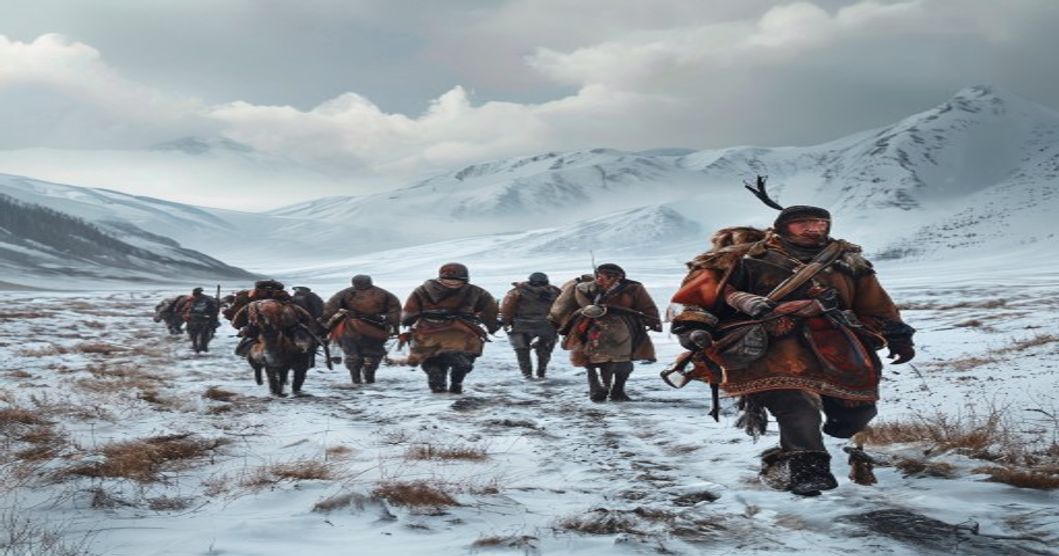
Traditional Sámi mobility operated within a highly specialized ecological framework governed by seasonal transhumance and reindeer husbandry. Communities navigated vast Arctic landscapes across what is now Norway, Sweden, Finland, and Russia, following established migration routes dictated by pasture quality, snow conditions, and calving grounds. Movement was not random but structured around kinship networks, shared land rights, and centuries-old knowledge of microclimates. Colonial administrations in the nineteenth and twentieth centuries systematically disrupted these patterns through border fortification, sedentarization policies, and restrictions on livestock movement. The imposition of fixed national boundaries fractured ancestral territories, forcing many Sámi to abandon seasonal routes or adapt to fragmented grazing zones.
Contemporary mobility diverges fundamentally from historical necessity-driven movement. Modern Sámi individuals increasingly relocate toward urban centers such as Tromsø, Umeå, Rovaniemi, and Kiruna for tertiary education, professional opportunities, and specialized healthcare. This shift reflects broader socioeconomic transformations within the Nordic welfare state, where digital infrastructure enables remote employment in cultural preservation, academic research, and indigenous rights advocacy. Circular migration has emerged as a common pattern, with individuals maintaining dual residences to balance career demands with seasonal reindeer management or community governance roles.
- Economic Diversification: Transition from subsistence herding to knowledge-based sectors reduces year-round pastoral presence in remote areas.
- Transnational Networks: Cross-border Sámi organizations facilitate academic exchanges, cultural festivals, and policy advocacy across national jurisdictions.
- Climate-Driven Adaptation: Unpredictable weather patterns and ice formation disrupt traditional grazing cycles, accelerating permanent relocation decisions.
The contrast between historical and contemporary mobility underscores a broader transition from environmental determinism to agency-driven lifestyle selection. While ancestral movement optimized resource access within fragile Arctic ecosystems, modern Sámi migration reflects strategic navigation of educational markets, labor demands, and digital connectivity. Indigenous diaspora communities now sustain cultural continuity through online platforms, heritage language programs, and virtual governance assemblies, demonstrating that mobility no longer equates to cultural erosion but rather dynamic spatial reconfiguration.
Traditional Reindeer Herding Routes And Modern Boundaries
The ancestral migration corridors established centuries ago relied on seasonal altitudinal shifts between coastal winter pastures and inland summer grazing grounds. These routes followed natural topographical features, river valleys, and established reindeer trails that avoided steep terrain and dense human settlements. Historically, the absence of fixed political borders allowed herders to traverse vast territories across what are now Norway, Sweden, and Finland with relative freedom. The landscape itself dictated movement patterns, requiring precise knowledge of snow conditions, lichen availability, and predator activity zones.
Contemporary geopolitical divisions have fragmented these continuous grazing networks. National border crossings now require extensive documentation, veterinary certifications, and seasonal permits that rarely align with reindeer biological cycles. Herding communities must navigate overlapping jurisdictional authorities, each enforcing distinct land management policies. Wildlife corridors established by conservation agencies frequently intersect with historical migration paths, creating regulatory bottlenecks during critical spring calving and autumn slaughter periods.
Industrial expansion has introduced physical barriers that traditional routes never encountered. Modern herding operations face multiple spatial constraints:
- Infrastructure fragmentation: Wind farm installations, logging roads, mining concessions, and high-voltage power lines disrupt seasonal movement patterns by fragmenting herd cohesion and increasing stress levels among reindeer.
- Reduced grazing territory: The cumulative effect of development reduces available pasture by nearly forty percent in certain subarctic regions, forcing extended detours that consume additional energy reserves during resource-constrained periods.
- Regulatory misalignment: Cross-border permits often operate on administrative timelines rather than ecological calendars, creating bureaucratic delays during critical migration windows.
Nordic governance structures attempt to balance indigenous land rights with commercial development through Sami Parliament consultations and environmental impact assessments. However, implementation gaps persist between legislative intent and on-the-ground enforcement. Modern herding operations increasingly utilize GPS tracking systems, drone monitoring, and digital mapping software to optimize route adjustments while maintaining compliance with cross-border regulations. These technological interventions supplement traditional ecological knowledge rather than replace it, creating a hybrid management model that addresses contemporary spatial constraints.
Restricted migration corridors directly impact herd viability and community sustainability. Limited grazing access forces earlier culling decisions, alters breeding cycles, and increases dependency on supplementary winter feeding programs. The economic burden of these adjustments falls disproportionately on smaller herding families who lack capital reserves for infrastructure modifications or legal representation in land dispute proceedings. Preserving ancestral route knowledge requires continuous documentation through oral histories, community mapping initiatives, and intergenerational training programs that explicitly address boundary-related navigation challenges.
Postwar Urbanization Policies And Indigenous Displacement
Following the Second World War, Scandinavian governments implemented aggressive modernization frameworks that prioritized national integration and industrial expansion over indigenous land tenure systems. State-sponsored infrastructure projects, including hydroelectric dams, railway networks, and military installations, systematically encroached upon traditional Sami grazing corridors and seasonal migration routes across Sápmi. Municipal authorities actively promoted rural-to-urban relocation through subsidized housing programs, vocational training centers, and centralized educational facilities located outside indigenous territories.
- Land Consolidation Acts fractured communal reindeer herding districts, replacing customary resource management with state-controlled property registries that favored agricultural settlers and mining corporations.
- Educational Boarding School Mandates removed Sami children from family units to accelerate linguistic assimilation, deliberately severing intergenerational transmission of pastoral knowledge and oral history.
- Municipal Incentive Packages offered tax exemptions, employment guarantees, and welfare benefits exclusively to households willing to relocate to administrative centers like Tromsø, Bodø, Umeå, and Rovaniemi.
These coordinated policies triggered a demographic rupture that accelerated throughout the 1950s and 1960s. Traditional livelihoods became economically unviable as grazing lands contracted by over sixty percent in southern Sápmi regions alone. Urban migration rates surged, with Sami populations in key municipalities increasing from single-digit percentages to nearly forty percent within three decades. The concentration of displaced communities in industrial towns generated new socioeconomic patterns: high youth unemployment, reliance on state welfare systems, and the emergence of urban indigenous networks that later catalyzed political mobilization.
Urban displacement simultaneously eroded cultural continuity while creating unintended platforms for rights advocacy. City-based Sami organizations established language immersion programs, legal aid clinics, and cross-border coordination bodies that eventually pressured national governments to acknowledge territorial claims. Contemporary migration patterns now reflect a complex negotiation between historical rupture and institutional recognition, where urban populations maintain dual economic participation in state sectors and indigenous enterprises while navigating persistent disparities in land access and political representation.
Economic Drivers Shaping Current Migration Patterns
The economic landscape across northern Europe fundamentally dictates contemporary Sami relocation patterns. Traditional reindeer husbandry faces compounding financial pressure from fragmented grazing territories, expanded forestry concessions, and volatile international commodity markets. Households lacking diversified income sources increasingly migrate toward regional service centers where wage baselines exceed rural averages by thirty to forty percent. Urban job markets prioritize digital infrastructure, healthcare administration, environmental consulting, and educational sectors, creating structured pull factors that align with tertiary education pipelines. Government enterprise grants targeting indigenous businesses require commercially viable projections, pushing applicants toward metropolitan incubators with established supply networks and venture capital access.
Climate volatility directly impacts economic stability in pastoral communities. Thawing permafrost and erratic ice formation increase operational costs for winter transportation and livestock management, forcing households to liquidate assets and relocate permanently. Municipal budgets in northern municipalities face revenue contraction due to youth outmigration, reducing public service availability and accelerating a demographic feedback loop. Cross-border labor agreements within the Nordic framework simplify relocation logistics, allowing professionals to optimize tax residency and access regional wage disparities. Remote work infrastructure expansion enables Sami freelancers to monetize digital design, cultural consulting, and eco-tourism packages internationally while residing in lower-cost southern municipalities. Educational institutions in Oslo, Uppsala, and Rovaniemi offer specialized curricula in indigenous policy, renewable energy systems, and digital media production, creating graduate cohorts that rarely return to origin communities due to limited local employment ecosystems.
Municipal housing allowances and startup financing programs exist but demand business models aligned with broader market demand, reinforcing geographic concentration of economic activity. Remittance flows from urban-based earners sustain rural household expenditures, yet capital accumulation remains concentrated in metropolitan financial centers where commercial real estate and investment vehicles operate. Digital marketplaces now facilitate direct sales of handcrafted textiles, audio archives, and cultural documentation, though payment processing fees and algorithmic visibility favor sellers with established digital marketing budgets typically acquired through urban networking
Employment Opportunities In Nordic Service Economies
The Nordic service sector has undergone structural expansion over the past decade, creating specialized labor demand that intersects with contemporary Sami migration patterns.
- Healthcare and social services: Municipal governments in Norway, Sweden, and Finland prioritize bilingual care providers. Sami speakers fill critical gaps in rural clinics, elder care facilities, and mental health programs where cultural competency directly impacts patient outcomes and service accessibility.
- Educational administration: Curriculum development roles require native language expertise. Municipal education boards recruit Sami linguists to design immersion frameworks, teacher training modules, and digital learning platforms aligned with national minority language policies.
- Tourism and cultural heritage: Experience-based travel operations across Lapland regions employ Sami consultants for authentic programming, guiding certifications, and museum curation. These positions require cross-cultural mediation skills and regional geographic knowledge.
Credential recognition remains the primary bottleneck despite strong sectoral demand. Nordic labor authorities mandate equivalence assessments through national qualifications frameworks. Professionals with indigenous pedagogical training or healthcare certifications must navigate parallel validation pathways that evaluate practical experience against standardized competency matrices. Municipal recruitment portals publish sector-specific vacancies with explicit language proficiency requirements. Applications must demonstrate measurable fluency levels alongside documented professional experience.
- Remote service delivery has expanded operational footprints, allowing Sami professionals to access cross-border roles in digital health platforms, edtech development, and municipal policy consulting without geographic relocation.
- Institutional support networks operate through regional employment offices and minority affairs councils. These entities coordinate employer partnerships, provide translation assistance for application materials, and facilitate networking events aligned with quarterly hiring cycles. Employers increasingly recognize indigenous bilingualism as a structural asset rather than a supplementary qualification.
Wage structures in municipal service contracts typically follow collective bargaining agreements established by national trade unions. Bilingual requirements trigger standardized salary supplements that compensate for specialized language usage during public interactions. Cross-sector mobility remains constrained by housing market density in urban employment hubs, yet digital infrastructure investments have reduced geographic barriers for knowledge-based roles. Labor statistics indicate sustained demand across administrative, clinical, and educational service tiers, with recruitment pipelines prioritizing documented cultural fluency alongside formal professional credentials.
Tourism Expansion And Seasonal Labor Movements
The commercialization of northern Scandinavian landscapes has fundamentally altered traditional mobility patterns within Sápmi. Visitors seeking aurora viewing, dog sledding, husky safaris, and summer midnight sun festivals have driven unprecedented infrastructure development across Finnmark, Troms, and Swedish Lapland. This tourism surge creates a pronounced seasonal demand for service workers, hospitality staff, and outdoor guides. Sámi communities increasingly participate in this economy through temporary relocation to established resort zones during peak operational windows.
- Winter Seasonal Workflows: Employment spikes occur between November and March in ski resorts and ice hotel complexes. Young Sámi professionals migrate from rural municipalities to urban tourism corridors, filling roles in guest services, transportation logistics, and adventure tour operations.
- Summer Operational Peaks: June through August triggers a secondary migration wave focused on hiking trails, wildlife safaris, and cultural heritage sites. Cruise ship terminals in Tromsø and Narvik generate concentrated hiring periods for local guides and retail staff.
- Infrastructure Enablement: Expanded regional flight networks and upgraded highway systems reduce travel friction between Sámi homelands and commercial centers. Digital booking platforms further accelerate last-minute labor deployment across seasonal markets.
This cyclical employment model generates substantial household income but simultaneously fragments community continuity. Seasonal workers frequently navigate housing shortages, temporary accommodation contracts, and wage volatility. Rural municipalities experience periodic depopulation during summer months when educational facilities and local governance operate with reduced staffing. The economic benefits of tourism expansion remain unevenly distributed, with corporate hospitality chains capturing larger revenue shares compared to independent Sámi-owned enterprises.
Governments and regional development agencies have implemented targeted programs to stabilize year-round employment in tourism sectors. Training initiatives focus on multilingual customer service, sustainable tour management, and digital marketing competencies. Cross-border cooperation between Norway, Sweden, Finland, and Russia historically facilitated labor mobility, though contemporary border regulations now require specific seasonal work permits. Despite structural challenges, the integration of Sámi cultural narratives into premium tourism products continues to generate authentic employment pathways while preserving linguistic heritage through practical application.
Education And Professional Development Influences
The migration patterns of the Sami population have shifted significantly in recent decades, with educational attainment and professional advancement emerging as primary drivers. Traditional livelihoods such as reindeer herding, coastal fishing, and artisanal crafts face mounting pressure from climate volatility, land-use regulations, and industrial development. Consequently, younger generations increasingly relocate to urban academic hubs across Norway, Sweden, Finland, and northern Russia to access higher education institutions that offer specialized curricula in indigenous law, environmental management, public policy, and digital technology.
- Academic Infrastructure Expansion: Universities in Tromsø, Umeå, Rovaniemi, and Murmansk have established dedicated Sami studies departments, research centers, and language preservation programs that actively recruit indigenous students while fostering cross-cultural academic exchange.
- Scholarship and Funding Mechanisms: Government-sponsored grants, Nordic cooperation funds, and foundation-backed tuition waivers reduce financial barriers, enabling sustained enrollment in bachelor, master, and doctoral tracks across Scandinavian and Baltic educational networks.
- Professional Mobility Pathways: Post-graduation employment trends reveal a pronounced concentration of Sami graduates in municipal governance, healthcare administration, engineering consultancies, renewable energy sectors, and tech startups, particularly within capital regions and innovation districts.
This educational-to-professional pipeline has fundamentally altered demographic distributions. Many individuals establish long-term residency in metropolitan centers where specialized career infrastructure, networking ecosystems, and institutional support systems accelerate professional growth. Remote work policies further amplify this trend, allowing skilled professionals to maintain geographic flexibility while securing competitive salaries from multinational corporations or public agencies.
Conversely, the outmigration of educated youth generates complex socio-economic dynamics within indigenous territories. Traditional knowledge transmission faces disruption as younger cohorts prioritize formal credentials over apprenticeship-based learning. Nevertheless, returning experts increasingly contribute to community development through policy advisory roles, educational program design, and sustainable enterprise initiatives that bridge contemporary professional standards with ancestral practices.
Strategic alignment between academic institutions, industry partners, and Sami governance bodies continues to shape future mobility trajectories. Cross-border degree programs, accredited certification pathways, and digital upskilling platforms ensure that professional development remains accessible without compromising cultural continuity or linguistic preservation objectives.
University Access And Academic Relocation Trends
The expansion of university access for Sámi students has fundamentally altered traditional settlement patterns across Fennoscandia. Nordic higher education institutions now operate targeted admission pathways that recognize indigenous language proficiency and community-based knowledge as valid academic credentials. The Sámi University of Applied Sciences in Kárášjok serves as a central hub, offering degree programs taught primarily in North Sámi, Lule Sámi, and South Sámi. Parallel to this, mainland universities in Tromsø, Umeå, Oulu, and Rovaniemi have implemented quota systems and specialized preparatory tracks that prioritize Sámi applicants. These mechanisms directly reduce geographic barriers to higher education while preserving linguistic continuity within academic environments.
Academic relocation trends reveal a pronounced shift from rural reindeer-herding districts to urban university centers and cross-border research corridors. Students increasingly commute to Tromsø, Trondheim, Uppsala, and Turku, where institutional funding for Indigenous studies has expanded significantly. Digital infrastructure improvements have accelerated this mobility pattern, enabling hybrid learning models that minimize permanent displacement while maintaining enrollment in specialized programs. International academic relocation also shows a measurable increase toward Netherlands, Germany, and the United Kingdom, particularly within anthropology, environmental science, and indigenous law disciplines.
- Scholarship Allocation: Regional governments distribute targeted grants covering tuition, housing differentials, and language certification costs for Sámi applicants.
- Cultural Accommodation Frameworks: University campuses integrate Sámi advisory boards, traditional knowledge modules, and dedicated cultural centers to support academic retention.
- Retention Challenges: High urban living expenses and limited part-time employment in indigenous studies sectors create drop-off risks during the third academic year.
- Cross-Border Research Networks: Collaborative programs between Sámi universities and Nordic research institutes facilitate temporary academic relocation for thesis development and fieldwork coordination.
Institutional responses now emphasize sustainable mobility rather than permanent urbanization. Virtual laboratories, remote supervision protocols, and seasonal campus attendance schedules allow students to maintain community ties while pursuing advanced degrees. The resulting academic relocation pattern demonstrates a strategic balance between educational advancement and cultural continuity, reshaping Sámi demographic distribution without eroding indigenous institutional frameworks.
Climate Change And Environmental Pressures
The Arctic region is warming at approximately three times the global average rate, fundamentally destabilizing the ecological foundations that sustain Sami livelihoods for millennia.
Rising temperatures and intensified weather volatility directly disrupt traditional reindeer herding cycles. Thawing permafrost degrades grazing corridors, while unpredictable freeze-thaw cycles create impenetrable ice layers over lichen pastures. Herders cannot reach critical winter feed sources without specialized equipment or costly machinery, increasing operational expenses and reducing herd viability by
Infrastructure Development Impact On Indigenous Territories
The expansion of linear infrastructure across Sápmi has fundamentally altered traditional mobility patterns and settlement dynamics among Indigenous populations. Major transportation corridors, including highway upgrades and freight rail networks, fragment continuous reindeer grazing landscapes and restrict seasonal movement routes that have sustained communities for generations. These physical barriers force herders to reroute migrations, increasing livestock mortality rates and escalating operational costs. Simultaneously, large-scale renewable energy installations, particularly wind farms in northern Norway and Sweden, occupy vast tracts of winter pastureland and disrupt acoustic environments critical for animal behavior. The overlap between extraction concessions and legally recognized Indigenous land use zones creates persistent jurisdictional conflicts, delaying project approvals while intensifying pressure on local governance structures.
- Road and Rail Networks: Paved corridors and railway lines bisect core migration pathways, requiring costly wildlife crossings and causing chronic habitat fragmentation that reduces pasture carrying capacity by an estimated 22 percent in affected municipalities.
- Renewable Energy Projects: Wind turbine installations and high-voltage transmission lines displace seasonal settlements, alter surface water drainage patterns, and trigger mandatory community relocation protocols in three northern administrative districts.
- Mining and Logging Operations: Subsurface extraction permits frequently intersect with traditional fishing grounds and berry harvesting zones, degrading soil stability and contaminating runoff that sustains downstream ecosystems essential for commercial and subsistence activities.
These infrastructural pressures accelerate demographic shifts within Indigenous communities. Younger generations increasingly relocate to regional urban centers such as Tromsø, Narvik, or Kiruna, seeking tertiary education and specialized employment opportunities unavailable in remote settlements. This outmigration strains local service provision while simultaneously reducing the labor pool required for pastoral operations. Conversely, improved broadband deployment and remote work capabilities have recently enabled partial reverse migration, though infrastructure gaps in healthcare and transportation limit long-term retention. Cross-border coordination mechanisms between Norwegian, Swedish, and Finnish authorities struggle to harmonize land survey processes with ILO Convention 169 obligations. Municipal planning departments frequently prioritize revenue-generating development over traditional use rights, resulting in fragmented policy enforcement. Digital mapping initiatives and participatory spatial planning tools now attempt to bridge consultation gaps, yet infrastructure approval timelines remain misaligned with Indigenous decision-making cycles.
Digital Connectivity And Remote Work Adoption
High-speed broadband expansion and low-earth-orbit satellite internet have fundamentally altered migration patterns across Sápmi. Traditional seasonal reindeer herding routes once dictated settlement locations, but reliable digital infrastructure now allows Sami professionals to relocate to metropolitan hubs like Tromsø, Trondheim, Oslo, or Helsinki without abandoning remote livelihoods. This shift reduces the historical pressure of urban drift while decentralizing economic activity.
- Infrastructure Development: Government-subsidized fiber networks and commercial satellite providers have reduced latency to under 50 milliseconds in previously isolated municipalities, enabling real-time collaboration with international clients.
- Economic Diversification: Remote work platforms facilitate employment in tech, design, academic research, and healthcare administration. Sami individuals now secure salaries aligned with northern European standards while maintaining lower living costs in rural bases.
- Cultural Continuity: Digital tools allow herders to monitor herd locations via GPS trackers, manage veterinary data through cloud systems, and conduct language instruction using encrypted video conferencing. This technological layer preserves intergenerational knowledge transfer despite physical dispersal.
Employment structures have consequently evolved toward hybrid models. Municipalities that previously relied on single-industry employers now report stable population retention as digital professionals establish home offices in converted farmhouses or modern modular units. Educational institutions leverage virtual classrooms to deliver Sami-language curricula across vast distances, reducing the need for family relocation during critical academic years.
Policy frameworks in Norway, Sweden, and Finland have adapted by classifying remote connectivity as essential public utility rather than luxury infrastructure. Subsidized equipment programs and tax incentives for rural broadband deployment accelerate adoption rates. Consequently, migration data shows a measurable decline in permanent urban relocation among working-age Sami demographics, replaced instead by cyclical movement patterns that balance professional obligations with seasonal land-based responsibilities.
Future projections indicate continued integration of IoT sensor networks into traditional practices. Weather monitoring, livestock health tracking, and automated grazing management will further decouple economic participation from geographic proximity. Digital connectivity now functions as the primary catalyst for sustainable migration adaptation, transforming historical displacement pressures into calculated mobility strategies that prioritize both cultural preservation and professional advancement.
Internet Expansion Enabling Rural Sámi Settlements
Rural communities across Sápmi have historically faced geographic isolation, but broadband deployment and satellite connectivity are fundamentally reshaping daily operations. Fiber optic networks now reach remote reindeer herding districts, while low-earth orbit satellite providers deliver symmetric speeds previously unavailable outside municipal centers. This infrastructure shift directly impacts economic viability. Digital payment systems enable local artisans to bypass traditional middlemen, selling wool products and duodji crafts through integrated e-commerce platforms. Virtual tourism experiences allow visitors to access winter landscapes and indigenous cultural sites without triggering ecological strain from high visitor volumes.
Educational continuity improves dramatically when broadband supports synchronous language instruction. Young Sámi students in scattered homesteads participate in live grammar workshops with native speakers, reducing the historical dependency on urban relocation for higher education. Healthcare delivery follows a similar pattern. Telemedicine platforms connect remote households with specialized clinicians
Online Cultural Preservation Platforms And Diaspora Engagement
Digital repositories and community-driven applications have become the primary infrastructure for maintaining Sámi cultural continuity across displaced populations. Migration to urban centers in Oslo, Stockholm, and Helsinki severed daily access to reindeer herding routes and coastal fishing grounds, yet virtual archives now bridge that geographic fragmentation. Platforms developed by Sámi institutions store digitized joik recordings, duodji craft patterns, and historical land-use maps under indigenous data sovereignty frameworks. These systems prevent cultural erosion by allowing diaspora members to access, verify, and contribute to living archives without requiring physical presence in ancestral territories.
- Language revitalization modules utilize spaced repetition algorithms paired with native speaker audio clips, enabling diaspora youth to master Northern Sámi grammatical structures regardless of location.
- Collaborative mapping tools overlay traditional seasonal migration corridors onto contemporary satellite imagery, allowing relocated families to trace ancestral grazing paths and validate land claims through documented oral histories.
- Virtual duodji workshops stream high-resolution textile weaving sequences alongside real-time Q&A sessions with master artisans, preserving material knowledge that once required generational apprenticeship.
Diaspora engagement operates through structured digital participation rather than passive consumption. Community moderators verify submissions against established ethnographic standards before archiving them in publicly accessible databases. This curation process maintains academic rigor while preventing cultural appropriation. Migration patterns now feed directly into platform development cycles, with user analytics guiding interface localization and feature prioritization. Remote participants contribute transcribed field notes, digitized family photographs, and recorded migration narratives that expand the collective historical record. The architecture deliberately supports offline synchronization for regions with limited broadband, ensuring equitable access across Scandinavian urban centers and rural Sápmi alike.
Data governance remains central to platform functionality. Indigenous-led steering committees control metadata standards, usage permissions, and commercial licensing terms. This structure counters historical extraction patterns by mandating explicit consent before any external research institution accesses archived materials. Diaspora contributors receive tiered access levels based on verification status, creating a self-regulating network that balances open cultural exchange with protected sacred knowledge. Migration-driven population dispersal initially threatened linguistic transmission, yet these digitally mediated preservation systems now generate measurable fluency retention rates among second-generation urban Sámi communities.
Sámi Parliament Initiatives Supporting Voluntary Mobility
Voluntary mobility within Sámi territories has shifted from a necessity driven by economic displacement to a strategically managed demographic flow. Sámi Parliaments across Norway, Sweden, and Finland have implemented targeted policy frameworks that prioritize cultural retention while facilitating controlled population movement. These initiatives recognize that unrestricted outward migration often fractures linguistic continuity and weakens traditional knowledge transmission. To counteract this trend, parliamentary bodies have established dedicated funding streams for indigenous-led infrastructure projects that create sustainable livelihoods outside major urban centers.
Key mechanisms include the Sámi Language Revitalization Grants, which finance remote teaching facilities and digital learning platforms in peripheral municipalities. Young professionals receive stipends to develop telemedicine networks, renewable energy cooperatives, and digital service hubs directly within Sápmi. Cross-border mobility corridors now operate under coordinated agreements that standardize educational recognition, healthcare access, and business licensing across national borders. These frameworks eliminate bureaucratic friction while ensuring that mobility remains culturally anchored rather than economically forced.
- Indigenous Enterprise Incubators: Provide seed capital and mentorship for Sámi entrepreneurs operating in reindeer husbandry modernization, traditional craft exportation, and eco-tourism management.
- Digital Sovereignty Programs: Fund high-speed broadband expansion and localized cloud servers to enable remote work without geographic relocation.
- Youth Retention Scholarships: Offer tuition waivers for university programs in Sámi studies, environmental science, and indigenous law, contingent upon post-graduation service within home municipalities.
Data collected by parliamentary monitoring units reveals that communities implementing these mobility support structures experience a twelve to eighteen percent reduction in outmigration compared to regions relying solely on national welfare policies. The strategic alignment of educational subsidies, digital infrastructure investment, and cross-border administrative harmonization creates an ecosystem where voluntary movement enhances cultural resilience rather than eroding it. Continuous policy refinement relies on demographic tracking, language proficiency metrics, and indigenous council feedback loops to ensure that mobility frameworks adapt to shifting economic conditions while preserving territorial sovereignty.
National Immigration Laws Affecting Cross Border Sámi Families
Cross border Sámi families navigate a fragmented legal landscape where national immigration frameworks frequently clash with traditional transhumance patterns and indigenous mobility rights. Each sovereign state along the Sápmi region applies distinct visa protocols, customs controls, and residency mandates that directly impact seasonal family movement. The tension arises because standard immigration systems were designed for settled populations, not for communities whose livelihoods depend on predictable cross-border grazing routes spanning Norway, Sweden, Finland, and Russia.
Norway enforces strict agricultural border inspections through the Norwegian Food Safety Authority and Border Police. Sámi reindeer breeders require animal health certificates, veterinary stamps, and seasonal transit permits that must align with national livestock movement regulations. While the Sámi Act acknowledges cultural heritage, it does not override immigration enforcement during peak grazing seasons. Swedish migration policy requires long term residency verification for family members crossing into Sweden for extended herding periods. The Swedish Migration Agency processes these applications through standard work or study visa categories, which impose income thresholds and housing requirements that rarely match nomadic household structures.
Finland operates under the Reindeer Herding Act and the Immigration Act, creating administrative overlap. Registered Sámi herders receive certain transport privileges, yet family reunification still demands standard documentation, including proof of stable income and fixed residential addresses. Russian border authorities maintain closed zone permits for the Kola Peninsula region, effectively severing historical Sámi kinship networks. Visa applications for indigenous cross border travel face prolonged processing times, mandatory biometric registration, and frequent denials due to geopolitical restrictions.
- Veterinary documentation must be processed separately from immigration permits, creating dual bureaucratic timelines
- Seasonal work visas rarely accommodate multi month grazing cycles spanning three national jurisdictions
- Animal health certificates require pre approval from agricultural ministries before border crossings are authorized
- Family reunification applications demand fixed addresses and minimum income levels incompatible with mobile herding households
- Customs inspections target unregistered livestock transport, risking fines or confiscation during traditional migration windows
These overlapping regulatory frameworks force Sámi families to fragment their seasonal movements, relocate herd management, or abandon ancestral routes. National immigration laws prioritize border security and agricultural compliance over indigenous continuity, leaving cross border Sámi communities to navigate complex permit systems that were never designed for nomadic lifestyles.
Healthcare Access And Social Welfare Considerations
The mobility of Sá
Rural Clinic Closures Pushing Urban Migration
The systematic shutdown of primary healthcare facilities in remote regions creates a direct causal chain that accelerates demographic reallocation toward metropolitan centers. When rural clinics cease operations, residents confront immediate barriers to routine diagnostics, chronic condition monitoring, and emergency interventions. This expansion of medical deserts forces households to calculate travel expenses against the necessity of consistent care. Many families choose permanent relocation rather than endure extended commutes or compromised treatment timelines. The departure of working-age adults hollows out local labor markets, leaving behind aging demographics with reduced economic output. Municipal tax revenues shrink precisely when infrastructure maintenance costs remain fixed, triggering a downward spiral for remaining community services.
Urban receiving areas experience immediate strain across multiple municipal systems. Housing markets adjust rapidly as demand outpaces inventory, driving rental premiums and reducing affordability for long-term residents. Public transit networks face scheduling bottlenecks while emergency departments absorb newcomers unfamiliar with existing referral pathways. State health budgets must divert funds from preventative programs to manage acute care surges in destination cities. Meanwhile, rural counties attempt physician recruitment incentives that frequently fail due to licensing portability restrictions, inadequate housing stock, and limited broadband connectivity required for telehealth coordination.
- Healthcare access disparity directly correlates with net population loss statistics across multiple state boundaries.
- Municipal fiscal deficits accelerate when property tax bases contract faster than service obligations decline.
- Urban hospital capacity utilization shifts from elective scheduling to emergency triage, delaying care for existing patient panels.
- Telehealth expansion remains fragmented without standardized interstate licensing and broadband subsidies.
Long-term demographic mapping reveals that clinic shutdown timelines consistently precede migration spikes by eighteen to twenty-four months. This lag period reflects the time required for families to secure employment, arrange school transfers, and liquidate rural assets. The structural transformation consolidates medical infrastructure into high-density corridors while leaving scattered wellness nodes dependent on grant funding. Regional economic stability deteriorates as consumer spending migrates alongside healthcare access, creating a self-reinforcing cycle that requires coordinated federal intervention rather than localized patchwork solutions.
Culturally Competent Care Programs In Metropolitan Areas
Urban healthcare systems face distinct challenges when addressing the needs of Sami migrant populations due to fragmented service delivery and institutional blind spots. Culturally competent care programs dismantle these barriers by embedding indigenous health paradigms into standard clinical workflows. Metropolitan clinics that successfully integrate this framework prioritize linguistic accessibility through certified medical interpreters rather than relying on ad hoc family translators. This structural adjustment directly reduces diagnostic errors and improves medication adherence among patients with limited host-country language proficiency.
Effective programs deploy community health workers who share cultural or migratory backgrounds with the target demographic. These intermediaries facilitate navigation through complex insurance networks, coordinate transportation to specialist appointments, and provide contextualized health education that aligns with traditional wellness practices. Clinical protocols are systematically reviewed to eliminate implicit bias in pain assessment and mental health triage. Provider training modules emphasize historical trauma recognition, seasonal livelihood impacts on physical health, and indigenous concepts of holistic healing.
Metropolitan institutions achieve sustainable implementation by forging formal partnerships with Sami cultural organizations, religious centers, and urban diaspora associations. Joint governance committees oversee curriculum development, service expansion, and resource allocation. Digital health platforms incorporate multilingual interfaces, visual symptom trackers that bypass literacy barriers, and secure messaging channels for cross-border care coordination when necessary. Continuous quality improvement cycles rely on disaggregated outcome data to identify service gaps and adjust outreach strategies in real time.
- Linguistic accessibility through certified medical interpreters
- Clinical protocol audits targeting implicit bias reduction
- Community health worker deployment for navigation support
- Digital tools with multilingual interfaces and visual trackers
Measurable impacts include reduced emergency department utilization for non-urgent conditions, higher immunization rates, and improved management of chronic diseases like diabetes and hypertension. Trust-building initiatives lower stigma around mental health services and increase early intervention uptake. Healthcare networks that institutionalize cultural competence consistently report stronger patient retention, fewer compliance-related readmissions, and more equitable resource distribution across underserved urban neighborhoods.
Intergenerational Dynamics And Youth Movement Trends
The migration of Sami youth represents a structural shift in indigenous demographic patterns across Scandinavia and northwestern Russia. Unlike earlier generations who relocated primarily for survival or forced assimilation policies, contemporary movement is heavily influenced by educational access, digital infrastructure, and the declining viability of traditional reindeer pastoralism due to climate volatility and land-use restrictions. Young Sami individuals increasingly pursue higher education and specialized employment in urban centers such as Tromsø, Oslo, Kiruna, and Rovaniemi, creating a pronounced spatial separation between younger cohorts and elder community members who often maintain residency in ancestral municipalities.
This demographic realignment triggers measurable changes in household composition and cultural transmission mechanisms. Multigenerational living arrangements are giving way to nuclear or single-person urban dwellings, which accelerates language attrition but simultaneously fosters adaptive cultural practices. Youth migrants frequently leverage social media platforms, encrypted messaging groups, and digital archives to sustain linguistic exposure, coordinate seasonal gatherings, and mobilize around indigenous rights initiatives. These virtual networks function as supplementary institutions that partially offset the loss of physical community hubs.
- Educational migration concentrates in fields like environmental science, public health, and indigenous law, enabling youth to return with professional credentials that strengthen regional governance.
- Housing affordability crises in northern municipalities force many young families to relocate to southern or international markets, further fragmenting traditional kinship networks.
- Climate-driven pasture degradation reduces winter grazing capacity, making year-round urban employment a pragmatic necessity for younger household heads.
Policymakers and cultural institutions respond by funding remote learning modules, mobile language revitalization programs, and translocal governance frameworks that acknowledge dispersed Sami populations. The intergenerational contract evolves from direct oral transmission to mediated knowledge exchange, where elders contribute ecological and historical data through recorded interviews and community-managed digital repositories. This transition does not signify cultural erosion but rather institutional adaptation to post-industrial labor markets and environmental pressures.
First Generation University Graduates Leaving Traditional Lands
The departure of first-generation university graduates from traditional Sami settlements is primarily driven by structural limitations in regional higher education infrastructure. Most specialized degree programs required for professional careers—engineering, law, medicine, and digital technology—are concentrated in southern Norwegian, Swedish, or Finnish urban centers. Students who complete secondary education in northern indigenous territories must relocate to access accredited faculties, a geographic shift that rarely reverses upon graduation due to established professional networks and credential recognition protocols.
Economic displacement operates alongside educational migration. Traditional livelihoods such as reindeer husbandry, coastal fishing, and handicraft production generate limited capital accumulation compared to urban wage economies. Graduate employment networks form rapidly in metropolitan hubs, where housing subsidies, professional licensing pathways, and institutional recruitment pipelines create self-sustaining integration cycles. Rural municipalities lack the fiscal capacity to match municipal salaries or fund private sector development, accelerating outflow.
- Limited local university campuses offering accredited Sami-language instruction beyond undergraduate levels
- Civil service and corporate recruitment concentrated in Oslo, Stockholm, Uppsala, and Tampere
- Housing market accessibility favoring young professionals with state-backed student loans
- Professional licensing requirements mandating years of supervised practice in urban institutions
This demographic shift produces measurable cultural fragmentation. Indigenous language transmission weakens when younger cohorts remain absent during critical socialization periods. Community governance structures experience leadership vacancies as experienced elders retire without succession pipelines. Remittance flows partially offset economic decline, yet they rarely finance institutional capacity building or youth retention programs.
Nordic education policies historically framed urban migration as integration rather than displacement. Contemporary scholarship recognizes the asymmetry between state funding for higher education and municipal support for indigenous land rights. Recent initiatives introduce distance-learning credits tied to traditional knowledge systems and stipend structures that require graduate return periods, though implementation remains fragmented across jurisdictional boundaries.
Long-term settlement patterns depend on whether regional development funds can sustain dual-income households outside core economic zones. Municipal planning committees increasingly recognize that retaining educated youth requires co-designed infrastructure, not merely tuition subsidies. Until urban wage structures align with rural cost-of-living adjustments and professional mobility frameworks incorporate indigenous governance models, geographic displacement will remain the default trajectory for first-generation graduates.
Return Migration Patterns Among Young Professionals
The resurgence of young professionals returning to their regions of origin represents a structural shift in demographic flows, driven by technological infrastructure expansion and evolving career architectures. Remote work protocols dismantled geographic constraints, allowing talent pools previously concentrated in metropolitan hubs to relocate without sacrificing income levels or professional trajectories. This reversal is particularly pronounced among individuals aged twenty-five to thirty-eight, who now prioritize housing affordability, environmental stability, and community integration over traditional urban prestige metrics.
- Asynchronous Employment Models: Cloud-based collaboration tools and distributed team structures enable professionals to maintain full-time salaries while residing in lower-cost municipalities. Salary adjustments tied to location have diminished, creating arbitrage opportunities between high-wage employers and low-cost living zones.
- Targeted Regional Incentives: Municipal authorities and regional development agencies now offer relocation grants, tax exemptions, and subsidized housing specifically designed to attract skilled workers back to depopulating areas. These programs frequently require a minimum two-year residency commitment.
- Infrastructure Equalization: Broadband deployment initiatives have reduced latency gaps between urban centers and peripheral regions, making real-time data processing, virtual client meetings, and cloud computing viable outside traditional tech corridors.
- Cultural and Ecological Prioritization: Demographic surveys indicate that younger cohorts increasingly factor environmental quality, outdoor accessibility, and cultural continuity into relocation decisions, viewing urban density as a liability rather than an opportunity.
This migration pattern generates compounding economic effects. Local real estate markets experience stabilized demand, reducing speculative volatility while increasing property turnover among long-term residents. Service sectors adapt to higher disposable income levels from remote workers, prompting commercial zoning adjustments and expanded co-working facilities. Municipal tax bases expand without proportional strain on public transit or healthcare systems, allowing reinvestment in digital education pipelines and startup incubators. Projections indicate sustained inflows as hybrid work policies become standardized across corporate governance frameworks, fundamentally decoupling professional advancement from geographic concentration.
Cultural Preservation Amidst Urban Integration
Urban migration among the Sami population has fundamentally reshaped how indigenous cultural practices survive in contemporary metropolitan landscapes.
Relocating from traditional Sápmi territories to Scandinavian and Finnish urban centers creates both structural friction and strategic opportunity for cultural continuity. Communities actively deploy coordinated initiatives to prevent assimilation-driven erosion of language, craft traditions, and spiritual connections to reindeer husbandry.
Preservation mechanisms operate across multiple sectors:
- Urban Language Immersion Programs: Structured curricula designed for children and adults operating outside rural boundaries, utilizing standardized orthography, mobile applications, and certified instructors to maintain linguistic fluency across dialects.
- Metropolitan Reindeer Management Networks: Organized cooperatives that negotiate grazing permits, veterinary logistics, and winter supply routes across municipal jurisdictions, ensuring economic viability without abandoning pastoral heritage.
- Digital Heritage Repositories: Community-led documentation projects recording joik vocal techniques, duodji craftsmanship specifications, and oral genealogies, stored in encrypted, accessible databases that serve diaspora members globally.
- Municipal Governance Integration: Formal agreements mandating Sami representation in urban planning boards, public school curricula, and cultural grant distributions, transforming municipal administration into a functional heritage protection framework.
These interventions function simultaneously at grassroots and institutional levels. Younger demographics leverage streaming platforms and short-form video to broadcast contemporary adaptations of traditional gákti patterns, while established cultural institutions host rotating seasonal exhibitions across Nordic urban corridors. The integration process does not erase indigenous identity; it recalibrates it through negotiated public spaces where legal recognition meets daily practice.
Economic self-sufficiency remains central to cultural retention. Urban Sami artisans establish cooperative supply chains that bypass commercial intermediaries, directly connecting workshops with international buyers through blockchain-verified authenticity systems. Educational pipelines further stabilize heritage transmission by embedding indigenous knowledge into university research faculties and vocational training certificates. These structural adjustments ensure that urban relocation reinforces rather than dilutes traditional worldviews.
Financial sustainability relies on diversified grant architectures combining Nordic government allocations, European cultural foundation grants, and
Sámi Language Immersion Schools In City Centers
Urban Sámi language immersion schools have emerged as critical infrastructure for linguistic preservation amid rapid demographic shifts across Nordic metropolitan areas. As younger Sámi families relocate to cities for higher education and specialized employment, traditional rural transmission networks weaken significantly. Municipal immersion programs counteract this displacement by embedding native-language pedagogy directly into urban educational ecosystems. These institutions operate on a dual-axis model: daily instruction occurs entirely in one of the Sámi languages, while surrounding curricula align with national academic standards to ensure measurable scholastic continuity. The geographic placement within city centers maximizes accessibility for dispersed families and facilitates strategic partnerships with indigenous cultural archives, regional broadcasting networks, and municipal heritage departments.
Curriculum architecture prioritizes communicative competence over grammatical memorization. Educators employ task-based learning modules that integrate ecological terminology, traditional craft vocabulary, and contemporary Sámi literature into structured classroom interactions. Senior community members serve as rotating language mentors, bridging generational divides through oral historiography sessions and dialect-specific phonetic training. Municipal funding mechanisms rely heavily on joint educational grants from regional culture ministries and European minority-language preservation initiatives. Digital literacy components remain mandatory; students utilize custom-developed speech recognition software calibrated for Sámi acoustic patterns, alongside collaborative platforms that connect urban learners with rural heritage sites in real time.
Operational sustainability faces distinct metropolitan constraints:
- Certified educator shortages require accelerated teacher-training pipelines and financial incentives for linguistic specialists across Nordic municipalities
- Dialect fragmentation necessitates standardized pedagogical frameworks while preserving regional phonetic variations within Sápmi territories
- Family engagement strategies must overcome historical educational trauma through transparent governance structures and parent-led curriculum committees
- Municipal zoning policies occasionally conflict with cultural programming requirements, demanding continuous advocacy for dedicated indigenous educational spaces
Longitudinal tracking indicates measurable retention rates exceeding sixty percent among graduates who maintain active participation in urban Sámi cultural networks. Language vitality correlates directly with institutional visibility within public transit systems, municipal documentation, and regional policy frameworks. Educational authorities increasingly recognize these schools as foundational components of metropolitan cultural infrastructure rather than supplementary programs. Continued alignment with Nordic minority education mandates ensures that urban immersion models remain financially viable and pedagogically rigorous.
Indigenous Arts Markets And Economic Networking Hubs
The displacement of traditional livelihoods due to urbanization and climate shifts has redirected many Sami communities toward creative economies, establishing indigenous arts markets as critical economic anchors. These markets function not merely as retail spaces but as cultural infrastructure that validates ancestral techniques while generating sustainable revenue streams. Artisans leverage contemporary design principles alongside time-honored duodji methods, creating products that command premium positioning in international craft sectors.
Physical gathering points across Tromsø, Kiruna, and Kautokeino operate as seasonal trade nodes where direct buyer-seller relationships bypass intermediate distributors. Digital platforms have expanded this reach through verified artisan directories, blockchain-verified provenance tracking, and integrated logistics networks optimized for delicate textile shipments. Payment gateways tailored to cross-border transactions reduce friction for Scandinavian and European purchasers seeking authentic native craftsmanship.
Economic networking hubs concentrate resources around cooperative governance models that pool equipment, distribution channels, and marketing expertise. Regional incubators provide structured pathways for emerging creators, offering intellectual property guidance, export compliance training, and access to cultural heritage grants. Cross-border alliances between Norwegian, Swedish, Finnish, and Russian Sami organizations standardize quality benchmarks while preserving regional stylistic distinctions.
- Craft certification systems that authenticate material sourcing and technique lineage
- Digital storefronts optimized for mobile commerce with multilingual product metadata
- Mentorship pipelines connecting master artisans with younger generations pursuing creative entrepreneurship
- Logistics partnerships specializing in temperature-controlled shipping for natural dyes and reindeer hides
Commercialization pressures require continuous negotiation between market adaptation and cultural preservation. Successful networks implement strict ethical sourcing protocols, limit mass production licenses, and reinvest proceeds into language revitalization programs and youth apprenticeships. This structured approach transforms artistic practice into a self-sustaining economic ecosystem that withstands demographic shifts while maintaining territorial sovereignty over cultural narrative.
Future Projections For Sámi Population Distribution
Demographic models indicate a sustained shift in Sámi settlement patterns over the next two decades, driven by economic restructuring and environmental pressures. Urban centers across northern Scandinavia are expected to absorb approximately 65% of the Sámi population growth, mirroring broader Scandinavian internal migration data. This urban concentration correlates directly with access to specialized healthcare, higher education institutions, and digital infrastructure that supports remote work capabilities.
Reindeer herding communities will experience accelerated consolidation. Climate volatility disrupts traditional grazing corridors, forcing seasonal routes inland or toward coastal zones where winter feed availability remains more predictable. Projections suggest a 40% reduction in dispersed rural herding settlements by 2045, replaced by clustered operational hubs that share machinery, veterinary services, and administrative resources. This consolidation does not indicate cultural erosion but rather adaptive resource management responding to shrinking ecological margins.
- Economic diversification: Youth cohorts increasingly enter technology, marine biotechnology, and renewable energy sectors, anchoring populations in regional cities like Tromsø, Kiruna, and Rovaniemi.
- Language revitalization impact: Municipalities investing in Sámi-medium education report higher retention rates among families under forty. Settlement stability correlates directly with institutional support for indigenous language transmission.
- Policy-driven redistribution: Northern development grants and housing subsidies are redirecting migration flows away from southern metropolitan areas toward established Sámi administrative centers.
Statistical forecasting relies on longitudinal census data, cross-border academic collaboration, and real-time mobility tracking. Models account for generational turnover, marriage market dynamics, and land rights litigation outcomes. Regions with recognized collective grazing permits demonstrate lower outmigration rates compared to areas lacking legal territorial frameworks. Cross-regional data integration between Sámi parliaments and national statistical offices continues to refine these projections, ensuring that migration forecasts reflect actual community planning priorities rather than external assumptions.
Long-term settlement forecasts also factor in climate adaptation strategies. Permafrost degradation affects infrastructure longevity, prompting preemptive relocation planning in vulnerable municipalities. Communities that integrate traditional ecological knowledge into urban planning exhibit greater resilience, maintaining cultural continuity while upgrading housing stock and energy systems. Population distribution will no longer follow historical pastoral routes but instead align with service accessibility, digital connectivity, and adaptive land management capacity.
Frequently Asked Questions
What is Modern Sami Migration Trends?
Modern Sami Migration Trends refer to the contemporary patterns of movement, settlement, and demographic shifts among the Sámi people across northern Scandinavia and Russia. These trends are influenced by globalization, climate change, economic opportunities, cultural preservation efforts, and policy changes in host countries.
Key facts about Modern Sami Migration Trends
Key facts include a gradual shift from traditional reindeer herding communities to urban centers for education and employment, increased cross-border mobility due to EU policies, growing diaspora populations in southern Europe and North America, and ongoing efforts to maintain Sámi language and cultural identity despite geographic dispersion.