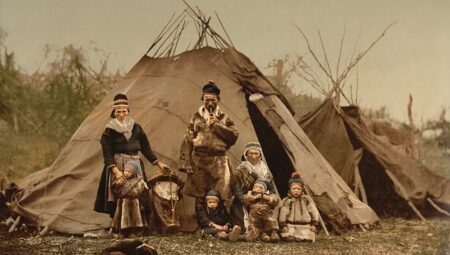
Picture this: a wise elder, draped in traditional attire, captivating a group of wide-eyed children with tales of their ancestors, mythical creatures, and the land they call home. The mountains, rivers, and Northern Lights weave into these stories, breathing life into the landscape. Each tale serves not just to entertain but to instill values, share knowledge about nature’s secrets, and reinforce a sense of identity.
Ever heard of the “joik”? It’s more than just music; it’s a profound form of Sami storytelling that captures emotions and expresses personal experiences. A joik can conjure images of a loved one, a place, or an event, almost like painting with sound. Imagine having the power to evoke deep feelings and memories simply through melodic expressions—that’s what Sami storytelling achieves!
Voices of the North: Unveiling the Rich Tapestry of Sami Oral History
Imagine sitting by a crackling fire, the air thick with anticipation as a Sami elder shares a tale passed down through generations. Each story is a thread, connecting past and present, much like the way they navigate the frozen expanses. The Sami oral history holds more than just entertainment; it’s a survival guide, teaching the values of respect for nature, communal living, and resilience. Think of it as a map that guides them through both the physical and spiritual realms.
What’s truly fascinating is that every story is a reflection of their environment, with animals, the changing seasons, and the northern lights personified, almost like characters in a play. Have you ever felt like a story was speaking directly to your soul? That’s the magic of Sami storytelling; it pulls you in, inviting you to see the world through their eyes.
As you listen, you can almost taste the wild berries and feel the chill of the winter breeze. These sagas, laden with meaning and experience, aren’t just relics of the past—they’re alive, shaping identities and informing the future. The Sami community thrives on these narratives, ensuring that their rich heritage isn’t just preserved but celebrated, keeping their culture vibrant and dynamic for the generations yet to come.
From Elders to Youth: The Vital Role of Storytelling in Sami Culture
Have you ever watched the way a child’s eyes light up as they hear a tale of brave reindeer herders navigating the icy tundra? Those stories are more than entertainment; they’re lessons, reminders of resilience, tradition, and identity. When elders recount their experiences—whether it’s a tale of survival during harsh winters or the importance of nature—they’re not just passing time. They’re instilling values, teaching respect for the land, and cultivating a sense of belonging. It’s like planting seeds in a garden; each story nurtures the growth of understanding and pride in one’s heritage.
And let’s not forget about the youth! The next generation plays a crucial role in keeping these stories alive. They listen, they learn, and they adapt these narratives, often blending old tales with modern experiences. In this dance of dialogue, storytelling transforms into a vibrant tapestry that reflects the dynamic nature of Sami culture. It’s like a river flowing, constantly changing yet maintaining its essence.
Legends of the Land: How Sami Oral Traditions Preserve Indigenous Wisdom
These legends aren’t just bedtime stories; they are the vessel through which the Sami people preserve their indigenous wisdom. By using metaphor and imagery, these tales communicate values, deep-rooted beliefs, and ecological understanding. They teach about the cycles of nature, respect for animals, and the importance of community. It’s like a GPS guiding younger generations through the uncharted waters of life—showing them where to go, what to cherish, and what to avoid.
Ever tried learning about the past just from books? It can be a bit dry, right? But with Sami oral traditions, it’s all about engagement. Picture this: a reindeer galloping across a pristine landscape, the thrilling chase depicted through lively storytelling, where listeners aren’t just passive recipients—they’re part of the experience. This participatory aspect of storytelling makes these legends unforgettable.
The Power of Parable: Exploring the Impact of Sami Storytelling on Identity
The Sami people, indigenous to the Arctic regions of Norway, Sweden, Finland, and Russia, have a rich tapestry of narratives that aren’t merely fables but reflections of their heritage. These stories carry collective memories, values, and wisdom passed down through generations. Each parable serves as a thread that binds individuals to their roots, reminding them of who they are and where they come from. When you listen to a Sami tale, you’re not just being entertained; you’re almost handed a piece of the storyteller’s soul.
Think of storytelling like a mirror—you look into it, and the reflections you see are not just characters or events but the essence of a culture. This helps preserve the Sami identity in a world that’s rapidly changing. In a way, it’s like planting seeds; each story nurtures a sense of belonging and pride among the Sami youth, encouraging them to embrace their heritage fully. The power of parable goes beyond entertainment; it becomes a lifeline, helping the Sami people navigate the complexities of modern existence while staying grounded in their traditions.
Isn’t it fascinating how these tales can hold so much weight? They act as vessels of cultural preservation, ensuring that even in a fast-paced world, the spirit of the Sami continues to thrive through stories.
Echoes of the Past: Sami Oral History as a Tool for Cultural Resilience
Have you ever thought about how our history shapes who we are? For the Sami, their oral traditions are not just echoes of the past; they’re a powerful tool that fortifies their cultural identity. Each story carries lessons about survival, respect for nature, and the importance of community, making them vital for the younger generations to grasp. In a time when many indigenous cultures face the risk of fading away under the weight of modernization, Sami oral history stands as a resilient pillar, reminding them of their roots and values.
These tales are like windows into the Sami worldview, illuminating their relationship with the land and their ancestors. Have you ever noticed how a good story can transport you? Well, for the Sami, their narratives bring the past to life, allowing them to communicate profound truths about their existence. They encapsulate not only hardships but also celebrations that reflect the unique rhythm of Arctic life.
Moreover, in each retelling, the past morphs and adapts, ensuring that the wisdom contained within can be relevant for modern challenges. Just as a river flows and carves its path through rock, preserving the Sami’s oral history allows it to endure against the test of time, nurturing a strong cultural resilience that holds immense importance today. So, the next time you hear a story, think about the legacy it carries and the connections it forges.
The Art of Story: Traditional Sami Narratives in a Modern World
Now, in our fast-paced digital age, you might wonder if these ancient narratives still resonate. The answer? Absolutely! Just as a warm cup of cocoa soothes on a cold day, traditional Sami stories offer comfort and a sense of identity. They remind us of our roots, capturing the struggles and triumphs of the Sami people with a sincerity that’s hard to shake off. Each story is like a thread, intricately woven into the fabric of their culture, showcasing a unique relationship with the land and its resources.
But here’s the twist: modern storytellers, influenced by social media and contemporary themes, are breathing new life into these narratives. Think about it—like a remix of a classic song, today’s artists are blending traditional elements with modern storytelling techniques. This fusion not only attracts younger audiences but also keeps the cultural essence alive in a world buzzing with change.
So, whether you’re scrolling through a captivating TikTok video or tuning into a podcast, you might just find a snippet of Sami storytelling. The charm lies in its adaptability, proving that while the medium changes, the heart of the story remains timeless, whispering secrets of the past while engaging with the present. Isn’t that the magic of storytelling?
Frequently Asked Questions
What is Sami Oral History and Its Significance?
Sami oral history encompasses the traditional narratives, legends, and teachings passed down through generations within the Sami community. It plays a crucial role in preserving cultural identity, connecting individuals to their heritage, and imparting wisdom about the environment, traditional practices, and societal values. This oral tradition fosters community cohesion and ensures the survival of Sami languages and customs.
How Are Sami Stories Passed Down Through Generations?
Sami stories are traditionally passed down through oral storytelling, where elders share tales with younger generations during gatherings. This transmission includes myths, legends, and cultural teachings, often accompanied by music and traditional crafts. The stories not only impart knowledge but also strengthen community bonds and preserve Sami identity.
What Role Do Myths and Legends Play in Sami Culture?
Myths and legends are integral to Sami culture, providing a framework for understanding the world, nature, and identity. They convey moral lessons, preserve history, and strengthen community bonds. These narratives often feature supernatural beings and emphasize the relationship between humans and their environment, ensuring the transmission of traditional knowledge and values across generations.
How Do Sami Oral Traditions Reflect Cultural Identity?
Sami oral traditions encompass stories, songs, and folklore that reflect the community’s cultural identity. These traditions serve as a means of passing down knowledge, values, and history from generation to generation. They highlight the connection to nature, the significance of reindeer herding, and the community’s resilience, thereby reinforcing a sense of belonging and continuity within Sami culture.
What Themes Are Common in Sami Storytelling Traditions?
Sami storytelling traditions often reflect themes of nature, community, and spirituality. They emphasize the relationship between humans and the environment, showcasing the importance of animals and the land. Oral tales frequently explore cultural identity, ancestral heritage, and the significance of the Sami way of life. Additionally, many stories incorporate elements of myth and legend, enriching the moral and ethical lessons conveyed through the narratives.