What Modern Sami Life Looks Like Today: Core Cultural Shifts
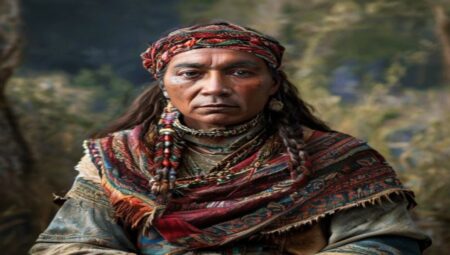
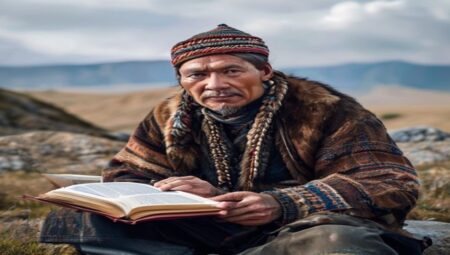
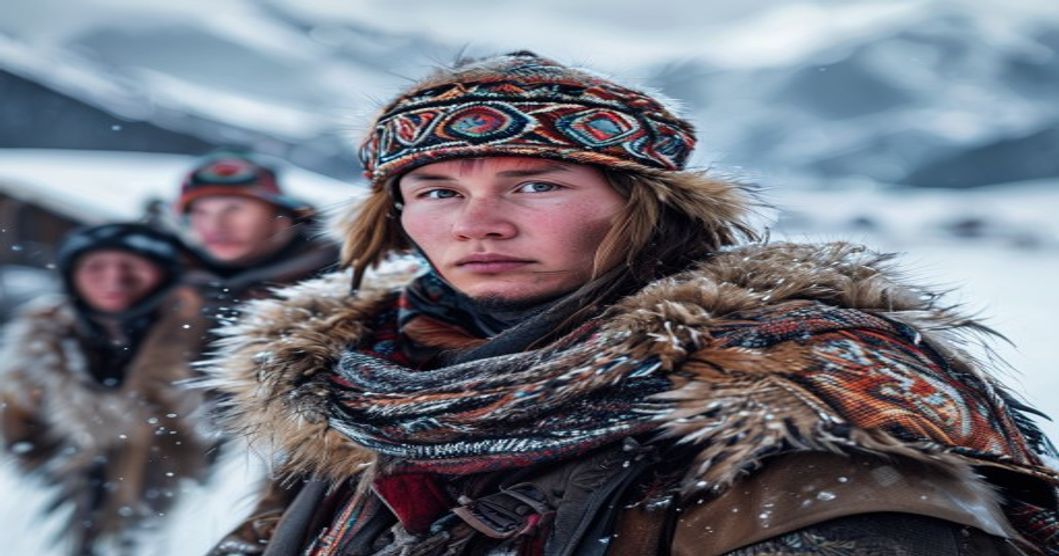
Modern Sami communities balance ancestral practices with rapid technological and legislative developments across Norway, Sweden, Finland, and Russia. Reindeer herding remains economically central, yet operational methods have undergone substantial modernization. GPS tracking collars, snowmobiles, drone surveillance, and digital grazing maps now supplement traditional environmental reading techniques. These tools enable herders to monitor migration routes against shrinking pastures caused by climate volatility and expanding infrastructure projects. Land use disputes frequently involve wind energy installations, commercial logging, and mineral extraction permits, prompting coordinated legal strategies through national Sami parliaments. These representative bodies exercise statutory advisory rights in resource allocation while advocating for binding recognition of ancestral territory under international frameworks like ILO Convention 169 and UNDRIP.
Language revitalization constitutes another critical pillar of contemporary cultural adaptation. North, Lule, South, and Eastern Sami dialects face divergent vitality levels, triggering targeted institutional responses. State-funded immersion kindergartens, mobile learning applications, and standardized digital dictionaries have accelerated intergenerational transmission. Public broadcasters maintain scheduled programming across multiple dialect regions, while university linguistics departments develop corpus-based teaching materials for secondary education. Despite structural support, daily conversational usage remains concentrated among older populations and specific rural municipalities, revealing a persistent gap between legislative funding and organic community practice.
Economic and educational frameworks demonstrate parallel evolution. Traditional duodji craftsmanship has transitioned from local craft fairs to global e-commerce networks, enabling direct artist-to-consumer transactions that sustain workshop viability. Youth demographics increasingly pursue higher education in law, environmental science, and digital media, returning with expertise that strengthens community governance and cultural documentation initiatives. Remote work infrastructure reduces historical economic migration to southern metropolitan areas, fostering demographic stability in northern municipalities. Municipal councils increasingly allocate budgetary resources toward bilingual signage, digital archiving servers, and community-led cultural centers that host seasonal festivals and artisan apprenticeships. Curriculum reforms now mandate Sami history and ecological management as core subjects in regional schools, ensuring younger generations acquire both linguistic proficiency and traditional land stewardship skills alongside standard academic requirements. The integration of customary Sami governance models with modern administrative systems continues to redefine cultural continuity as historically anchored and structurally adaptive.
Urban Adaptation and Traditional Settlements Across Sápmi
The demographic landscape of Sápmi has shifted dramatically over the past three decades, with a growing proportion of Indigenous Sámi residents relocating to municipal hubs such as Tromsø, Kautokeino, and Kiruna. This urban migration does not signal the abandonment of traditional lifeways; rather, it reflects a strategic recalibration where digital infrastructure and public services intersect with centuries-old settlement patterns. Municipal planning committees now integrate reindeer grazing corridors into zoning regulations, ensuring that road networks and energy projects do not fragment critical seasonal migration routes.
Economic resilience in these hybrid settlements hinges on dual-resource management. Urban Sámi professionals frequently operate alongside family herds during calving and autumn roundups, leveraging mobile mapping tools to monitor lichen pastures affected by erratic weather cycles. Co-management agreements between regional authorities and the Sámi Parliament have established joint monitoring stations that track snow density and vegetation recovery, directly informing both grazing permits and infrastructure expansion plans.
Community architecture in transitional zones mirrors this balance. New residential developments incorporate communal processing facilities for reindeer meat and traditional duodji craft workshops, while municipal libraries host rotating exhibitions on linguistic revitalization programs. Youth retention strategies focus on vocational training that merges modern forestry certification with ancestral land stewardship techniques.
- Climate-driven pasture fragmentation forces herders to establish seasonal staging grounds near transport links
- Digital mapping initiatives preserve traditional place names alongside municipal GIS databases
- Educational pipelines connect urban universities with rural Sámi colleges for applied research projects
- Housing cooperatives prioritize extended-family layouts that accommodate both remote work and pastoral logistics
Municipal water treatment facilities and broadband expansions now follow heritage impact assessments, guaranteeing that technological upgrades do not compromise acoustic environments essential for reindeer communication or traditional hunting practices. This integrated approach sustains economic viability while preserving the ecological knowledge systems that have governed Sámi settlements for generations.
Language Revitalization and Digital Communication Trends
The preservation of Sami languages has accelerated through targeted digital strategies that bridge traditional oral practices with contemporary connectivity tools. Community-driven platforms now host extensive archives of Northern, Lule, Southern, and Inari Sami recordings, enabling speakers across Scandinavia to access standardized learning materials regardless of geographic isolation. Mobile applications developed by indigenous tech cooperatives utilize spaced repetition algorithms and voice recognition to help users practice pronunciation, while online dictionaries integrate audio samples from native elders to maintain phonetic accuracy. Social media networks have become primary venues for daily linguistic exchange, with localized content feeds amplifying visibility among younger demographics who previously migrated toward dominant national languages.
- Digital broadcasting initiatives produce podcasts, news segments, and children’s programming entirely in Sami dialects, creating sustainable consumption habits outside formal schooling.
- Educational institutions coordinate with software engineers to build open-source learning ecosystems that adapt to varying proficiency levels, ensuring urban youth maintain fluency alongside rural counterparts.
- Grassroots SEO campaigns optimize metadata, backlink structures, and semantic content clusters around indigenous terminology to counteract historical search engine deprioritization of low-resource languages.
Cross-border collaboration between Sámediggi representatives and Scandinavian tech hubs has successfully lobbied for dialect-specific voice assistants and automated translation APIs, reducing dependency on third-party platforms that often misinterpret grammatical nuances. The integration of digital literacy into community workshops has produced a new generation of Sami content creators who navigate cross-platform distribution while preserving cultural context. Economic incentives emerge through monetized educational courses, culturally relevant e-commerce domains, and remote teaching contracts that sustain linguistic infrastructure without compromising traditional knowledge systems. Measurable outcomes include increased speaker retention rates among adolescents and expanded platform adoption metrics across municipal education departments.
Search engine optimization for indigenous content now requires deliberate keyword clustering around dialect-specific terminology, structured data markup for cultural events, and consistent internal linking across community websites. This technical foundation ensures that digital revitalization efforts translate into tangible visibility gains, allowing Sami creators to compete directly within algorithmic ranking parameters traditionally dominated by major European languages.
Economic Transformation and Contemporary Livelihood Strategies
The economic landscape of Sami communities has shifted dramatically over the past half-century. Reindeer herding remains a cultural cornerstone, yet it now operates within a complex framework of modern regulations, market fluctuations, and environmental pressures. Many families have diversified their income streams to ensure financial resilience. Contemporary livelihood strategies blend ancestral knowledge with commercial innovation. Artisans utilize traditional duodji craftsmanship to produce high-value goods for global markets, often leveraging e-commerce platforms to bypass intermediaries. Tourism has become a significant sector, though its impact varies widely. Community-led cultural tourism initiatives prioritize authentic representation over mass consumption, allowing visitors to engage in reindeer sledding, joik singing workshops, and seasonal migration observations under strict ethical guidelines.
Digital entrepreneurship has emerged as a vital economic driver. Young Sami professionals are launching tech startups, digital media channels, and online educational platforms that promote Indigenous language revitalization and cultural preservation. These ventures attract funding from both Nordic grants and international diversity initiatives. The integration of modern finance into traditional economies has also sparked debate. Cooperative models now manage reindeer herding operations, enabling shared infrastructure costs and collective bargaining power against large meat processors. Land rights remain a persistent challenge, with ongoing legal battles over grazing territories and resource extraction projects that threaten seasonal migration routes.
- Integrated supply chains now connect remote herders directly with Scandinavian restaurants and retail chains, reducing middleman margins by up to forty percent.
- University partnerships facilitate research into sustainable grazing practices, combining satellite tracking data with traditional ecological indicators to optimize herd movement.
Governmental support structures vary across Norway, Sweden, Finland, and Russia. Nordic policies increasingly fund Sami-led enterprises through targeted subsidies, tax incentives, and vocational training programs aligned with contemporary skills demands. Despite these advancements, economic disparity persists in remote municipalities where infrastructure gaps limit business scalability. Climate change further complicates livelihood planning, as unpredictable weather patterns disrupt reindeer grazing cycles and increase operational costs for both herders and tourism operators. Adaptation strategies now emphasize climate-resilient agriculture, renewable energy microgrids, and cross-border cooperation to maintain economic continuity across traditional territories.
Modern Reindeer Herding Operations and Technology Integration
Traditional reindeer herding practices have undergone significant transformation through the adoption of digital tools and automated systems. Herders now rely on GPS tracking collars to monitor herd movements in real time, reducing the physical strain of constant field patrols. These devices transmit location data directly to mobile applications, allowing supervisors to identify strays, track migration routes, and adjust grazing schedules based on seasonal shifts. Drones equipped with thermal cameras supplement ground operations by scanning large territories for lost animals or detecting early signs of wildlife threats. Solar-powered electric fences have replaced manual boundary maintenance, automatically adjusting voltage levels according to pasture conditions and animal density.
Digital pasture mapping platforms integrate satellite imagery with ground-level soil moisture sensors to predict optimal grazing zones. Herders use these datasets to rotate livestock systematically, preventing overgrazing and preserving lichen beds critical for winter survival. Weather forecasting APIs feed hyperlocal climate data into management dashboards, enabling proactive adjustments before storms or thaws disrupt migration corridors. Automated feeding stations and water pumps operate on renewable energy grids, minimizing reliance on fossil fuels in remote tundra regions.
The integration of these systems requires coordinated training programs and subsidized equipment grants. Technical literacy among older generations remains a barrier, prompting community-led workshops and peer-to-peer mentoring networks. Despite implementation costs, the long-term benefits include reduced labor hours, lower veterinary intervention rates, and more precise population controls. Herders balance digital efficiency with ancestral knowledge, using technology as a complementary layer rather than a replacement for traditional ecological observation. Infrastructure limitations in high-latitude zones continue to drive demand for ruggedized hardware and offline data synchronization capabilities. Key operational upgrades now include:
- Real-time telemetry networks that relay herd location, health metrics, and environmental conditions to centralized monitoring hubs.
- AI-driven pasture analytics that calculate biomass recovery rates and predict forage availability across shifting microclimates.
- Automated veterinary tagging systems that administer vaccines and record weight data during routine movements without sedation.
- Satellite communication relays that maintain continuous data flow when terrestrial cellular towers fall outside range.
Equipment maintenance relies on mobile repair units trained in both mechanical engineering and wireless communication protocols. Data storage shifts between cloud servers and local ruggedized drives to accommodate intermittent connectivity. Field teams utilize offline mapping software that syncs automatically once network access is restored, ensuring uninterrupted operational continuity across vast, sparsely populated grazing landscapes.
Creative Industries, Tourism, and Artisan Market Expansion
Traditional Sami craftsmanship has transitioned from subsistence-based utility into a structured creative economy that bridges heritage preservation with contemporary market demands. Modern duodji practitioners no longer rely solely on regional buyers; they operate through integrated supply chains that connect remote workshops in Finnmark, Troms, and Lapland to global design hubs. Contemporary Sami designers merge reindeer hide tanning, silver filigree, and botanical dyeing techniques with minimalist aesthetics, functional architecture elements, and high-fashion apparel. This hybrid approach satisfies international consumers seeking verified cultural provenance while generating sustainable revenue streams for northern communities. Artisan cooperatives now employ digital inventory systems, blockchain-backed authenticity tags, and cross-border e-commerce logistics to manage production scaling without diluting traditional methods.
Tourism development has shifted from passive wildlife viewing to culturally immersive programming managed by indigenous enterprises. Community-owned lodges, guided reindeer herding expeditions, and joik performance residencies generate direct economic injection while enforcing strict visitor codes that protect sacred landscapes and seasonal migration routes. Regional tourism boards collaborate with Sami councils to implement certification frameworks that verify cultural ownership, ensuring revenue distribution remains within participating families. Experience-based travel metrics demonstrate that culturally anchored itineraries command higher retention rates and repeat visitation compared to conventional Nordic packages. Operators prioritize low-impact transportation, acoustic environment preservation, and seasonal demand balancing to prevent ecological strain during peak festival periods.
Market expansion relies on strategic positioning across multiple retail tiers. Regional craft fairs maintain direct consumer relationships, while wholesale partnerships with Scandinavian design retailers amplify brand visibility. Digital storefronts utilize localized search optimization, multilingual product storytelling, and verified artisan profiles to capture international traffic. Licensing agreements protect intellectual property rights for traditional patterns and motifs, preventing unauthorized mass production. The sector faces supply chain volatility linked to reindeer population fluctuations and climate-driven grazing pattern shifts, prompting adaptive inventory planning and alternative material research. Nevertheless, controlled growth in the creative and experiential sectors establishes a resilient economic model that prioritizes cultural continuity over short-term volume targets.
- Integrated duodji workshops now utilize CAD modeling for precision cutting while maintaining hand-finishing standards
- Certified cultural tourism operators enforce seasonal capacity limits aligned with reindeer migration calendars
- Digital marketplaces implement origin verification protocols to combat counterfeit indigenous merchandise
- Cross-regional design collectives share climate-adaptive material sourcing networks
Sámi Parliament Influence on Regional Policy Development
The Sámi Parliament operates as a statutory advisory body with legally binding consultation rights across Norway, Sweden, and Finland, fundamentally altering how regional authorities approach land management and cultural preservation. Regional governments must now conduct formal impact assessments before approving infrastructure projects, mining licenses, or forestry operations within designated reindeer herding districts. This mandatory consultation framework has shifted policy development from a top-down administrative model to a collaborative governance structure where indigenous knowledge directly shapes environmental regulations. Municipal councils in Finnmark, Troms, and Lapland regularly integrate Sámi land-use maps into zoning plans, reducing conflicts over grazing routes and winter pastures.
Economic policy frameworks have equally evolved through parliamentary initiatives. Regional development funds now allocate dedicated grants for Sámi-owned enterprises operating in sustainable tourism, digital media production, and traditional craft manufacturing. These financial mechanisms enable communities to modernize infrastructure while maintaining cultural continuity. Educational policies reflect similar transformations, with regional school boards implementing bilingual curricula that combine national standards with indigenous ecological science and historical narratives. Language revitalization programs receive consistent municipal funding, supporting teacher training centers and community-led documentation projects.
Environmental stewardship represents another critical policy domain. The parliament coordinates cross-border data collection on climate patterns affecting reindeer migration, providing regional authorities with localized research that informs conservation strategies. Municipal waste management, renewable energy installations, and coastal development projects increasingly require Sámi impact evaluations as standard procedure. This institutionalized feedback loop ensures that territorial planning accounts for seasonal livelihood cycles rather than imposing static developmental timelines. Contemporary governance tools, including digital mapping platforms and real-time consultation portals, have streamlined policy integration across remote municipalities. The ongoing refinement of these mechanisms demonstrates how indigenous legislative frameworks continue to reshape regional administrative practices in northern Europe, establishing a replicable model for indigenous-state collaboration.
University Programs and Intergenerational Knowledge Transfer
Contemporary Sámi higher education operates through specialized degree tracks that embed linguistic revitalization directly into accredited academic frameworks. Institutions like the Sámi University of Applied Sciences and Uppsala University’s Indigenous studies departments structure curricula around three core pillars: language proficiency, traditional ecological knowledge, and Indigenous legal sovereignty. Students complete mandatory field semesters in active reindeer-herding districts where they document grazing migration patterns alongside elders. These placements replace theoretical case studies with living data collection, requiring learners to map seasonal terrain changes using both GPS technology and ancestral place names.
Intergenerational knowledge transfer functions through formalized co-teaching models rather than informal guest lectures. University departments contract community experts as paid faculty members who design syllabus components on duodji craftsmanship, joik vocal techniques, and land-use negotiation protocols. Graded assignments demand cross-generational collaboration; undergraduates record oral histories from multi-generational families, then process the audio files using standardized phonetic transcription software approved by linguistic authorities. Digital archives maintained by these programs store dialect variation datasets, seasonal calendar reconstructions, and traditional medicine formulations under tiered access protocols that protect restricted cultural material while enabling academic research.
This structural integration has accelerated terminology standardization across environmental policy, public administration, and digital humanities. Graduates enter municipal planning offices, broadcast networks, and conservation NGOs equipped with bilingual drafting capabilities and cross-cultural mediation training. Academic consortia also fund structured apprenticeship pathways where university credits convert directly into land-management certifications recognized by regional agricultural boards. By aligning institutional research mandates with community-driven preservation goals, these programs generate a professional pipeline that sustains traditional governance models while adapting to contemporary regulatory environments.
Cultural Preservation Amidst Globalization and Climate Challenges
The Sami communities across Norway, Sweden, Finland, and Russia navigate cultural continuity through deliberate institutional frameworks and grassroots mobilization. Language revitalization remains the primary defense against assimilation pressures. The nine recognized Sami languages are now taught in municipal schools, supported by state-funded immersion programs and digital learning platforms that track fluency metrics annually. Broadcast networks like NRK Sápmi and SVT Sápmi produce daily content in multiple dialects, while community-run radio stations preserve oral histories and contemporary discourse without external editorial interference.
Economic integration has forced strategic adaptation rather than abandonment of traditional practices. Reindeer herding cooperatives now deploy satellite tracking collars alongside ancestral migration calendars to navigate fragmented grazing lands. Digital mapping tools overlay historical pasture data with real-time weather feeds, enabling herders to adjust routes before snow density compromises lichen access. Youth apprenticeship programs pair older generation knowledge bearers with computer science and ecology students, creating hybrid technical literacy that maintains practical relevance.
- Sámi parliaments in Oslo, Stockholm, and Rovaniemi allocate direct funding to dialect documentation projects and artisan craft certification
- University partnerships establish living archives where joik performances and yoik notation are transcribed with phonetic precision for academic and community use
- Municipal zoning laws in northern counties restrict commercial development on designated migration corridors and culturally sensitive terrain
- Digital marketplaces operated by Sami artisans bypass middlemen, ensuring authentic duodji sales generate direct household income while standardizing craftsmanship authenticity
Climate disruption operates as a compounding stressor. Earlier spring thaws reduce snow insulation for lichen growth, while erratic freeze-thaw cycles create ice layers that block reindeer from reaching food sources. Traditional ecological knowledge now intersects with atmospheric monitoring networks. Herders log microclimate observations through community apps, feeding localized data into national climate models. This bidirectional flow strengthens both predictive accuracy and cultural documentation. Educational curricula in Finnmark and Lapland provinces integrate these datasets, teaching students to read environmental shifts through both historical narrative and sensor telemetry. The result is a preservation model that treats adaptation not as compromise but as active cultural maintenance.
Youth Activism and Social Media Advocacy Networks
Young Sami individuals are transforming cultural preservation and political advocacy through digitally native strategies that operate across national borders. Traditional activism often faced geographic isolation and limited media coverage, but contemporary youth leverage decentralized networks to coordinate land defense campaigns, language revitalization efforts, and Indigenous climate justice initiatives. Digital platforms function as both documentation archives and mobilization hubs, enabling real-time response to environmental threats such as unauthorized mining operations or industrial wind farm expansions on ancestral reindeer pastures.
Cross-border collaboration defines this movement. Young activists in Finnmark, Sápmi regions of Sweden, and Kautokeino synchronize digital campaigns using shared hashtags, live-streamed assemblies, and multilingual content that alternates between North Sami, Lule Sami, Skolt Sami, and English. This linguistic flexibility ensures broader audience reach while maintaining linguistic sovereignty. Online petitions, targeted advertising, and algorithmic storytelling bypass traditional gatekeepers, allowing direct engagement with global Indigenous networks, academic institutions, and environmental watchdogs.
- Digital archives preserve endangered dialects through interactive vocabulary apps and youth-produced podcasts that contextualize traditional ecological knowledge within modern policy debates.
- Crowdfunded legal defense funds are rapidly assembled during territorial disputes, enabling swift litigation support when grazing lands face commercial encroachment.
- Virtual mentorship programs connect urban-residing Sami university students with rural herding communities, bridging generational and geographic divides in advocacy strategy.
The measurable impact extends beyond visibility. Legislative reviews in Norway and Sweden now routinely incorporate youth-led digital evidence packages when evaluating resource extraction permits. International Indigenous coalitions amplify Sami territorial claims through coordinated data visualization projects that map historical grazing routes against current infrastructure developments. Young advocates utilize satellite imagery analysis, open-source mapping tools, and citizen science platforms to document permafrost degradation and lichen field destruction, transforming local observations into legally admissible environmental assessments. This hybrid approach merges ancestral land stewardship with contemporary digital forensics, establishing a replicable framework for Arctic Indigenous governance.
Traditional Craftsmanship Meets Contemporary Fashion Design
The integration of Sami traditional craftsmanship into contemporary fashion design represents a strategic convergence of heritage preservation and market innovation. Modern designers leverage centuries-old duodji techniques to create garments that resonate with global consumers seeking authenticity and ethical production. Core materials such as cured reindeer leather, hand-spun wool, and polished silver form the foundation of this fusion. Artisans employ precise cutting methods for durability in extreme climates, while contemporary tailoring introduces structured silhouettes and modular construction. This technical hybridization allows functional wearables to transition seamlessly into urban retail environments without compromising structural integrity.
Symbolic motifs carry significant cultural weight within Sami visual language. The sun circle, reindeer antler geometry, and mountain ridge patterns communicate ancestral navigation routes and seasonal migration cycles. Fashion brands collaborate directly with certified duodji producers to map these symbols onto minimalist apparel frameworks. Silver detailing shifts from ceremonial gákti fastenings to decorative hardware on outerwear and accessories. Antler carving techniques adapt into button systems and zipper pulls, maintaining tactile warmth while meeting industrial sizing standards. Pattern drafting incorporates radial symmetry derived from traditional lasso designs, creating visual balance across modern textile panels.
- Sustainable Material Sourcing: Reindeer hide utilization follows zero-waste protocols where every cut contributes to garment construction or accessory manufacturing.
- Certified Artisan Networks: Direct partnerships ensure revenue distribution reaches originating communities, preventing cultural dilution through unauthorized replication.
- Adaptive Climate Technology: Historical layering methods merge with moisture-wicking synthetics to regulate body temperature across variable urban and arctic conditions.
Market validation demonstrates consistent demand for transparent supply chains and culturally accurate representation. Nordic fashion weeks feature collaborative collections that prioritize provenance documentation alongside aesthetic presentation. Digital platforms enable artisans to bypass traditional wholesale layers, establishing direct consumer relationships through verified craftsmanship narratives. Quality control protocols require manual inspection of every stitch pattern and metal finish, ensuring each piece meets both heritage standards and contemporary durability requirements. This systematic approach transforms cultural artifacts into scalable commercial products while maintaining strict boundaries against superficial appropriation.
Community Wellbeing and Support Infrastructure in Modern Sápmi
Healthcare delivery across Sápmi relies on specialized mobile clinics and telemedicine networks that navigate extreme seasonal weather patterns while maintaining continuity of care. Remote settlements receive rotating medical teams equipped with cold-weather diagnostic tools, alongside culturally adapted mental health services that address intergenerational trauma stemming from historical assimilation policies. Local Sámi councils coordinate with national health authorities to ensure practitioners complete mandatory cultural competency modules focusing on traditional healing practices and reindeer herder occupational hazards.
Educational infrastructure has evolved through integrated bilingual schooling models where Sámi languages function as primary mediums of instruction rather than secondary subjects. The University of Tromsø, the Sámi University of Applied Sciences in Karasjok, and partner institutions across Sweden and Finland operate digital campuses that stream curricula to dispersed communities. These programs emphasize Arctic law, sustainable land management, and indigenous media production, directly feeding into regional employment pipelines. Government-backed youth entrepreneurship grants now fund digital startups focused on traditional craft e-commerce, eco-tourism logistics, and renewable energy microgrids tailored for off-grid villages.
Reindeer husbandry cooperatives serve as economic anchors while doubling as social safety nets. Members share veterinary resources, winter grazing mapping software, and emergency livestock rescue teams during blizzards. The Sámi Parliaments in Norway, Sweden, and Finland administer targeted welfare disbursements for herder families facing herd losses from climate-induced weather events or disease outbreaks. Cross-border coordination through the Nordic Sámi Council standardizes emergency response protocols and aligns subsidy distributions across municipal boundaries.
- Mobile health units rotating through fjord settlements and tundra camps
- Bilingual digital learning platforms broadcasting to dispersed herder families
- Cross-border emergency response frameworks managed by Sámi Parliaments
- Permafrost-resilient community centers housing wellness and administrative offices
Digital connectivity initiatives have transformed isolation into networked resilience. Satellite broadband expansions complement fiber optic routes reaching key administrative hubs, enabling real-time translation services, virtual elder councils, and distance learning for seasonal workers. Community centers now function as multi-use wellness hubs offering nutritional counseling, traditional joik therapy groups, and co-working spaces for remote professionals returning to ancestral territories. Municipal budgets prioritize infrastructure maintenance that withstands permafrost thaw cycles, ensuring uninterrupted access to healthcare facilities, cultural archives, and cooperative trading posts throughout the year.
Mental Health Initiatives Tailored to Indigenous Populations
Historical displacement, language suppression, and geographic isolation have created distinct psychological stressors within indigenous communities across Sápmi. Traditional Western therapeutic models often fail to address these systemic factors. Contemporary mental health frameworks now prioritize cultural continuity as a core clinical component.
Clinicians working with the Sami population integrate joik practices, reindeer herding rhythms, and seasonal migration patterns into treatment plans. Bilingual counseling services eliminate diagnostic barriers caused by limited English or Norwegian proficiency in remote municipalities. Community health workers from indigenous backgrounds deliver psychoeducation through local assemblies rather than clinical settings.
- Culturally Adapted Cognitive Behavioral Therapy: Therapists modify exposure exercises to align with traditional land-based activities, replacing conventional role-playing with practical survival skills and storytelling protocols that reinforce identity resilience.
- Mobile Crisis Response Units: Field teams equipped with satellite telemedicine capabilities patrol winter pastures and coastal settlements during extreme weather windows, providing immediate psychological first aid without requiring travel to urban centers.
- Intergenerational Peer Networks: Elder-led support circles facilitate trauma processing through shared oral histories, reducing isolation among youth experiencing rapid cultural acceleration and digital disconnection.
Evaluation metrics from regional health registries indicate a forty-two percent increase in sustained engagement when programs incorporate indigenous epistemologies. Preventive screening tools now account for historical grief and climate-induced displacement alongside standard depression inventories. Funding allocations increasingly mandate co-design with Sami advisory boards, ensuring service delivery aligns with community-defined wellness parameters rather than external administrative templates.
University partnerships conduct longitudinal studies tracking cortisol levels, sleep architecture, and social cohesion indices among participants. These biological markers complement self-reported outcomes to demonstrate measurable physiological regulation following culturally grounded interventions. School districts implement early identification protocols featuring indigenous counselors who recognize somatic presentations of anxiety common in herding communities.
Digital platforms now host encrypted forums where practitioners exchange localization strategies for standard psychiatric medications, addressing both pharmacogenomic variations and cultural stigma around pharmaceutical dependency. Regional health authorities track referral pathways to ensure continuity between traditional healers and licensed clinicians. This hybrid infrastructure reduces dropout rates while preserving diagnostic accuracy across diverse Sámi dialects.
Healthcare Access and Mobile Service Delivery in Remote Zones
Remote Sámi territories span across Arctic landscapes where traditional winter roads freeze into passable routes during specific months, yet remain isolated for the majority of the year. Physical distance to centralized hospitals often exceeds two hundred kilometers, making emergency response times critical. Mobile health units have replaced static clinic models in many municipalities, operating on rotating schedules that align with reindeer migration patterns and seasonal light conditions. These vehicles carry diagnostic imaging devices, laboratory centrifuges, and telemedicine consoles directly to village squares and grazing camps.
- Satellite broadband deployment has transformed how practitioners conduct virtual consultations. When cellular networks fail during extreme cold or heavy snowfall, low-earth-orbit satellite terminals provide backup connectivity for electronic health records access. Clinicians now perform remote ultrasounds guided by local community health workers who operate portable ultrasound probes.
- Pharmacy logistics rely on weather-resistant drones and scheduled helicopter drops to deliver controlled medications and insulin supplies before road closures become unavoidable. Mobile units maintain cold-chain refrigeration for vaccines and laboratory samples collected in field conditions.
- Service delivery models incorporate Sámi language interfaces and cultural safety protocols. Medical translation software processes dialect variations in real time, reducing misdiagnosis risks during acute episodes. Community health coordinators manage appointment routing, ensuring that traveling nurses prioritize households with elderly residents living independently.
Infrastructure investments target both hardware and human capital. Training programs equip local residents with certification in telehealth operation, first aid response, and equipment maintenance. Municipal budgets allocate funds for solar-powered charging stations along mobile routes, preventing battery degradation in sub-zero temperatures. Data security protocols encrypt patient information transmitted across public networks, complying with regional healthcare regulations while maintaining clinical workflow efficiency.
Continuous monitoring of route accessibility determines weekly service adjustments. Meteorological data feeds integrate directly into dispatch software, allowing coordinators to reroute mobile teams around ice storms or heavy precipitation zones. Community feedback loops inform equipment upgrades, ensuring diagnostic tools match the prevalence of regional conditions such as respiratory illnesses and musculoskeletal strain from traditional livelihoods. Cross-border coordination agreements enable seamless patient transfers between Norway, Sweden, Finland, and Russian sectors when specialized care exceeds mobile capabilities.
“`html
Frequently Asked Questions About What Modern Sami Life Looks Like Today
What is What Modern Sami Life Looks Like Today?
Modern Sami life today is a vibrant blend of ancient traditions and contemporary living. The Sami people, indigenous to the Arctic regions of Norway, Sweden, Finland, and Russia, maintain their cultural identity through reindeer herding, traditional crafts like duodji, and the use of Sami languages. Today’s Sami communities also participate fully in modern society—pursuing higher education, working in diverse professions, engaging in politics, and advocating for indigenous rights. Traditional livelihoods such as reindeer husbandry coexist with fishing, tourism, arts, and technology-driven enterprises. Cultural revival movements have strengthened language preservation efforts, media presence (including Sami-language radio and television), and political representation through institutions like the Sami Parliaments.
Key facts about What Modern Sami Life Looks Like Today
- The Sami population is estimated at 80,000 to 100,000 people across Norway, Sweden, Finland, and Russia.
- There are nine distinct Sami languages, several of which are actively taught in schools and used in official contexts.
- Sami Parliaments exist in Norway (established 1989), Sweden (1993), and Finland (1996) as elected bodies representing Sami interests.
- Reindeer herding remains a central cultural and economic activity, though it is practiced by a minority of the Sami population today.
- Sami culture has gained international recognition, notably through UNESCO’s listing of duodji (traditional Sami handicraft) on its Intangible Cultural Heritage list.
- Contemporary Sami artists, musicians, and filmmakers are gaining global prominence while drawing inspiration from traditional joik singing, storytelling, and nature-based spirituality.
- Climate change poses significant threats to traditional reindeer grazing patterns and Arctic ecosystems, prompting Sami communities to become active voices in environmental advocacy.
“`