Archaeological Discoveries About Sami People
Prehistoric Settlement Patterns in Northern Fennoscandia
Excavations at Kautokeino and Leirpoll expose seasonal campgrounds dating to the Late Bronze Age. Stratigraphic layers reveal repeated occupation cycles aligned with reindeer migration routes. Archaeologists identify posthole clusters and ash deposits to map temporary dwelling footprints. Soil micromorphology confirms transhumant pastoralism shaped land use across northern Fennoscandia.
Artifact Analysis and Technological Adaptations
Recovered antler arrowheads display microwear patterns consistent with large-game hunting. Metallurgical assays detect tin-bronze alloys traded from Scandinavian coastal hubs. Bone tool assemblages demonstrate specialized fishhook manufacturing techniques. Material sourcing proves reciprocal exchange networks connected indigenous foragers with agrarian neighbors.
Ancient DNA Migration Routes and Population Genetics
Paleogenomic sequencing isolates Y-chromosome haplogroups linked to eastern hunter-gatherer lineages. Mitochondrial DNA profiles indicate matrilineal continuity across three millennia. Isotope analysis traces dietary shifts from marine protein to terrestrial caribou. Genetic drift events correlate with medieval climate anomalies forcing highland relocation.
Rock Art and Symbolic Communication Systems
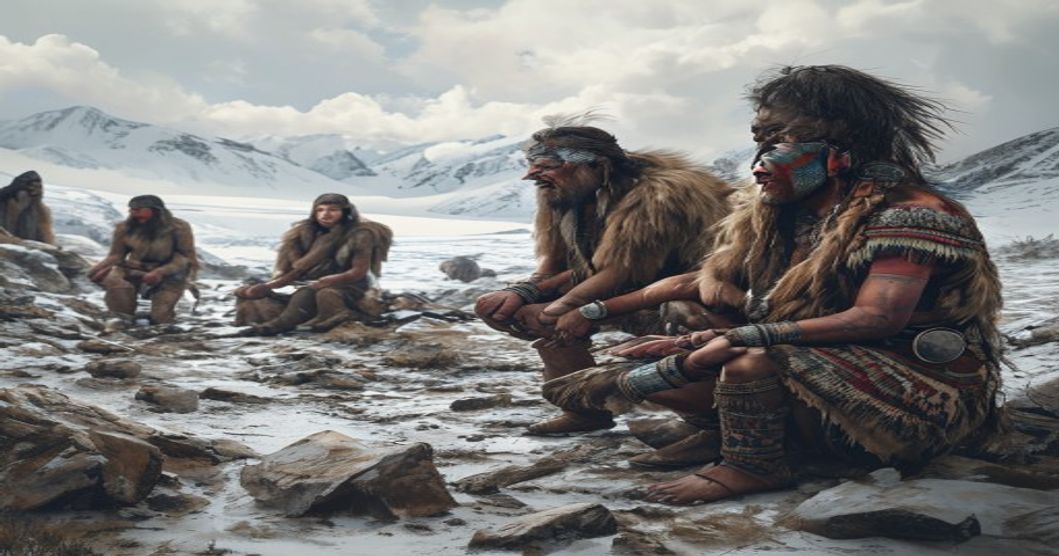
Reindeer petroglyphs at Astuvansalmi depict ritualized herding sequences. Ochre pigment residues reveal symbolic body marking practices. Spatial distribution patterns align with astronomical solstice markers. Iconographic decoding confirms shamanic cosmology structured territorial boundaries.
Ritual Sites and Sacred Landscape Mapping
Stone cairn alignments mark seasonal offering locations near glacial lakes. Charred bone fragments indicate communal feasting ceremonies. Topographic surveys identify natural amphitheaters used for vocal acoustics. Sacred site preservation requires non-invasive survey protocols to prevent desecration.
Medieval Trade Networks and Economic Integration
Silver hoards contain Islamic dirhams proving transcontinental trade routes. Weighted scales recovered from coastal markets standardize fur currency exchanges. Craft specialization emerges in antler comb production for urban export. Economic stratification becomes visible in grave good disparities.
Colonial Impact and Archaeological Erasure
State-sponsored missions systematically destroyed shamanic drums and ritual objects. Land enclosure laws fractured traditional grazing corridors. Academic archives historically misclassified indigenous artifacts as Norwegian relics. Repatriation demands challenge institutional custody claims.
Indigenous Research Methods and Knowledge Integration
Laponia and Sámi heritage councils mandate co-director protocols for all northern excavation permits. Oral tradition mapping cross-references place-name etymology with stratigraphic findings. Non-invasive ground-penetrating radar minimizes cultural site disturbance. Data sovereignty frameworks require Sámi institutional review before artifact publication.
Current Debates in Sámi Archaeological Interpretation
Chronological misattribution persists when Sámi artifact types merge with Norwegian royal hoards. Cultural attribution models struggle to separate indigenous and Finnic material signatures. Dating technique disputes center on reservoir effects in marine-derived carbon samples. Academic peer review increasingly demands Sámi epistemological frameworks in interpretive publications.
Preservation Standards and Future Fieldwork Priorities
Microclimate monitoring systems track organic artifact degradation in permafrost and acidic bog environments. 3D photogrammetry archives fragile textile fragments before chemical stabilization begins. Drone-based LiDAR identifies buried dwelling foundations beneath dense taiga canopies. Funding allocation prioritizes climate-threatened coastal sites over stable inland locations.
Frequently Asked Questions: Archaeological Discoveries About Sami People
What is Archaeological Discoveries About Sami People?
Archaeological discoveries about the Sami people refer to the systematic excavation and study of ancient artifacts, settlements, burial grounds, and environmental remains that uncover the historical, cultural, and spiritual evolution of the indigenous Sami communities across northern Fennoscandia and the Kola Peninsula.
Key facts about Archaeological Discoveries About Sami People
Key facts include the dating of early reindeer domestication sites to over 5,000 years ago, the unearthing of distinctively patterned Sami jewelry and clothing fragments, evidence of ancient trade routes connecting Sami hunter-gatherers with medieval Scandinavian and Russian populations, and modern genetic studies confirming long-term continuous habitation in Arctic regions.