The Foundations of Sámi Child-Rearing
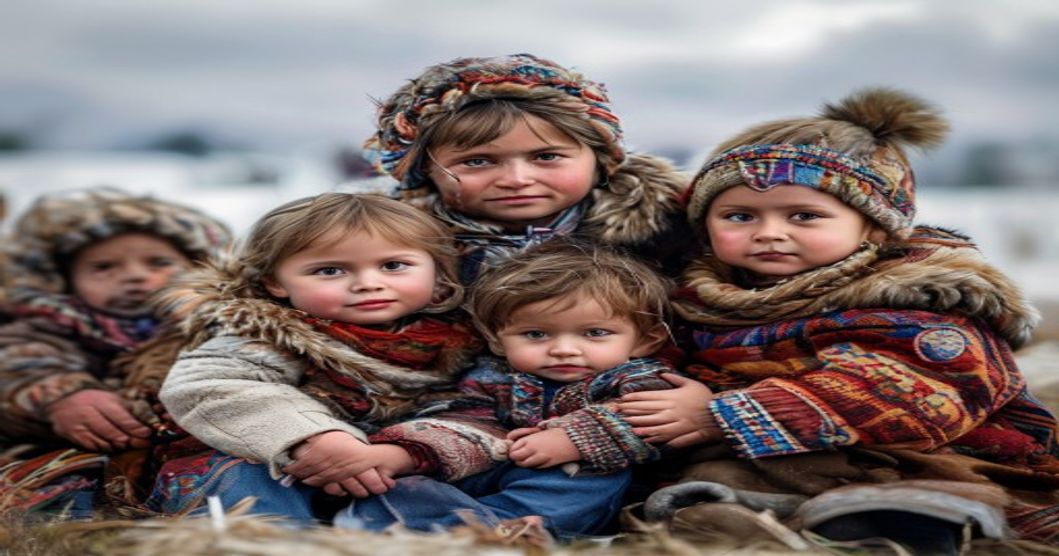
Sámi parenting rests on generations of Arctic survival strategies refined through oral tradition and lived experience. Unlike individualistic models, this approach centers the child within a tightly knit kinship network where elders, peers, and caregivers share equal responsibility for development.
Community-Centric Upbringing
The concept of shared guardianship ensures that no single parent bears the full burden of child-rearing. Children learn social cohesion early by participating in daily household routines, seasonal migrations, and communal decision-making. This collective framework reduces isolation during early development and accelerates emotional regulation.
Nature as the Primary Classroom
Sámi children absorb ecological literacy through direct interaction with tundra, forests, and waterways. Seasonal tracking, weather pattern recognition, and flora identification become implicit curriculum. This nature-immersed learning builds spatial awareness and adaptive problem-solving long before formal schooling begins.
Bridging Ancient Wisdom and Contemporary Challenges
Modern Sámi families navigate cultural continuity while engaging with standardized education systems, digital media, and economic shifts. The integration of traditional practices into daily routines requires deliberate structuring rather than passive inheritance.
Language Transmission in Digital Eras
Sámi language preservation remains a cornerstone of parenting strategy. Caregivers implement immersion-based dialogue at home, supplementing formal school instruction with storytelling, yoik singing, and environmental naming rituals. Digital archives now store dialect variations, enabling remote relatives to maintain linguistic bonds across distances.
Adapting Reindeer Herding Traditions
Reindeer husbandry once dictated every aspect of family life. Contemporary practitioners modify seasonal movements to align with fixed academic calendars and veterinary schedules. Children still learn animal behavior, saddle crafting, and navigation, but through structured weekend programs and youth cooperatives rather than year-round residency in traditional lavvu encampments.
Educational and Psychological Frameworks
Developmental outcomes in Sámi communities reflect distinct cognitive and emotional priorities. The absence of rigid testing aligns with a culture that values observation, patience, and iterative skill acquisition.
Play-Based Learning and Survival Skills
Traditional games double as technical training. Ski racing builds endurance and balance; hide-and-seek in snowdrifts teaches wind direction and camouflage; knot-tying contests reinforce fine motor precision. These activities embed functional literacy without explicit instruction.
Resilience Through Cultural Identity
Identity formation follows a trajectory of cultural grounding rather than assimilation pressure. Children internalize Sámi values like reciprocity, environmental stewardship, and collective success. Longitudinal studies indicate lower rates of adolescent alienation when families maintain active participation in festivals, craft guilds, and land-based mentorship.
Modern Implementations and Global Relevance
Sámi parenting practices offer transferable frameworks for non-indigenous families seeking sustainable child development models. The emphasis on ecological literacy, intergenerational dialogue, and skill-based education addresses contemporary gaps in urban upbringing.
Sámi Parenting in Urban Settings
Relocation to cities like Tromsø, Kiruna, or Rovaniemi requires intentional cultural replication. Families establish micro-traditions: weekend foraging walks, digital storytelling archives, and neighborhood skill-sharing networks. These adaptations preserve core values while accommodating infrastructure realities.
Cross-Cultural Insights for Contemporary Families
Researchers note that Sámi methods reduce screen dependency by prioritizing tactile engagement and outdoor problem-solving. The practice of assigning age-appropriate responsibilities accelerates executive function development. International parenting programs increasingly incorporate Sámi principles to combat attention fragmentation and ecological disconnection in youth populations.
Frequently Asked Questions: Raising Children in Sami Culture
What is Raising Children in Sami Culture?
Raising children in Sami culture refers to the traditional and contemporary practices of the Sami people, an indigenous group primarily inhabiting the northern regions of Norway, Sweden, Finland, and Russia. It emphasizes a deep connection to nature, reindeer herding, oral storytelling, bilingual education (Sami and the national language), and strong community bonds, with children actively participating in cultural and subsistence activities from a young age.
Key facts about Raising Children in Sami Culture
Key facts include: (1) Children learn survival skills and reindeer herding through hands-on experience with elders; (2) Sami languages are taught alongside national languages to preserve linguistic heritage; (3) Education strongly integrates traditional ecological knowledge and seasonal migration patterns; (4) Community and extended family play a central role in childcare and socialization; (5) Modern Sami parenting balances cultural preservation with adaptation to contemporary societal structures and legal frameworks.