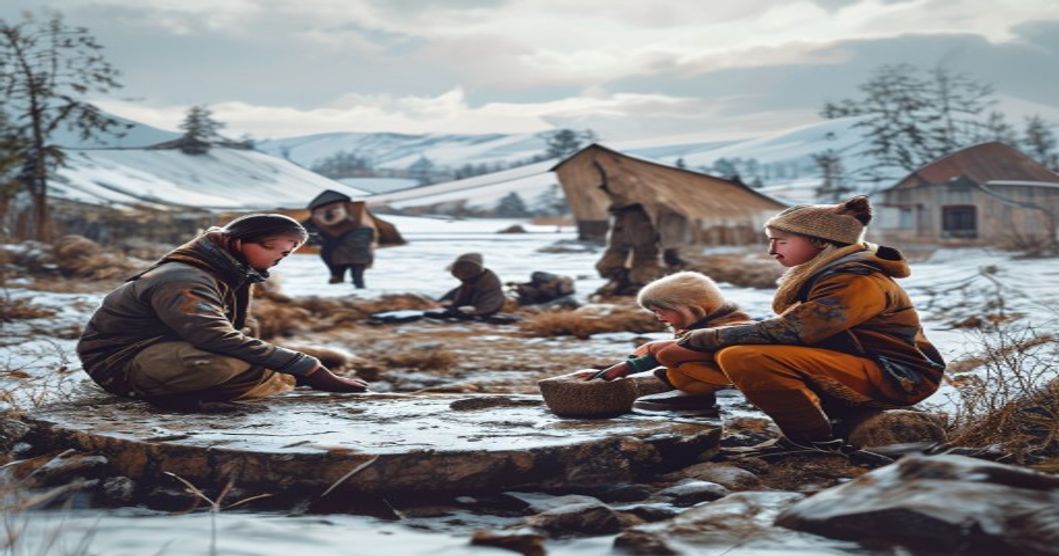
Community Projects Protecting Sami Heritage: A Comprehensive Guide
The Sami people, indigenous to the Arctic regions spanning Norway, Sweden, Finland, and Russia, face persistent challenges in preserving their distinct cultural identity. Community-driven initiatives have emerged as the primary defense against linguistic erosion, land dispossession, and the gradual disappearance of traditional ecological knowledge. These grassroots efforts operate outside institutional frameworks, relying on localized funding, volunteer coordination, and intergenerational mentorship to sustain cultural continuity.
Language revitalization stands at the center of most preservation campaigns. With three main Sami languages facing varying degrees of endangerment, local cooperatives establish immersion schools, mobile language cafés, and digital dictionaries. Volunteers record elder speakers, transcribe oral histories, and develop smartphone applications that teach grammar through contextual usage. Municipal grants and Nordic cultural foundations frequently finance these tools, ensuring accessibility for younger demographics who traditionally migrated to urban centers.
- Sámi Duodji Revival Programs: Artisans organize workshops where master craftsmen transmit traditional woodworking, metalworking, and textile techniques. Participants learn to process reindeer hide, carve bone tools, and apply natural dyes, transforming heritage crafts into sustainable micro-economies.
- Reindeer Herding Conservation Networks: Grazing communities monitor migration routes using satellite mapping and shared GPS data. These networks document historical pasture lands, negotiate grazing rights with forestry agencies, and train younger herders in seasonal navigation and animal welfare practices.
- Digital Archive Collaboratives: Indigenous tech collectives partner with regional universities to digitize photographs, yoik narratives, and joik recordings. Open-access repositories employ metadata standards that respect Sami data sovereignty protocols, preventing unauthorized commercial exploitation.
Economic sustainability remains critical for long-term preservation. Many projects integrate cultural tourism with strict community oversight, ensuring visitors engage respectfully rather than consume heritage as entertainment. Cooperative businesses sell authentic duodji products through verified online markets, redirecting profits into youth stipends and land restoration efforts. Policy advocacy groups also leverage these grassroots successes to influence national education curricula and indigenous rights legislation.
Climate change introduces additional pressures on traditional practices. Shifting snow conditions disrupt reindeer foraging patterns, while unpredictable winters threaten joik performance seasons. Community response mechanisms include adaptive resource management training, cross-border knowledge exchange forums, and emergency funding pools for affected families. Success relies on maintaining autonomous decision-making structures while building strategic alliances with environmental NGOs and academic researchers.
Measuring impact requires tracking both quantitative metrics and qualitative cultural shifts. Programs monitor language speaker growth, craft production volumes, and youth participation rates alongside community well-being indicators. Regular assessment cycles allow organizers to reallocate resources, refine pedagogical approaches, and expand successful models into neighboring territories. The effectiveness of these initiatives demonstrates that decentralized, locally governed preservation strategies outperform top-down institutional mandates when safeguarding living heritage.
Mapping Core Sámi Preservation Initiatives Across Sápmi
The preservation infrastructure across Sápmi relies on coordinated territorial mapping that aligns cultural documentation with land use patterns. Sámi communities utilize participatory GIS platforms to chart historical grazing routes, sacred sites, and traditional resource extraction zones. These spatial datasets directly inform municipal planning decisions and support legal claims for customary land tenure. When territorial boundaries overlap with state-managed forestry or mining concessions, mapped heritage layers provide critical evidence in environmental impact assessments. Cross-border mapping consortia synchronize reindeer migration corridors with seasonal settlement patterns, enabling adaptive management protocols that respect ecological thresholds while maintaining continuity with historical land stewardship practices.
Language revitalization efforts operate through localized mapping networks that track speaker distribution and intergenerational transmission rates. Community linguists record dialectal variations across Finnmark, Norrbotten, Lapland, and the Kola Peninsula, then integrate audio archives with geotagged metadata. Digital repositories now link joik performances to specific valleys, while duodji tool production is cataloged alongside raw material sourcing regions. This geographic tagging prevents cultural commodification by establishing clear provenance for every documented practice. Indigenous-led servers host unmediated recordings, handwritten field notes, and satellite imagery, ensuring data sovereignty remains within Sámi institutions rather than external academic databases.
- Territorial Documentation: Mapping protocols prioritize ecological thresholds alongside cultural markers, allowing communities to adjust grazing schedules when climate shifts alter vegetation cycles or water availability.
- Digital Archiving Infrastructure: Decentralized storage networks replicate heritage datasets across regional institutions, preventing single-point failures and guaranteeing long-term accessibility for future generations.
- Policy Integration Mechanisms: Mapped heritage zones feed directly into regional development frameworks, triggering mandatory cultural impact reviews before infrastructure approval or resource extraction permits are issued.
Youth engagement strategies deploy interactive mapping tools that overlay historical place names with contemporary land management data. Educational programs require students to navigate ancestral toponyms alongside modern administrative boundaries, reinforcing cognitive connections between language and territory. Field researchers train community members in photogrammetry and spatial analysis, transforming local knowledge holders into technical documentarians. This capacity building eliminates dependency on external consultants while maintaining methodological rigor. Funding allocation follows mapped priority corridors rather than political borders, directing multinational heritage grants toward contiguous cultural landscapes where linguistic continuity intersects with ecological stewardship.
Monitoring dashboards track project completion against baseline spatial data, allowing communities to adjust strategies when environmental degradation or policy shifts threaten documented sites. Continuous cartographic updates ensure preservation efforts remain responsive to landscape changes and shifting resource accessibility patterns. By anchoring initiatives in verifiable geographic coordinates, Sámi organizations maintain operational transparency, streamline cross-jurisdictional coordination, and secure long-term institutional support without compromising cultural autonomy.
Language Revitalization Programs and Educational Frameworks
The restoration of Sámi languages relies on structured immersion models that integrate early childhood education with secondary curriculum development across Norway, Sweden, and Finland. Municipal authorities have implemented mother-tongue instruction tracks where linguistic continuity begins before formal schooling, ensuring phonological and syntactic foundations align with native speech patterns. Digital infrastructure now supports these frameworks through open-source dictionaries, conjugation databases, and mobile applications that standardize orthography across North Sámi, South Sámi, Inari Sámi, and Skolt Sámi dialects.
Educational institutions collaborate directly with indigenous councils to design competency-based syllabi. Teacher certification programs emphasize phonetic training, historical linguistics, and cultural context to prevent structural dilution during classroom delivery. Universities in Tromsø and Kautokeino coordinate semester-long field studies where students document oral histories, map place-name etymologies, and record elder narratives for archival preservation.
- Immersion Curriculum Design: Early-grade modules prioritize conversational fluency through narrative storytelling, seasonal activity vocabulary, and kinship terminology before introducing written syntax.
- Digital Lexicography Platforms: Crowdsourced databases enable real-time updates from native speakers, reducing publication lag between dialectal variations and standardized reference materials.
- Intergenerational Transmission Protocols: Community-led workshops pair certified instructors with household elders to map cognitive pathways for language acquisition outside formal schooling environments.
Policy frameworks mandate bilingual signage, administrative documentation, and municipal broadcasting quotas to reinforce daily exposure. School districts allocate dedicated funding for dialect-specific materials, ensuring regional variations receive equal institutional backing rather than defaulting to a single standardized variant. Research institutes track acquisition metrics through longitudinal studies, measuring retention rates across age cohorts and adjusting pedagogical approaches accordingly.
Technology integration extends beyond lexical databases. Audio archives store over four hundred thousand hours of recorded speech, accessible through licensed educational portals. Machine translation engines undergo continuous validation by linguistic committees to prevent algorithmic bias during automated processing. Educational grants prioritize projects that merge traditional ecological knowledge with modern linguistic documentation, creating sustainable frameworks for future academic publication and public accessibility.
Sámi Craft Traditions and Sustainable Artisan Networks
The preservation of Sámi craft traditions relies heavily on the meticulous transmission of indigenous handcraft techniques that embody centuries of Arctic survival and aesthetic philosophy. Artisans utilize regionally sourced materials such as cured reindeer hide, birch root fiber, copper wire, and wool from native herds. Each material requires specific preparation methods passed through generations, including cold-smoking hides to prevent decay, splitting birch roots by hand, and tempering copper for intricate embroidery motifs. These techniques demand precise knife control, rhythmic stitching, and deep ecological knowledge of seasonal harvesting cycles.
- Sustainable artisan networks have emerged to bridge traditional knowledge with contemporary economic models. Cross-border cooperatives across Norway, Sweden, Finland, and the Russian Kola Peninsula coordinate ethical sourcing protocols that prohibit overharvesting and enforce rotational grazing boundaries for reindeer
Reindeer Husbandry Stewardship and Territorial Rights
Sámi reindeer husbandry operates as a finely tuned ecological system developed over centuries of Arctic adaptation. Herders navigate vast seasonal migration routes, reading snow conditions, lichen availability, and predator movements to maintain herd health. This practice functions as a comprehensive land-use strategy that prevents soil degradation, promotes biodiversity, and preserves open tundra landscapes. Legal recognition of territorial rights remains fragmented across Norway, Sweden, Finland, and Russia, yet recent judicial decisions increasingly acknowledge Sámi customary grazing grounds as protected cultural heritage. Herding districts operate through decentralized community councils that allocate pasture access, regulate herd sizes, and resolve disputes without external intervention.
Traditional knowledge systems encode precise indicators for weather patterns, disease prevention, and calving ground selection. Modern conservation science now validates these methods as critical for ecosystem resilience. Contemporary threats include industrial mining concessions, wind farm developments, and railway expansions that fragment migration corridors. Communities respond through coordinated land-use mapping, satellite tracking of herds, and legal advocacy to enforce regional reindeer husbandry statutes.
- Seasonal pasture allocation follows strict rotational schedules to prevent overgrazing
- Community governance structures resolve territorial disputes through consensus-based arbitration
- Intergenerational training occurs through hands-on camp participation and field apprenticeships
- Independent monitoring networks document habitat changes for regulatory submissions
- Northern pastures require precise timing to align with lichen regeneration cycles
The stewardship model inherently balances extraction limits with regeneration cycles. Pasture recovery periods align precisely with natural lichen growth rates, ensuring long-term sustainability. When territorial claims face bureaucratic delays, herding cooperatives establish independent documentation protocols to track land degradation and submit evidence-based reports to environmental agencies. This grassroots governance structure maintains cultural continuity while adapting to regulatory frameworks that increasingly recognize indigenous ecological expertise as vital for climate adaptation strategies. Administrative boundaries often conflict with ecological realities, forcing herders to negotiate cross-municipal grazing agreements that prioritize wildlife corridors over political divisions. Legal precedents now frequently cite historical grazing patterns as binding evidence in property disputes, reinforcing the connection between ancestral stewardship and modern land rights.
Digital Documentation of Indigenous Oral Histories
The digitization of Sami oral traditions requires precise technical workflows that respect both linguistic complexity and cultural protocols. Field researchers deploy high-fidelity audio recorders paired with noise-canceling microphones to capture joik melodies, genealogical narratives, and seasonal knowledge before environmental interference degrades signal quality. These raw recordings undergo multi-stage processing: spectral analysis isolates vocal harmonics, while machine learning models trained on Sami phonetics generate time-aligned transcriptions. Researchers then manually correct AI outputs using standardized orthography systems established by the Nordic Sami Language Council.
Archival infrastructure relies on interoperable metadata schemas that map dialectal variations across North, South, and Inari regions. Dublin Core and EAD standards integrate with local ontologies to tag speakers, locations, ecological contexts, and ceremonial timing. Cloud-based repositories implement distributed ledger technology to verify provenance and prevent unauthorized commercial exploitation. Community elders retain administrative privileges over access tiers, ensuring that restricted knowledge remains shielded from public indexing.
- Audio-Visual Capture: 24-bit/96kHz WAV files preserve frequency ranges critical to joik performance techniques.
- Transcription Protocols: TEI/XML encoding structures narrative segments with morphological tags for verb conjugations and noun cases unique to Sami grammars.
- Digital Sovereignty Frameworks: Traditional Knowledge Labels dictate sharing permissions across academic institutions, museums, and commercial platforms.
Storage architectures prioritize geographic redundancy with servers located within Sápmi territories. Regular format migration cycles convert obsolete codecs to open standards, preventing bit rot from erasing decades of fieldwork. Linked data graphs connect audio files to historical maps, ecological databases, and genealogical records, enabling researchers to trace knowledge transmission across generations without fragmenting context.
Technical training programs equip youth with forensic audio tools, version control systems, and cross-platform publishing scripts. Local universities partner with open-source developers to build lightweight ingestion portals that bypass corporate gatekeepers. These initiatives transform passive preservation into active cultural engineering, where digital infrastructure functions as a living archive rather than a static repository.
Youth Leadership Development in Cultural Continuity
Indigenous revitalization relies heavily on structured mentorship frameworks that position young adults as primary decision-makers rather than passive participants. Community initiatives across Sápmi have shifted from traditional top-down preservation models to decentralized networks where individuals under thirty manage funding allocations, program design, and cross-regional partnerships. This structural change accelerates cultural continuity because generational knowledge transfers occur through active implementation instead of theoretical instruction. Young coordinators now oversee language immersion camps, digital mapping of ancestral grazing routes, and cooperative enterprises that monetize traditional crafts while maintaining ethical sourcing standards.
- Educational pipelines integrate formal curricula with field-based apprenticeships, requiring participants to complete modules in heritage management, environmental stewardship, and community organizing before directing localized projects.
- Digital archiving teams document oral histories using standardized metadata protocols, ensuring that recorded interviews remain accessible to future researchers while strictly adhering to indigenous data sovereignty guidelines.
- Youth-led cooperatives establish transparent governance structures, mandating quarterly impact reports that track language acquisition rates, intergenerational participation metrics, and economic returns reinvested into local infrastructure.
Resource allocation remains the primary bottleneck for sustainable scaling. Successful networks mitigate funding fragmentation by pooling municipal grants, private philanthropy, and European Union cultural preservation funds into unified operating budgets. Training academies now emphasize conflict resolution, grant writing, and legal frameworks protecting indigenous intellectual property. Participants learn to navigate cross-border regulations when coordinating events across Norway, Sweden, Finland, and Russia. Mentorship pairs experienced elder knowledge holders with emerging project directors, creating bidirectional learning environments where technical skills merge with historical context.
Measurable outcomes include documented increases in second-language fluency among participants, expanded employment pathways in cultural tourism and archival management, and stabilized community cohesion during seasonal migration cycles. Programs that maintain consistent youth engagement over five-year periods demonstrate stronger resilience against external pressures, including commercial development and policy shifts. Continuous evaluation cycles allow steering committees to adjust curriculum pacing, reallocate resources toward high-yield activities, and expand partnerships with academic institutions specializing in indigenous studies. Digital visibility strategies now incorporate geospatial tagging and multilingual metadata optimization, ensuring that archived materials rank effectively in academic databases while preserving cultural context. The architectural shift toward youth-directed governance ensures cultural preservation operates as a living system rather than a static repository.Grant Acquisition and Sustainable Funding Structures
Securing financial backing for Sami heritage initiatives demands a strategic alignment with institutional priorities while preserving community autonomy. Successful grant acquisition begins with mapping funding landscapes across Nordic national cultural councils, the European Union’s Creative Europe and European Regional Development Fund programs, and specialized Indigenous rights organizations like the Saami Council’s development grants. Applications must demonstrate clear alignment with UNESCO’s 2003 Convention for the Safeguarding of the Intangible Cultural Heritage, emphasizing co-design methodologies where Sami elders and language speakers dictate project parameters rather than external evaluators.
Structural sustainability requires moving beyond single-cycle funding cycles. Community enterprises should establish hybrid financing models that combine competitive grants with earned revenue streams, such as licensing traditional duodji crafts through verified origin certification, or offering paid cultural competency workshops to municipal authorities and educational institutions. Establishing a dedicated heritage trust fund with transparent governance ensures long-term viability. These trusts must operate under clear bylaws that mandate majority representation from the local Sami community, preventing bureaucratic dilution of funds.
- Multi-year institutional partnerships replace annual uncertainty by locking in baseline operational funding through municipal cultural departments and university research faculties specializing in Arctic studies.
- Cross-border consortium applications leverage shared Sami territories across Norway, Sweden, Finland, and Russia to access larger European integration budgets while standardizing reporting frameworks.
- Digital asset monetization through decentralized cultural archives generates passive income, with royalties directed toward youth language immersion programs and traditional craft material procurement.
Compliance and impact measurement form the backbone of retained funding. Donor institutions increasingly require granular data on cultural transmission metrics, not merely attendance figures. Projects must implement standardized monitoring tools that track intergenerational knowledge transfer rates, vocabulary retention in reindeer herding terminology, and craft technique preservation. Financial transparency demands quarterly audits conducted by independent firms familiar with Indigenous financial protocols, ensuring funds remain insulated from municipal administrative overhead. Capacity building within the community remains critical; training local administrators in grant writing, intellectual property law, and cross-cultural negotiation directly reduces dependency on external consultants. When funding structures embed economic self-determination alongside cultural safeguarding, heritage protection transitions from temporary preservation to permanent institutional continuity.
Integrating Modern Technology with Traditional Sámi Practices
Community initiatives across Sápmi are bridging centuries-old knowledge systems with contemporary digital infrastructure to safeguard cultural continuity. Indigenous tech collectives and academic partners co-develop open-source platforms that prioritize data sovereignty, ensuring that geographic, linguistic, and ecological information remains under community control rather than external corporate servers.
GPS tracking devices attached to reindeer collars generate real-time movement patterns that traditional herders cross-reference with ancestral seasonal calendars. These datasets feed into collaborative mapping tools, allowing elders and youth to visualize grazing corridors alongside climate shift indicators. Low-bandwidth mobile applications store offline ecological logs, enabling remote pastures to document vegetation changes without relying on unstable internet connectivity.
- Digital archiving systems capture joik performances and dialect variations through lossless audio formats, preserving phonetic nuances that standard compression algorithms typically discard.
- 3D scanning workshops document duodji artifacts with millimeter precision, creating searchable databases for educational curricula while preventing unauthorized commercial replication.
- AI-assisted translation engines, trained exclusively on verified Sámi linguistic corpora, support real-time interpretation during community assemblies and cross-border cultural exchanges.
Field researchers deploy solar-powered environmental sensors alongside traditional land markers to monitor permafrost degradation and lichen growth rates. The resulting datasets feed directly into indigenous-led policy briefs, replacing fragmented academic reports with actionable, community-verified metrics. Youth mentorship programs teach participants to code in dialect-specific programming environments, ensuring technical skill transfer aligns with cultural protocols rather than external development roadmaps.
Data governance frameworks implemented by these initiatives follow the CARE principles for indigenous data management, emphasizing collective benefit, authority control, responsibility, and ethics. Community servers host encrypted repositories where knowledge holders grant tiered access permissions, balancing transparency with sacred restrictions. This architectural approach prevents cultural extraction while maintaining interoperability with broader conservation networks.
Hardware modifications address Arctic operational requirements, including reinforced casing for extreme cold, saltwater corrosion resistance for coastal settlements, and intuitive interfaces designed for multilingual navigation. Training modules emphasize maintenance over replacement, fostering local repair ecosystems that reduce dependency on imported technical support. Continuous feedback loops between knowledge keepers and software developers refine algorithmic outputs to reflect contextual accuracy rather than generic geographic assumptions.
“`html
Frequently Asked Questions About Community Projects Protecting Sami Heritage
What is Community Projects Protecting Sami Heritage?
Community Projects Protecting Sami Heritage refer to grassroots and organized initiatives led by the Sámi people across Sápmi (the traditional Sámi region spanning Norway, Sweden, Finland, and Russia). These projects focus on preserving and revitalizing Sámi language, traditional crafts such as duodji, reindeer herding practices, joik singing, and indigenous knowledge systems. Driven by local communities, these efforts aim to safeguard cultural identity against historical assimilation policies and modernization pressures while promoting intergenerational knowledge transfer and self-determination.
Key facts about Community Projects Protecting Sami Heritage
The Sámi are the only indigenous people of the European Union with their own recognized language family and cultural institutions.
There are approximately 80,000 to 100,000 Sámi people living today across four countries.
Several Sámi languages are critically endangered, with fewer than 25,000 fluent speakers remaining.
The Sámi Parliament exists in Norway, Sweden, and Finland, providing limited political representation for the Sámi community.
Community-led heritage projects include language immersion schools, traditional duodji craft cooperatives, reindeer herding land rights campaigns, and digital archiving of joik music.
UNESCO has recognized aspects of Sámi culture as Intangible Cultural Heritage of Humanity.
Many of these community projects are funded through a combination of indigenous grants, EU regional development programs, and private donations.“`
“`json
{
“@context”: “https://schema.org”,
“@type”: “FAQPage”,
“mainEntity”: [
{
“@type”: “Question”,
“name”: “What is Community Projects Protecting Sami Heritage?”,
“acceptedAnswer”: {
“@type”: “Answer”,
“text”: “Community Projects Protecting Sami Heritage refer to grassroots and organized initiatives led by the Sámi people across Sápmi (the traditional Sámi region spanning Norway, Sweden, Finland, and Russia). These projects focus on preserving and revitalizing Sámi language, traditional crafts such as duodji, reindeer herding practices, joik singing, and indigenous knowledge systems. Driven by local communities, these efforts aim to safeguard cultural identity against historical assimilation policies and modernization pressures while promoting intergenerational knowledge transfer and self-determination.”
}
},
{
“@type”: “Question”,
“name”: “Key facts about Community Projects Protecting Sami Heritage”,
“acceptedAnswer”: {
“@type”: “Answer”,
“text”: “The Sámi are the only indigenous people of the European Union with their own recognized language family and cultural institutions. There are approximately 80,000 to 100,000 Sámi people living today across four countries. Several Sámi languages are critically endangered, with fewer than 25,000 fluent speakers remaining. The Sámi Parliament exists in Norway, Sweden, and Finland, providing limited political representation for the Sámi community. Community-led heritage projects include language immersion schools, traditional duodji craft cooperatives, reindeer herding land rights campaigns, and digital archiving of joik music. UNESCO has recognized aspects of Sámi culture as Intangible Cultural Heritage of Humanity. Many of these community projects are funded through a combination of indigenous grants, EU regional development programs, and private donations.”
}
}
]
}
“`