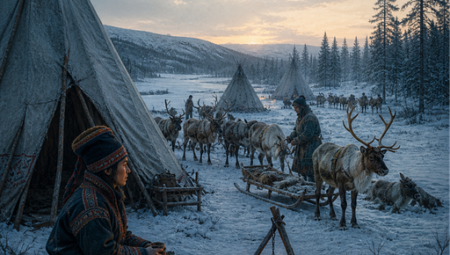


The Arctic waters are teeming with life, offering a treasure trove of marine resources, from fish to seals and whales. Can you picture the thrill of a traditional fishing trip, where the catch of the day isn’t just a meal but a way to pass down ancient skills and stories from one generation to the next? For the Sami, every wave that crashes against the shore resonates with their ancestral wisdom, reminding them of their role as stewards of the sea.
But it’s not just about survival; it’s about culture, too. The Sami’s relationship with marine resources is akin to an intricate dance—each movement reflective of respect for the environment. As they fish and hunt, they also share tales of their ancestors, weaving a narrative that binds their community together. These waters are more than just a source of food; they are a conduit for cultural expression and community bonding.
However, looming challenges like climate change threaten this delicate balance. As the ice melts and migratory patterns shift, how will the Sami adapt while preserving their way of life? The interplay between modernity and tradition is more than just a story; it’s a poignant reminder of our interconnectedness with nature. In this ice-cold haven, the Sami continue to stand resilient, maintaining a sacred bond with the Arctic marine resources that define their existence.
Navigating Change: How Sami Communities Are Adapting to Shifts in Arctic Marine Resources
With climate change reshaping not just the ice but the very ecosystem, the Sami are witnessing a decline in traditional fish stocks. Now, they aren’t just sitting back waiting for the storm to pass. Instead, they’re rolling up their sleeves and getting creative. Think of them like skilled artisans, taking raw materials and crafting something new. They’re exploring innovative fishing techniques and diversifying their practices to ensure food security and cultural preservation.
But it’s more than just survival—it’s about thriving amidst change. The Sami are tapping into their ancestral knowledge, blending it with modern practices. Picture an old map with new routes drawn in; that’s how they’re viewing their relationship with the land and sea. Community elders, revered as living libraries, share wisdom about sustainable practices, offering a wealth of knowledge that can’t be found in textbooks.
Moreover, partnerships with scientists and researchers are blossoming, akin to a bridge connecting tradition and innovation. Together, they’re gathering data to better understand the shifting marine environments. This collaboration not only enriches their own understanding but also highlights the importance of indigenous knowledge in preserving the Arctic’s fragile ecosystem.
Through education and advocacy, the Sami are also voicing their needs on global platforms, carving out a space for their community’s values. It’s like placing a compass in unfamiliar territory, ensuring they move in the right direction, even when the winds change. The Sami communities are a testament to resilience, showcasing how adaptability can lead to a stronger future amid uncertainty.
Fishing for Survival: The Cultural Significance of Marine Resources Among the Sami People
The waters around the Sami territory teem with life, from rich schools of fish to other sea creatures that play crucial roles in their ecosystem. It’s like a natural treasure chest, waiting to be explored. Fishing isn’t viewed as a mere survival technique—it’s a spiritual experience, a connection to their ancestors. For the Sami, each catch is a testament to their resilience and adaptation to the harsh Arctic environment, much like how a sculptor chisels away at stone to reveal a masterpiece.
What’s fascinating is how fishing has also become a community affair. Families often come together, sharing stories and techniques, reinforcing bonds while teaching younger generations the nuances of this age-old practice. When you sit around a fire after a long day of fishing, sharing a meal, it feels like you’re part of something bigger—a tradition that honors not just the past but also the future.
From Ice to Industry: The Impact of Climate Change on Arctic Marine Ecosystems and Sami Livelihoods
Think about the delicate balance of life that exists in the Arctic. Fish, whales, and seals have been the lifeblood of Sami culture for generations. As the ice melts and waters warm, fish species are beginning to shift, creating a ripple effect. Some species are thriving in the warmer waters, while others are disappearing, leaving Sami fishermen facing an uncertain future. It’s like turning pages in a book but finding chapters missing—everything is disrupted, and the stories of those who depend on these waters are forever changed.
It’s not just the Sami livelihoods that are at stake. This transformation in Arctic marine ecosystems could spell trouble for global biodiversity. The Arctic serves as a barometer for climate change, signaling shifts that can resonate worldwide. Think of it as a domino effect; when one piece falls, everything else is bound to follow.
The Sami people are stepping up, innovating new ways to adapt. With traditional knowledge and modern techniques, they’re working hard to protect both their culture and the fragile environment they inhabit. It’s a testament to human resilience—navigating the storms of change while staying rooted in the past. As the climate warms, we find ourselves at a critical juncture, where understanding these dynamics becomes essential for the future of our planet’s health and the cultures that thrive within it.
Voices from the North: Sami Perspectives on Sustainable Harvesting of Arctic Marine Resources
You might wonder, what makes their perspective so vital? Sami culture is deeply intertwined with the rhythm of nature. When they harvest fish or gather shellfish, it’s not just about filling the plate; it’s about engaging in a respectful dialogue with the ecosystem. The Sami believe that taking from the ocean must be balanced with giving back, much like a well-tended garden that thrives on reciprocal care. They advocate for harvesting practices that not only respect fish populations but also protect delicate marine habitats.

Consider the way they view cod, for instance. To many, it’s merely a fish; to the Sami, it’s a shared story, an ancestral memory. When they speak about seasonal shifts affecting fish migration, they’re not just providing data; they’re sharing a bond with the environment—an emotional connection established through years of observation and participation.
Navigating the changing climate, the Sami bring a unique perspective to sustainable practices. They understand that the Arctic is a dynamic puzzle, constantly shifting with climate change. Their traditional ecological knowledge, combined with modern science, offers insights that could be key to managing marine resources sustainably, preserving the North’s treasures for generations to come. Wouldn’t it be wise for us to listen to these voices and learn from their wisdom? The tales they tell aren’t just about survival; they’re blueprints for a future where nature and culture can thrive together.
A Delicate Balance: Preserving Indigenous Rights Amidst Exploitation of Arctic Fisheries
Indigenous communities, with their deep-rooted knowledge of the land and sea, have long been the stewards of these icy regions. They understand the rhythms of the ocean better than anyone else, having fished these waters for generations. But here comes the catch—global demand for seafood is skyrocketing, leading to unsustainable fishing practices that threaten both marine ecosystems and the livelihoods of these communities. Can you picture the local fishermen, once abundant, now witnessing decline as commercial fleets sweep in, leaving turmoil in their wake?
Consider this: every fish caught isn’t just a meal; it’s a symbol of identity, culture, and survival. For Indigenous peoples, each harvest isn’t merely an economic activity; it’s a connection to their ancestors and a way to teach the next generation about their heritage. Yet, government policies often favor industrial fishing over traditional practices, pushing these communities to the fringes and disregarding their voices. How can we harmonize the demand for seafood with the need to respect Indigenous rights?
Finding that delicate balance isn’t just an ethical obligation; it’s a necessity for our planet’s health. By fostering collaborations that prioritize Indigenous knowledge and practices, we can ensure that the Arctic waters continue to support both its ecosystems and the communities who depend on them. The challenge is immense, but as stewards of the Earth, it’s one we must rise to meet.
Futures at Stake: Sami Communities Challenging Policies on Arctic Marine Resource Management
The Sami people rely heavily on the oceans, not just for food, but as a cornerstone of their cultural heritage. Picture this: a rich sea teeming with fish, providing sustenance for generations. Yet, that bounty is threatened by policies that often overlook local wisdom and traditions. It’s as if outsiders are playing darts blindfolded, throwing decisions into an arena they barely understand.
As industrial interests ramp up, Sami communities find themselves on the frontlines, pushing back against regulations that seem designed more for profit than preservation. Think about how you’d feel if vital resources were managed by people who don’t share your history or value your connection to the land. It’s a disheartening scenario where every fishing regulation or corporate extractive plan feels like a skirmish in a larger battle for sovereignty and sustainability.
Frequently Asked Questions
What Challenges Do Sami Communities Face Regarding Marine Resources?
Sami communities face several challenges related to marine resources, including climate change affecting fish populations and ecosystems, regulatory restrictions on fishing practices, and competition from commercial industries. Additionally, loss of traditional knowledge and access to fishing grounds threatens their way of life and cultural heritage, requiring adaptation and advocacy for sustainable management practices.
How Does Climate Change Impact Arctic Marine Resources and Sami Livelihoods?
Climate change significantly affects Arctic marine resources and the livelihoods of the Sami people by altering fish populations, melting sea ice, and disrupting traditional hunting and fishing practices. As temperatures rise, species migration and ecosystem changes threaten food security and cultural practices, making adaptation essential for the Sami communities.
What Efforts Are Being Made to Sustain Arctic Marine Resources for Sami Communities?
Efforts to sustain Arctic marine resources for Sami communities focus on integrating traditional knowledge with modern conservation practices. Initiatives include collaborative governance, sustainable fishing regulations, habitat protection, and research to understand ecological changes. Empowering Sami participation in decision-making and promoting environmental education are also key components in ensuring the longevity of marine biodiversity and cultural heritage.
What Are Arctic Marine Resources and Their Importance?
Arctic marine resources include fish, marine mammals, and minerals found in the Arctic Ocean and surrounding regions. These resources are vital for local economies, providing food security and livelihoods for Indigenous communities. They also play a crucial role in global markets, contributing to biodiversity and research opportunities. Understanding and managing these resources sustainably is essential to protect ecosystems and ensure their availability for future generations.
How Do Sami Communities Utilize Arctic Marine Resources?
Sami communities utilize Arctic marine resources through sustainable fishing, hunting, and gathering practices. They rely on traditional knowledge and modern techniques to harvest species like fish, seals, and shellfish while maintaining ecological balance. This dual approach supports their cultural heritage and economic livelihood, ensuring resource conservation for future generations.