Understanding Sami Herding Camps and Seasonal Travel
Sámi reindeer herding functions as a meticulously timed ecological practice that dictates both livelihood and landscape management across Fennoscandia. The annual migration pattern is not arbitrary but follows centuries-old knowledge of terrain, climate, and reindeer behavior. Each phase of the cycle serves a specific biological and economic purpose for the herd.
The seasonal division requires precise logistical planning. Spring calving grounds demand coastal or highland access where early vegetation supports newborn survival. Summer operations shift toward inland pastures where elevated grazing zones prevent overgrazing. Autumn logistics focus on consolidating dispersed herds using coordinated valley positioning before winter conditions restrict mobility. Winter camps relocate to forested regions where reindeer navigate snow crust to reach ground lichen.
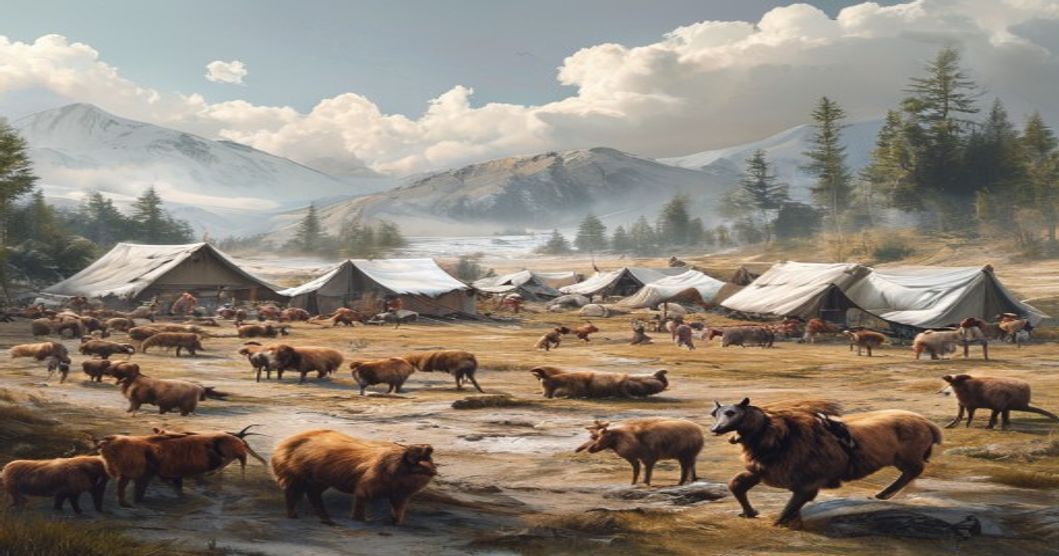
- Summer infrastructure relies on lightweight canvas shelters positioned near water sources and high-altitude forage fields.
- Modern herding integrates satellite tracking, all-terrain vehicles, and digital mapping alongside traditional snow reading techniques.
- Autumn roundups require strict herd management protocols to maintain genetic diversity and population sustainability.
Seasonal travel through these territories operates under formal land use agreements. Unregulated access disrupts critical breeding windows and compromises animal welfare. Visitors must coordinate with local herding associations before entering active migration corridors. Respecting operational boundaries preserves ecological balance while supporting traditional economies that depend on precise environmental timing. The mobile nature of these camps ensures sustainable pasture rotation, preventing long-term soil degradation and maintaining biodiversity across vulnerable northern ecosystems. Historical migration routes remain legally protected under indigenous land rights, requiring all seasonal visitors to follow designated access zones and maintain strict distance during active herding operations.
Historical Foundations of Indigenous Reindeer Husbandry
The origins of reindeer husbandry in northern Fennoscandia trace back to the late medieval period, emerging as a strategic adaptation to the subarctic environment. Early Sami communities gradually shifted from wild reindeer hunting to controlled herding between the fourteenth and sixteenth centuries, a transition documented through burial sites containing antler harnesses, early sled fragments, and settlement layers showing seasonal occupation patterns. This domestication process required intensive ecological observation, as herders learned to monitor lichen availability, snow depth, and predator movements to maintain herd viability without relying on external feed sources.
Archaeological evidence from Troms and Finnmark counties confirms that reindeer management evolved into a structured economic system by the early modern era. Settlement patterns shifted toward semi-permanent mountain camps during summer months, while lowland winter pastures formed the core of annual migration routes. Herders developed specialized knowledge of Rangifer tarandus behavior, tracking rutting cycles and calving grounds with precision that modern livestock science continues to study.
- Seasonal pasture rotation followed established geographical corridors passed down through clan lineages, ensuring lichen beds recovered during summer grazing periods.
- Antler tagging and ear-marking systems emerged in the seventeenth century as a legal and cultural method of ownership verification across Norwegian, Swedish, and Finnish borders.
- Traditional sled construction utilized bent birch wood and reindeer sinew, enabling transport across deep snow where wheeled vehicles remained unusable.
Ethnographic records from the eighteenth century highlight how herding knowledge operated as a living archive. Older herders taught navigation techniques using star positions, wind direction, and terrain features that aligned with centuries-old migration paths. These routes avoided government-imposed border restrictions by following natural watersheds and ridge lines that crossed administrative boundaries without leaving visible tracks.
The integration of reindeer husbandry into Sami cosmology reinforced sustainable management practices. Herds were never treated as mere livestock but as kin requiring reciprocal care, which dictated strict limits on herd expansion to prevent overgrazing. This ecological balance maintained lichen ecosystems for generations until nineteenth-century land encroachment and state-led agricultural policies disrupted traditional rotational cycles.
Cultural Traditions Sustained Across Generations
The preservation of Sami cultural identity hinges on the continuous transmission of practical and spiritual knowledge tied to reindeer management and seasonal movement. Elders in herding camps function as living archives, passing down navigational techniques that rely on wind patterns, terrain features, and animal behavior rather than modern instruments. Children learn to read reindeer tracks, identify medicinal plants, and construct temporary shelters using locally sourced materials long before formal education begins. This experiential learning model ensures that survival skills remain adaptive rather than static.
Ritualistic practices reinforce community cohesion during critical migration phases. The annual slaughter of specific animals follows strict cultural protocols that dictate which parts are shared, how they are prepared, and which ceremonies accompany the process. Duodji artisans craft tools from reindeer antlers, bone, and hide using techniques unchanged for centuries, embedding functional design with symbolic motifs that denote family lineage and regional origin. These objects serve as tangible links to ancestors who navigated the same Arctic landscapes under harsher conditions.
Oral tradition operates as the primary vehicle for cultural continuity. Yoik performances encode historical events, ecological observations, and spiritual beliefs into melodic structures that function as mnemonic devices. Young herders memorize these vocal patterns alongside grazing schedules, creating a dual framework where ecological data and cultural memory merge seamlessly. Seasonal camps become living classrooms where decision-making processes are observed rather than dictated. When herders evaluate pasture quality or adjust migration routes based on weather shifts, younger participants absorb the reasoning behind each choice through direct involvement.
Modern pressures threaten these transmission cycles, yet adaptive strategies maintain structural integrity. Digital mapping tools now supplement traditional navigation, but route planning still requires generational insight into microclimates and historical grazing grounds. Community-led documentation projects record elder interviews and map ancestral trails, ensuring that ecological knowledge survives alongside linguistic shifts. The persistence of these practices demonstrates how indigenous frameworks convert environmental adaptation into cultural endurance rather than mere survival.
- Intergenerational Skill Transfer: Youth participate in camp setup, animal sorting, and food preservation under direct elder supervision, ensuring technique fidelity across decades.
- Ecological Mapping: Oral place names replace coordinate systems, preserving nuanced terrain descriptions passed down through centuries of seasonal movement.
- Ritual Calendar Alignment: Seasonal gatherings synchronize with reindeer birthing, rutting, and migration windows to maintain herd health and cultural rhythm.
Seasonal Migration Patterns and Environmental Adaptation
Seasonal migration patterns form the biological and logistical backbone of herding operations across subarctic and alpine regions. These movements follow strict ecological calendars dictated by snowmelt cycles, vegetation growth windows, and predator behavior shifts. Herders monitor soil temperature, lichen availability, and insect pressure to determine optimal departure and arrival dates for summer and winter camps. Deviating from established corridors disrupts grazing balance and increases livestock mortality rates during extreme weather events.
Environmental adaptation within these migration frameworks relies on layered decision-making processes. Traditional ecological knowledge combines with real-time meteorological data to adjust routes dynamically. When unseasonal thawing accelerates, camps shift toward higher elevations to access cooler pastures and avoid early insect swarms that stress reindeer herds. Conversely, delayed snowfall pushes operations toward sheltered valleys where wind erosion is minimized and forage remains accessible beneath ice crusts.
- Vegetation Cycle Tracking: Herders map lichen regeneration rates and alpine grass productivity to calculate carrying capacity. Overgrazing in transitional zones triggers immediate rotational shifts to preserve soil integrity.
- Microclimate Navigation: Detailed knowledge of fog patterns, thermal inversions, and drainage lines allows precise camp placement. Selective use of leeward slopes reduces heat loss during winter transits.
- Livestock Physiological Management: Migration timing aligns with calving windows and antler development stages. Stress hormones spike when routes cross contaminated water sources or force unnatural pacing.
- Historical Route Maintenance: Established corridors prevent soil compaction and protect critical wetland buffers. Modern GPS tracking validates traditional pathways while identifying degraded segments requiring restoration.
Contemporary herding camps integrate satellite imagery, drone topography scans, and automated weather stations to refine these ancient practices. Real-time data feeds replace guesswork during route adjustments, yet the foundational principle remains unchanged: survival depends on synchronizing human activity with natural rhythms. Camp infrastructure adapts through modular designs that minimize ground disturbance and allow rapid relocation when environmental thresholds are breached.
Spring Calving Zones and Summer Grazing Corridors
Spring calving zones form the ecological foundation of Sami reindeer husbandry, strategically positioned where early snowmelt creates a narrow window for calf survival. These areas typically occupy south-facing slopes and sheltered valleys that retain heat longer into April. The rapid emergence of nutrient-dense forage coincides with peak lactation demands, directly influencing herd reproductive success. Reindeer instinctively migrate toward these microclimates before the snowpack fully recedes, minimizing energy expenditure during a physiologically critical period. Calving density remains deliberately low to prevent overgrazing and reduce predation pressure from wolves and golden eagles. Traditional herders monitor ground conditions through layered snow depth measurements and moss moisture indicators, adjusting arrival timelines by days rather than weeks.
Once the calving period concludes, herds transition along established summer grazing corridors that function as natural ecological pathways. These routes follow drainage patterns, ridge lines, and historical movement data accumulated across generations. Corridors prioritize access to abundant lichen pastures, insect-free lowlands, and reliable water sources during peak heat months. Modern herd management integrates satellite vegetation indices with traditional route knowledge, identifying optimal transit windows before alpine snowfields block high elevations. Grazing pressure distribution remains carefully calibrated; herders maintain mobile camp networks that rotate between valley floors and plateau edges to prevent soil compaction and lichen depletion.
Climate variability continuously reshapes these seasonal pathways. Earlier spring melts shift calving ground boundaries northward, while extended summer droughts compress grazing corridors into narrower valleys. Herding communities respond by adjusting camp placement distances, modifying herd splitting strategies, and documenting route deviations in shared digital ledgers. The spatial relationship between calving zones and summer pastures dictates annual resource allocation, labor distribution, and equipment logistics. Successful seasonal transitions depend on precise terrain assessment, real-time weather tracking, and intergenerational knowledge transfer that treats landscape features as living infrastructure rather than fixed boundaries.
Route selection also accounts for reindeer hoof mechanics, favoring gravel substrates that prevent sinkage during heavy snowmelt runoff. Herders map historical crossing points where river currents remain predictable, ensuring safe passage for newborn calves with limited stamina. Corridor maintenance involves strategic camp relocation to distribute grazing pressure evenly across the tundra ecosystem.
Autumn Herd Consolidation and Winter Pasture Distribution
The autumn consolidation phase marks a critical transition in the Sámi reindeer herding cycle, typically occurring between late September and November when wild reindeer begin migrating from summer highland pastures toward lower elevation winter ranges. This period requires precise coordination across multiple families to gather dispersed animals, assess herd composition, and prepare for seasonal resource allocation. Herders rely on decades of accumulated ecological knowledge to track weather patterns, snow onset, and reindeer movement corridors. Modern logistics often integrate satellite tracking collars and aviation support, yet traditional ground methods remain foundational for direct animal assessment.
During consolidation, herders systematically separate calf groups from mature females, conduct veterinary inspections for parasite load and musculoskeletal condition, and apply standardized identification tags that comply with regional livestock registries. Fat reserves are carefully evaluated because inadequate autumn nutrition directly impacts winter survival rates and spring calving success. Pasture distribution decisions follow strict ecological thresholds rather than arbitrary boundaries. Lichen abundance, ground vegetation recovery cycles, and historical grazing rights dictate how winter territories are divided among herding families. Overgrazing prevention remains central to operational planning, with rotational movement schedules designed to preserve slow-growing Cladonia species that require decades to regenerate after heavy trampling. Local land use councils enforce seasonal carrying capacity limits to maintain long-term rangeland stability.
- Reindeer must reach minimum body condition thresholds before crossing snowline elevations.
- Pasture allocation follows documented family grazing agreements established through regional land use boards.
- Snow depth monitoring determines migration timing to prevent hoof damage and foraging failure.
Climate variability now requires dynamic adjustment of traditional routes, with herders increasingly mapping alternative corridors using GIS terrain analysis and real-time meteorological data. Modern herding enterprises continuously update pasture maps using drone imagery and soil moisture sensors, ensuring that winter distribution strategies remain aligned with both ecological carrying capacity and cultural grazing obligations. The integration of indigenous ecological metrics with contemporary environmental monitoring ensures that winter pasture distribution maintains both cultural continuity and long-term rangeland resilience.
Climate Variability Shifting Traditional Movement Cycles
The historical migration routes of Sami reindeer herding were never static; they evolved over centuries in direct response to predictable alpine and subarctic weather patterns. Today, accelerated climate variability is actively dismantling these time-tested movement cycles. Traditional calendars relied on consistent freeze-thaw sequences and stable seasonal transitions to guide herd movements between summer pastures and winter grazing grounds. When atmospheric conditions become highly erratic, the ecological cues herders historically followed no longer align with actual ground conditions.
Unpredictable precipitation patterns represent the most immediate threat to these cycles. Winter rainfall events that freeze into impenetrable ice layers trap reindeer beneath the surface, cutting off access to their primary food source: subalpine and arctic lichen. Conversely, premature spring thaws trigger early vegetation growth in lower elevations, drawing herds away from higher traditional camps before adequate forage develops at altitude. This ecological mismatch forces herders into prolonged stationary periods, increasing herd fatigue, reducing calf survival rates, and degrading pasture recovery windows.
- Altered Ice Dynamics: Unstable winter temperatures create fluctuating ice crusts that damage reindeer hooves and exhaust animals during migration attempts.
- Unreliable Snowpack Depth: Reduced snow accumulation exposes lichen fields to wind scouring, while excessive moisture in late spring creates mud traps that hinder large herd movements.
- Perturbed Vegetation Phenology: Shifting bloom times disrupt the synchronized relationship between calving seasons and peak nutritional availability in traditional grazing zones.
Adapting to these disruptions requires recalibrating camp placement and travel logistics. Herders now monitor hyperlocal weather forecasts, satellite vegetation indices, and real-time soil moisture data alongside ancestral knowledge. Some communities have begun establishing flexible staging camps rather than fixed seasonal destinations, allowing rapid relocation when microclimates shift unexpectedly. This operational flexibility demands updated land-use regulations that recognize dynamic grazing boundaries instead of rigid historical maps.
The erosion of predictable movement cycles carries profound cultural and economic consequences. Intergenerational knowledge transmission depends heavily on consistent environmental markers that once guided youth through seasonal transitions. When these markers become unreliable, the practical application of traditional herding techniques diminishes over time. Preserving Sami pastoral systems now requires integrating climate adaptation strategies with sustainable land management frameworks, ensuring that migratory infrastructure remains viable despite accelerating atmospheric instability.
Planning Your Visit to Sami Herding Camps and Seasonal Travel Routes
Visiting Sami herding camps and following traditional seasonal travel routes requires precise timing and logistical preparation. The reindeer migration cycles dictate the optimal visiting window, typically spanning late spring through early autumn when pastures transition across distinct ecological zones.
Timing and Seasonal Windows
- Spring calving season (April to May) offers observation of new reindeer calves but demands strict distance protocols.
- Summer highland pastures (June to August) provide accessible terrain for guided hikes alongside migratory groups.
- Autumn gathering period (September to October) marks the critical round-up phase where camps become fully operational.
Permits and Local Coordination
Access to active reindeer grazing lands requires authorization from local Sami duodji rights holders. Contact regional reindeer husbandry cooperatives at least six months in advance. Independent navigation within protected grazing corridors violates indigenous land management agreements. Verified tour operators hold certified cultural heritage guides who coordinate camp access, meal arrangements, and transport logistics. Secure written confirmation specifying exact coordinates and herd leader contact protocols before departure.
Packing and Equipment Requirements
- All-weather wool base layers maintain thermal regulation during rapid temperature fluctuations.
- Mud-resistant trekking boots prevent damage to sensitive tundra vegetation.
- Satellite communication devices ensure contact when cellular networks remain unavailable across remote grazing territories.
- Compact first-aid kits must include antihistamine supplies for midge season and blister prevention patches.
Route Navigation and Environmental Protocols
Seasonal trails follow established reindeer corridors that shift annually based on snow cover and lichen availability. GPS coordinates must align with current herding maps published by regional land management authorities. Straying from marked paths disrupts grazing patterns and damages slow-growing Arctic flora. Carry waterproof document holders for permits, transport all waste beyond designated collection points, and maintain minimum fifty-meter distance during active herding operations.
Cultural Engagement Guidelines
Documentation of camp activities requires explicit verbal consent from herd leaders. Traditional duodji craft demonstrations operate on fixed daily schedules determined by reindeer processing cycles. Audio recording equipment remains prohibited without written permission. Respect silence periods during milking and veterinary procedures. Purchase authentic handcrafted items only through certified Sami cooperatives to support sustainable livelihood models.
Ideal Observation Windows for Cultural and Wildlife Encounters
The optimal periods for observing Sami reindeer herding operations and associated wildlife align closely with established biological cycles and regional climate patterns. Spring migration, typically spanning late April through early June, presents the most accessible window. During this phase, herders guide their flocks from winter pastures to calving grounds in the northern taiga or coastal zones. The emergence of newborn calves creates concentrated wildlife activity, attracting golden eagles, arctic foxes, and wolverines that track the herds for scavenging opportunities. Visitors should monitor regional weather forecasts, as rapid snowmelt can temporarily restrict vehicle access to traditional trails.
Autumn follows as the second critical observation period, running from late August through October. The rutting season triggers intense behavioral displays among reindeer stags, while herders conduct sorting operations at designated autumn corrals. This timeframe coincides with peak predator activity; wolves and wolverines become more visible near corral perimeters where stray or weak animals are vulnerable. The changing light conditions during these months significantly alter animal behavior patterns, making dawn and dusk hours particularly valuable for photography and ecological study.
- Spring Window (April–June): Calving season concentrates both livestock and scavenging species in accessible lowland pastures. Dawn herding operations offer the highest probability of direct cultural interaction.
- Autumn Window (August–October): Corral sorting coincides with predator tracking behavior. Extended twilight hours require high-ISO photography equipment and thermal imaging gear for accurate wildlife documentation.
- Winter Window (January–March): Stable snowpack enables tracked vehicle access to remote corrals. Nighttime herding displays rely on artificial illumination, creating distinct visual patterns that differ from daylight logistics.
Successful observation relies on respecting established grazing rights and maintaining safe distances from working dogs and livestock. Local tourism authorities typically publish seasonal migration schedules three months in advance, allowing researchers and visitors to align their itineraries with peak activity periods without disrupting traditional routes or breeding cycles. Permits for drone operation remain restricted during active herding phases to prevent stress-induced scattering among the flocks. Terrain navigation requires snowmobile tracks or personnel carriers during peak thaw conditions.
Logistics for Reaching Remote Settlement Areas
Accessing Sámi reindeer herding camps requires meticulous logistical planning due to extreme northern latitudes, absent paved infrastructure, and rapidly shifting weather patterns. Helicopter transfers dominate summer operations but demand strict payload calculations and advance booking with licensed aerial operators. Ground mobility shifts seasonally. Winter routes depend on tracked snowmobiles and reinforced off-road vehicles equipped with studded tires. Spring thaw conditions force reliance on high-clearance all-terrain motorcycles and temporary ice bridges that only stabilize after sustained sub-zero temperatures. Road networks consist primarily of unmarked forest tracks, river crossings, and seasonal gravel paths that disappear under vegetation or meltwater within weeks.
- Fuel Management: No commercial stations exist along migration corridors. Operators must carry minimum two independent fuel reserves, stored in approved marine-grade containers to prevent leakage during rough terrain navigation.
- Permit Compliance: Entry requires documented authorization from regional reindeer husbandry districts. Unauthorized vehicle movement disrupts established grazing paths and violates indigenous land stewardship regulations.
- Communication Protocols: Cellular coverage terminates beyond municipal boundaries. Satellite messaging devices, VHF radios, and pre-downloaded topographic maps become essential for trip tracking and emergency coordination.
- Supply Chain Timing: Provision caches must be delivered during the narrow summer window when ground access is possible. Stock includes high-calorie rations, thermal shelter components, veterinary supplies, and spare mechanical parts.
- Navigation & Safety: Local guides monitor ice thickness, wind chill indices, and herd migration patterns in real time. Their expertise prevents navigation errors and ensures cultural compliance during camp operations.
Weather delays routinely extend travel timelines by four to seven days. Flexible scheduling buffers, alternative elevation routes, and contingency fuel depots prevent stranded scenarios. Pre-trip vehicle inspections focus on battery insulation, coolant viscosity, and tire pressure regulation. Camp access points require advance coordination with local herding families to align arrival schedules with animal processing routines and seasonal migration phases.
Accommodation Strategies Near Active Herding Territories
Securing lodging in proximity to active Sami reindeer herding territories demands precise timing, regional awareness, and strict adherence to indigenous land-use protocols. These zones operate on centuries-old migration calendars, meaning standard tourist infrastructure rarely extends into core pastures. Travelers must anchor their plans in established settlement hubs such as Kiruna, Røros, or Inari, which function as logistical gateways before transferring to smaller community-run guesthouses or municipality-approved camping permits. Advance reservations are mandatory; properties within a fifty-kilometer radius of active grazing grounds typically book out twelve to eighteen months ahead due to severe capacity constraints and rigid environmental zoning.
- Regulatory compliance: Local authorities enforce overnight stay restrictions near reindeer herding districts to prevent pasture fragmentation and protect livelihoods. Unauthorized camping or unpermitted vehicle access triggers immediate fines and ecosystem damage reports.
- Certified transit networks: Opt exclusively for Sami tourism operators who coordinate legal passage to designated observation zones with pre-arranged shelter options, including heated lavvu tents, converted farmhouse cabins, and community-hostel clusters.
- Seasonal quiet windows: Calving seasons (late April through May) and rutting periods (September) require strict noise reduction. Many accommodations enforce curfews after 22:00 during these critical livestock phases.
Transportation logistics fundamentally dictate accommodation placement. Snowmobile trails, helicopter landing strips, and seasonal ferries determine which municipalities remain accessible throughout the year. Winter visitors must secure lodging in areas with guaranteed snow clearance services and heated fuel storage facilities. Summer travelers face river crossings that permanently restrict road access beyond June, necessitating boat-based or foot-only transit planning. Most northern properties operate on a fully self-sufficient model, requiring guests to carry satellite communication devices, water purification systems, and backup power sources.
Commercial booking platforms consistently omit remote herding-adjacent listings due to fragmented local distribution channels. Direct coordination through municipal tourism offices or Sami cultural centers provides accurate availability data and land-access verification. Always confirm grazing movement schedules before finalizing reservations. Active herding territories function as working landscapes, not recreational parks, with dynamic vehicle restrictions, seasonal livestock density fluctuations, and terrain conditions that directly impact shelter requirements and mobility patterns.
Ethical Engagement and Sustainable Tourism Practices
Ethical engagement in Sami herding camp experiences requires a fundamental shift from spectatorship to respectful participation. Visitors must recognize that reindeer migration routes, seasonal pastures, and ceremonial traditions are not tourist attractions but living cultural infrastructure. Responsible operators implement strict visitor limits, enforce silent observation protocols during calving seasons, and mandate pre-arrival cultural orientation sessions led by Sami educators. These measures prevent behavioral disruptions while preserving the ecological balance necessary for herd survival.
Sustainable tourism models prioritize direct economic reciprocity. Revenue streams should flow through community-owned cooperatives rather than external tour agencies. Travelers should book accommodations that utilize locally sourced materials, pay fair wages to Sami guides, and contribute to reindeer health funds. Transparent pricing breakdowns must be publicly available, detailing exactly how fees support land stewardship, language revitalization programs, and infrastructure maintenance in remote seasonal camps.
- Land Access Protocols: Maintain distance from active herding zones during spring lambing and autumn slaughter periods. Use established trails to prevent soil compaction and vegetation damage.
- Resource Consumption: Implement zero-waste camping standards. All waste must be transported out of fragile tundra ecosystems, as decomposition rates in arctic climates exceed natural bacterial activity.
- Knowledge Exchange: Engage with Sami historians and herders through structured dialogue frameworks that acknowledge indigenous epistemologies rather than extracting folklore for commercial narratives.
Long-term sustainability depends on adaptive management systems co-developed by local communities. Monitoring tools track herd stress indicators, visitor density thresholds, and cultural preservation metrics. Seasonal travel operators must adjust itineraries based on climate data shifts affecting pasture availability and migration patterns. This dynamic approach ensures that tourism remains a supportive mechanism for Sami livelihoods rather than an extractive force disrupting ancestral rhythms.
Guidelines for Respectful Interaction with Local Families
Visiting indigenous reindeer herding camps requires a clear understanding of local protocols and seasonal rhythms. Travelers must prioritize explicit consent before entering encampments or approaching livestock. Many families operate under traditional land-use agreements, meaning unauthorized drone flights or off-trail vehicle use disrupt grazing patterns and violate regional regulations. Always request verbal permission before photographing people, dwellings, or animals. Indigenous culture places high value on privacy; commercial filming without written consent can result in immediate removal from the site.
When invited inside a traditional tent or modern cabin, remove footwear at the entrance to preserve cleanliness and show respect for household hygiene standards. Offering small gifts is customary but must align with local preferences. Avoid mass-produced souvenirs featuring stereotypical motifs, as these often disrespect sacred symbols like drum patterns or antler carvings. Instead, bring practical items such as high-quality coffee, tea, or regionally sourced food, always presented with both hands.
- Language Awareness: Learning basic regional greetings demonstrates genuine interest and reduces communication barriers. Herding families frequently manage multiple dialects; using simplified English or neighboring language
Funding Indigenous-Led Land Conservation Efforts
Direct financial support for indigenous-led conservation requires structural shifts away from transactional grant models toward long-term capital allocation. Traditional ecological knowledge systems operate on multi-generational timelines, making short-cycle funding ineffective. Sustainable conservation financing now prioritizes endowment structures, community-controlled trusts, and adaptive management funds that align with seasonal reindeer migration patterns. These mechanisms ensure that financial decisions remain rooted in local governance rather than external bureaucratic requirements.
Multiple funding channels currently support Sami-led land stewardship initiatives. Nordic environmental foundations allocate targeted grants for peatland restoration and lichen habitat preservation along established seasonal routes. The European Union LIFE program and Green Climate Fund provide competitive financing for biodiversity corridors that protect critical calving grounds and winter pastures. Private impact investment firms increasingly structure conservation notes tied to verified traditional land management practices, while domestic carbon markets explore methodologies that quantify soil carbon sequestration in reindeer-grazed ecosystems. Each stream demands rigorous baseline mapping of grazing territories and transparent monitoring protocols.
- Community endowment trusts generate perpetual income through sustainable timber or tourism revenue, funding year-round conservation staff salaries and equipment maintenance.
- Direct government appropriations bypass intermediaries by depositing funds into Sami parliament-managed environmental accounts with annual allocation discretion.
- International biodiversity credits verify habitat integrity using drone surveys and herder documentation, enabling direct payment for ecosystem service delivery.
Financial sustainability depends on capacity building within indigenous administrative frameworks. Conservation finance specialists must understand seasonal travel calendars, grazing pressure calculations, and traditional boundary markers to design compliant reporting systems. Long-term funding agreements typically span seven to fifteen years, allowing herding communities to hire ecological technicians, maintain fencing infrastructure, and implement controlled burning protocols without annual renewal uncertainty. Strategic capital deployment transforms conservation from reactive compliance into proactive landscape management.
Photography Protocols and Community Permission Standards
Documenting Sami reindeer herding camps requires strict adherence to established cultural protocols and explicit permission frameworks that prioritize community autonomy over visual documentation rights. Indigenous pastoral groups maintain rigorous internal guidelines governing who may record, how imagery is distributed, and under what conditions seasonal migrations intersect with external visitors. Before mounting a camera or activating recording equipment, photographers must secure direct consent from camp coordinators or designated herding representatives. This consent process is not optional etiquette but a foundational requirement that aligns with Nordic indigenous data sovereignty principles and protects against cultural appropriation narratives.
Technical restrictions are routinely enforced alongside verbal agreements. Aerial capture using drones remains prohibited without dual authorization from both municipal environmental offices and local reindeer herding districts, as rotor noise disrupts herd navigation patterns and violates wildlife protection statutes. Ground-level documentation should respect a minimum ten-meter buffer during active milking, antler processing, or calving periods. Flash illumination is strongly discouraged inside lavvu structures to preserve textile integrity and prevent animal stress responses. When framing human subjects, individual acknowledgment supersedes group candid capture; unverified portrait distribution frequently triggers consent violations and damages long-term access credibility.
- Request permission in writing or recorded verbal confirmation before entering operational zones.
- Avoid photographing sacred markers, migration route stones, or restricted ritual spaces without herding council approval.
- Verify regional variations: Finnmark cooperatives often require pre-visit cultural briefings, while Troms camps may charge documentation fees that fund language revitalization projects.
- Carry bilingual consent templates in Norwegian and Northern Sami to streamline negotiations during remote seasonal travel.
Digital distribution protocols demand equal diligence. Publishing imagery on social platforms without explicit tagging of the originating camp or cooperative breaches digital consent agreements and accelerates takedown enforcement under indigenous intellectual property frameworks. Credit visual contributions directly to named herders, families, or community trusts. Reinforce economic reciprocity by purchasing authentic duodji items at transparent market rates and engaging certified Sami-led guides who enforce pre-arrival cultural orientation. Learning basic seasonal calendar terminology and respectful greeting structures demonstrates operational awareness during permission negotiations. Noncompliance triggers immediate access revocation across regional tourism networks, fines under environmental legislation, and permanent placement on community restricted lists. Sustainable documentation depends on patience, verified authorization chains, and recognition that every frame records active livelihoods rather than static landscapes.
Contemporary Pressures on Sami Herding Camps and Seasonal Travel
The traditional lifecycle of Sami reindeer herding relies on precise seasonal movement across vast northern landscapes, yet modern development and environmental shifts have fractured these ancient routes. Unpredictable weather patterns driven by climate change now regularly produce rain-on-snow events that freeze pasture layers into impenetrable ice sheets. Reindeer cannot dig through this crust to reach lichen, leading to mass starvation and forcing herders to abandon camps or purchase emergency feed.
Simultaneously, land use policies prioritize industrial expansion over indigenous grazing rights. Mining operations, clear-cut forestry, and sprawling wind energy installations fragment migration corridors. Heavy machinery tracks and permanent fencing physically block seasonal movement, isolating herds from water sources and calving grounds. Government zoning laws frequently reclassify ancestral territories as protected conservation zones or private property, stripping Sami communities of legal access without meaningful consultation.
- Infrastructure Encroachment: High-voltage power lines, rail networks, and road expansions divide traditional transhumance paths into isolated patches, increasing herd stress and mortality rates.
- Road networks introduce soil compaction and drainage changes that delay spring vegetation growth, reducing forage availability during early grazing stages.
- Wind energy installations require exclusion zones that permanently remove large tracts of lichen-rich tundra from seasonal use.
- Railway corridors generate vibration and scheduled train movements that trigger herd avoidance behaviors, effectively narrowing usable migration width by up to forty percent in sensitive topographies.
- Controlled Access Protocols: Timed entry permits limit daily foot traffic to designated zones. Visitors must complete mandatory cultural orientation modules before arrival, covering reindeer behavior signals, sacred site boundaries, and photography restrictions near livestock handling areas.
- Community-Led Revenue Distribution: Tourism income flows directly into Sami cooperative funds that finance land restoration, language revitalization programs, and youth apprenticeships in traditional herding techniques. Transparent accounting prevents external operators from capturing disproportionate profits.
- Ecological Monitoring Systems: GPS collars on lead reindeer, soil moisture sensors, and vegetation sampling tracks human impact in real time. Data triggers automatic visitation adjustments when thresholds approach ecological tipping points.
- Grazing Route Optimization: Dynamic route planning replaces fixed seasonal calendars, utilizing GIS mapping and soil moisture sensors to identify viable corridors during unseasonal thaws or prolonged droughts.
- Herd Composition Adjustments: Selective breeding programs focus on animals with narrower dietary niches and enhanced thermoregulatory capacity, reducing dependency on predictable lichen-rich pastures.
- Veterinary Intervention Timing: Parasite load monitoring has shifted from seasonal schedules to continuous environmental tracking, preventing outbreaks triggered by humid microclimates in previously arid zones.
Infrastructure Development Impacting Traditional Corridors
The expansion of transportation networks, energy projects, and industrial logging operations has fundamentally altered the spatial continuity of historic Sami reindeer migration routes. These traditional corridors, established over centuries through generational knowledge and ecological observation, now intersect with linear infrastructure that fragments grazing landscapes. Roads and railways create hard boundaries that herd animals away from optimal winter pastures, while construction zones generate chronic noise and human presence that disrupt natural movement patterns. The cumulative effect reduces the effective carrying capacity of the terrain, forcing herders to adjust seasonal calendars or accept lower biomass yields.
Reindeer exhibit strong site fidelity and route memory, making sudden geographic disruptions particularly damaging during critical migration windows. When infrastructure blocks established passes, herds experience prolonged detours that increase energy expenditure, delay calving seasons, and elevate predation risk. Winter feeding grounds located near hydroelectric reservoirs or wind turbine fields often lose accessibility due to fencing requirements and restricted vehicle access. These physical barriers compound existing pressures from climate variability, as herders lose the flexibility to shift pastures in response to unpredictable snow conditions.
Land allocation policies frequently prioritize industrial development over pastoral continuity, despite legal provisions recognizing Sami customary land use. Environmental impact assessments occasionally mitigate corridor disruption through wildlife crossings or seasonal access windows, yet these measures rarely replicate the functional complexity of undisturbed terrain. Herding cooperatives now document route deviations and pasture degradation to strengthen claims for infrastructure routing adjustments, but enforcement remains inconsistent across municipal jurisdictions.
Sustaining traditional seasonal travel requires integrating pastoral spatial data into regional planning frameworks before construction permits are issued. Corridor preservation depends on dynamic monitoring of herd movement, vegetation recovery rates, and infrastructure maintenance schedules. Without coordinated land-use mapping that respects historical migration geometry, incremental development will continue to compress viable grazing areas, threatening the operational viability of transhumant reindeer husbandry.
Balancing Visitor Demand with Cultural Preservation Needs
The surge in seasonal travel toward Sami herding territories requires precise management frameworks that protect indigenous livelihoods while accommodating controlled tourism. Reindeer migration corridors and winter pastures operate on strict ecological timelines. Unregulated visitor influx disrupts grazing patterns, increases stress on herd animals, and fragments traditional transhumance routes. Sustainable access depends on implementing carrying capacity thresholds calculated through reindeer density maps, vegetation recovery rates, and historical land use data. Communities must retain decision-making authority over visitation windows, prioritizing critical calving and slaughtering seasons when human presence directly interferes with husbandry operations.
Seasonal travel operators must align itineraries with the reindeer husbandry calendar rather than forcing tourist schedules onto fragile pastoral cycles. Winter camping zones require snow load management to prevent ground compaction that delays spring pasture regeneration. Summer operations need strict waste protocols to avoid contaminating water sources used by both herds and local settlements. Cultural preservation extends beyond physical protection; it demands safeguarding oral histories, joik performance spaces, and traditional craft production areas from commercial dilution. When visitor numbers exceed community-defined limits, alternative digital experiences or off-season educational workshops provide engagement without physical intrusion. Long-term viability hinges on treating tourism as a supplementary income stream rather than a primary economic driver, ensuring that Sami herding remains a living practice governed by indigenous knowledge systems.
Adapting Livestock Management to Shifting Ecological Baselines
The Sami reindeer herding system operates within a delicate balance between animal physiology and seasonal resource availability. When ecological baselines shift due to altered precipitation patterns, earlier snowmelt, or increased freeze-thaw cycles, traditional migration routes face immediate constraints. Herders respond by modifying grazing rotations, extending stay durations in transitional zones, and adjusting herd composition to prioritize resilience over maximum yield.
Pasture assessment now relies on real-time satellite imagery combined with ground-truthing through snow depth measurements and lichen biomass sampling. Livestock health protocols have evolved accordingly; supplementary feeding windows are calculated using predictive forage models rather than fixed calendar dates. Winter housing infrastructure has been reinforced to withstand heavier ice layers, while summer calving grounds are relocated away from areas showing accelerated permafrost degradation.
These adjustments require continuous data collection across micro-climates, forcing herding communities to integrate Indigenous ecological knowledge with modern environmental monitoring tools. Decision-making shifts from reactive crisis management to proactive route optimization, where herd size is dynamically matched to net primary productivity indices. The financial structure of these operations also adapts, with risk diversification through mixed grazing partnerships and insurance frameworks that account for climate volatility.
Water source management now involves drilling deeper boreholes or installing portable filtration
“`html
Frequently Asked Questions
What is Sami Herding Camps and Seasonal Travel?
Sami Herding Camps and Seasonal Travel refers to the traditional seasonal migration practices of the indigenous Sámi people of northern Scandinavia, particularly their reindeer herding lifestyle. The Sámi follow ancient routes between summer pastures in the mountains and winter pastures in the forests, moving their camps according to the seasons and the needs of their reindeer herds. Today, many travelers can visit these camps to experience this unique cultural heritage firsthand.
Key facts about Sami Herding Camps and Seasonal Travel
The Sámi are Europe’s only indigenous people, with reindeer herding as a core part of their culture for thousands of years. Their seasonal migration routes span across Norway, Sweden, Finland, and Russia. Reindeer herding is not just a livelihood but a way of life deeply connected to the land. The Sámi use traditional knowledge passed down through generations to manage their herds, including tracking weather patterns, snow conditions, and pasture quality. During summer, camps are located in highland areas, while winter camps are situated in forested regions where lichen (the reindeer’s main food source) is abundant. Modern herders often use snowmobiles and ATVs alongside traditional methods to cover the vast distances of their seasonal routes.
“`
“`json
{
“@context”: “https://schema.org”,
“@type”: “FAQPage”,
“mainEntity”: [
{
“@type”: “Question”,
“name”: “What is Sami Herding Camps and Seasonal Travel?”,
“acceptedAnswer”: {
“@type”: “Answer”,
“text”: “Sami Herding Camps and Seasonal Travel refers to the traditional seasonal migration practices of the indigenous Sámi people of northern Scandinavia, particularly their reindeer herding lifestyle. The Sámi follow ancient routes between summer pastures in the mountains and winter pastures in the forests, moving their camps according to the seasons and the needs of their reindeer herds. Today, many travelers can visit these camps to experience this unique cultural heritage firsthand.”
}
},
{
“@type”: “Question”,
“name”: “Key facts about Sami Herding Camps and Seasonal Travel”,
“acceptedAnswer”: {
“@type”: “Answer”,
“text”: “The Sámi are Europe’s only indigenous people, with reindeer herding as a core part of their culture for thousands of years. Their seasonal migration routes span across Norway, Sweden, Finland, and Russia. Reindeer herding is not just a livelihood but a way of life deeply connected to the land. The Sámi use traditional knowledge passed down through generations to manage their herds, including tracking weather patterns, snow conditions, and pasture quality. During summer, camps are located in highland areas, while winter camps are situated in forested regions where lichen (the reindeer’s main food source) is abundant. Modern herders often use snowmobiles and ATVs alongside traditional methods to cover the vast distances of their seasonal routes.”
}
}
]
}
“`