The Ecological Foundation of Sámi Reindeer Herding
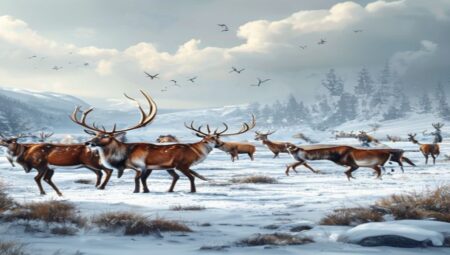
Sámi reindeer herding represents one of the last surviving large-scale transhumant pastoral systems in the Arctic, relying on precise synchronization between animal physiology and seasonal tundra dynamics. The practice spans across four nations—Norway, Sweden, Finland, and Russia—where herders manage over 250,000 reindeer across vast migratory corridors. This system depends entirely on lichen-rich winter pastures, particularly species like Cladonia rangiferina and Cetraria nivalis, which require decades to regenerate after grazing or weather disturbance.
Seasonal Migration Routes and Microclimate Dependencies
Traditional herding cycles follow a strict biannual rhythm: summer grazing in alpine birch forests and winter migration to boreal lichen woodlands. These routes are mapped through generations of traditional ecological knowledge (TEK), accounting for snow depth, wind exposure, and predator avoidance. Reindeer require specific thermoneutral zones between −20°C and +10°C; deviations force metabolic shifts that reduce calving success and calf survival rates by up to 40%.
Climate-Driven Pasture Degradation Mechanisms
Rapid Arctic amplification, where the region warms at twice the global average, has fundamentally altered tundra hydrology and vegetation composition. Rising temperatures trigger cascading failures in reindeer forage availability through multiple pathways.
Rain-on-Snow Events and Ice-Crust Formation
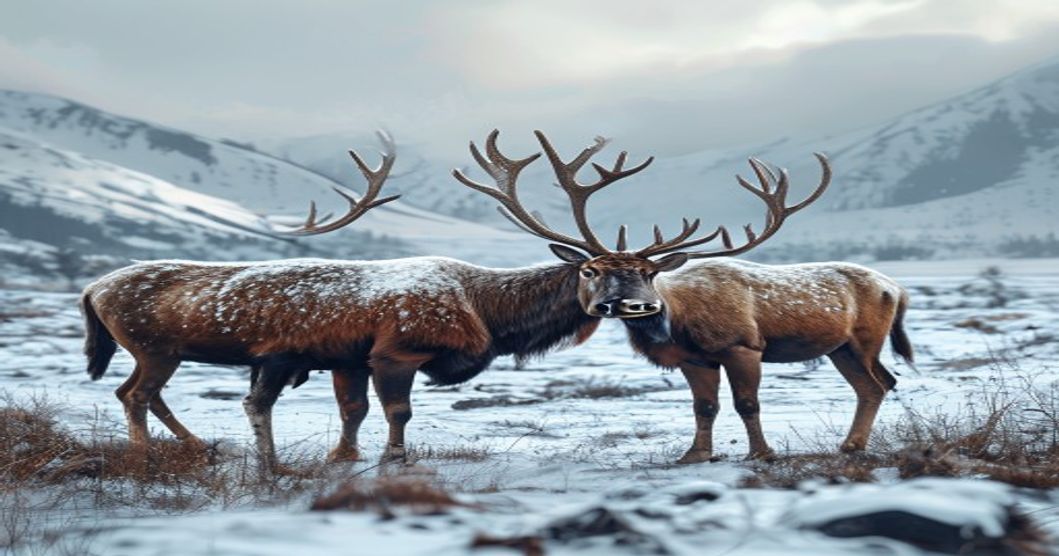
Frequent winter temperature fluctuations cause precipitation to fall as rain instead of snow, creating impermeable ice layers over lichen beds. This phenomenon, known as rain-on-snow (RoS), locks reindeer out of 60–80% of their historical winter forage. Breaking through ice requires up to three times more energy than digging through powder snow, leading to rapid body condition loss and mass starvation events recorded across Fennoscandia since the 1990s.
Vegetation Shifts and Lichen Biomass Decline
Warmer winters and longer growing seasons favor shrub encroachment (Salix, Betula nana) and moss overgrowth, which outcompete slow-growing lichens. Satellite-derived NDVI data indicates a 15–20% reduction in high-quality lichen coverage across northern Sápmi between 2000 and 2023. Concurrently, increased summer precipitation accelerates soil drainage, reducing water table stability critical for peatland lichen ecosystems.
Socioeconomic and Cultural Disruptions
The collapse of predictable pasture cycles threatens the economic viability and cultural continuity of Sámi pastoral communities. Herding operations face compounding risks that extend beyond ecological metrics.
Herd Population Volatility and Livelihood Instability
Increased calf mortality rates, now averaging 18–22% annually due to weather-induced stressors, have forced herders to adjust slaughter quotas and market participation. Government subsidy models tied to herd size fail to account for climate-driven productivity drops, leaving many siida (herding cooperatives) in debt. Livestock insurance schemes remain underfunded across Nordic jurisdictions, creating systemic financial exposure.
Erosion of Traditional Knowledge and Community Fragmentation
Unpredictable weather patterns render historical migration calendars obsolete, disrupting intergenerational knowledge transfer. Younger generations increasingly migrate to urban centers for education and employment, accelerating demographic decline in herding districts. The loss of TEK reduces adaptive capacity, as oral histories once encoded localized weather forecasting, predator tracking, and pasture recovery cycles.
Adaptive Management and Policy Frameworks
Sámi communities and Nordic governments are implementing multi-tiered strategies to mitigate climate impacts while preserving pastoral sovereignty.
Technological Monitoring and Climate-Resilient Grazing
GPS collars, drone surveys, and satellite-based snow depth modeling enable real-time pasture assessment. Herders now utilize dynamic grazing schedules, shifting winter pastures earlier in response to ice formation forecasts. Supplemental feeding programs have expanded, though over-reliance risks altering natural foraging behaviors and increasing parasite loads.
Legal Protections and Transboundary Climate Governance
The ILO Convention 169 and national Sámi Parliament frameworks mandate consultation rights for land-use changes. Recent policy shifts prioritize climate-adaptive grazing corridors, reducing infrastructure barriers along migratory routes. Cross-border cooperation initiatives share RoS
Frequently Asked Questions
What is How Global Warming Affects Sami Reindeer Herding?
This phrase refers to the comprehensive study and observation of how rising global temperatures, altered precipitation patterns, and extreme weather events directly impact the traditional reindeer herding practices, ecological balance, and cultural survival of the Indigenous Sami people across Scandinavia and the Kola Peninsula.
Key facts about How Global Warming Affects Sami Reindeer Herding
Rain-on-snow events have increased dramatically, forming hard ice crusts that block reindeer from digging through to their primary winter food, lichen. Shifting climate zones are causing vegetation changes that reduce pasture quality and force migration routes further north or to higher altitudes. Warmer winters and unpredictable thaw cycles lead to increased reindeer mortality, lower calf survival rates, and higher veterinary costs for herders. The disruption of seasonal cycles threatens the Sami language, cultural identity, and economic independence, as herding is central to their way of life. Adaptation efforts now focus on cross-border grazing agreements, satellite tracking of herds, and integrating indigenous knowledge with climate science in policy-making.