The Sámi Aurora Mythology and Cultural Foundations
Origins of Guovssahas in Sámi Cosmology
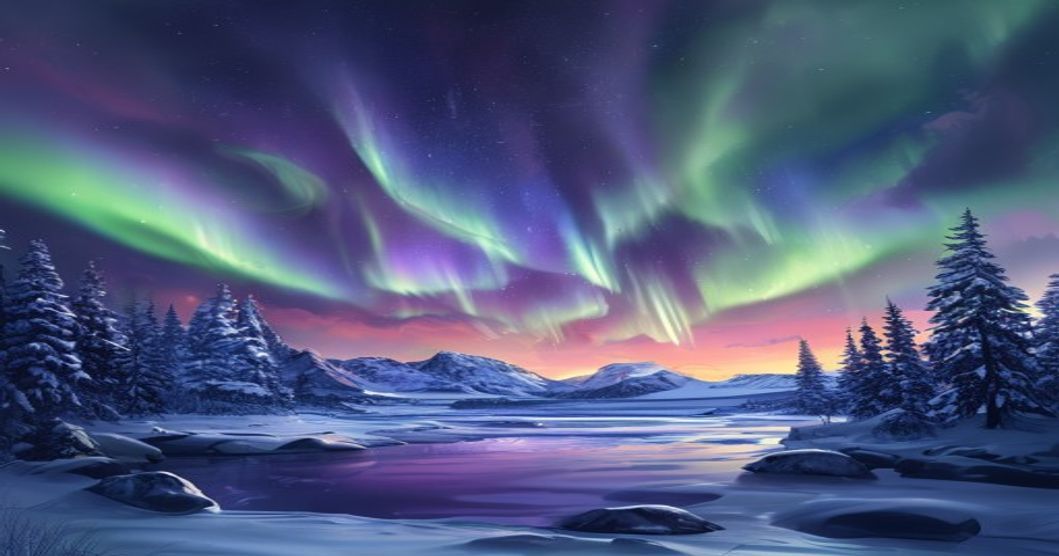
Within Sámi spiritual frameworks, the northern lights are known as guovssahas, a term derived from the word for dawn, reflecting the ethereal glow that illuminates the Arctic night sky. Unlike Scandinavian folklore that often depicts auroral displays as bridges or paths to other realms, Sámi cosmology treats the phenomenon as a direct manifestation of ancestral presence and natural intelligence. The lights are not merely atmospheric reflections but active participants in the spiritual ecology of Lapland. Indigenous Sámi communities have historically observed that Sami Northern Lights legends emphasize reciprocity between humans and the environment, positioning the aurora as a messenger rather than a deity.
Regional Variations in Aurora Folklore
The Sámi people are divided into distinct cultural groups, each contributing unique layers to northern lights folklore sami culture. In North Sámi traditions, the aurora is frequently interpreted as a cosmic dance performed by wandering spirits or deceased ancestors. Skolt Sámi narratives, however, often frame the lights as omens tied to weather patterns and reindeer migration cycles. Inari Sámi accounts sometimes describe guovssahas as luminous breaths exhaled by a primordial sky bear, reinforcing the deep animistic roots of Sámi nature worship. These regional distinctions demonstrate how Sámi aurora beliefs adapt to microclimates, seasonal rhythms, and historical land use patterns across Fennoscandia.
Spiritual Symbolism and Ecological Meaning in Sámi Traditions
The Aurora as a Liminal Interface
Sámi cosmology operates on a non-dualistic understanding of reality, where the sky, earth, and human consciousness exist within a continuous energetic field. The northern lights function as a liminal interface, dissolving boundaries between the visible and invisible worlds. Traditional Sámi drummers historically used auroral activity as a diagnostic tool during rituals, interpreting the color shifts and movement patterns as guidance for divination. This practice underscores how Sami aurora myths are not static stories but dynamic observational systems rooted in centuries of Arctic environmental monitoring.
Moral Frameworks and Survival Omens
Beyond spiritual symbolism, Sami Northern Lights legends encode critical survival knowledge. Communities historically adhered to strict protocols during intense auroral displays: whistling was prohibited because it was believed the lights could descend and snatch individuals away, while loud noises were avoided to prevent disturbing celestial ancestors. These taboos functioned as psychological safeguards during extreme weather events and prolonged darkness. Additionally, specific auroral behaviors signaled impending snowstorms, thaw cycles, or reindeer calving windows, proving that Sámi mythology operates as an integrated ecological compass rather than mere entertainment.
Contemporary Relevance and Cultural Continuity
Oral Transmission and Modern Sámi Narratives
The preservation of Sami aurora beliefs relies heavily on oral transmission, though contemporary Sámi artists, academics, and knowledge keepers are actively revitalizing these narratives through literature, digital archives, and cross-generational teaching. Modern interpretations no longer treat the lights solely as supernatural entities but as cultural anchors that reinforce Indigenous identity in a rapidly changing Arctic. Educational programs across Sápmi now integrate guovssahas mythology into environmental curricula, highlighting how traditional auroral knowledge complements modern atmospheric science.
Indigenous Knowledge and Modern Aurora Tourism
As global interest in northern lights folklore sami culture expands, ethical engagement with Sámi traditions becomes increasingly vital. Responsible tourism models now prioritize guided experiences led by Sámi communities, ensuring that auroral viewing respects sacred protocols and historical context rather than reducing the phenomenon to a photographic backdrop. The ongoing documentation of Sámi auroral lore contributes to UNESCO heritage preservation efforts while challenging colonial narratives that historically marginalized Indigenous sky knowledge.
Frequently Asked Questions
What is Sami Legends About the Northern Lights?
The Sami legends about the Northern Lights are ancient oral traditions from the indigenous Sami people of northern Scandinavia and Russia. In these stories, the aurora borealis is often described as a celestial fox whose tail brushes against the snowy peaks, creating sparks that light up the sky, or as a mystical bridge connecting the human world with the realm of spirits. These narratives historically served to explain the natural phenomenon, convey spiritual omens, and reinforce cultural values tied to nature and ancestral wisdom.
Key facts about Sami Legends About the Northern Lights
Key facts include: the aurora holds deep spiritual and cosmological significance in Sami mythology; specific colors and patterns were traditionally interpreted as messages from ancestors or indicators of upcoming weather; the stories were preserved and transmitted through joik (traditional Sami chanting) and seasonal storytelling gatherings; and contemporary Sami artists and educators actively revitalize these legends to maintain cultural continuity and promote indigenous knowledge globally.