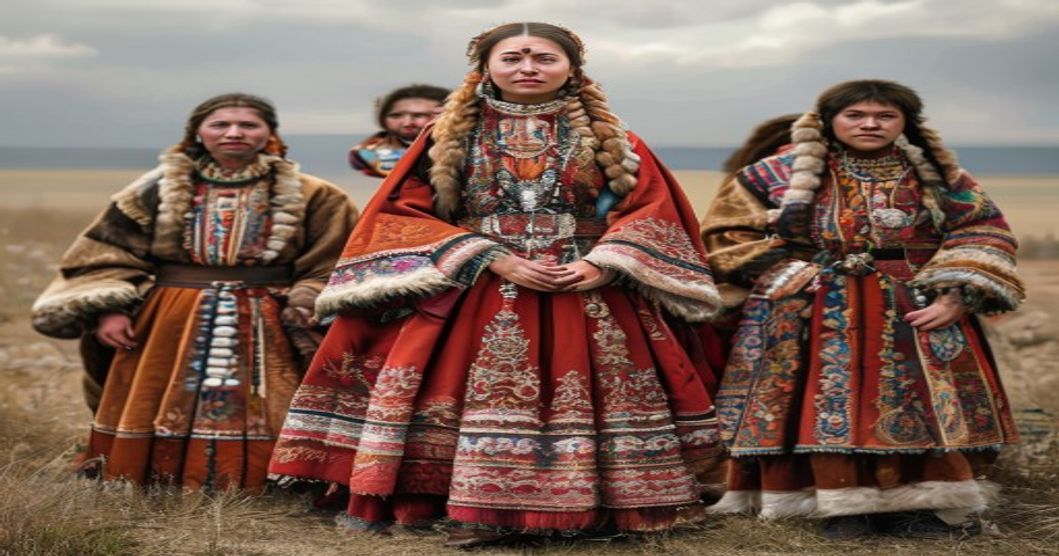
Historical Evolution of Sami Traditional Clothing
The development of Sami traditional clothing traces back to prehistoric Arctic adaptations, shaped by millennia of reindeer herding, hunting, and extreme climatic conditions. Early garments relied on raw reindeer hides, which were processed through smoking, stretching, and brain-tanning to achieve water-resistant properties and thermal efficiency. Over centuries, the evolution of the Sami gákti reflected shifting trade routes, migration patterns, and limited contact with Scandinavian and Russian populations. The introduction of woven wool in the 16th century revolutionized garment construction, allowing for layered insulation and more precise tailoring techniques. By the 19th century, state-imposed assimilation policies temporarily suppressed indigenous dress, yet resilient communities preserved core techniques through seasonal crafting rituals and oral knowledge transmission.
Prehistoric Adaptations and Climate Response
Archaeological evidence indicates that early Sami attire prioritized functional survival over decorative elements. Garments featured cross-shaped cuts to maximize shoulder mobility during reindeer handling, while asymmetrical fastening prevented wind penetration in open tundra environments. Reinforced knee patches and wide leather belts distributed weight evenly during long treks across snowpack and rocky terrain.
Trade Influence and Material Transitions
Medieval exchange networks introduced copper alloys and imported wool, gradually replacing purely hide-based construction. These materials enabled more durable stitching patterns and expanded the color palette beyond natural earth tones. Despite external influences, structural integrity remained strictly regulated by indigenous guilds to maintain mobility and climate responsiveness.
Regional Variations and Distinctive Features
The Sami gákti operates as a visual dialect, with regional variations encoding clan affiliation, marital status, and geographic origin. Western Sami attire typically features deep blue or black wool bases adorned with red and yellow ribbon embroidery, while Eastern Sami garments prioritize bright reds and utilize extensive gold-thread appliqué. Coastal communities integrate marine-inspired motifs and fish-scale patterns, whereas inland reindeer-herding groups emphasize functional elements like wide belts and reinforced knee patches. Each variant maintains standardized structural rules: a cross-shaped cut for maximum mobility, asymmetrical fastening, and layered construction designed to trap body heat without bulk.
Coastal versus Inland Tailoring Differences
Coastal Sami tailors developed flexible seam allowances to accommodate salt-air humidity, preventing wool shrinkage during summer months. Inland artisans utilized tighter stitching densities and thicker yarn counts to withstand subzero temperatures and reindeer antler abrasion. Both approaches preserved the foundational gákti silhouette while optimizing material performance for localized ecosystems.
Socioeconomic Markers in Garment Construction
Historically, fabric quality, ribbon width, and metal pendant placement signaled household wealth and trade access. Wealthier families commissioned imported silk trims and silver buckles, whereas subsistence herders relied on locally spun wool and bone toggles. These distinctions functioned as non-verbal communication systems within mobile clan networks.
Cultural Symbols and Symbolic Motifs
Every element of Sami traditional clothing carries deliberate symbolic weight. The sunwheel motif represents cosmic harmony and the cyclical nature of reindeer migration, while zigzag patterns mimic mountain ridges and seasonal thaw lines. Red ribbons historically functioned as protective barriers against malevolent forces, a practice rooted in shamanic cosmology before Christianization. Belt configurations denote life stages; married women wear double-woven sashes with copper pendants, whereas unmarried individuals display single bands with silver charms. Button placement follows celestial navigation principles, with clusters of horn or bone toggles aligning to solstice paths used for seasonal travel.
Protective Elements and Spiritual Alignment
Traditional garment assembly incorporated ritualistic steps to ensure spiritual protection. Thread was twisted clockwise to mirror solar movement, while needle insertion followed ancestral counting systems tied to lunar cycles. These practices transformed clothing production into a meditative process that reinforced community continuity and environmental reverence.
Color Symbolism and Dye Significance
Historical color choices were never arbitrary. Black represented earth stability and mourning, red signified life force and bloodline continuity, and blue denoted sky clarity and spiritual guidance. Dye extraction processes themselves carried ritual importance, requiring specific weather conditions and communal participation to maintain symbolic potency.
Materials, Dyes, and Traditional Craftsmanship
Authentic Sami duodji craftsmanship depends on sustainable Arctic resource management. Reindeer leather undergoes brain-tanning to preserve flexibility, while fur is sheared for summer wear or left intact for winter insulation. Natural dyes dominate the palette: lichen produces yellows and oranges, berry extracts yield deep purples, and iron-rich soil deposits create the iconic Sami black. Wool weaving utilizes drop spindles and backstrap looms, with yarn tension calibrated to regional humidity levels. The entire process from hide preparation to final embroidery requires over 40 hours of labor per garment, emphasizing efficiency, durability, and spiritual alignment with reindeer husbandry cycles.
Sustainable Resource Extraction Methods
Historical Sami communities practiced rotational grazing and selective harvesting to prevent ecosystem degradation. Reindeer were processed according to seasonal availability, ensuring zero waste while maintaining genetic diversity in herds. This ecological awareness directly influenced material selection and garment longevity.
Natural Dye Extraction and Color Fastening
Dye preparation involved precise temperature control and mineral mordants derived from local minerals. Lichen was harvested selectively to allow regrowth, while berry processing required immediate fermentation to prevent oxidation. These methods produced historically accurate hues that resist fading under prolonged Arctic sunlight exposure.
Modern Revival and Contemporary Adaptations
Following late-20th-century indigenous rights movements, Sami traditional clothing experienced a documented resurgence across Norway, Sweden, Finland, and Russia. Educational programs now integrate duodji into national curricula, while digital pattern archives preserve endangered regional styles. Contemporary designers merge historical techniques with sustainable textiles, introducing organic wool blends and plant-based dyes that maintain original aesthetic parameters. Institutional recognition has elevated Sami fashion to international platforms, yet artisans strictly regulate commercial production to prevent cultural dilution. Today, the gákti functions as both ceremonial attire and daily wear, reaffirming linguistic resilience and territorial sovereignty through visible cultural practice.
Educational Preservation and Intergenerational Transfer
Formal duodji workshops now operate alongside traditional family teaching methods. Master artisans document pattern variations using high-resolution scanning while maintaining oral instruction protocols. This dual approach ensures technical accuracy and contextual understanding for emerging practitioners.
Commercial Ethics and Cultural Integrity Standards
Contemporary Sami fashion organizations enforce strict certification guidelines to prevent appropriation. Authentic garments require verified material sourcing, traditional tool usage, and community
The Historical Evolution of Sámi Traditional Clothing
Pre-Industrial Nomadic Foundations
The origins of Sámi traditional clothing trace back to millennia-old reindeer herding practices across Fennoscandia, where survival demanded highly specialized textile engineering. Early garments relied exclusively on locally sourced reindeer hide, processed through meticulous scraping, smoking, and stretching techniques that yielded weather-resistant leather capable of withstanding subarctic temperatures exceeding minus forty degrees Celsius. The structural design prioritized mobility during seasonal migrations, featuring loose-fitting tunics and trousers that allowed unrestricted movement while trapping body heat efficiently.
Colonial Influences and Material Shifts
Beginning in the seventeenth century, expanding trade networks introduced European textiles to Sámi communities, fundamentally altering garment composition.
Frequently Asked Questions
What is The Evolution of Sami Traditional Dress?
The Evolution of Sami Traditional Dress refers to the historical and cultural development of the garments worn by the Sámi people, indigenous to northern Fennoscandia. Over centuries, these outfits have adapted to environmental changes, trade influences, and social shifts while preserving deep symbolic meanings tied to regional identity, marital status, and craftsmanship.
Key facts about The Evolution of Sami Traditional Dress
Key facts include: the use of reindeer leather and wool for durability in harsh climates; distinct regional patterns and colors that denote specific Sámi communities; the influence of Norwegian, Swedish, and Finnish trade routes on fabrics and decorations; and the modern revival of Sámi fashion as a symbol of cultural pride and indigenous rights.