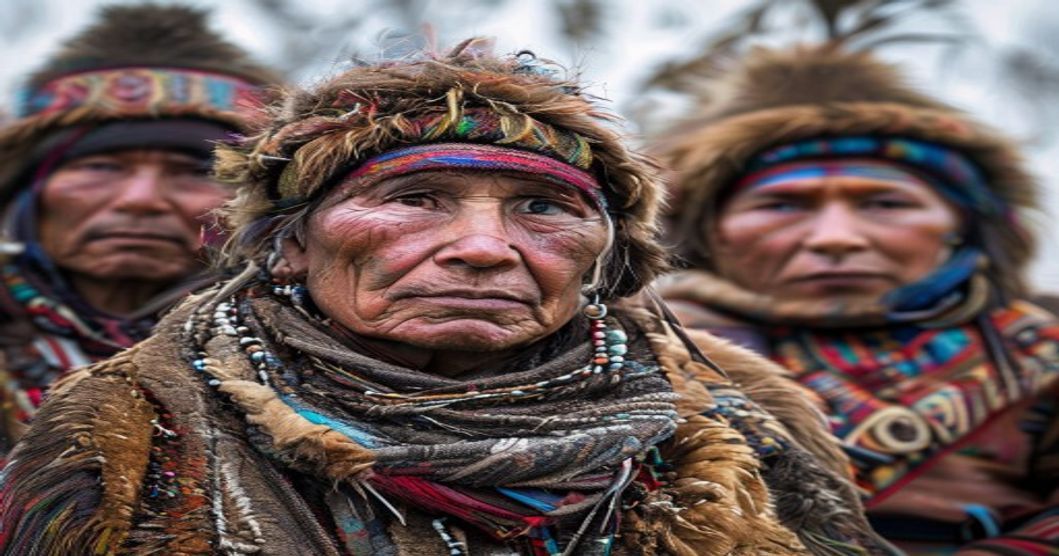
Understanding the Role of Sami Artists Preserving Indigenous Identity
Sami artists function as living archives, translating centuries of ecological knowledge, linguistic structures, and spiritual frameworks into tangible cultural expressions. The preservation of indigenous identity operates through deliberate material and performative practices that resist cultural homogenization. Traditional joik performance maintains phonetic patterns and melodic contours specific to dialects across Sápmi, while duodji craftsmanship encodes regional motifs that signal clan affiliation, seasonal migration routes, and ancestral land claims. These artistic methods operate as non-textual documentation systems, preserving information that colonial administrative records systematically erased or misrepresented.
Contemporary practitioners navigate structural pressures: maintaining ritual accuracy while adapting to modern exhibition contexts and global distribution networks. Gallery installations frequently incorporate reindeer hide processing techniques alongside algorithmic mapping of grazing territories, creating hybrid works that document both ecological displacement and cultural resilience. Musicians layer field recordings of glacial retreat and reindeer bells against synthesized textures, generating sonic landscapes that function as environmental testimony. Visual artists employ traditional birch bark carving methods to critique resource extraction policies, embedding coded geographical coordinates within pattern geometry.
- Intergenerational skill transmission occurs through apprenticeship models rather than formal institutional curricula, ensuring technical precision aligns with cosmological understanding.
- Material sourcing prioritizes ethically harvested components that reinforce land stewardship ethics central to indigenous worldview frameworks.
- Exhibition curation increasingly demands co-authorship agreements between artists and regional cultural councils to prevent extractive documentation practices.
Economic marginalization historically constrained artistic production, yet contemporary cooperatives establish direct market channels that bypass colonial auction systems. Digital archives now store high-resolution scanning data alongside audio recordings of elder practitioners, creating accessible repositories that support language revitalization programs. Academic partnerships require indigenous consent protocols before analyzing sacred symbols, shifting research methodologies toward community-directed knowledge management. These structural adjustments transform artistic practice from passive preservation into active sovereignty assertion, establishing frameworks where creative output directly funds land defense initiatives and youth mentorship networks.
Historical Context of Sami Artistic Traditions
The artistic heritage of the Sámi people emerged from a deep symbiosis with Arctic ecosystems, where survival and spirituality demanded functional craftsmanship. Before European colonization, Sámi material culture centered on reindeer husbandry, producing tools, clothing, and ceremonial objects entirely from locally sourced materials such as antler, bone, leather, and birch bark. Shamanic practitioners utilized drum frames carved from spruce wood, painted with symbolic motifs representing cosmic layers, animal spirits, and geographical landmarks. These visual narratives operated as mnemonic devices during rituals, encoding ecological knowledge and ancestral lineage without written documentation.
- Pre-17th Century Foundations: Artistic practices remained decentralized, transmitted orally through family lineages and seasonal gatherings. Duodji artisans followed strict ecological calendars to harvest materials during specific lunar phases.
- Missionary Encounters (1600s–1800s): Lutheran missionaries condemned indigenous visual symbols as pagan artifacts, forcing many communities to conceal drum paintings and alter traditional garment patterns. Colonial administrators subsequently restricted Sámi trade in precious metals and vibrant dyes.
- Nationalist Period (Early 20th Century): Scandinavian nation-states implemented assimilation policies that banned Sámi languages in schools and standardized textile production, eroding regional craft variations.
The mid-twentieth century triggered a systematic cultural renaissance across northern Fennoscandia. Sámi intellectuals established language revitalization programs alongside folk art archives, recognizing material culture as primary evidence of indigenous sovereignty. Contemporary creators now operate within institutional frameworks that fund traditional duodji workshops while encouraging experimental approaches to joik vocalization and reindeer-hide sculpture. Museums in Tromsø, Karasjok, and Kiruna have shifted from ethnographic display models to co-curation systems where Sámi artists control narrative framing. This structural transformation ensures that historical techniques remain living methodologies rather than museum artifacts.
Modern Sámi artistic production deliberately maps ancestral spatial knowledge onto contemporary political discourse. Artists embed traditional color symbolism into digital prints, reconfigure joik melodies with electronic instrumentation, and document reindeer migration routes through satellite mapping integrated with hand-carved wooden reliefs. These interventions maintain continuity between pre-colonial ecological literacy and current land-rights advocacy, positioning artistic practice as direct cultural infrastructure.
The Intersection of Culture and Contemporary Indigenous Art
Contemporary Sami art operates at a critical cultural crossroads where ancestral knowledge meets modern artistic practice. Traditional motifs such as duodji craftsmanship, reindeer husbandry symbolism, and joik vocalizations are no longer confined to historical documentation. Instead, they actively inform installation pieces, digital media, performance art, and fine art exhibitions worldwide. Sami creators navigate this intersection by treating cultural heritage not as a static archive but as a living framework for visual and conceptual expression.
Material choices often carry explicit cultural weight. Reclaimed textiles, antler carving techniques, and natural pigments are reinterpreted through contemporary mediums like acrylic, steel, or video projection. This deliberate material translation preserves technical knowledge while allowing artists to address current issues such as land rights, climate change, and linguistic revitalization. The resulting work challenges colonial narratives that historically framed Indigenous expression as museum artifacts rather than evolving creative disciplines.
Institutional recognition has shifted over the past decade. Major biennales and gallery circuits now commission Sami artists specifically for their capacity to bridge historical continuity with urgent contemporary discourse. Curatorial approaches have moved away from ethnographic framing toward conceptual art contexts, acknowledging that cultural preservation and innovation are mutually reinforcing processes. Collectors and critics increasingly seek works that demonstrate technical mastery alongside critical commentary on sovereignty and identity.
- Digital platforms have expanded artistic reach while maintaining strict cultural protocols regarding sacred imagery and seasonal practices.
- Educational initiatives within Sami art schools combine ancestral techniques with contemporary theory, ensuring structured cultural transmission.
- The commercial market now prioritizes provenance research and fair compensation models to protect cultural intellectual property.
Digital documentation allows remote communities to engage with artistic production without geographic limitations. Younger generations utilize these tools to archive oral histories, map traditional territories, and collaborate across international Indigenous networks. The digital layer extends physical craftsmanship while preserving rigorous ceremonial boundaries. Academic partnerships between universities and Indigenous collectives produce peer-reviewed studies on aesthetic continuity, material sustainability, and cross-cultural collaboration models. These frameworks validate Indigenous artistry as both a scholarly discipline and vital cultural infrastructure.
Auction houses now feature dedicated contemporary sections with transparent provenance tracking. Gallery representation focuses on long-term career development rather than temporary cultural showcases. This structural shift ensures that Sami artists maintain full creative control while reaching global audiences through ethically grounded commercial channels.
Mastery of Duodji and Functional Craftsmanship
Duodji operates as a comprehensive system of Arctic material science rather than decorative folk art. Each artifact emerges from precise ecological observation and seasonal resource mapping. Artisans monitor reindeer migration routes to locate naturally shed antlers, track birch sap flow cycles for optimal root harvesting, and apply traditional wet-tanning processes that maintain hide flexibility without synthetic additives. This functional approach ensures that every object withstands extreme temperature fluctuations, moisture exposure, and prolonged physical stress while remaining fully biodegradable. The craftsmanship prioritizes structural integrity over aesthetic embellishment, transforming utilitarian requirements into enduring cultural artifacts.
Technical execution depends on specialized tool geometry and tactile pedagogy passed through direct apprenticeship networks. Master carvers maintain exact blade bevel angles to execute seamless joins in knife sheaths, belt buckles, and drinking horns without mechanical fasteners. Geometric embroidery motifs function as encoded records of clan lineage, historical migration paths, and cosmological frameworks. Young practitioners spend extended periods preparing raw materials before attempting structural work, learning to read wood grain direction, predict fracture points, and adjust pressure based on ambient humidity. This immersive training embeds decision-making within environmental awareness rather than abstract instruction.
- Sustainably harvested birch root provides tensile strength for binding and weaving applications
- Naturally shed reindeer antler offers dense grain structure ideal for precision carving
- Traditional lasso techniques utilize braided hide strands that maintain flexibility in subzero conditions
- Archival documentation preserves micro-techniques like saddle stitching and edge beveling rarely captured in published manuals
Contemporary practitioners navigate commercial demand while maintaining strict adherence to original functional standards. Authentic pieces undergo historical usage testing to guarantee ceremonial appropriateness and outdoor reliability. Economic pressures occasionally encourage simplified designs for broader markets, yet identity-driven creators refuse structural compromises that would undermine cultural transmission. The ongoing integration of Sámi material knowledge with modern design education demonstrates how indigenous craftsmanship sustains relevance when positioned as applied ecological science rather than static heritage. This deliberate preservation mechanism ensures that functional art remains a primary vehicle for Indigenous sovereignty across generations.
Textile Weaving and Reindeer Hide Processing Methods
Traditional Sami textile weaving relies on tightly spun wool harvested from hardy Arctic reindeer and mountain sheep breeds, processed through meticulous hand-carding techniques that preserve natural lanolin distribution. Artisans operate vertical wooden looms carved from locally sourced spruce, maintaining precise warp tension to produce fabrics capable of enduring subzero temperatures without fiber degradation. The structural foundation depends on calculated mathematical sequences encoded into repeating geometric motifs, where each crossing point represents documented clan lineage, seasonal migration coordinates, and ecological observation data rather than decorative abstraction.
Reindeer hide transformation requires controlled mechanical and biochemical intervention to convert raw pelts into supple, wind-resistant materials while maintaining original collagen alignment. Practitioners remove residual adipose tissue using curved scraping stones, followed by lactic acid fermentation in shallow birch bark containers that break down protein bonds without weakening tensile integrity. The subsequent smoking process involves channeling juniper and mountain birch smoke through sealed wooden chambers, allowing phenolic compounds to penetrate the dermal layer and establish permanent water-repellent properties. Each skin undergoes repeated rolling, stretching, and manual conditioning cycles until achieving precise flexibility ratios required for reindeer-skin boots, winter parkas, and portable dwelling covers.
The integration of these parallel disciplines generates composite materials that function simultaneously as environmental adaptation tools and archival cultural documents. Modern practitioners strictly regulate dye extraction temperatures using lichen species such as Cladonia rangiferina and bog myrtle root infusions, avoiding synthetic mordants to maintain ecological balance. Color fixation depends on extended oxidation periods under monitored humidity levels, ensuring natural pigments chemically bond with keratin fibers. Preservation protocols now digitize exact strand counts per linear inch, precise tanning solution pH thresholds, and seasonal processing windows synchronized with reindeer antler cycles and forest biodiversity mandates. These documented methodologies prevent cultural fragmentation while establishing auditable standards for authentic indigenous craftsmanship verification.
Vocal Traditions and the Cultural Significance of Joik
The Joik represents one of the most distinctive vocal practices within European indigenous music, characterized by its circular melodic structures and non-linear phrasing. Unlike conventional Western song formats that follow verse-chorus architectures, Joik melodies emerge organically, revolving around a central tonal motif that mimics natural landscapes, animals, or specific individuals. Performers utilize breath control and vocal resonance techniques passed down through generational lineages, often employing microtonal shifts and rhythmic flexibility that align with the acoustic properties of Arctic environments. The technique demands precise diaphragmatic support and controlled nasal resonance to produce the characteristic overtone-rich timbre that distinguishes authentic Joik performance from contemporary adaptations.
Within Sami cosmology, vocal expression functions as a bridge between physical and spiritual realms. Traditional practitioners view each melody not as an original composition but as a living entity requiring respectful engagement. The performance context dictates appropriate delivery methods, with ceremonial gatherings prioritizing sustained tonal drones while communal celebrations emphasize rhythmic clapping and percussive vocalizations. Historical documentation reveals that Joik served multiple societal functions beyond entertainment, operating as oral archival systems where genealogical records, ecological knowledge, and territorial boundaries were encoded into melodic patterns. This mnemonic architecture ensured cultural continuity across generations who lacked written literacy traditions.
Contemporary practitioners maintain rigorous technical standards while navigating cross-cultural collaborations. Authentic training requires years of apprenticeship under established masters, focusing on dialect-specific phonetic articulation and regionally distinct melodic intervals. The Inari, Skolt, North, and South Sami variants demonstrate measurable acoustic differences in pitch contour and rhythmic subdivision. Modern preservation methodologies prioritize raw field recordings alongside contextual metadata documenting performance conditions, linguistic variations, and ceremonial purposes.
- Vocal Technique: Sustained breath cycles, overtone manipulation, and microtonal pitch bending create the signature resonant quality.
- Cultural Function: Serves as oral historiography, mapping ecological knowledge, kinship networks, and seasonal migration routes through melodic repetition.
- Regional Variations: Dialect-specific phonetics generate distinct intervallic structures across the four primary Sami language groups.
- Preservation Standards: Field recordings utilize ambient microphone placement to capture natural acoustic relationships without artificial processing.
Archival research demonstrates that melodic repetition in Joik operates as a cognitive reinforcement mechanism rather than artistic redundancy. Each performance iteration introduces subtle phonetic modifications that reflect the performer’s physiological state, environmental conditions, and spiritual intentions. This dynamic variation prevents mechanical replication while maintaining structural integrity across centuries of transmission. Current ethnomusicological studies confirm that vocal fry techniques, glottal stops, and deliberate breath pauses function as grammatical markers within the traditional performance syntax, requiring specialized linguistic training to interpret accurately.
Economic and Social Impact of Sami Artists Preserving Indigenous Identity
The economic landscape of Sápmi has shifted significantly through the strategic commercialization and cultural branding of Sami artistic practices. Contemporary creators leverage traditional duodji craftsmanship, joik vocal performances, and contemporary visual arts to generate sustainable revenue streams within northern Nordic economies. Regional craft cooperatives and artist collectives operate transparent market channels that bypass exploitative intermediaries, ensuring fair compensation directly reaches indigenous producers. International gallery partnerships, cultural tourism initiatives, and government-backed creative grants further stabilize local income levels. Digital storefronts and virtual exhibitions expand global accessibility while maintaining strict control over cultural intellectual property rights. Artists also utilize blockchain authentication for duodji pieces, guaranteeing provenance and protecting against cultural appropriation in global markets. This financial autonomy enables creators to reinvest in material sourcing, workshop infrastructure, and community-based mentorship programs.
Socially, artistic expression functions as a vital mechanism for intergenerational knowledge transmission and linguistic revitalization. When carvers embed ancestral motifs or musicians record joiks in endangered dialects, they create living archives that resist cultural erosion. Community festivals and public installations generate shared spaces where younger demographics engage with heritage practices outside formal educational frameworks. Local schools integrate these artistic methodologies into curricula, transforming passive cultural consumption into active skill acquisition and economic literacy. This participatory approach strengthens collective self-determination and counters historical marginalization by positioning indigenous creators as active cultural authorities rather than passive subjects. Academic institutions and municipal planners increasingly recognize these artistic networks as essential infrastructure for regional well-being, influencing policy allocations toward language preservation and youth engagement programs.
The intersection of financial viability and cultural continuity produces measurable community resilience. Regions with robust indigenous arts ecosystems demonstrate higher rates of local entrepreneurship, reduced outmigration among young adults, and stronger cross-cultural diplomatic ties. Global recognition amplifies domestic advocacy efforts, securing legislative protections for traditional knowledge while fostering ethical collaboration models with non-indigenous stakeholders. Sustainable artistic enterprises function as economic anchors that simultaneously reinforce social cohesion, ensuring Sami identity evolves dynamically rather than remaining static or commodified solely for external consumption.
Sustainable Artisan Economies in Northern Scandinavia
The economic landscape across Sápmi has transitioned toward community-driven artisan networks that directly fund cultural preservation initiatives. Sami cooperatives in Norway, Sweden, and Finland now operate transparent supply chains for traditional duodji, converting reindeer antlers, birch roots, and wool into commercial products without compromising ecological boundaries. These enterprises utilize low-impact processing techniques passed down through generations while implementing modern waste-reduction protocols. Revenue from craft sales actively finances language immersion programs, youth apprenticeships, and land rights advocacy groups that monitor territorial boundaries against industrial extraction projects.
Digital marketplaces specifically engineered for Indigenous creators have dismantled traditional middleman dependencies. Artisans now connect directly with international buyers through verified cultural heritage platforms that authenticate origin stories alongside each product listing. This direct distribution model ensures profit margins remain within local communities rather than flowing toward external retailers. The digital infrastructure includes multilingual product descriptions in North and South Sami dialects, transforming every transaction into an educational moment about Sámi cosmology, seasonal migration patterns, and sustainable harvesting calendars.
- Traditional crafting methods inherently align with contemporary circular economy principles by utilizing fallen antlers and plant matter that would otherwise decompose naturally.
- Regional craft councils mandate seasonal harvesting quotas that mirror natural reproduction cycles, ensuring resource availability for future generations.
- Community-owned processing facilities replace industrial manufacturing zones, preventing soil degradation and maintaining biodiversity corridors essential to reindeer grazing routes.
This symbiotic relationship between economic activity and environmental stewardship creates resilient local economies capable of withstanding climate volatility. The integration of ancestral techniques with modern sustainability metrics establishes a replicable model for heritage conservation that prioritizes ecological balance over short-term commercial expansion. Local governance structures now require transparent financial reporting to protect cultural assets from external appropriation while funding intergenerational skill transfer programs.
Global Recognition and Market Dynamics for Indigenous Creations
The international art and craft sector has experienced a measurable shift toward valuing culturally rooted production, with indigenous creators gaining unprecedented visibility across established galleries, auction houses, and contemporary design exhibitions. This recognition stems from a convergence of consumer demand for authentic provenance, institutional support for cultural heritage, and strategic positioning within the global creative economy. Collectors and institutions now prioritize works that demonstrate continuous lineage, material integrity, and community endorsement. The premium attached to verified indigenous craftsmanship reflects broader economic patterns where cultural scarcity and technical specificity drive valuation. Market participants increasingly recognize that sustainable demand relies on transparent supply chains and direct compensation models rather than extractive licensing arrangements.
- Pricing structures operate through multiple interconnected channels, with artisan cooperatives and regional certification bodies establishing baseline valuations based on material sourcing, labor intensity, and historical technique preservation.
- The Sami duodji mark exemplifies how formalized authentication systems protect market integrity while enabling creators to command fair compensation.
- Secondary markets exhibit price volatility tied directly to provenance documentation, exhibition history, and academic recognition rather than speculative trends.
Digital marketplaces have introduced algorithmic pricing tools that analyze search volume, regional demand spikes, and competitor listings, yet cultural goods require manual curation to maintain contextual accuracy. Supply constraints remain a defining characteristic; traditional material harvesting cycles, geographic limitations, and intergenerational knowledge transfer naturally cap production volumes. This scarcity reinforces long-term value retention but demands strategic inventory management from both producers and distributors. Consumer demographics driving this market segment skew toward educated purchasers aged thirty to fifty-five who prioritize ethical acquisition frameworks and cultural education alongside aesthetic appreciation. Social commerce platforms amplify reach through documentary-style content, live weaving demonstrations, and behind-the-scenes production logs that establish trust before transaction.
- Search behavior indicates strong commercial intent around verified indigenous art, traditional craftsmanship authentication, and culturally respectful purchasing guidelines.
- Retailers responding effectively integrate metadata with precise geographic markers, technique descriptions, and artist biographies rather than relying on generic cultural labels.
Intellectual property frameworks are evolving to accommodate collective ownership models, with legal adaptations addressing traditional knowledge protection against mass reproduction. Regulatory compliance now includes origin verification protocols, royalty distribution mechanisms for community funds, and export documentation aligned with heritage conventions. Market participants investing in transparent certification infrastructure consistently outperform competitors in retention metrics and brand authority. Strategic positioning requires continuous alignment between production capacity, digital discovery optimization, and ethical sourcing transparency to maintain long-term market viability.
Challenges Faced by Contemporary Sami Artisans
Contemporary Sami artisans navigate a complex landscape where cultural preservation intersects with modern economic and environmental pressures. The scarcity of traditional materials stands as a primary obstacle. Climate shifts have altered reindeer migration routes, directly impacting the availability of ethically sourced antler and hide. Grazing land fragmentation due to infrastructure development further restricts access to natural resources that have sustained duodji for centuries.
Commercial demand creates another layer of tension. Tourist markets often prioritize visually striking motifs over culturally accurate craftsmanship, pushing artisans toward simplified production methods. This market distortion risks diluting the symbolic language embedded in traditional patterns. Simultaneously, intellectual property frameworks remain largely inadequate for protecting indigenous designs. Fast-fashion brands and overseas manufacturers frequently replicate Sámi geometric compositions without licensing agreements, cultural attribution, or revenue sharing with origin communities.
Knowledge transmission faces structural headwinds as well. The decline of active Sami speakers weakens the oral tradition that historically conveyed technique specifications, material processing timelines, and spiritual context. Younger generations increasingly pursue formal education outside traditional craft apprenticeships, creating a gap in master-apprentice continuity. Economic sustainability compounds these issues. Small-batch production cannot match the pricing power of mass manufacturing, forcing many practitioners to rely on sporadic cultural grants or direct-to-consumer digital platforms that require substantial marketing infrastructure.
Regulatory recognition also lags behind community needs. The absence of a unified geographic indication system for contemporary duodji leaves authentic pieces vulnerable to misrepresentation in international markets. Artisans seeking certification must navigate fragmented national policies across Norway, Sweden, Finland, and Russia, each with distinct agricultural and cultural heritage regulations. Building resilient supply chains, developing standardized authenticity markers, and integrating digital commerce without compromising ceremonial integrity remain critical operational priorities for the next generation of Sámi craftspeople.
Balancing Commercial Demands with Cultural Authenticity
The global art market frequently pressures indigenous creators to simplify complex traditions into easily commodified symbols. Sami artists encounter direct financial incentives to replace hand-carved reindeer antler with machine-pressed materials or substitute traditional berry-dyed textiles with synthetic alternatives. This structural shift erodes the tactile knowledge transmitted through generations of duodji makers. Economic survival often demands participation in international supply chains, yet mass production strips away the contextual narratives that give each artifact its cultural weight. Collectors seeking authentic sami motifs rarely comprehend the spiritual significance embedded in regional reindeer patterns or the linguistic foundations underlying joik vocal traditions.
Navigating this landscape requires deliberate boundary-setting and institutional support. Contemporary creators increasingly establish community-run cooperatives that control distribution
Climate Change Threats to Traditional Material Sources
The foundation of Sami artistic practice rests upon precise ecological knowledge passed through generations. Artists harvest reindeer antlers, bone, wool, and leather from herds that migrate across Sápmi’s fragile tundra and boreal forests. Warming temperatures disrupt these migration corridors, forcing herders to travel farther for grazing grounds while reducing the natural shedding and sustainable collection of antlers and hides. Simultaneously, increased frequency of rain-on-snow events creates impenetrable ice layers that block access to lichen, triggering mass reindeer mortality. This ecological collapse directly removes primary mediums from studios and workshops.
Birch bark harvesting demands strict seasonal timing aligned with spring sap flow. Shifting temperature patterns compress or delay this window, causing artists to collect bark under suboptimal conditions that compromise durability and flexibility. Plant-based dyes derived from cloudberry leaves, lichens, and Arctic foxglove now grow at higher elevations or fail to establish in altered soil chemistry. Traditional color palettes fade as foragers navigate degraded habitats.
- Altered hydrology: Thawing permafrost changes wetland composition, affecting the growth of fibrous plants historically used for basket weaving and cordage.
- Pest migration: Warmer winters allow bark beetles and moths to expand into northern territories, damaging mature birch stands that take decades to regenerate.
- Material substitution: Artists increasingly rely on commercial imports or synthetic alternatives, which lack the tensile strength, weathering properties, and cultural resonance of regionally sourced materials.
The disappearance of native resources fractures intergenerational transmission. Elders cannot demonstrate proper antler carving techniques when herd sizes shrink, nor can they teach seasonal bark harvesting when climate windows become unpredictable. Each lost material represents a severed link to territorial knowledge, language-specific terminology, and cosmological narratives embedded in duodji. Artists counter this erosion by mapping historical collection sites, cultivating resilient plant strains in controlled environments, and advocating for land rights that protect critical ecosystems. Preservation demands active ecological stewardship alongside technical mastery.
Legal Frameworks Protecting Indigenous Intellectual Property
Western intellectual property regimes were historically constructed around individual authorship, fixed terms of protection, and novelty requirements, creating structural misalignment with indigenous knowledge transmission. Indigenous systems operate through intergenerational stewardship, communal ownership, and contextual usage rights that do not conform to standard copyright or patent classifications. Legal frameworks addressing this gap have evolved through international instruments, regional treaties, and targeted domestic legislation.
The United Nations Declaration on the Rights of Indigenous Peoples established foundational recognition for indigenous control over cultural heritage, traditional knowledge, and genetic resources. Article 31 explicitly guarantees the right to maintain, control, protect, and develop cultural heritage, traditional knowledge, and traditional cultural expressions. Building upon this foundation, the World Intellectual Property Organization Intergovernmental Committee has advanced treaty discussions focused on preventing misappropriation, mandating disclosure of origin in patent applications, and establishing defensive registration databases.
National implementations vary significantly across Sami-inhabited territories. Norway Copyright Act recognizes collective moral rights for traditional cultural expressions, while the Finnish Trademarks Act allows registered associations to oppose registrations that exploit indigenous symbols without authorization. Sweden utilizes a sui generis approach through the Duodji mark system, administered jointly by artisan councils and state authorities, which functions as a certification of authenticity rather than traditional copyright. These mechanisms prioritize geographic origin, craftsmanship standards, and community oversight over exclusive commercial monopolies.
- Prior informed consent protocols require foreign entities to negotiate directly with recognized indigenous representative bodies before accessing or commercializing traditional motifs, patterns, or acoustic recordings.
- Benefit-sharing agreements allocate a percentage of commercial revenue toward cultural preservation, language revitalization programs, and artisan education initiatives.
- Moral rights frameworks enforce attribution requirements and prohibit derogatory modifications that distort the spiritual or historical context of indigenous artistic expressions.
Enforcement remains fragmented due to jurisdictional boundaries and the non-exclusive nature of traditional knowledge. Legal practitioners increasingly rely on community cultural protocols, digital provenance tracking, and contractual licensing models that operate alongside statutory protections. Emerging strategies include registering traditional patterns as certification marks, utilizing blockchain-based timestamping for creation documentation, and establishing indigenous-led intellectual property offices that interpret legal standards through cultural governance structures.
Continuous adaptation of these frameworks requires balancing accessibility with protection. Open licensing models do not address collective ownership dynamics, whereas tailored sui generis registrations provide enforceable boundaries without fracturing communal stewardship principles. Legal clarity improves when indigenous governance bodies participate directly in policy drafting, ensuring that statutory language reflects lived cultural practices rather than external legal assumptions.
Future Pathways for Sami Artists Preserving Indigenous Identity
The trajectory of Sami artistic practice relies heavily on integrating traditional craftsmanship with emerging technological frameworks. Digital archiving platforms provide a secure infrastructure for storing joik recordings, duodji patterns, and contemporary visual works, ensuring that cultural assets remain accessible to younger generations while maintaining strict community governance over usage rights.
Intergenerational mentorship programs form the structural foundation of this preservation effort. Established masters collaborate with emerging creators through funded residencies and workshop series, transferring specialized techniques in reindeer bone carving, silver jewelry making, and textile weaving. These structured exchanges prevent knowledge erosion and adapt ancestral methods to modern material constraints without diluting cultural protocols.
- Digital sovereignty initiatives empower Sami communities to control metadata classification, algorithmic visibility, and commercial licensing of indigenous digital assets.
- Cross-border collaborative networks connect artists across Sápmi regions, fostering standardized documentation practices and unified advocacy for cultural heritage protection.
- Educational curriculum integration introduces traditional art forms into primary and secondary schooling, establishing early familiarity with indigenous aesthetics and ethical creation standards.
Policy frameworks require continuous refinement to address intellectual property gaps in contemporary art markets. Traditional knowledge labels and dynamic copyright licenses enable artists to monetize works while enforcing cultural boundaries. Institutional funding mechanisms must shift from project-based grants toward long-term operational support, allowing studios to invest in climate-resilient materials and sustainable production cycles.
Emerging technologies offer precise documentation tools for tracking material provenance and verifying authentic indigenous authorship. Blockchain-enabled registries create immutable records of creation dates, collaborative inputs, and territorial origins, reducing unauthorized appropriation by commercial entities. Virtual reality exhibitions expand audience reach without compromising sacred spatial contexts, allowing global viewers to engage with culturally specific environments under community-guided parameters.
Economic sustainability depends on diversifying revenue streams beyond tourism-driven sales. Direct patronage networks, institutional acquisitions, and digital subscription models provide stable income channels that prioritize cultural continuity over mass production. Artistic collectives negotiate fair trade agreements with galleries and retailers, ensuring profit distribution aligns with indigenous economic principles rather than external market fluctuations.
Research partnerships between academic institutions and Sami studios generate peer-reviewed documentation of material science applications in traditional practices. This scholarly integration validates indigenous methodologies within contemporary conservation standards while preserving territorial relationships tied to specific natural resources. Long-term cultural resilience emerges when artistic practice, technological
Digital Platforms and Virtual Exhibitions for Indigenous Art
Digital infrastructure has fundamentally transformed how Sami artists distribute and contextualize their work. Traditional galleries often operated outside indigenous territories, creating physical and economic barriers. Contemporary web-based archives bypass these limitations entirely. Artists now utilize dedicated cultural portals to showcase duodji, joik recordings, and contemporary visual art without intermediaries. These platforms function as dynamic repositories where structured metadata directly links each piece to its specific Sápmi region, linguistic dialect, and historical context. Proper implementation of schema markup ensures search engines interpret cultural references accurately rather than stripping contextual layers during indexing.
- Custom taxonomy frameworks replace standardized museum classifications with indigenous terminology, ensuring cultural accuracy during search indexing.
- Geolocation protocols restrict access to ceremonial artifacts based on verified community affiliation rather than open public browsing.
- High-fidelity audio synchronization pairs traditional vocal techniques with corresponding visual compositions for immersive educational experiences.
- Decentralized hosting infrastructure guarantees data sovereignty, removing commercial analytics tracking from cultural preservation workflows.
Algorithmic curation on mainstream digital art networks frequently marginalizes indigenous perspectives due to rigid classification systems. Independent hosting solutions circumvent this issue by implementing custom taxonomy structures rooted in sami terminology rather than western museum classifications. This technical autonomy guarantees that cultural context dictates discovery patterns rather than engagement metrics alone. Blockchain verification has also emerged as a standard practice for authenticating traditional techniques and preventing cultural appropriation across global marketplaces.
Educational institutions now integrate these digital exhibitions into curricula through structured virtual field trips. Students access high-resolution scans alongside elder interviews documenting material sourcing methods. This pedagogical model ensures transmission of ancestral knowledge while adapting to contemporary learning frameworks. The infrastructure supporting these platforms relies on decentralized hosting networks that prioritize community control over commercial analytics tracking.
Intergenerational Knowledge Transfer Programs
The transmission of Sami artistic heritage relies heavily on structured intergenerational knowledge transfer programs that bridge historical craftsmanship with contemporary creative practice. These initiatives operate through formalized apprenticeship models where master artisans guide younger participants in traditional techniques such as duodji wood carving, reindeer hide processing, and joik vocalization. Unlike conventional art education, this model emphasizes contextual learning within ecological and seasonal frameworks. Participants spend extended periods observing material preparation, tool maintenance, and the symbolic placement of geometric patterns that encode clan histories and territorial boundaries.
- Mentorship Frameworks: Certified elder-artists receive institutional funding to conduct intensive seasonal workshops across Finnmark, Troms, and Sápmi regions. These sessions prioritize hands-on replication of ancestral methods before introducing conceptual adaptation.
- Linguistic Integration: Every technical instruction occurs within native Sámi dialects. Terminology related to reindeer herding, textile dyeing, and landscape navigation remains untranslated, preserving semantic precision that commercial art markets typically erase.
- Digital-Physical Hybrid Archives: Programs pair tactile training with metadata-rich documentation. Younger creators record process videos in their own dialects while elders annotate pattern geometries using GIS mapping tools tied to ancestral grazing routes.
Structural continuity depends on decentralized community hubs rather than centralized galleries. Municipal cultural offices allocate grants that require participating artists to dedicate twenty percent of annual production time to teaching youth cohorts. This contractual obligation ensures knowledge flow remains bidirectional. Contemporary Sami painters and sculptors actively incorporate these transferred techniques into gallery exhibitions, yet the underlying pedagogical contracts prevent aesthetic commodification from overriding cultural protocol.
Evaluation metrics focus on linguistic retention rates, technique replication accuracy, and cross-regional collaboration frequency rather than commercial output. Programs that successfully maintain this balance report measurable increases in youth enrollment across traditional craft disciplines while simultaneously expanding market access through ethical certification frameworks. The resulting ecosystem sustains indigenous identity by treating artistic practice as living infrastructure rather than historical artifact.
Policy Initiatives Supporting Cultural Continuity
Governmental frameworks across Norway, Sweden, Finland, and Russia have established structured mechanisms to sustain Sami artistic expression and cultural transmission. The Sami Act of 1987 in Norway created dedicated funding streams through the Sámi Parliament and regional cultural councils, directing resources toward traditional crafts, duodji production, and contemporary visual arts. Sweden’s Cultural Heritage Act mandates municipal support for indigenous artistic initiatives, while Finland’s Language Act grants official status to North, South, and Inari Sami, enabling state-funded educational materials that directly feed into artistic training programs.
Institutional funding models prioritize long-term artist development over short-term projects. National arts councils in Scandinavia allocate permanent budgets for indigenous creators, covering studio space, material procurement, and cross-border collaboration grants. The Nordic Council’s annual cultural fund specifically reserves quotas for Sami practitioners, ensuring consistent revenue streams that reduce dependency on volatile tourism markets. These financial structures operate alongside land-use agreements under ILO Convention 169, which legally recognizes traditional reindeer herding territories and grants artists priority access to natural resources required for authentic material sourcing.
- Educational Integration: Mandatory Sami language instruction in northern municipal schools creates pipeline programs where students learn joik vocalization, guksi carving, and textile dyeing under master artisans before entering formal art academies.
- Digital Preservation Mandates: State-backed archives like the Sámi University of Applied Sciences maintain publicly accessible digital repositories containing high-resolution patterns, acoustic recordings, and technique documentation, all licensed for artistic reference without commercial restriction.
- Cross-Border Recognition Protocols: Bilateral agreements between Scandinavian nations standardize artist residency visas and material import tariffs, eliminating bureaucratic barriers that historically fragmented regional creative networks.
Municipal cultural departments now require indigenous representation on all heritage evaluation committees. This structural shift ensures policy decisions reflect actual community needs rather than external academic interpretations. Recent legislative amendments in Troms og Finnmark county mandate that fifty percent of publicly commissioned artworks must incorporate traditional Sami motifs verified by accredited cultural advisors. Verification processes utilize established genealogical records and regional craft guild registries to authenticate origin claims, preventing cultural appropriation while maintaining artistic innovation within legally defined boundaries.
Implementation oversight rests with independent monitoring bodies that publish annual compliance reports detailing fund distribution, program participation rates, and material accessibility metrics. These transparent reporting requirements force continuous policy refinement based on measurable cultural output rather than theoretical frameworks. Artists benefit from streamlined application processes through unified digital portals that aggregate national grants, regional subsidies, and international indigenous development funds into single submission pathways.
Frequently Asked Questions
What is Sami Artists Preserving Indigenous Identity?
Sami Artists Preserving Indigenous Identity refers to a collective movement and network of indigenous creators dedicated to safeguarding, revitalizing, and promoting the cultural heritage of the Sámi people. Through traditional crafts like duodji, contemporary visual arts, music, joik singing, and digital media, these artists actively resist cultural assimilation, assert territorial and linguistic rights, and share their ancestral worldview with global audiences while maintaining strict community protocols regarding sacred knowledge.
Key facts about Sami Artists Preserving Indigenous Identity
Key facts include: (1) The Sámi are the only officially recognized indigenous people in Europe, inhabiting the northern regions of Norway, Sweden, Finland, and Russia’s Kola Peninsula. (2) Their artistic expression is intrinsically linked to reindeer herding, seasonal cycles, and a deep spiritual connection to nature. (3) Modern Sami artists frequently blend traditional motifs with contemporary mediums such as film, photography, and installation art to address issues like climate change, land sovereignty, and cultural revitalization. (4) Major international museums and biennales have increasingly featured Sámi works, while indigenous curatorial standards ensure respectful representation of culturally significant symbols and narratives.