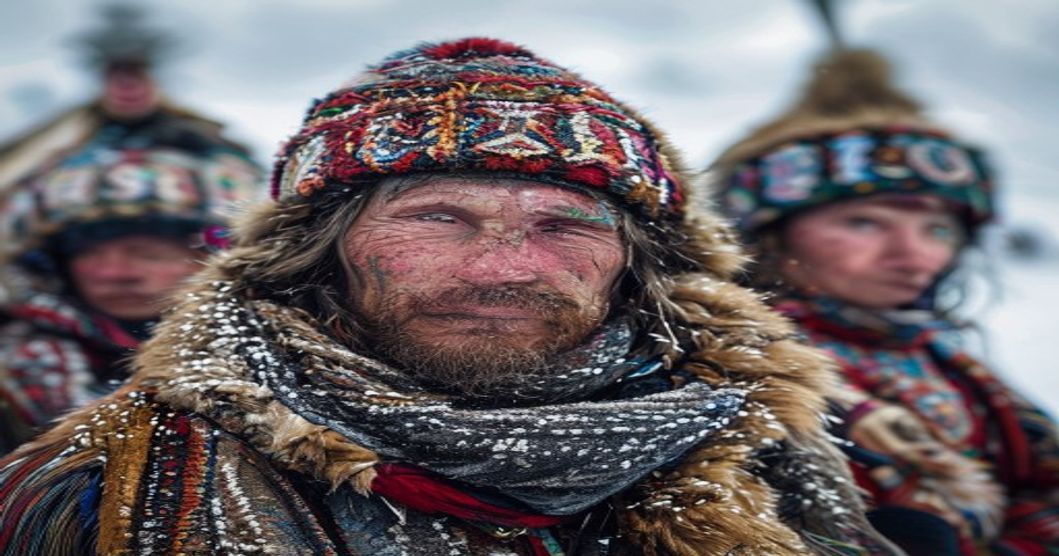
Historical Foundations and Geographical Distribution of the Swedish Sami
The Swedish Sami people constitute the only officially recognized indigenous population in Sweden, with ancestral ties to the transnational region known as Sapmi. Archaeological evidence and oral genealogies indicate continuous habitation across northern Scandinavia for over four millennia, long before the formation of modern nation-states. The Sami territories span the Fennoscandian peninsula, with approximately one-third of Sapmi located within Swedish borders, primarily in the counties of Norrbotten, Västerbotten, and Jämtland. Historical records document early interactions between Sami communities and Viking-age Norse traders, followed by centuries of gradual territorial encroachment during the medieval expansion of Sweden. The 17th-century Sami Wars and subsequent taxation systems marked a turning point, as Swedish authorities implemented policies aimed at centralizing land ownership and assimilating indigenous populations. Despite colonial pressures, Sami communities maintained autonomous social structures organized around kinship networks and seasonal resource management.
Colonial Policies and Cultural Resilience
The 18th and 19th centuries introduced systematic assimilation measures, including the Lappskolorna (Sami schools) established in 1913, which enforced Swedish language instruction and Christianization while suppressing indigenous practices. Land demarcation acts in 1886 restricted traditional reindeer migration corridors, yet Sami populations demonstrated remarkable cultural continuity through clandestine preservation of language, spiritual rituals, and craft techniques. The late 20th century witnessed a paradigm shift as indigenous rights gained international prominence, culminating in Sweden’s constitutional recognition of the Sami as a minority with distinct linguistic and cultural heritage.
Linguistic Diversity and Language Revitalization Efforts
The Sami language family belongs to the Uralic linguistic branch, sharing distant genetic relationships with Finnish and Hungarian rather than Scandinavian languages. Within Sweden, three primary Sami dialects are officially recognized: North Sami, Lule Sami, and South Sami, each exhibiting distinct phonological structures, grammatical cases, and lexical domains tied to specific ecological zones. Historically suppressed by Swedish monolingual education policies, these languages faced severe attrition throughout the 20th century. Contemporary revitalization initiatives leverage digital literacy, standardized orthographies, and dual-language municipal services to reverse language shift trends.
Oral Tradition and Grammatical Complexity
Sami linguistic heritage is characterized by extensive case systems, evidential markers, and a rich vocabulary documenting reindeer husbandry, tundra botany, and meteorological phenomena. The joik tradition functions as both musical expression and linguistic vehicle, encoding genealogical information and territorial knowledge through melodic repetition rather than linear narrative syntax. Municipalities within Sapmi have implemented Sami-language signage, public broadcasting, and university-level linguistics programs to institutionalize linguistic sovereignty while adapting to modern communicative demands.
Reindeer Husbandry and Ecological Knowledge Systems
Reindeer herding in Sweden remains the most visible traditional livelihood, governing approximately 30% of the recognized Sami population. The practice operates through the siida system, a cooperative management structure that coordinates seasonal migration routes between coastal summer pastures and inland winter grazing grounds. Herders utilize generational ecological knowledge to interpret snow crust formation, lichen availability, and predator behavior, ensuring sustainable biomass extraction across fragile boreal and subarctic ecosystems.
Legal Boundaries and Climate Adaptation
Swedish law restricts commercial reindeer herding to registered Sami households, creating ongoing jurisdictional debates regarding land access and resource allocation. Modern herders integrate GPS tracking, snowmobile logistics, and veterinary medicine while preserving traditional migration calendars. Accelerated climate change has disrupted historical seasonal patterns, causing premature thaw cycles that freeze precipitation into impenetrable ice layers, thereby threatening forage accessibility and necessitating adaptive management strategies.
Artisanal Heritage and Duodji Craftsmanship
Sami duodji encompasses a specialized category of indigenous craftsmanship designed to meet functional, aesthetic, and ceremonial requirements. Artisans utilize locally sourced materials including reindeer antler, moose horn, birch root, silver wire, and wool, transforming them into tools, containers, weaponry, and decorative objects. Each region exhibits distinct stylistic motifs, with geometric patterns encoding clan identity, marital status, and spiritual protection symbols.
Traditional Attire and Symbolic Design
The Sami gákti functions as a comprehensive cultural marker, varying in cut, color palette, and embellishment across Sapmi’s linguistic zones. Red signifies vitality and northern territories, blue represents water and western regions, while yellow denotes the sun and central communities. Silver buckles, coin chains, and woven belts serve both structural reinforcement and genealogical documentation purposes. Contemporary duodji practitioners navigate cultural appropriation debates while maintaining authenticity through certified production standards and intergenerational apprenticeship models.
Spiritual Cosmology and Sacred Geography
Pre-Christian Sami spirituality operated within an animistic framework recognizing reciprocal relationships between human, animal, and landscape entities. The noaidi, or shamanic mediator, utilized elaborately painted drums to facilitate divination, healing rituals, and seasonal boundary negotiations with territorial spirits. Sacred sites called sieidi functioned as natural altars where communities deposited offerings, conducted blood sacrifices, and maintained cosmological equilibrium.
Contemporary Spiritual Revival and UNESCO Recognition
Although Lutheran Christianity largely displaced indigenous practices during the 18th century, late-20th-century cultural movements initiated systematic documentation of drum patterns, mythological cycles, and ritual calendars. The joik singing tradition achieved UNESCO Intangible Cultural Heritage status in 2019, acknowledging its role as a non-linear mnemonic technology preserving ecological memory. Modern Sami spiritual practitioners integrate ancestral cosmology with environmental activism, framing landscape protection as sacred obligation rather than policy preference.
Contemporary Legal Status and Indigenous Rights Frameworks
The Sámediggi (Sami Parliament), established in 1993, operates as the primary political institution representing Sami interests in legislative consultation, cultural funding allocation, and educational policy formulation. Swedish governance maintains a complex jurisdictional framework where reindeer herding districts, municipal authorities, and state forestry agencies intersect with indigenous land use claims. The absence of ratified ILO Convention 169 continues to generate diplomatic tension regarding free, prior, and informed consent requirements for extractive industries operating within Sapmi.
Economic Development and Cultural Preservation Tensions
Contemporary Sami communities navigate competing priorities between traditional subsistence practices and commercial enterprise development. Wind energy installations, lithium mining concessions, and commercial forestry operations frequently overlap with historically documented migration routes and sacred landscapes. Youth-led cultural organizations leverage social media documentation, indigenous design branding, and transnational Sapmi alliances to assert sovereignty while adapting heritage transmission mechanisms to digital pedagogical environments.
Historical Roots and Indigenous Status in Scandinavia
The Swedish Sámi people represent one of the oldest indigenous populations in Europe, with archaeological evidence confirming continuous habitation across northern Fennoscandia for over ten thousand years. Their ancestral territories span the modern borders of Sweden, Norway, Finland, and Russia, though the Swedish Sámi maintain a distinct legal and cultural framework within the Kingdom of Sweden.
Prehistoric Settlements and Migration Patterns
Early Sámi communities adapted to the subarctic environment through highly specialized ecological strategies. Stone age artifacts from Västerbotten and Norrbotten counties reveal sophisticated hunting tools and seasonal camps that predate Scandinavian agricultural expansion. Linguistic reconstruction places Proto-Sámi divergence from Uralic roots approximately two thousand years ago, coinciding with climate shifts during the Iron Age.
Colonial Policies and Cultural Suppression
From the seventeenth century onward, Swedish state policies systematically marginalized Sámi governance structures. The 1673 Forest Law and subsequent taxation systems restricted traditional grazing routes, while missionary efforts
Frequently Asked Questions
What is Sami People of Sweden: Traditions and Heritage?
The Sami People of Sweden: Traditions and Heritage refers to the indigenous cultural practices, history, and societal structures of the Sami, the only officially recognized indigenous people in Sweden, known for their reindeer herding, joik singing, duodji handicraft, and deep spiritual connection to the northern landscapes.
Key facts about Sami People of Sweden: Traditions and Heritage
Key facts include: the Sami have inhabited northern Scandinavia for millennia; Sweden’s Sami Parliament represents their political rights; traditional livelihoods center around reindeer husbandry, fishing, and handicrafts; the Sami language belongs to the Uralic family and has multiple dialects; and their cultural heritage is protected under Swedish law and international indigenous rights frameworks.