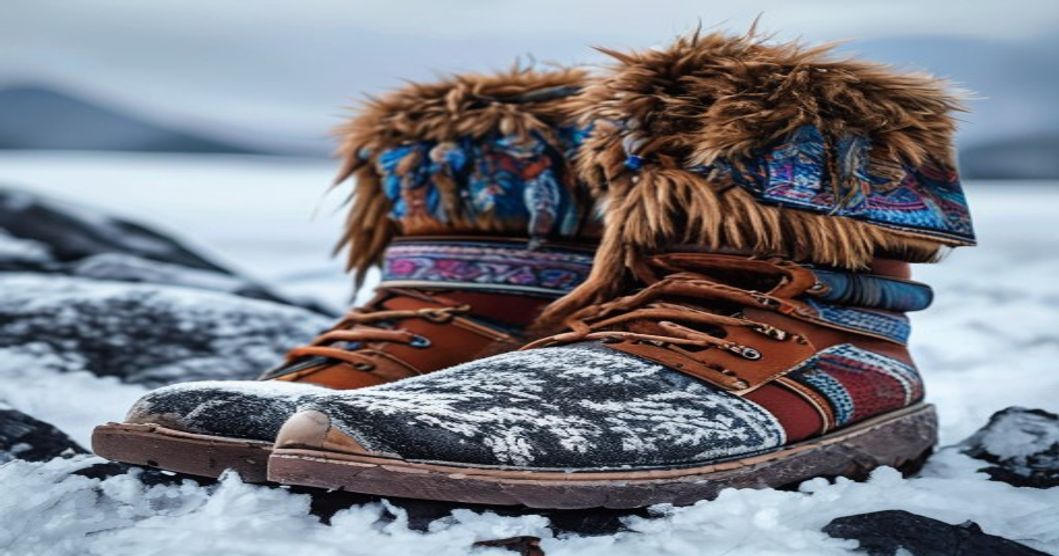
Traditional Sami Boots and Arctic Clothing: Origins and Historical Context
Reindeer Leather and Wool in Sami Footwear
Sami artisans prioritize reindeer leather for its unique thermal properties. The hide retains natural oils that repel moisture without trapping sweat. Sámi gákti garments integrate woven wool for core insulation. Artisans separate moose or elk skin for high-friction zones. These material choices directly combat subzero wind chill.
Evolution of Arctic Garments Across Sami Regions
Historical migration patterns shaped regional textile variations. Northern Lapland reindeer herders developed lighter, flexible soles. Southern pastoral groups reinforced seams against dense forest undergrowth. Soviet-era border closures isolated specific duodji techniques. Modern archaeological finds confirm distinct stitch patterns predate nineteenth-century trade routes.
Construction Techniques and Material Sourcing
Hand-Stitching Methods for Cold-Weather Durability
Traditional Sámi stitching uses sinew thread for extreme flexibility. Artisans employ a double-needle lock stitch to prevent seam failure. Reinforced knee patches absorb saddle and pack pressure. Each joint receives bar tacking before final assembly. This manual reinforcement outperforms machine stitching in freezing temperatures.
Natural Dyes and Traditional Tanning Processes
Chaga mushrooms and birch bark provide earthy tannins for leather treatment. Heated water extracts pigment molecules without synthetic chemicals. Artisans rub reindeer brain enzymes into hides to soften collagen fibers. Sunlight cures the treated leather while preserving natural elasticity. These methods eliminate toxic chromium compounds found in industrial alternatives.
Sustainable and Ethical Sourcing Guidelines
Authentic Sámi footwear requires transparent supply chains for leather procurement. Ethical purchases fund living cultural practices. Buyers should verify duodji certification marks on retail items. Direct trade with registered artisans guarantees fair compensation. Sustainable harvesting prevents overgrazing in fragile tundra ecosystems.
Maintenance and Longevity for Arctic Textiles
Cleaning Reindeer Leather Without Compromising Flexibility
Wipe surfaces with damp moss to remove salt deposits. Apply neatsfoot oil sparingly to restore natural pliability. Never machine wash or expose to direct heat. Air dry garments away from radiators. Regular conditioning prevents fiber brittleness.
Storage Protocols for Humid and Temperate Climates
Store textiles in breathable linen sacks to prevent mold. Place cedar blocks inside garment compartments to deter moths. Maintain indoor humidity below forty percent. Rotate items quarterly to avoid permanent crease formation. Proper storage extends artifact lifespan by decades.
Frequently Asked Questions About Traditional Sami Boots and Arctic Clothing
What is Traditional Sami Boots and Arctic Clothing?
Traditional Sami Boots and Arctic Clothing refers to the authentic garments and footwear crafted by the indigenous Sámi people of Sápmi (spanning parts of Norway, Sweden, Finland, and Russia). Designed for extreme cold and harsh tundra conditions, these items are typically made from reindeer leather, fur, and wool, featuring intricate geometric patterns, vibrant colors, and functional designs that have been passed down through generations.
Key facts about Traditional Sami Boots and Arctic Clothing
Key facts include: the materials are almost exclusively reindeer-based (leather for boots, fur for linings and trims) for superior insulation; the designs feature culturally significant motifs and colors that denote region, family, and social status; the footwear (known as “puhkka” or “gákkur”) is specifically shaped for snow travel and reindeer herding; and the craftsmanship relies on traditional hand-cutting, sewing, and tanning techniques that have remained largely unchanged for centuries.