Sami Traditions That Still Exist Today
Sámi heritage persists across four Arctic nations through structured cultural practices. These traditions adapt to modern legal frameworks while maintaining core ecological knowledge. Communities actively preserve ancestral methods through formal education and digital archives.
Reindeer Herding: Pastoral Cycles and Migration Routes
Reindeer husbandry operates on strict seasonal calendars dictated by lichen growth and snow conditions. Herders follow traditional migration corridors that span hundreds of kilometers across tundra and taiga. Modern GPS tracking supplements historical knowledge of calving grounds and winter pastures. Legal grazing rights remain contested in Norway, Sweden, and Finland, requiring constant negotiation with state forestry agencies.
Duodji: Functional Art and Material Preservation
Duodji represents a standardized craft system governed by the Sámi Duodji Council. Artisans select wild reindeer antler, birch root, and reindeer leather based on strict seasonal harvesting rules. Each piece follows regional patterns that identify the creator’s sameby (reindeer herding community). The craft maintains economic viability through certified export markets and university-backed material science research.
Joik: Vocal Patterns and Memory Transmission
Joik utilizes distinct vocal timbre and microtonal intervals to evoke landscapes, animals, or individuals. Performers employ circular breathing techniques to sustain melodies without rhythmic accompaniment. Historical records show joiks functioned as oral archives before written Sámi texts existed. Contemporary practitioners now document rare dialect variations using spectral analysis software.
Gákti: Regional Attire and Social Signaling
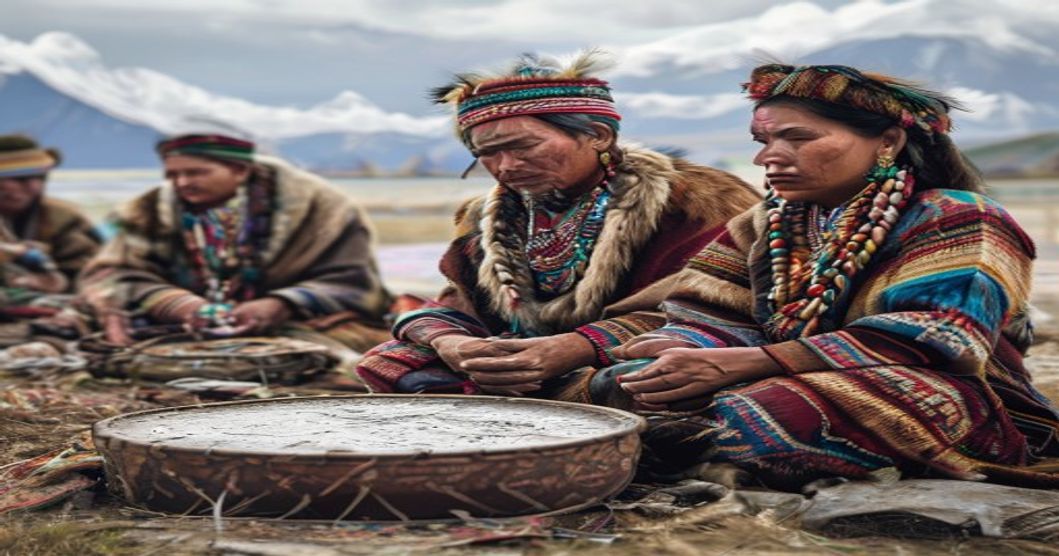
Gákti patterns encode precise geographic origins through wool dye combinations and silver clasp placements. Each municipality maintains standardized color codes for age, marital status, and herding specialization. The Sámi National Museum archives over twelve thousand historical gákti specimens for textile restoration. Modern weavers now use indigenous plant dyes to replace synthetic alternatives in certified production.
Sámi Governance and Political Autonomy Frameworks
The Sámi Parliament operates as an elected legislative body in Norway, Sweden, and Finland. These institutions manage cultural funding and language policy without direct executive authority. Norway’s Sámi Act grants co-decision rights over mining permits and land use in designated reindeer grazing areas. Cross-border cooperation occurs through the Sámi Council, which lobbies the Arctic Council on environmental treaties.
Language Revitalization and Intergenerational Transmission
Sámi language programs mandate bilingual education in kindergarten and primary school across Nordic regions. Immersion kindergartens use pedagogical methods developed by the Sámi University of Applied Sciences. Dialect preservation requires strict phonetic training to prevent standardization erosion. Digital dictionaries now archive over 400,000 entries across North Sámi, Lule Sámi, and South Sámi variants.
Contemporary Festivals and Cross-Border Cultural Exchange
The Sámi National Day occurs annually on February 6 to mark the first Sámi Congress in 1917. Riddu Riđđu festivals integrate indigenous music with global electronic and hip-hop artists. Árran hosts annual workshops on duodji techniques and joik harmonization in Røros, Norway. These events attract thousands of participants while generating revenue for local community cooperatives.
Environmental Threats and Indigenous Adaptation Strategies
Climate change accelerates ice formation on winter pastures, blocking reindeer access to lichen food sources. Industrial mining fragments migration routes and contaminates watershed ecosystems. Wind farm expansion disrupts calving grounds through noise pollution and physical barriers. Sámi organizations now deploy satellite monitoring and legal injunctions to protect grazing territories.
Digital Archives and Educational Resource Access
The Sámi National Museum provides digital archives of textile patterns and audio recordings. Direct donations support community-led land mapping and youth apprenticeship programs. University partnerships ensure indigenous epistemology and traditional ecology remain central to curricula. Funding prioritizes self-determined research over external academic extraction.
Frequently Asked Questions
What is Sami Traditions That Still Exist Today?
Sami traditions that still exist today refer to the cultural practices, languages, and livelihoods of the indigenous Sami people across northern Scandinavia and Russia. These include reindeer herding, joik singing, duodji (handicrafts), and the use of traditional clothing like the gákti, all preserved and actively practiced by modern Sami communities.
Key facts about Sami Traditions That Still Exist Today
Key facts include: the Sami are the only officially recognized indigenous people in the EU; their traditional reindeer herding is a UNESCO-recognized cultural practice; the Sami languages belong to the Uralic family and have seen recent revival efforts; and many traditional festivals, such as the Sami National Day on February 6th, celebrate their enduring heritage alongside contemporary life.