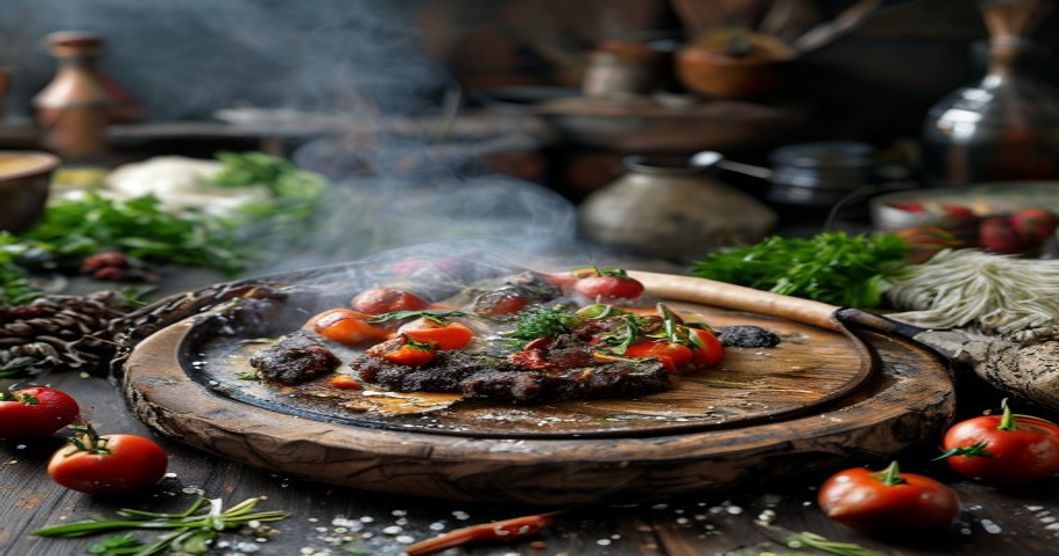
The Historical Foundation of Sami Arctic Food Preservation
Traditional Sami Arctic cooking emerged from centuries of adaptation to extreme subarctic climates, where seasonal scarcity demanded highly efficient food preservation systems. Nomadic reindeer herding, coastal fishing, and seasonal foraging created a culinary framework entirely dependent on natural environmental forces. Unlike Mediterranean or temperate regions that relied on sun-drying or salting, the Sami developed cold-driven fermentation and anaerobic storage techniques that capitalized on perpetual ground freeze, wind exposure, and microbial ecosystems native to reindeer byproducts.
Climate as a Catalyst for Long-Term Storage
The Arctic tundra environment dictated preservation timelines. Winter temperatures consistently below -20°C enabled instant flash-freezing of fresh meat and fish, while spring thaws forced rapid processing to prevent spoilage. This cyclical pressure birthed highly specialized Sami fermentation techniques that transformed perishable proteins into shelf-stable nutrients without artificial additives. Preservation was not a culinary preference but a survival mechanism, embedding microbial control into daily cultural practice.
Core Ingredients in Traditional Sami Fermentation & Preservation
The Sami culinary heritage relies on a closed ecological loop: reindeer, Arctic fish, wild berries, and naturally occurring gut flora. Each ingredient carries specific biochemical properties that interact predictably under cold fermentation.
Reindeer Meat: The Backbone of Arctic Food Systems
Reindeer meat contains high myoglobin levels, lean muscle fibers, and minimal intramuscular fat, making it exceptionally responsive to enzymatic breakdown during fermentation. Traditional butchery separates muscle tissue for drying or smoking while reserving blood, organs, and intestinal tracts specifically for microbial inoculation. The low connective-tissue structure allows rapid acidification without mushy degradation, a critical factor in traditional Sami Arctic cooking.
Arctic Fish and Wild Berries in Preservation Systems
Wild arctic char, trout, and salmon were processed immediately post-catch. High omega-3 fatty acid content naturally inhibits certain pathogenic bacteria while supporting lactic acid fermentation. Wild berries such as crowberry, cloudberry, and bilberry provided natural sugars and pectin that stabilized fermentation pH levels, acting as indigenous prebiotic buffers long before modern microbiology documented their function.
Proven Sami Fermentation Techniques & Methods
Sami preservation relies on controlled anaerobic environments, cold-temperature enzymatic activity, and symbiotic microbial colonization. These methods operate without temperature regulation equipment, using geological and biological insulation instead.
Gut-Skin Fermentation and Natural Microbial Cultures
The most distinctive Sami fermentation techniques utilize cleaned reindeer intestines and stomachs as natural fermenting vessels. These organs contain residual lactic acid bacteria, digestive enzymes, and mucosal layers that create a stable micro-aerobic environment. When filled with blood, minced meat, or fish, the gut walls regulate oxygen exposure, accelerate acidification, and impart complex umami compounds through slow proteolysis.
Pit Storage and Anaerobic Environmental Control
Subterranean storage trenches functioned as passive cold rooms. Digged into permafrost-adjacent soil, insulated with birch bark, reindeer hides, and moss, these pits maintained temperatures between -5°C and +2°C. The stable microclimate prevented freeze-thaw cycles while allowing slow fermentation to proceed. Oxygen displacement naturally occurred as microbial respiration consumed available air, creating ideal conditions for Arctic food preservation without modern refrigeration.
Signature Preserved & Fermented Sami Foods
Within the framework of traditional Sami Arctic cooking, several fermented and preserved preparations remain culturally and gastronomically significant.
Suovas: Cold-Smoked Reindeer Sausage
Suovas is produced by stuffing seasoned reindeer meat into intestinal casings and exposing it to prolonged cold smoke from birch or alder wood. Unlike hot smoking, the process never exceeds 25°C, preserving raw enzymatic activity while driving moisture extraction. The result is a dense, shelf-stable protein rich in concentrated minerals and fat-soluble vitamins, historically essential for winter herding expeditions.
Gierie: Fermented Reindeer Blood and Organ Meat
Gierie represents one of the most metabolically efficient Sami preservation methods. Fresh reindeer blood is mixed with chopped liver, heart, or lung tissue, then sealed in a gut pouch for several weeks. Lactic acid bacteria rapidly lower the pH, denaturing proteins into highly digestible peptides. The fermentation locks in iron, zinc, and B-vitamins that would otherwise degrade during prolonged storage.
Fish Fermentation in Reindeer Stomachs
Cleaned arctic fish are packed into reindeer stomachs along with wild garlic or crowberry juice. The natural rennet and gastric enzymes accelerate proteolysis, while the stomach wall limits oxidative exposure. After 14 to 21 days of cold fermentation, the fish develops a creamy texture and sharp acidic profile, historically consumed raw or lightly heated alongside reindeer fat for maximum caloric absorption.
Nutritional & Microbiological Advantages of Sami Preservation
The biochemical outcomes of Sami food preservation align closely with modern gut-health research, demonstrating why indigenous Arctic diets sustained populations without scurvy or deficiency diseases.
Lactic Acid Bacteria and Arctic Gut Health
Microbial sequencing of traditional Sami fermented products reveals dominant strains of Lactobacillus fermentum, Pediococcus acidilactici, and native cervid-associated probiotics. These cultures produce bacteriocins that inhibit spoilage organisms, generate short-chain fatty acids, and support mucosal barrier integrity. The low-temperature fermentation preserves enzymatic viability that high-heat processing typically destroys.
Fat Solubility and Micronutrient Preservation in Frozen Diets
Cold preservation inherently protects fat-soluble vitamins (A, D, K2) and polyunsaturated fatty acids from oxidative degradation. By avoiding dehydration heat and chemical brines, traditional Sami Arctic cooking maintains cellular lipid structures intact. This ensures that stored nutrients remain bioavailable upon thawing, explaining the historical resilience of Arctic communities during extended ice seasons.
Modern Applications & Cultural Revival of Sami Food Traditions
Contemporary Nordic gastronomy and indigenous food sovereignty movements have reintegrated Sami fermentation techniques into sustainable culinary practice.
Integration into Contemporary Nordic Cuisine
Chefs now document ancestral gut-fermentation timelines to replicate authentic microbial profiles. Reindeer stomach curing, cold-smoking protocols, and pit-stored berry infusions appear in high-end and farm-to-table menus, emphasizing terroir-driven preservation over industrial curing agents. This revival validates traditional Sami Arctic cooking as a scientifically sound alternative to modern food processing.
Documenting and Protecting Indigenous Preservation Knowledge
Academic institutions and Sami cultural centers are digitizing oral preservation manuals, mapping microbial lineages specific to each reindeer district, and establishing protected geographical indicators for Suovas and Gierie. UNESCO recognition of Sami joik and culinary practices has accelerated funding for Arctic food preservation research, ensuring that cold-fermentation knowledge survives industrial homogenization while remaining accessible to future generations.
Frequently Asked Questions
What is Sami Arctic Cooking Techniques?
Sami Arctic Cooking Techniques refer to the traditional food preparation methods used by the indigenous Sami people of northern Scandinavia and the Kola Peninsula, adapted to the harsh Arctic environment and reindeer herding lifestyle. These methods emphasize preservation, fermentation, and the use of local ingredients like reindeer meat, fish, berries, and lichens.
Key facts about Sami Arctic Cooking Techniques
- Relies heavily on preservation methods such as drying, smoking, fermenting, and freezing to survive long winters.
- Core ingredients include reindeer meat, Arctic char, moose, cloudberries, and reindeer lichen.
- Traditional cooking often involves open-fire roasting, boiling in reindeer stomach bags, and fermentation in underground pits.
- Emphasizes sustainability and zero-waste principles, utilizing every part of the animal and foraged plants.
- Deeply connected to Sami cultural identity, seasonal migrations, and spiritual respect for nature.