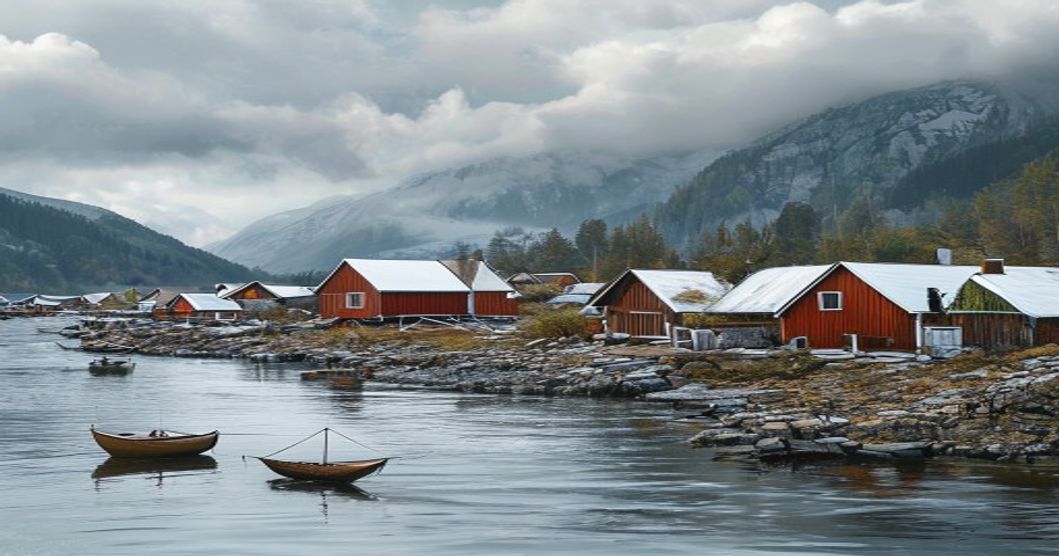
The Coastal Sámi Heartland: Geography and Historical Foundations
Mapping the Traditional Fishing Territories
The coastal Sámi communities are primarily concentrated along the northern fjords and archipelagos of Finnmark, Troms, and Nordland counties. Unlike their inland reindeer-herding counterparts, these maritime Sámi populations have historically relied on the Atlantic Ocean and Barents Sea for sustenance. Key geographic nodes include the island municipalities of Vesterålen, Lofoten, Senja, and the coastal stretches around Tana, Vardø, and Hammerfest. The rugged coastline, characterized by shallow shelf waters, deep fjords, and seasonal ice dynamics, creates unique micro-ecosystems that dictate traditional settlement patterns and boat routes.
Historical Shifts in Maritime Livelihoods
Archaeological evidence from shell middens along the Norwegian coast indicates that Sámi fishing practices date back over 4,000 years. During the Viking Age and subsequent medieval periods, coastal Sámi maintained autonomous trading networks, exchanging dried fish, whale oil, and reindeer hides with Scandinavian and Russian merchants. The 19th-century Norwegian state assimilation policies attempted to standardize land use around agriculture, marginalizing indigenous maritime activities. However, the late 19th-century cod fishing boom revitalized coastal Sámi economies, embedding them into Norway’s national export infrastructure while preserving distinct linguistic and navigational knowledge passed through generations.
Indigenous Maritime Culture and Sámi Fishing Traditions
Core Beliefs and Environmental Stewardship
Sámi cosmology does not separate the sea from terrestrial spirituality. Sacred sites known as sieidi often mark coastal headlands where offerings were historically made to ensure safe voyages and abundant catches. Traditional ecological knowledge emphasizes reciprocal resource management, where fishing quotas are implicitly regulated by lunar cycles, water temperature thresholds, and the migratory patterns of key species like Atlantic cod, halibut, and Arctic char. This worldview aligns with modern marine biology, demonstrating an early understanding of carrying capacity and seasonal rest periods.
Traditional Gear and Seasonal Harvesting Cycles
Historical Sámi fishing utilized hand-woven gillnets crafted from bast fibers, wooden fish traps (fiskebur), and spear-like tools adapted for shallow reef environments. The most culturally significant practice remains the production of stockfish (tørrfisk), where caught cod is hung on wooden racks (fjøs) to freeze-dry naturally in subzero winds without salt. Processing follows a strict seasonal rhythm: spring migrations require rapid net deployment, summer focuses on salmon and herring, while autumn and winter are reserved for deep-water trawling and ice-fishing through frozen fjord channels. Each phase involves specialized terminology in Northern Sámi that describes water clarity, wind direction, and fish behavior with precision unmatched by generic maritime language.
Navigating Contemporary Sámi Fishing Villages as a Visitor
Essential Destinations for Cultural Exploration
Modern travelers seeking authentic coastal Sámi heritage should prioritize living communities rather than static museums. Kvalsund on the Finnmark coast hosts active fishing cooperatives that demonstrate traditional net-mending and boat-building techniques. In Tana Municipality, the river mouth preserves a dual Sámi-Kven maritime culture, visible in historic wooden fisherman’s cabins and seasonal salmon weirs. The Lofoten archipelago offers access to Svolvær and Gimsøy, where winter cod drying remains an industrial yet culturally rooted practice. Accessibility requires planning around the November-to-March polar season, when daylight hours are limited but stockfish processing peaks, or June-to-August for midnight sun fishing expeditions and coastal boat tours.
Ethical Travel Practices and Community Engagement
Responsible tourism in these regions demands direct economic support for Sámi-owned enterprises. Visitors should book guided experiences through certified Sámi tourism operators who provide context on language preservation, fishing rights under the Norwegian Maritime Code, and indigenous quota allocations. Engaging with local cooperatives like Finnmarkseiendommen or community-run guesthouses ensures that travel revenue funds cultural centers and youth apprenticeship programs. Photographing traditional gear or processing sites requires explicit permission, as these practices remain regulated by both municipal safety laws and Sámi customary rights. Respecting designated fishing zones and avoiding drone flights over active harbors demonstrates ethical engagement with working maritime communities.
Sustaining Coastal Sámi Heritage in a Changing Climate
Climate Impact on Marine Ecosystems and Livelihoods
Rising North Atlantic temperatures have shifted fish migration routes, reducing cod concentrations near traditional Sámi harbors and increasing the presence of southern species like mackerel. Warmer winters compromise the natural freezing-drying process for stockfish, forcing processors to adopt controlled climate chambers that alter texture and market value. Coastal erosion and intensified storm surges threaten historic boat yards and drying racks. Despite these challenges, Sámi fishers integrate real-time oceanographic data with ancestral tidal knowledge, adjusting deployment depths and seasonal calendars to maintain yield stability while advocating for indigenous representation in Norwegian fisheries management councils.
Cultural Revival and Educational Initiatives
Interdisciplinary programs led by the Sámi University of Applied Sciences and regional cultural institutes document maritime Sámi vocabulary, repair traditional wooden skiffs (kaikkar), and host youth fisheries apprenticeships. The Norwegian government’s Indigenous Fisheries Act allocations have increased quota shares for coastal Sámi communities, enabling investment in eco-certified processing facilities. Digital archives now store oral histories of elder fishermen, while school curricula in northern Norway incorporate Sámi maritime geography and sustainable harvesting ethics. These initiatives ensure that the cultural infrastructure of Norwegian Sámi fishing villages remains a living, adaptive system rather than a historical artifact.
Sami Fishing Villages in Northern Norway: The Complete Guide
Coastal Sami communities have practiced marine harvesting for millennia. This region blends indigenous fishing techniques with Nordic maritime infrastructure. Travelers seeking authentic coastal culture must understand local customs and seasonal cycles. This guide maps critical locations, logistics, and cultural protocols for your journey.
Key Sami Fishing Villages to Explore
Northern Norway hosts distinct coastal settlements where indigenous and Norwegian fishing traditions intersect. Each village offers specific historical context and operational details. Prioritize locations with documented Sami maritime heritage and active seasonal fisheries.
Reine: Lofoten Archipelago Hub
Reine sits on Moskenesøya and functions as a commercial fishing anchor. The village maintains active gille networks that regulate catch distribution. Local rorbuer structures now serve as seasonal lodging while preserving original tørrfisk drying racks. Visitors must respect private fishing zones marked by red boundary flags.
Hamnøy: Traditional Rorbuer Architecture
Hamnøy preserves the densest concentration of restored fiskerhus in the archipelago. The settlement layout follows traditional fiskevær zoning patterns. Modern operators maintain original timber framing techniques for structural longevity. Photography permissions require written consent from property owners during active processing seasons.
Kabelvåg: Historic Cod Processing Center
Kabelvåg operates as the regional headquarters for lofotfisk export networks. The village maintains active klippfisk drying yards on exposed limestone shelves. Local cooperatives control quality grading through standardized moisture testing. Access to processing floors requires advance coordination with regional fisheries boards.
Ballstad: Undisturbed Coastal Community
Ballstad retains minimal commercial tourism infrastructure. The settlement functions primarily as a working fiskevær with active gjenstand maintenance yards. Local residents manage seine net operations using traditional windlass systems. Vehicle access remains restricted to authorized municipal permits during peak months.
Sami Fishing Traditions and Cultural Heritage
Coastal Sami communities utilize distinct harvesting methods adapted to Arctic marine conditions. Fishers employ gáhkku traps and hand-line techniques targeting skrei. Seasonal migration patterns follow historical leavttu documented in local archives. Indigenous knowledge systems prioritize ecological balance over maximum yield.
Best Seasons to Visit Northern Norway
The skrei migration peaks between January and April. Coastal water temperatures remain near freezing during winter months. Summer months bring extended daylight but increase tourist congestion. Autumn provides stable weather windows for gear maintenance tours.
Transportation and Accommodation Logistics
Regional ferries connect mainland hubs to archipelago islands. Hurtigruten coastal routes require advance cabin reservations. Domestic flights land at Leknes and Svolvær airports with limited baggage allowances for fishing equipment. Rental vehicles must feature winter tires from October to May.
Essential Gear and Local Regulations
Norwegian waters enforce strict fiskeriloven compliance. All recreational anglers must register with the Fiskeridirektoratet digital portal. Tackle selection depends on target species and tidal conditions. Carry waterproof dry bags rated for saltwater immersion.
Nearby Attractions and Day Trips
The Reinebringen ridge offers elevation mapping of coastal fishing routes. Moskenesøya western cliffs host historical våpensted markers. Regional museums display authenticated Sámi fishing implements and navigational tools. Guided kayak routes follow historical fiskeveier between tidal channels.
Booking Your Sami Fishing Village Itinerary
Itinerary construction requires alignment with municipal fishing calendars. Contact regional kystfisk cooperatives for equipment rental schedules. Secure permits through the Fiskeriet online portal before departure. Confirm accommodation availability directly with village property owners.
Frequently Asked Questions: Sami Fishing Villages in Northern Norway
What is Sami Fishing Villages in Northern Norway?
Sami Fishing Villages in Northern Norway refer to traditional coastal settlements inhabited by the indigenous Sami people, where fishing has historically been the cornerstone of their culture, economy, and daily life. These villages are located along the rugged Arctic coastline, blending indigenous Sami heritage with centuries-old maritime traditions.
Key facts about Sami Fishing Villages in Northern Norway
Key facts include their deep-rooted connection to the Arctic marine environment, the use of sustainable fishing practices passed down through generations, the preservation of Sami language and customs within these communities, their historical reliance on cod and salmon fisheries, and their current status as cultural heritage sites that attract both researchers and eco-conscious travelers.