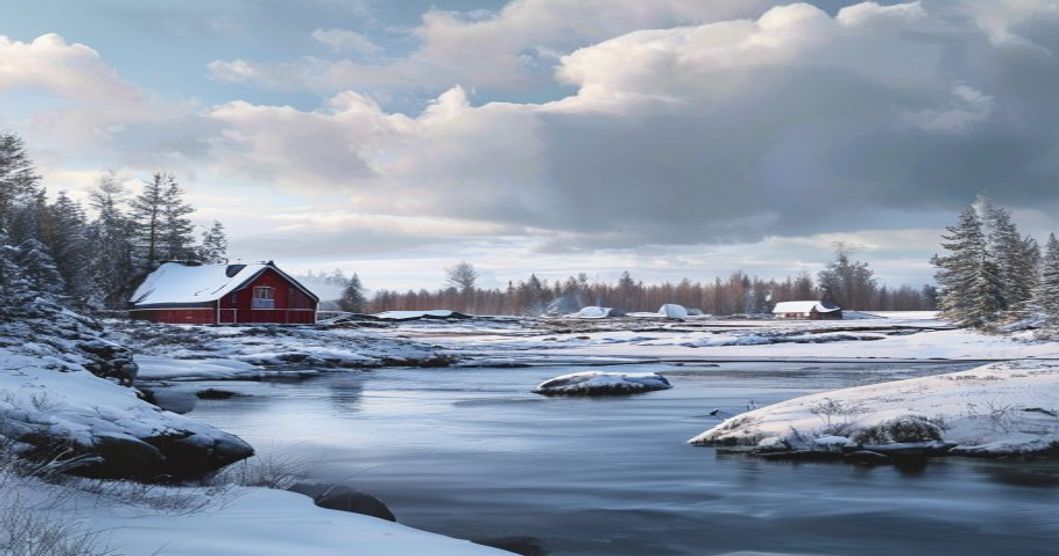
Discovering the Living Heritage of the Sami People
The Sami people, recognized as Europe’s only indigenous population, have inhabited Finnish Lapland for millennia, maintaining a profound ecological and spiritual connection to the Arctic landscape. Their cultural identity remains anchored in seasonal migrations, oral traditions, and sustainable land management practices that define authentic Sami experiences in Finland.
The Historical Roots and Indigenous Identity
Archaeological evidence and linguistic research trace Sami ancestry back over three thousand years across the Barents region. The Sami language family, comprising Northern, Inari, Skolt, and other dialects, serves as a critical vessel for cultural continuity. Despite centuries of assimilation policies, contemporary Sami communities actively preserve their heritage through formal education, indigenous media networks, and political representation within the Sami Parliament of Finland.
Traditional Reindeer Herding Practices
Reindeer herding (Eeigne) remains the economic and cultural foundation of Sami life. Herders navigate ancient migration routes dictated by lichen availability, meteorological shifts, and calving territories. While modern navigation tools support logistical efficiency, traditional ecological knowledge remains irreplaceable. Visitors engaging in Sami reindeer farm tours observe a sustainable livelihood model that harmonizes pastoralism with Arctic conservation.
Immersive Cultural Activities in Finnish Lapland
Hands-On Duodji Craftsmanship Workshops
Duodji, the recognized Sami handicraft system, functions as both artistic expression and functional heritage. Master artisans transform reindeer antler, birch timber, and cured hide into Sami gákti (traditional dress), ceremonial knives, and seasonal tools. Each geometric motif encodes regional lineage and cosmological beliefs. Structured workshops led by certified craftsmen detail precise carving techniques, tool forging, and natural dye extraction essential to Sami duodji preservation.
Experiencing the Resonance of Joik Music
The Sami joik (luohti) is a monophonic vocal tradition predating written documentation, designed to evoke landscapes, ancestral figures, or personal spiritual connections rather than narrate linear stories. Contemporary interpretations merge ancient chanting with modern instrumentation, yet the core remains an auditory mapping of place and identity. Attending a Sami cultural performance in Rovaniemi or Inari provides direct exposure to this UNESCO-recognized intangible heritage.
Culinary Traditions and Sustainable Living
Authentic Sami Cuisine and Foraging Wisdom
Sami gastronomy reflects centuries of Arctic adaptation and resource optimization. Signature preparations include souhsa (reindeer broth), air-dried smoked meat, cloudberries, and birch sap infusions. Traditional preservation methods like cold-air drying (suovas) and fermentation maximize nutritional retention during extended winters. Foraging protocols follow strict ecological cycles, ensuring biodiversity protection while supplying ingredients for indigenous Lapland culinary tours.
Eco-Conscious Tourism and Cultural Preservation
Sustainable tourism in Finnish Lapland prioritizes minimal environmental footprint alongside cultural integrity. Certified operators adhere to ethical frameworks established by the Sami Culture Centre Siida and regional reindeer herding cooperatives. Revenue generated from ethical Sami tourism packages directly finances language revitalization initiatives, craft apprenticeships, and land rights advocacy, ensuring cultural transmission remains community-directed.
Navigating Ethical Sami Tourism in Lapland
Guidelines for Respectful Engagement
Travelers participating in Sami cultural experiences in Finland must prioritize informed consent, contextual education, and fair compensation. Documenting sacred sites, ritual spaces, or traditional attire without explicit permission violates established cultural protocols. Educational programs should be secured exclusively through indigenous-owned enterprises to prevent cultural commodification. Understanding the boundary between cultural exchange and appropriation guarantees mutually respectful interactions.
Supporting Indigenous Communities Directly
Direct economic participation strengthens Sami self-determination and cultural autonomy. Purchasing certified Sami duodji products, booking accommodations at indigenous-run lodges, and joining guided heritage walks channels tourism expenditure into community-controlled development projects. Travelers should verify operator credentials through the Finnish Lapland Tourism Authority’s Indigenous Tourism Directory prior to itinerary confirmation.
Frequently Asked Questions About Finnish Lapland Sami Experiences
What is Finnish Lapland Sami Experiences?
Finnish Lapland Sami Experiences refer to immersive cultural, historical, and nature-based activities designed to introduce visitors to the indigenous Sami people and their traditional way of life in the northernmost region of Finland. These experiences typically include reindeer safaris, visits to traditional lavvu tents, tasting of Sami cuisine, learning about ancient joik music, and gaining insight into sustainable Arctic living.
Key facts about Finnish Lapland Sami Experiences
The Sami are the only indigenous people in the European Union, with a distinct language, culture, and heritage deeply tied to reindeer herding and the Arctic environment. Finnish Lapland offers year-round Sami experiences: winter activities focus on snowmobile and dog-sledding tours under the Northern Lights, while summer provides midnight sun hikes and berry/mushroom picking. Authentic experiences are often hosted by local Sami families or certified guides who prioritize cultural preservation and environmental sustainability. Respect for Sami traditions and the fragile Arctic ecosystem is a core principle of all official programs.