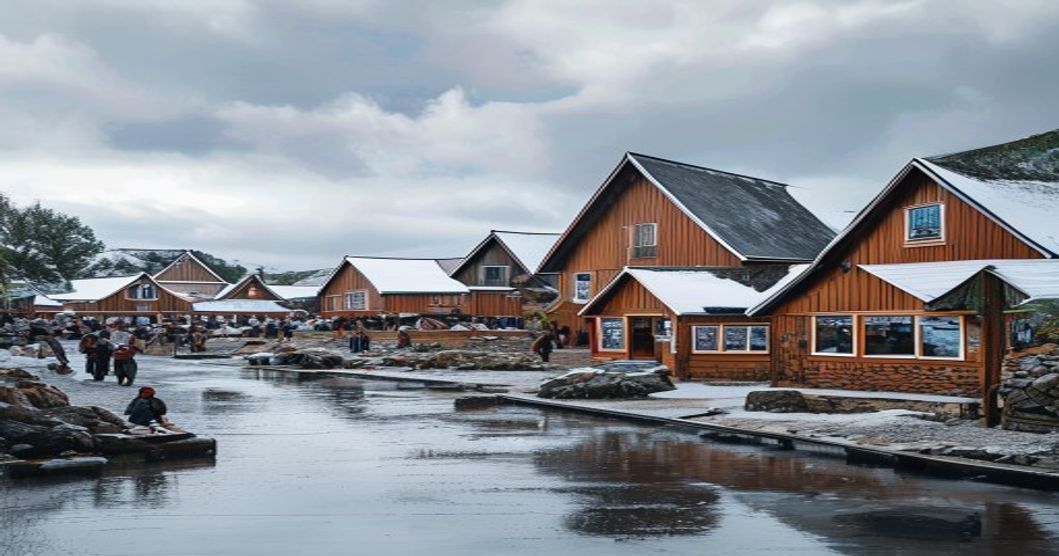
Exploring the Core Sámi Museums & Cultural Centers in Norway
The Sámi Museum Siida in Karasjok stands as the premier national institution dedicated to Sámi history, anthropology, and contemporary identity. Located in Finnmark County, the museum houses over 30,000 artifacts spanning centuries of Arctic indigenous life. Its permanent exhibitions meticulously document traditional reindeer herding practices, snowshoe craftsmanship, and seasonal migration routes that have sustained Sámi communities for millennia. The building itself, designed with curved timber architecture, reflects organic Sámi design principles while housing rotating displays on political activism, linguistic preservation, and modern Sámi literature.
Ávvir Sámi Museum: Bridging Past and Present in Karasjok
Ávvir Sámi Museum, situated adjacent to Siida, focuses exclusively on contemporary Sámi art, intellectual history, and political movements. The institution operates a dedicated research archive containing rare photographs, oral history recordings, and manuscripts from the early 20th century Sámi resistance against Norwegian assimilation policies. Visitors engage with interactive installations that trace the evolution of Sámi parliamentary representation, land rights legislation, and the revival of Joik vocal traditions. The museum’s educational wing hosts weekly workshops where master artisans demonstrate authentic duodji woodworking and silver jewelry techniques using historical tools.
Sámi Cultural Center Snåsa: Reindeer Heritage & Living Traditions
The Sámi Cultural Center in Snåsa, located in Trøndelag County, offers a distinct southern Sámi perspective on indigenous Norwegian heritage. Unlike northern institutions, this center emphasizes the adaptation of Sámi cultural practices to boreal forest ecosystems and mixed agricultural economies. Its open-air exhibits feature reconstructed lavvu tents, traditional smoke kitchens, and period-accurate fishing weirs used during winter months. The facility maintains a working reindeer pen where visitors observe herd management techniques, including seasonal branding rituals and veterinary care methods passed down through generations. Annual festivals at Snåsa celebrate the autumn migration, drawing scholars and cultural enthusiasts from across Scandinavia.
Strategic Access & Operational Guidelines for Sámi Cultural Sites
Reaching Norway’s Sámi museums requires strategic planning due to their remote Arctic locations. Karasjok-based institutions are accessible via European Route 69 and regional bus networks from Alta or Tromsø, with winter travel demanding four-wheel-drive vehicles and snow chains. The Snåsa center connects through National Road 70, requiring careful navigation during fjord crossings and mountain passes. All major Sámi cultural centers enforce strict photography regulations in archival zones to protect sensitive ethnographic materials. Visitors must book guided tours at least fourteen days in advance, particularly during peak summer months when daylight hours exceed eighteen.
Seasonal Programming & Climate-Adjusted Visitor Protocols
Operating schedules shift dramatically between Arctic winter and midnight sun periods. Sámi Museum Siida extends evening lectures and Duodji demonstrations during polar nights, while Ávvir reduces outdoor programming to preserve fragile tundra vegetation during summer thaw. Snåsa Cultural Center suspends reindeer pen access from late November through February due to extreme cold risks and herd welfare protocols. All facilities mandate thermal clothing, waterproof footwear, and emergency survival gear regardless of season. Staff provide complimentary heated rest areas, hot herbal tea stations, and real-time weather monitoring displays at every entrance.
Ethical Tourism & Indigenous Consent Frameworks
Visiting Sámi cultural institutions requires adherence to indigenous data sovereignty principles and community consent protocols. Photographing reindeer herders, traditional dwellings, or sacred landscapes without explicit permission violates Sámi cultural protection laws established under the Finnmark Act. Museums enforce a strict no-drone policy to prevent unauthorized aerial documentation of ancestral territories. All audio recordings, academic citations, and commercial reproductions must receive written approval from the Sámi Cultural Center’s ethics committee. Visitors are required to attend mandatory orientation briefings covering historical trauma, cultural appropriation boundaries, and respectful engagement practices.
Academic Research & Cross-Border Sámi Institutional Networks
Norway’s Sámi
Frequently Asked Questions
What is Sami Museums and Cultural Centers in Norway?
The Sami Museums and Cultural Centers in Norway are a network of institutions dedicated to preserving, researching, and showcasing the heritage, language, and contemporary culture of the Sámi people, the indigenous population of northern Norway. These centers provide educational programs, cultural exhibitions, and community resources that highlight Sámi history, traditional livelihoods like reindeer herding, and ongoing efforts for indigenous rights and cultural revitalization.
Key facts about Sami Museums and Cultural Centers in Norway
Key facts include: (1) They are located across Sápmi, primarily in Finnmark, Troms, and Trøndelag counties. (2) Major institutions include the Sámi Museum of Sápmi (Sámi Musea Várjjat) in Karasjok, the Sámi University of Applied Sciences cultural collections, and regional folk museums with dedicated Sámi wings. (3) These centers operate under the Norwegian Sámi Act, ensuring Sámi communities have a direct role in curation and programming. (4) They focus on language preservation, traditional crafts (duodji), joik music, and sustainable indigenous tourism, often collaborating with international Sámi organizations.