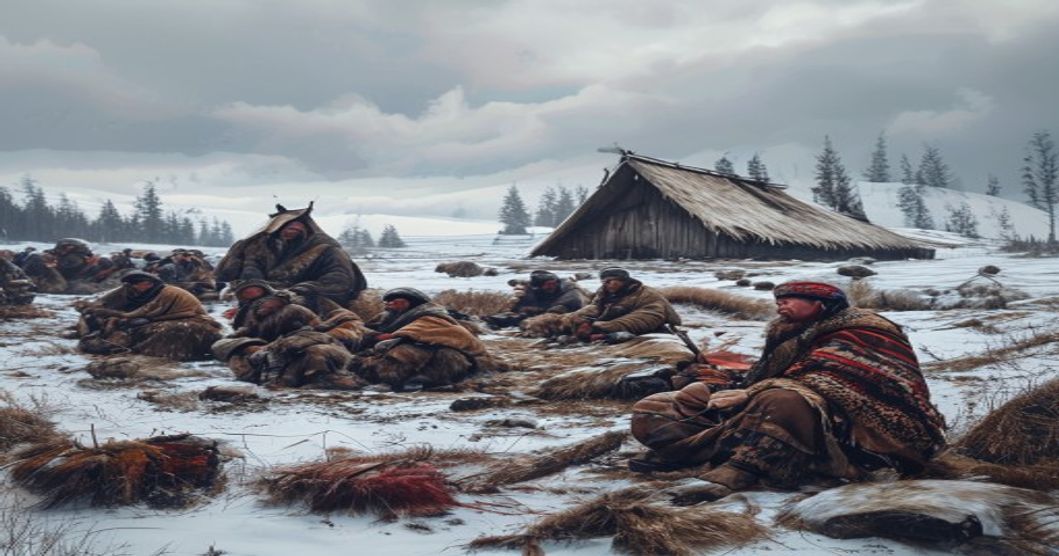
Historical Foundations of Sámi Nomadism
The Sámi nomadic lifestyle traces back thousands of years across the northern reaches of Scandinavia and the Kola Peninsula, a region collectively known as Sápmi. Unlike settled agricultural societies, the Sámi developed a highly adaptive pastoral system driven by climate, terrain, and animal behavior. Traditional migration routes followed ancient reindeer paths, spanning coastal tundra, mountain plateaus, and boreal forests. These seasonal movements were not random but governed by centuries of accumulated environmental observation.
Origins and Traditional Migration Routes
Archaeological evidence suggests that Sámi reindeer herding evolved from wild reindeer hunting during the late Holocene, gradually transitioning into managed pastoralism. The annual migration cycle typically included summer pastures in high-altitude regions to escape insect pests and winter pastures in sheltered valleys where snow conditions allowed for effective digging of lichen. Each family group maintained specific territories, passed down through generations, ensuring sustainable land use long before modern conservation frameworks existed.
Adaptation to Arctic and Subarctic Environments
Survival in extreme northern latitudes required precise ecological literacy. The Sámi engineered specialized tools, clothing, and dwellings from reindeer hides, antlers, and birch wood. Their understanding of microclimates, snow depth, and vegetation cycles enabled them to thrive where few other cultures could. This deep environmental attunement formed the backbone of their nomadic way of life, transforming harsh conditions into a sustainable pastoral economy.
The Central Role of Reindeer in Sámi Society
Reindeer are far more than livestock to the Sámi; they are the foundation of cultural identity, spiritual belief, and economic resilience. Every part of the animal is utilized with minimal waste, reflecting a deep nature connection that prioritizes reciprocity over extraction.
Sustainable Herding Practices
Reindeer herding operates on principles of rotational grazing and population regulation. Herders monitor animal health, calving seasons, and pasture recovery rates to prevent overgrazing. Modern scientific studies confirm that traditional Sámi management maintains biodiversity in fragile tundra ecosystems, proving that indigenous pastoralism aligns with ecological sustainability.
Cultural and Economic Significance
The reindeer provides meat, milk, hides, antlers, and sinew, sustaining both physical livelihoods and cultural rituals. Traditional crafts such as duodji (handicraft) rely on reindeer materials, while ceremonial practices honor the animal’s spiritual essence. In contemporary Sápmi, reindeer herding remains a legally recognized profession, with herd sizes regulated to balance economic viability with ecological limits.
Deep Connection with the Natural World
The Sámi worldview does not separate humans from nature but positions them as interdependent participants within a living landscape. This indigenous ecological knowledge emphasizes observation, patience, and respect for natural cycles.
Indigenous Ecological Knowledge
Sámi environmental literacy includes reading animal tracks, forecasting weather through cloud patterns, and identifying medicinal plants across different altitudes. This knowledge system, transmitted orally, contains highly accurate data on ecosystem dynamics that modern science is only beginning to validate. The connection with nature is not metaphorical but operational, dictating daily decisions, migration timing, and resource management.
Seasonal Rhythms and Land Stewardship
Migration patterns follow solar cycles, aurora activity, and vegetation growth stages. Herders adjust routes based on snow crust formation, wind direction, and predator presence. This adaptive stewardship ensures that pastures remain productive for decades, demonstrating a sustainable nomadic lifestyle that contrasts sharply with extractive industrial models.
Modern Challenges and Cultural Preservation
Despite historical resilience, the Sámi face unprecedented pressures from climate change, infrastructure development, and policy restrictions. Protecting their reindeer culture requires both legal advocacy and intergenerational knowledge transfer.
Land Rights and Industrial Pressures
Logging, mining, wind farms
Frequently Asked Questions About the Sami Nomadic Lifestyle in Scandinavia
What is Sami Nomadic Lifestyle in Scandinavia?
The Sami nomadic lifestyle in Scandinavia refers to the traditional way of life of the indigenous Sami people, who have inhabited the northern regions of Norway, Sweden, Finland, and the Kola Peninsula in Russia for centuries. Central to this lifestyle is reindeer herding, which dictates seasonal migrations across vast Arctic landscapes in search of grazing pastures, alongside deep cultural ties to nature, handicrafts, and indigenous knowledge.
Key facts about Sami Nomadic Lifestyle in Scandinavia
Key facts include: the Sami are the only officially recognized indigenous people in the EU; reindeer herding requires year-round movement across international borders; traditional livelihoods are supported by the Sami Parliament in each country; cultural expressions like joik (traditional singing), duodji (handicrafts), and gákti (traditional dress) remain vital; and modern challenges include climate change, land rights disputes, and preserving language among younger generations.