Traditional Winter Gatherings in Sami Communities
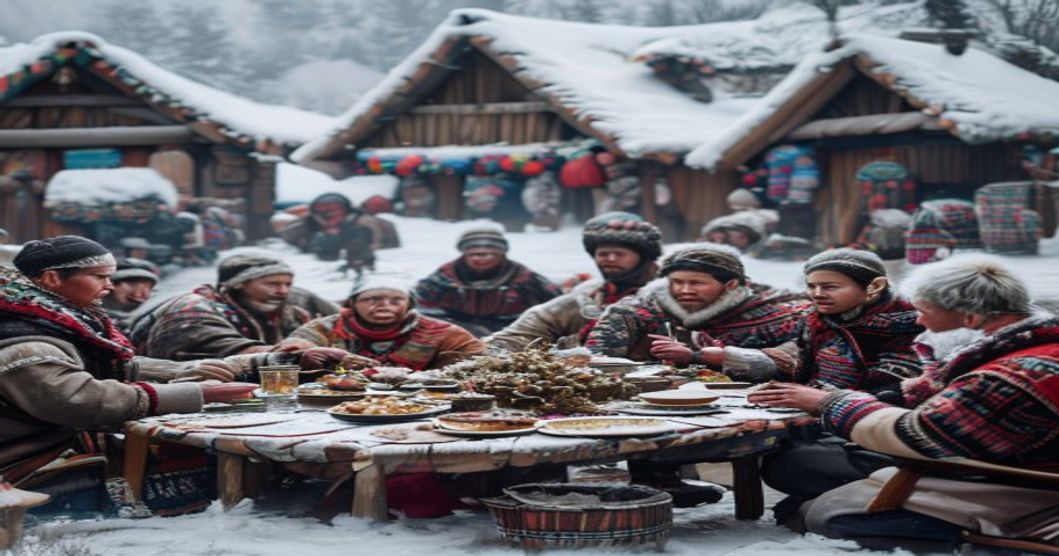
The harsh Arctic winter historically dictated the rhythm of life across Sápmi, transforming scattered reindeer herding camps into concentrated hubs of social and economic activity. When daylight shortened to mere hours and temperatures plunged below twenty degrees Celsius, communities naturally converged at established seasonal meeting grounds. These locations were never random; they sat at strategic crossroads where traditional migration routes intersected with frozen rivers and accessible hunting territories.
- Economic Exchange: Traders brought iron tools, flour, and textiles from southern regions in return for reindeer hides, antlers, dried fish, and wool. Barter remained the primary transaction method well into the twentieth century.
- Spiritual Renewal: Gathering sites doubled as sacred spaces where elders performed seasonal rituals to honor mountain spirits and ensure favorable conditions for the coming year. Drum ceremonies and specific joik melodies reinforced communal bonds while mapping ancestral territories.
- Conflict Resolution & Governance: Local assemblies functioned as informal courts where land disputes, resource allocation, and inter-clan disagreements were settled through consensus rather than external legal systems.
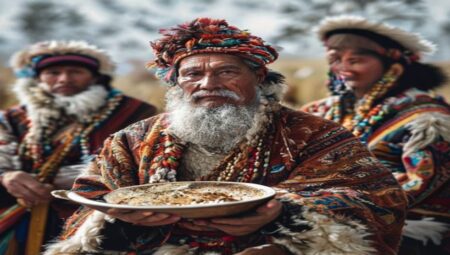
Feasting formed the structural core of these winter meetings. Large communal fires sustained cooking processes that required precise temperature control for preserving meat and rendering fat. Reindeer blood porridge, fermented dairy, and dried Arctic char provided essential caloric density during months when hunting success directly determined survival. Young participants learned tracking techniques, snow shelter construction, and animal husbandry through direct observation rather than formal instruction.
Marriage negotiations frequently occurred during these seasonal assemblies. Extended families evaluated potential matches based on herding capacity, skiing proficiency, and kinship networks. The exchange of ceremonial gifts, including carved wooden cups and beaded belts, solidified alliances that extended across vast distances. Winter gatherings ultimately operated as the central nervous system of pre-modern Sámi society, synchronizing ecological adaptation with cultural continuity across generations.
Historical Origins and Spiritual Foundations of Sámi Winter Traditions
The winter season historically dictated the rhythm of Sámi life across Fennoscandia, transforming harsh environmental conditions into structured periods of cultural and spiritual consolidation. Long before external administrative boundaries divided Lapland, Sámi groups organized seasonal assemblies centered around reindeer migration patterns and resource availability. These gatherings emerged as practical responses to extreme Arctic winters, where mobility decreased and survival depended on shared knowledge, communal food preservation, and coordinated hunting strategies.
At the core of these winter meetings lay a deeply embedded spiritual framework rooted in animistic worldviews. The Sámi traditionally perceived nature as animated by invisible forces, requiring constant negotiation through ritual and respect. Sacred landmarks known as sieidi functioned as focal points for offerings and prayers during cold months. Communities would travel to these sites to present reindeer fat, copper coins, or carved wooden figures to appease local spirits believed to govern weather, animal fertility, and human fortune. The noaidi, acting as an intermediary between the physical and spiritual realms, conducted ceremonies using the drum to navigate cosmological journeys, interpret omens, and restore balance during critical seasonal transitions.
- Reindeer Husbandry Cycles: Winter assemblies aligned with calving schedules, fur trading windows, and pasture rotation systems that prevented overgrazing across vast tundra landscapes.
- Oral Knowledge Transmission: Elders encoded ecological data, navigation techniques, and ethical guidelines into joik performances, ensuring survival strategies survived generations without written records.
- Sacred Geography: Specific valleys, lakes, and mountain passes held ritual significance, with movement patterns carefully mapped to avoid disturbing dormant spiritual territories.
- Communal Resource Management: Shared processing of meat, hide tanning, and tool crafting reinforced interdependence while minimizing individual household vulnerability to sudden climate shifts.
Spiritual practices during winter months emphasized reciprocity rather than domination over the environment. Hunting expeditions required explicit permission from reindeer masters, while fishing and trapping operations followed strict taboos designed to maintain ecological equilibrium. These constraints were not merely symbolic; they directly influenced herd health, food security, and long-term settlement stability. The integration of material survival with metaphysical responsibility created a self-regulating system that sustained Sámi communities for centuries before state-imposed agricultural policies and missionary campaigns disrupted traditional land use patterns.
Core Rituals, Drum Circles, and Seasonal Blessing Ceremonies
The heart of Sámi winter gatherings beats through tightly structured rituals that synchronize human activity with the harsh Arctic cycle. These ceremonies are not mere performances but functional spiritual practices designed to maintain ecological balance, reinforce kinship networks, and transmit ancestral knowledge across generations.
Core Rituals revolve around purification, renewal, and reciprocal exchange with the natural world. Participants engage in smoke cleansing with juniper branches, observe timed fasting periods before collective feasts, and perform precise hand movements to honor sieidi stones believed to house protective spirits. Each action follows codified sequences passed down through elders, ensuring that cosmological principles remain intact within rapidly shifting social landscapes.
- Purification rites utilizing aromatic arctic flora to cleanse physical spaces and spiritual pathways before communal decision-making
- Ancestral veneration ceremonies where family lineages are recited alongside historical reindeer migration patterns and territorial boundaries
- Reciprocal gift exchanges that redistribute resources during the most resource-scarce months of deep winter, preventing social fragmentation
Drum Circles operate as acoustic archives and navigation tools. The goavddis drum, crafted from reindeer hide stretched over a carved wooden frame, serves as a cosmic map when struck in specific rhythmic patterns by the noaidi. These circles facilitate trance states where practitioners interpret spirit messages regarding herd health, weather shifts, and hunting grounds. The polyrhythmic drumming syncs with natural frequencies found in wind patterns and ice movement, reinforcing the indigenous worldview that sound itself carries ecological data necessary for survival.
Seasonal Blessing Ceremonies mark critical astronomical transitions, particularly the winter solstice period when daylight returns incrementally. Elders lead structured invocations over domesticated reindeer, wild game stores, and hunting implements. These blessings incorporate joik melodies that encode topographical knowledge, ensuring that even during extended storms, communities retain precise mental maps of grazing routes and safe passage corridors. The ceremonies culminate in shared consumption of fermented dairy, dried fish, and lichen bread, transforming spiritual gratitude into physiological resilience against extreme cold.
Traditional Sami Winter Cuisine: Reindeer Meat, Fish, and Foraged Ingredients
The Sami winter diet evolved directly from the harsh Arctic environment, relying on precise preservation techniques that transformed scarce seasonal harvests into reliable sustenance across months of darkness and extreme cold. Reindeer meat serves as the foundational protein source, with every part of the animal utilized through traditional methods like air-drying, smoking over peat fires, and fermenting in underground pits. These processes not only prevented spoilage but also developed complex flavor profiles that defined communal meals during the longest nights.
Fish played an equally critical role, particularly species caught from frozen lakes and coastal waters. Arctic char, trout, and cod were typically split open, heavily salted, and hung on wooden racks to dry until brittle enough for long-term storage. The Sami also practiced controlled fermentation, leaving fish in shallow snowdrifts where sub-zero temperatures naturally cured the flesh while preserving essential omega fatty acids vital for survival.
- Reindeer preservation: Raw meat was layered with salt and buried in peat bogs for months, creating a tangy, shelf-stable product known as suovas when smoked or muohtá when fermented.
- Arctic fishing techniques: Ice fishing holes were maintained through continuous monitoring, and catch rates dictated the scale of communal feasts that reinforced social bonds during winter months.
- Foraged botanicals: Crowberry leaves, wild rose hips, and reindeer lichen provided necessary vitamin C and antioxidants, preventing scurvy when fresh produce remained inaccessible for nine months annually.
Berries like cloudberries and lingonberries were harvested before the first frost, then pressed into oil or mixed with rendered fat to create calorie-dense spreads. Lichens underwent repeated boiling and washing to remove bitter acids before being ground into flour for flatbreads baked on hot stones near hearths. These ingredients combined in stews and broths that delivered sustained energy through slow digestion, aligning perfectly with the low metabolic needs of cold-adapted living. Every preparation method reflected generations of ecological observation, turning environmental constraints into a highly optimized nutritional system that sustained Sami communities long before modern refrigeration existed.
Gákti Attire, Vuoknegat Textiles, and Handcrafted Festive Decorations
The Gákti functions as both a thermoregulatory garment and a precise ethnographic identifier during Sami winter assemblies. Regional districts maintain strictly preserved cutting patterns, embroidery placements, and color combinations that communicate ancestral lineage without verbal explanation. Deep indigo, crimson, and ochre dyes originate from local lichen, alder bark, and mineral deposits, while silver or brass button arrangements denote clan affiliation and herding rights. The heavy reindeer hide construction withstands Arctic wind chill, yet ceremonial authority emerges through braided wool belts, embroidered cuffs, and shoulder panels that map migration histories across generations.
Vuoknegat textiles complement this sartorial system through tension-loom weaving techniques that prioritize fiber alignment and natural dye saturation. Artisans combine reindeer underwool with mountain sheep fleece to produce dense, wind-resistant fabric capable of supporting intricate geometric patterning. Diamond motifs track snowfall patterns, interlocking triangles chart reindeer crossing routes, and concentric rings mirror celestial navigation used during winter months. These textiles traditionally line lavvu shelters, serve as ritual coverings during seasonal blessings, and function as load-distribution layers beneath sleds, illustrating how material production merges survival necessity with cultural documentation.
- Ecosystem-Aligned Sourcing: Decorative components utilize shed antlers, birch bark, and untreated wool to preserve Arctic ecological balance during festival preparation.
- Cosmological Spatial Planning: Carved sun crosses and reindeer track markers align gathering structures according to traditional seasonal observances.
- Technical Apprenticeship Models: Weaving tension control, dye fixation, and antler carving require multi-year mentorship to maintain structural accuracy across winter markets.
Festive decorations operate within the same resource-conscious framework that governs clothing and textile production. Antler chandeliers, birch-bark lantern frames, and braided wool suspension cords hold preserved fish, reindeer fat tallow, and dried cloudberries to illuminate communal longhouses during extended polar nights. The deliberate exclusion of synthetic materials ensures each artifact develops natural patina, with surface wear patterns recording decades of seasonal use. Observers witness a continuous cultural archive where every dyed thread, carved curve, and woven intersection reinforces community resilience against rapid climatic shifts and external commercial pressures.
Joik Performances, Drum Music, and Oral History Transmission at Gatherings
The rhythmic resonance of the traditional Sami drum, known as noaidieavvo, structures the acoustic landscape of winter encampments. Crafted from reindeer hide stretched over wooden frames and adorned with symbolic motifs, these instruments function as both musical devices and cosmological maps. Drummers interpret patterns by drawing lines or tracing shapes across the surface, translating spiritual guidance into audible sequences that guide seasonal movements, hunting strategies, and community decisions. This practice remains deeply embedded in communal winter meetings, where the drum’s voice bridges ancestral memory with present-day navigation.
Alongside instrumental accompaniment, joik performance operates as a primary vehicle for cultural continuity. Unlike conventional song structures, joik does not describe its subject; it embodies it. A joik directed toward a reindeer herd, a mountain landscape, or an elder preserves their essence through vocal modulation, breath control, and melodic repetition. During winter gatherings, where temperatures drop below freezing and daylight shrinks to mere hours, these vocalizations serve as auditory anchors. They reinforce group cohesion, transmit ecological observations across generations, and encode survival techniques that cannot be captured in written form.
Oral history transmission at these gatherings follows a highly structured pedagogical model:
- Elders position themselves around central hearths or drum circles, delivering narratives that intertwine genealogy, weather patterns, animal behavior, and territorial boundaries.
- Younger participants absorb information through active listening, repeated exposure, and eventual apprenticeship in herding, hunting, and craft production.
- Winter months provide an uninterrupted window for intergenerational exchange, as reindeer movements stabilize and daily labor shifts toward maintenance and preparation.
Digital recording and community archives now supplement these practices, yet the physical presence of voice, breath, and acoustic resonance remains irreplaceable. Authentic knowledge transfer depends on shared spatial experience, not mere documentation. The winter gathering environment itself acts as a living archive, where every spoken word, drum strike, and melodic phrase reinforces collective identity and ecological awareness.
Contemporary Preservation Efforts and Indigenous Rights in Winter Traditions
The legal and institutional frameworks protecting Sámi winter traditions have evolved through indigenous rights advocacy and international policy recognition. National legislation across Norway, Sweden, and Finland explicitly acknowledges Sámi customary law regarding land use, reindeer husbandry, and seasonal migration routes that directly sustain winter cultural practices. The establishment of Sámi Parliaments provides a formal mechanism for self-governance, enabling communities to evaluate infrastructure projects that disrupt traditional grazing corridors or sacred winter landscapes.
Contemporary preservation relies on community-driven documentation and intergenerational knowledge transfer. Digital mapping initiatives led by Sámi cooperatives catalog historical winter gathering sites, ice road networks, and seasonal resource locations using geographic information systems combined with oral histories. These databases function as both cultural archives and legal evidence in land rights disputes. Language revitalization programs specifically target winter-specific terminology, integrating traditional ecological knowledge into standardized curricula to prevent lexical erosion.
- Legal Recognition: UNDRIP implementation strengthens Sámi claims to autonomous management of cultural heritage sites and seasonal territories.
- Educational Integration: Sámi medium schools incorporate winter survival techniques, traditional navigation, and duodji craftsmanship into mandatory curricula.
- Digital Archiving: Community-controlled repositories preserve audio recordings of joik performances, seasonal rituals, and reindeer herding practices tied to winter cycles.
- Climate Adaptation: Indigenous-led monitoring networks track snowpack variability and permafrost shifts, enabling adaptive management of traditional gathering locations while maintaining cultural continuity.
Funding mechanisms increasingly prioritize Sámi-led governance structures rather than external academic institutions. Grants from the Nordic Council and European Union programs require indigenous co-ownership, ensuring that archival projects align with community consent protocols. Traditional winter festivals have shifted from tourist-oriented displays to internally organized knowledge transmission events, emphasizing ritual accuracy and linguistic authenticity over performance metrics.
The intersection of land rights and cultural preservation remains the foundation for sustaining these practices. Legal victories securing grazing territories directly protect the ecological conditions necessary for winter gatherings, while simultaneous efforts in language documentation, youth mentorship, and digital sovereignty create resilient systems that withstand environmental and political pressures. Indigenous governance models now dictate how traditional knowledge is shared, archived, and transmitted, establishing a sustainable framework for cultural continuity without external commodification.
Ethical Travel Protocols: Respecting Sacred Spaces and Community Guidelines
Visiting Sámi winter gathering sites demands precise adherence to established cultural and ecological protocols. These regions encompass sieidi rocks, ancestral burial grounds, reindeer corral networks, and seasonal migration corridors that remain protected under both national heritage laws and Indigenous rights frameworks. Travelers must prioritize certified Sámi-owned tourism operators who enforce strict group size limits, mandate pre-visit briefings on customary conduct, and align itineraries with local pastoral calendars. Unauthorized access to ritual areas or winter camping zones disrupts reindeer herding operations and violates the Sámi Parliament’s guidelines on cultural site preservation.
- Prior Consent & Local Mediation: All visits require written permission from community councils or designated land managers. Independent expeditions without Sámi oversight risk ecological degradation and cultural appropriation.
- Sacred Space Boundaries: Sieidi sites, old dwelling foundations, and marked reindeer tracking paths must remain undisturbed. Maintain a minimum thirty-meter distance during any observed traditional activities.
- Technology & Documentation Restrictions: Drone flights are prohibited without explicit municipal and Sámi authority approval. Photography of individuals, dwellings, or ritual objects requires verbal consent recorded in writing.
- Seasonal & Environmental Compliance: Winter travel follows established reindeer corridor windows. Off-trail snowmobiling or hiking outside designated zones damages fragile lichen pastures and triggers legal penalties under environmental protection statutes.
Ethical engagement extends beyond physical boundaries. Participants must observe silence during joik performances, refrain from interrupting herding demonstrations, and avoid requesting access to restricted knowledge domains such as shamanic practices or clan-specific genealogies. Responsible operators provide structured debriefings on Sámi legal status, land rights history, and contemporary governance structures to contextualize visitor behavior. Compliance with these protocols ensures that winter cultural exchanges remain sustainable, legally protected, and economically beneficial to host communities without compromising their autonomy or ecological balance. Visitors must also adhere to waste management directives, utilizing designated disposal points along established transport routes to prevent contamination of water sources and grazing lands. Emergency evacuation procedures require pre-registered coordinates shared with local search-and-rescue networks, ensuring that rescue operations do not intersect with active herding movements or sacred site perimeters.
“`html
Frequently Asked Questions
What is Traditional Winter Gatherings in Sami Communities?
Traditional Winter Gatherings in Sami Communities are cultural events held by the Sámi people during the long Arctic winter months across northern Scandinavia, Finland, and the Kola Peninsula of Russia. These gatherings serve as vital occasions for communities to come together after periods of scattered reindeer herding and remote living. They feature traditional joik (Sámi folk singing) performances, duodji (handicraft) exhibitions, storytelling sessions around fires, communal meals featuring reindeer meat and cloudberries, and ceremonial rituals that honor Sámi spiritual beliefs connected to nature and the winter solstice. Historically, these gatherings also functioned as important social networks for marriage arrangements, trade, information exchange, and conflict resolution among dispersed Sámi families.
Key facts about Traditional Winter Gatherings in Sami Communities
Key facts about Traditional Winter Gatherings in Sami Communities include: (1) They traditionally occur between December and March, coinciding with the darkest period when reindeer herds are also calmer; (2) The gatherings reinforce Sámi identity, language preservation, and intergenerational knowledge transfer; (3) Central elements include joik performances, lute (luđđe) music, drumming rituals, reindeer sledding races, and the sharing of traditional foods such as suovas (smoked reindeer meat) and muohtu-cahca (snowberry dessert); (4) Historically, major winter markets like the one in Karigasni served as gathering hubs where Sámi from different regions met for trade and cultural exchange; (5) Despite centuries of assimilation policies that suppressed Sámi culture, these winter gatherings have been crucial to cultural revival efforts since the 1970s; (6) Today, many communities blend traditional practices with contemporary celebrations, creating events like the Sámi Winter Festival that attract both Sámi diaspora members and international visitors.
“`
“`json
{
“@context”: “https://schema.org”,
“@type”: “FAQPage”,
“mainEntity”: [
{
“@type”: “Question”,
“name”: “What is Traditional Winter Gatherings in Sami Communities?”,
“acceptedAnswer”: {
“@type”: “Answer”,
“text”: “Traditional Winter Gatherings in Sami Communities are cultural events held by the Sámi people during the long Arctic winter months across northern Scandinavia, Finland, and the Kola Peninsula of Russia. These gatherings serve as vital occasions for communities to come together after periods of scattered reindeer herding and remote living. They feature traditional joik (Sámi folk singing) performances, duodji (handicraft) exhibitions, storytelling sessions around fires, communal meals featuring reindeer meat and cloudberries, and ceremonial rituals that honor Sámi spiritual beliefs connected to nature and the winter solstice. Historically, these gatherings also functioned as important social networks for marriage arrangements, trade, information exchange, and conflict resolution among dispersed Sámi families.”
}
},
{
“@type”: “Question”,
“name”: “Key facts about Traditional Winter Gatherings in Sami Communities”,
“acceptedAnswer”: {
“@type”: “Answer”,
“text”: “Key facts about Traditional Winter Gatherings in Sami Communities include: (1) They traditionally occur between December and March, coinciding with the darkest period when reindeer herds are also calmer; (2) The gatherings reinforce Sámi identity, language preservation, and intergenerational knowledge transfer; (3) Central elements include joik performances, lute (luđđe) music, drumming rituals, reindeer sledding races, and the sharing of traditional foods such as suovas (smoked reindeer meat) and muohtu-cahca (snowberry dessert); (4) Historically, major winter markets like the one in Karigasni served as gathering hubs where Sámi from different regions met for trade and cultural exchange; (5) Despite centuries of assimilation policies that suppressed Sámi culture, these winter gatherings have been crucial to cultural revival efforts since the 1970s; (6) Today, many communities blend traditional practices with contemporary celebrations, creating events like the Sámi Winter Festival that attract both Sámi diaspora members and international visitors.”
}
}
]
}
“`