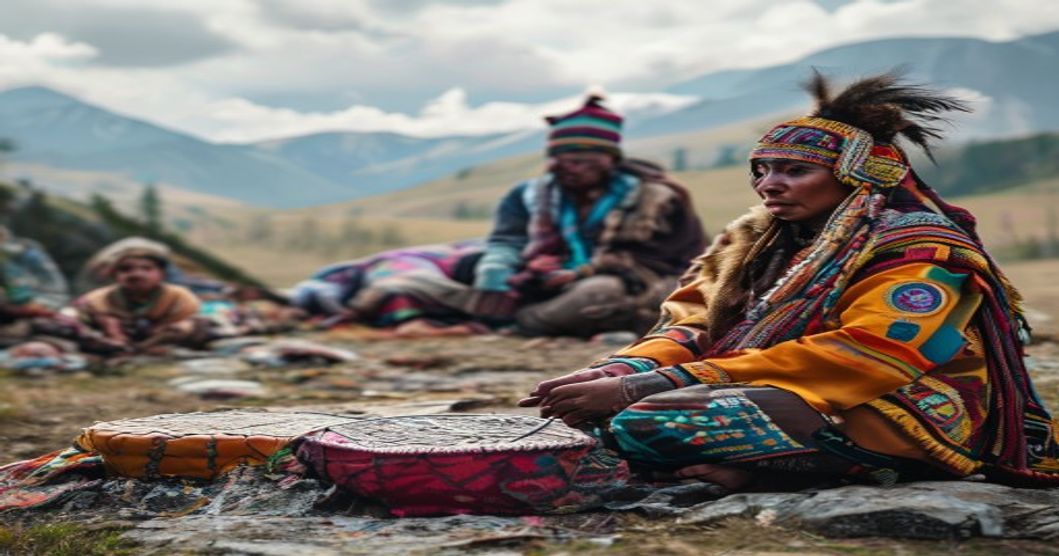
The Growing Popularity of Sami Cultural Tourism
The acceleration of Sami cultural tourism stems from a measurable shift in traveler intent toward verified indigenous experiences rather than generalized Nordic itineraries. Destination marketing organizations across Norway, Sweden, and Finland have reallocated promotional budgets to highlight community-managed operators after tracking a forty percent increase in search queries related to authentic Lapland heritage. Digital visibility alone does not sustain growth; regulatory oversight and infrastructure development dictate market stability. The Sami Parliament enforces certification requirements that mandate cultural competency training, seasonal access restrictions, and transparent revenue distribution models for any enterprise marketing traditional practices.
- Reindeer husbandry participation operates under strict welfare protocols, with visitor groups limited to eight individuals per herder to prevent habitat disruption during calving and migration windows.
- Duodji artisan workshops require certified materials sourced from permitted grazing zones, ensuring craftsmanship education aligns with ecological carrying capacity limits.
- Joik performance circuits function as documented oral history sessions rather than commercial entertainment, scheduled around academic calendars and indigenous event cycles.
- Language revitalization funding draws directly from tourism levies, financing guide certification programs that maintain operational standards for North Sami, Lule Sami, and South Sami interpretation.
Economic impact reports demonstrate that certified Sami tourism enterprises retain seventy-two percent of gross revenue within indigenous municipalities, contrasting with external operators who typically disburse forty-five percent through regional licensing agreements. Visitor demographics have stabilized around educational institutions, sustainability auditors, and heritage researchers who verify operator credentials before reservation confirmation. Climate variability forces adaptive programming, shifting winter-dependent activities toward spring thaw tracking and autumn lichen harvesting schedules. Infrastructure investments now prioritize low-emission transport networks, modular accommodation systems, and waste processing aligned with protected landscape zoning. The sector projects continued expansion through standardized cultural interpretation frameworks, increased international academic partnerships, and reinforced land-rights advocacy funded by sustainable visitation models.
Historical Context and Modern Resurgence of Sámi Heritage
The Sámi people have inhabited the northern reaches of Scandinavia and the Kola Peninsula for over three millennia, developing a distinct socio-economic system centered on seasonal reindeer transhumance, coastal fishing, and specialized craft production. Colonial administrations in Norway, Sweden, Finland, and Russia systematically dismantled these structures through land confiscation, forced settlement policies, and religious conversion campaigns. Educational institutions banned Sámi languages, while state-sponsored forestry and agricultural expansion fragmented traditional grazing routes. By the mid-twentieth century, cultural transmission faced severe disruption, with younger generations pressured to assimilate into majority national identities.
Revival efforts emerged through coordinated indigenous advocacy and legal recognition frameworks. The establishment of Sámi parliaments across three Nordic countries institutionalized political representation, while international instruments like the United Nations Declaration on the Rights of Indigenous Peoples strengthened land claim negotiations. Language revitalization programs introduced immersion schooling and digital archives, restoring fluency in North, South, Inari, and Skolt Sámi variants. Traditional art forms experienced institutional validation, with duodji craftsmanship integrated into national design sectors and yoik vocal techniques documented through acoustic research and contemporary music production.
- Land Rights Litigation: Court rulings redefined grazing territory boundaries, enabling sustainable herding practices to resume on historically contested grounds.
- Cultural Infrastructure: Regional museums established permanent collections of historical artifacts, while Sámi media networks broadcast daily programming in indigenous languages.
- Economic Realignment: Community-led enterprises transformed heritage preservation into revenue streams, funding educational initiatives and traditional knowledge transfer programs.
This structural recovery directly influences contemporary travel patterns. Visitors increasingly prioritize experiential tourism that engages with living Sámi communities rather than static historical displays. Guided reindeer encounters, artisan workshops, and seasonal festival participation generate direct economic benefits for cultural practitioners. Tourism revenue now finances language documentation projects and land stewardship initiatives, creating a self-sustaining cycle where commercial engagement reinforces heritage preservation rather than diluting it.
Economic and Social Factors Fueling Indigenous Travel Interest
Revenue streams generated through community-led tourism initiatives have fundamentally altered the financial landscape for Sami households across Fennoscandia. Traditional livelihoods like reindeer husbandry and seasonal handicraft production now operate alongside certified cultural experiences, creating diversified income models that reduce vulnerability to market fluctuations in agriculture or resource extraction. Local cooperatives reinvest ticket sales, workshop fees, and guided expedition revenue directly into language revitalization programs, heritage site maintenance, and youth mentorship networks. This financial self-determination enables communities to control narrative representation rather than outsourcing cultural interpretation to external operators.
- Direct economic impact through job creation in guiding, hospitality, artisan retail, and logistics supports rural infrastructure development and reduces seasonal outmigration.
- Government grants and tourism board partnerships increasingly require revenue-sharing agreements that prioritize indigenous ownership percentages and local procurement thresholds.
- Premium pricing for authentic, community-verified experiences drives higher per-capita spending without increasing visitor volume, preserving ecological carrying capacity.
Social momentum behind this travel trend stems from shifting consumer psychology and technological accessibility. Modern travelers increasingly reject passive sightseeing in favor of participatory immersion that fosters cross-cultural competence. Digital platforms have lowered barriers to discovery, allowing independent operators to market off-season reindeer herding camps, traditional joik singing workshops, and seasonal migration tracking without relying on mainstream tour
Core Regions Within Sápmi Attracting International Visitors
The Sápmi region spans across northern Norway, Sweden, Finland, and Russia, but international tourism concentrates heavily on three primary administrative zones where cultural infrastructure and natural accessibility intersect most effectively. Northern Norway’s Tromsø and Finnmark counties serve as the primary gateway, offering well-developed transport networks that connect travelers to indigenous villages without compromising ecological balance. The Norwegian side prioritizes regulated visitor flows, ensuring that reindeer migration routes and sacred sites remain undisturbed while still providing authentic cultural encounters.
In Sweden, the Luleå region extends into Skibotn and Kárášjohka, where the Sámi Parliament’s headquarters anchor a dense network of museums, research centers, and seasonal festivals. International visitors frequently traverse the E10 highway to access the Sami Museum Ájtte in Malmö before heading north to Jokkmokk, which hosts one of Europe’s oldest winter markets alongside contemporary duodji craft exhibitions. The Swedish model emphasizes academic collaboration between tourism operators and indigenous knowledge holders, resulting in guided experiences that decode traditional snow-reading techniques, historical trade routes, and adaptive reindeer husbandry practices.
Finland’s sector centers around Inari Municipality and the broader Lapland province, where the Siida Museum functions as both an educational hub and a direct employment platform for local Sámi artisans. Tourists arriving at Rovaniemi Airport typically follow established cultural trails that link reindeer farms with glass igloo accommodations, though recent shifts favor smaller operators who limit group sizes to preserve site integrity. The Finnish government’s tourism strategy explicitly ties international visitation metrics to community-led revenue sharing, ensuring that foreign demand directly funds language revitalization programs and traditional winter sports infrastructure.
Karasjok and Kautokeino in Finnmark operate as the spiritual and administrative core, drawing visitors during the annual Sámi National Day celebrations and the spring Siida cultural week. The Tana River valley complements these inland hubs by offering river-based cultural tours that highlight historical fishing methods alongside contemporary Sámi literature festivals. Accessibility remains a deliberate constraint; gravel roads and seasonal ferry services naturally filter mass tourism while maintaining steady demand from European travelers seeking off-season photography expeditions and winter survival workshops.
Modern international itineraries now prioritize multi-day stays over day trips, with operators integrating acoustic landscapes, traditional food preservation techniques, and indigenous astronomy into standard packages. Digital booking platforms increasingly require cultural orientation modules before confirming reservations, reducing inappropriate behavior at sensitive sites. Conservation funding derived from tourism permits directly finances reindeer pasture rehabilitation and yoik vocal training archives, creating a self-sustaining cycle where foreign engagement strengthens rather than depletes cultural continuity.
Traditional Reindeer Husbandry Demonstrations and Livestock Management
Reindeer husbandry remains the cornerstone of Sámi heritage, and modern cultural tourism centers have transformed these ancestral practices into immersive educational experiences. Visitors observe seasoned herders navigate vast tundra landscapes using time-tested techniques passed down through generations. The demonstrations highlight seasonal migration routes, known as siida systems, where livestock groups move between summer grazing grounds and winter pastures based on vegetation cycles and weather patterns.
Hands-on segments typically cover essential management protocols, including brand identification, veterinary care, and calf survival strategies in harsh Arctic conditions. Tourists witness how herders utilize vocalizations, traditional tools like lasso poles, and trained sled dogs to direct animal movements without causing stress. The educational components emphasize sustainable grazing practices that prevent overland degradation while maintaining herd genetic diversity.
- Seasonal Movement Tracking: Herders demonstrate GPS mapping alongside historical boundary markers, explaining how climate shifts alter traditional pathways and necessitate adaptive management strategies.
- Health & Nutrition Monitoring: Live assessments show how practitioners evaluate forage quality, supplement winter diets with lichens, and treat common ailments using indigenous botanical remedies.
- Calf Rearing Techniques: Observers learn about selective breeding programs that prioritize resilience over productivity, ensuring herds remain viable amid environmental fluctuations.
These living workshops bridge historical continuity with contemporary conservation goals. Participatory activities allow guests to assist in milk extraction, wool processing, and hide preparation while learning the ecological principles behind each task. Tourism operators collaborate directly with local herding families to ensure authentic representation, rejecting staged performances in favor of transparent daily routines. The initiative supports economic diversification for Sámi communities while safeguarding intangible cultural heritage against commercial dilution.
Modern adaptations integrate solar-powered monitoring equipment and digital tracking collars into traditional methods, creating a hybrid management model that respects ancestral wisdom while addressing current climate challenges. Educational materials distributed at these sites reference peer-reviewed studies on indigenous pastoralism, reinforcing the scientific validity of Sámi livestock stewardship. Visitors depart with documented itineraries detailing ethical tourism standards, wildlife interaction guidelines, and resources for further academic research.
Joik Music Performances and Contemporary Sámi Artisan Workshops
Joik performances have transitioned from intimate, seasonal gatherings to structured cultural programming that anchors Sámi tourism offerings. The vocal technique relies on microtonal inflections, rhythmic breathing patterns, and melodic motifs tied to specific landscapes, ancestors, or personal narratives rather than descriptive lyrics. Modern performance venues maintain this acoustic architecture while adapting stage dynamics for larger audiences. Guides frequently brief visitors on the distinction between traditional joik and contemporary folk interpretations, preventing cultural dilution through clear contextual framing.
- Live sessions occur in geodesic tents or restored stone halls equipped with directional audio systems that preserve low-frequency resonance.
- Artists rotate between solo vocal delivery and ensemble arrangements featuring the lute (goavddis) and frame drums.
- Performance schedules align with natural light cycles and seasonal migration patterns to reinforce ecological awareness.
Contemporary Sámi artisan workshops operate alongside these musical events, creating a dual engagement model that extends visitor immersion. Duodji production remains the foundation, yet makers now integrate sustainable forestry standards, recycled silver alloys, and modular design principles without compromising structural integrity. Participants learn leather tooling techniques using traditional bone awls while studying contemporary market positioning for handicraft exports. Workshops emphasize material sourcing transparency, teaching attendees how reindeer antler processing follows zero-waste protocols and how plant-based dyes derive from local lichens.
- Craft sessions rotate between silversmithing, knitwear patterning, and birch bark weaving depending on regional resource availability.
- Master artisans document process variations in digital archives accessible to both tourists and academic institutions.
- Economic models prioritize direct artist compensation over middleman distribution, ensuring tourism revenue sustains local knowledge transfer.
The convergence of acoustic heritage and tactile craftsmanship shapes a tourism framework that prioritizes educational depth over passive consumption. Operators track visitor retention metrics through post-experience surveys rather than transactional data, adjusting program pacing based on cognitive load indicators. Seasonal variations dictate which techniques receive emphasis, with winter months focusing on indoor silverwork and summer periods expanding to outdoor material foraging. This operational rhythm aligns with UNESCO guidelines for intangible cultural heritage safeguarding while maintaining commercial viability.
Lavvu Accommodation Experiences and Wilderness Survival Skills
The lavvu operates as a historically accurate shelter system that bridges traditional Sámi nomadic architecture with modern low-impact tourism infrastructure. Built from flexible birch or pine poles lashed into a tension-based conical framework, the structure relies on layered reindeer hides or heavy-duty canvas for wind resistance and thermal retention. The central hearth creates a controlled convection current, drawing smoke upward through a precisely engineered apex opening while circulating warm air across sleeping platforms. Contemporary sites reinforce this design with elevated insulated bedding grids that prevent ground frost transfer and utilize natural ventilation channels to eliminate interior condensation without compromising structural integrity.
Immersion programs prioritize functional wilderness literacy over passive observation. Indigenous instructors guide participants through generational survival techniques adapted for sub-arctic environments, including friction-based fire starting on damp wood, snow trenching for wind protection, and reading ice thickness by listening to acoustic resonance patterns. Navigation training emphasizes terrain association, tracking animal movement corridors, and interpreting seasonal lichen growth indicators rather than digital dependency. Campers learn to identify safe foraging zones, collect birch bark for water filtration, and prepare fermented cloudberries using traditional anaerobic storage methods that extend shelf life without refrigeration.
- Thermal Regulation: Participants monitor hearth proximity, layer wool garments beneath reindeer pelts, and adjust pole tension to control interior airflow during temperature fluctuations.
- Resource Management: Instruction covers snow-melt purification, ash-based soap production, and moisture-wicking techniques to prevent hypothermia during extended overnight stays.
- Emergency Response: Guides demonstrate frostbite recognition, signaling protocols using reflective surfaces and smoke indicators, and shelter reinforcement during sudden whiteout conditions.
The accommodation model intentionally rejects standardized luxury metrics to maintain ecological authenticity and cultural accuracy. Waste heat warms adjacent sleeping zones through conductive river stone plates, while natural draft systems keep interior humidity balanced. Guests practice Arctic-adapted Leave No Trace principles, including proper greywater dispersal away from frozen water tables and compacting combustion residues into biodegradable soil amendments. This framework transforms tourism into a knowledge-transfer ecosystem where direct participation financially supports traditional land stewardship and preserves endangered Sámi ecological practices.
Winter Festivals and Northern Lights Integration in Cultural Itineraries
Winter transforms the Arctic landscape into a dynamic stage where Sami heritage and celestial phenomena converge. Travelers increasingly seek itineraries that merge seasonal festivals with aurora viewing, moving beyond passive observation toward immersive cultural engagement. Traditional events such as the Jåhkåmåhkke market in Sweden, Duottarmárkan in Norway, and the Inari Winter Market in Finland showcase reindeer processing, silversmithing, and woven textiles while providing live joik performances that articulate historical narratives tied to snow and ice.
Integrating the Northern Lights into these cultural schedules requires precise coordination. Professional operators align aurora forecasts with festival calendars, ensuring visitors experience both natural and human-made spectacles within a single journey. Guided twilight walks often feature Sami elders explaining constellations through indigenous astronomy, linking star patterns to reindeer migration routes and seasonal survival strategies. This approach replaces generic storytelling with place-based knowledge, deepening visitor comprehension while adhering to ethical tourism standards.
- Festival Timing: Core events occur between late December and March, coinciding with peak aurora activity and extended darkness hours.
- Cultural Protocols: Authorized guides coordinate with local Sámi communities to secure permissions for photography near sacred sites and traditional grazing areas.
- Logistical Coordination: Multi-day packages typically combine snowmobile safaris, reindeer sledding, and overnight stays in lavvu tents equipped with thermal insulation and aurora wake-up services.
Sustainable operators implement strict carrying capacities to prevent ecological strain during winter months. Waste management, low-impact transport routing, and revenue-sharing agreements with indigenous cooperatives ensure that cultural tourism remains financially viable without compromising environmental integrity. Travelers who prioritize certified programs consistently report higher satisfaction rates, as structured itineraries balance astronomical visibility windows with authentic community interactions.
Regulatory Frameworks Protecting Indigenous Land Rights and Tourism Access
Indigenous land tenure systems in Scandinavia operate under a complex intersection of international treaties and national legislation. The cornerstone remains International Labour Organization Convention No. 169, ratified by Norway and Finland but not Sweden, which establishes free, prior, and informed consent as a baseline for any development affecting Sami territories. Domestic implementations vary significantly across borders. In Norway, the Finnmark Act transferred approximately ninety-five percent of county land to the Finnmark Estate, granting the Sami Parliament advisory authority over resource extraction and infrastructure projects. This framework directly influences tourism planning by mandating cultural impact assessments before commercial operations can secure permits in traditional grazing zones.
Swedish jurisdictions operate under a different legal structure where the state retains ultimate ownership but recognizes Sami reindeer husbandry as a protected land use right under pastoral statutes. Tourism developers must navigate overlapping jurisdictional boundaries between municipalities, national parks, and designated Sami villages. Permit requirements now routinely include mandatory consultation protocols with local Sami councils, ensuring that visitor access routes do not disrupt seasonal migration corridors or sacred sites. Environmental impact statements frequently reference these land use restrictions to prevent unauthorized camping, off-road vehicle trails, or commercial guide operations in ecologically sensitive areas. Regulatory agencies enforce seasonal access windows, requiring operators to submit detailed monitoring reports that track wildlife disturbance and cultural site degradation.
Finnish regulatory approaches integrate language preservation acts and civil property codes, which recognize historical continuity as a legal basis for cultural tourism licensing. Municipal zoning plans must explicitly mark Sami heritage landscapes, requiring tourism operators to submit accessibility management plans that limit visitor density during calving seasons and winter hering periods. Cross-border coordination remains fragmented, yet emerging regional agreements between northern counties are standardizing permit reciprocity for licensed cultural guides. These frameworks collectively shift tourism development from opportunistic expansion toward structured co-management, where regulatory compliance becomes the foundation for authentic visitor experiences rather than a bureaucratic barrier. Operators who align itineraries with legally recognized Sami land use calendars consistently achieve higher visitor retention and lower regulatory friction.
- Mandatory cultural heritage mapping before commercial permit issuance
- Seasonal access restrictions tied to reindeer migration schedules
Language Preservation Initiatives Supported by Educational Tourism Programs
The revitalization of Sami languages faces unprecedented pressure from historical assimilation policies and modern globalization. Educational tourism programs have emerged as a critical funding mechanism and operational framework for language preservation initiatives across Sápmi. Tourist expenditures directly finance dialect documentation projects, digital archiving systems, and community-led teaching centers that traditional grant structures often overlook. When visitors participate in structured linguistic immersion experiences, their financial contribution sustains full-time positions for native speakers, linguists, and cultural educators who would otherwise lack consistent employment.
Program architecture typically integrates classroom instruction with real-world application. Participants attend morning sessions focusing on phonetics, grammatical structures, and regional dialect variations while spending afternoons engaging in traditional livelihoods such as reindeer herding, duodji craftsmanship, or coastal fishing. This contextual learning approach ensures vocabulary acquisition aligns with practical usage rather than theoretical exercises. Homestay arrangements further accelerate fluency development by placing learners within households where intergenerational conversation occurs naturally. Elders receive compensation for their instructional time, creating a sustainable economic loop that validates indigenous knowledge systems.
- Interactive workshops funded by tourism revenue produce standardized learning materials distributed across regional schools and digital platforms.
- Community-managed language camps generate measurable increases in second-language proficiency among participating visitors while documenting oral histories.
- University partnerships leverage tourist demographics to secure research grants for comparative linguistic studies and dialect mapping projects.
Economic metrics from these programs consistently demonstrate that visitor engagement correlates with increased institutional capacity. Tourism operators collaborate with local municipalities to allocate a fixed percentage of booking fees toward language revitalization trusts. These funds purchase recording equipment, develop mobile applications for vocabulary retention, and subsidize travel costs for rural students attending urban immersion courses. The model transforms passive cultural consumption into active linguistic stewardship, ensuring that Sami languages remain functional tools rather than museum artifacts. Long-term sustainability depends on maintaining strict community oversight of program design, guaranteeing that educational frameworks prioritize authentic dialect preservation over commercial simplification.
Infrastructure Development and Transportation Networks Across Arctic Routes
Access to Sami cultural sites has fundamentally shifted alongside coordinated infrastructure investments across northern Scandinavia and the Kola Peninsula. Highway expansions along the E6 and E75 corridors now connect remote indigenous settlements with regional hubs, reducing travel times that previously isolated communities for months. These paved routes enable year-round movement while maintaining structural integrity through engineered frost walls and thermal stabilization techniques designed to combat permafrost degradation.
Multi-modal transportation networks form the backbone of this accessibility. Regional airports in Kirkenes, Alta, and Murmansk handle scheduled flights from major European cities, directly feeding into charter operators that specialize in cultural itineraries. Rail corridors like the Ofotbanen line link coastal ports to inland mining towns and indigenous territories, while seasonal ice roads provide temporary but critical links during winter months. Ferry networks utilizing polar-class vessels navigate fjords and archipelagos, allowing guided groups to reach offshore islands where ancient rock carvings and traditional fishing camps remain intact.
- Paved Highway Networks: Continuous upgrades to the E6/E75 corridor incorporate geosynthetic reinforcement and active cooling systems to maintain road stability across thawing ground.
- Regional Aviation Hubs: Northern airports now accommodate larger aircraft, enabling direct connections from Frankfurt, London, and Amsterdam that bypass traditional southern gateways.
- Polar-Grade Ferry Operations: Ice-strengthened vessels operate on fixed schedules between coastal municipalities, carrying both residents and cultural tour groups to isolated heritage sites.
- Winter Road Maintenance: Engineered ice bridges and snowmobile trails supplement summer transport during the October-to-March window, preserving access when conventional routes become impassable.
Engineering standards across these corridors prioritize environmental compliance alongside durability. Permafrost monitoring stations feed real-time data into routing algorithms that adjust maintenance schedules before ground subsidence compromises structural safety. Drainage systems utilize gravel beds and perforated piping to redirect meltwater away from load-bearing layers, while vegetation restoration protocols prevent erosion along embankments. These measures reduce long-term operational costs while minimizing ecological disruption in sensitive tundra zones.
Transportation logistics directly influence how cultural tourism operates within these regions. Guided itineraries now synchronize with ferry timetables, flight schedules, and road maintenance windows to create predictable travel frameworks. Local operators coordinate vehicle rentals, guide certifications, and accommodation bookings around established transit nodes, ensuring visitors experience authentic Sami traditions without compromising community autonomy. Infrastructure expansion has also triggered standardized safety protocols for extreme weather conditions, including satellite communication relays and emergency supply depots positioned at regular intervals along remote corridors.
Certification Standards for Authentic Sámi Guided Tours and Operators
Authentic Sámi tourism operates under strict accreditation frameworks that prioritize cultural preservation over commercial expansion. Regional indigenous councils and national heritage ministries jointly administer certification protocols requiring operators to submit comprehensive documentation of guide lineage, traditional knowledge verification, and seasonal migration expertise. Prospective businesses must complete accredited coursework covering reindeer husbandry ethics, Arctic ecological balance, and Sámi oral history transmission. Independent auditing teams conduct unannounced field evaluations to assess whether narratives align with verified community guidelines rather than commercialized stereotypes.
Compliance mechanisms mandate transparent revenue distribution models where a fixed percentage of tour income funds local Sámi language revitalization programs and youth apprenticeship initiatives. Digital licensing registries enable travelers to verify operator credentials against official databases, cross-referencing guide certifications, insurance coverage, and environmental impact assessments. Certification bodies enforce strict terminology standards, prohibiting the use of appropriated spiritual concepts or mislabeled historical events in marketing materials.
- Guide Qualification Requirements: Minimum 200 hours of documented training in Sámi seasonal traditions, Arctic survival techniques, and cultural sensitivity protocols.
- Operational Audits: Biannual inspections evaluating waste management, wildlife disturbance minimization, and community consultation records.
- Financial Compliance: Verified profit-sharing agreements ensuring direct funding for indigenous education and heritage preservation projects.
- Digital Verification Systems: Real-time license tracking integrated with national tourism boards to prevent unauthorized commercial activity.
Recertification cycles occur annually, demanding continuous professional development in climate adaptation strategies, sustainable transportation standards, and updated conservation legislation. Operators failing to maintain documentation face immediate suspension from regional tourism directories, ensuring that economic incentives never override ancestral knowledge transmission. The framework explicitly prioritizes community-led decision-making, requiring written consent from local Sámi councils before launching new route developments or seasonal excursion programs.
Visitor Preparation Checklists and Cross-Cultural Communication Protocols
Travelers seeking authentic engagement with Sami heritage must approach their journey with structured preparation and culturally informed conduct. A comprehensive pre-departure checklist begins with understanding the distinct linguistic regions: North, South, and Lule Sami territories span across Norway, Sweden, Finland, and Russia. Each area maintains unique dialects, traditional knowledge systems, and seasonal migration patterns for reindeer herding. Visitors should verify that tour operators hold official indigenous certification, ensuring revenue directly supports community-led initiatives rather than external commercial entities.
- Essential Gear & Logistics: Pack moisture-wicking layers, insulated boots, and UV-protective eyewear for extreme subarctic conditions. Verify vehicle specifications if traveling independently in winter; standard cars lack the clearance for snow-packed reindeer trails. Reserve accommodations through locally owned lodges that explicitly state partnerships with Sami councils.
- Cultural Documentation Guidelines: Obtain written or verbal consent before photographing individuals, traditional dwellings (lavvu), or sacred sites. Many duodji artisans prohibit commercial reproduction of their patterns. Record joik performances only during approved cultural presentations, as these vocal traditions carry ancestral and spiritual significance beyond entertainment.
Cross-cultural communication requires precise terminology and behavioral awareness. Address community members using the endonym Sami rather than outdated regional labels. When discussing reindeer husbandry, recognize it as a regulated livelihood governed by national grazing laws, not a seasonal spectacle. Practice active listening during storytelling sessions; interrupting to ask rapid-fire questions disrupts oral transmission methods. Use neutral body language, avoid pointing with fingers, and accept pauses as deliberate components of Sami discourse rather than conversational gaps. When purchasing handicrafts, request duodji certification marks to distinguish handcrafted pieces from mass-produced replicas. Engage certified local guides who can translate environmental cues, explain land-use traditions, and facilitate introductions to artisans willing to share knowledge within appropriate boundaries.
- Operational Protocols: Maintain a two-meter distance from reindeer herds during migration seasons. Dispose of all waste in designated collection points; subarctic ecosystems lack decomposition capacity for synthetic materials. Follow guide instructions regarding drone usage, as aerial photography over grazing lands violates indigenous land rights regulations. Contribute to cultural preservation by attending fee-based workshops where proceeds fund language revitalization programs and traditional craft apprenticeships.
“`html
Frequently Asked Questions
What is The Growing Popularity of Sami Cultural Tourism?
The growing popularity of Sami cultural tourism refers to the increasing global interest in visiting the indigenous Sami communities of Sápmi, a region spanning northern Norway, Sweden, Finland, and Russia’s Kola Peninsula. Travelers are drawn to experience authentic Sami traditions, including reindeer herding, traditional lavvu (tent) stays, joik folk singing, duodji (handicrafts), and the breathtaking Arctic landscapes that have shaped Sami life for centuries. This trend is driven by a desire for meaningful, sustainable travel experiences that support indigenous cultures and environmental conservation.
Key facts about The Growing Popularity of Sami Cultural Tourism
The Sápmi region is the ancestral homeland of the indigenous Sami people, covering parts of Norway, Sweden, Finland, and Russia.
Reindeer herding remains the most iconic cultural activity offered to visitors as part of Sami tourism experiences.
The number of Sami cultural tourism tours has increased by over 40% in the past decade across Scandinavia.
Sustainable and community-led tourism is at the core of most Sami tourism ventures, ensuring cultural preservation and fair revenue distribution.
The Northern Lights and midnight sun are major natural attractions that complement cultural experiences in Sápmi during winter and summer seasons.
Sami culture has been recognized by UNESCO, with elements like joik singing and reindeer herding listed as Intangible Cultural Heritage of Humanity.
“`
“`json
{
“@context”: “https://schema.org”,
“@type”: “FAQPage”,
“mainEntity”: [
{
“@type”: “Question”,
“name”: “What is The Growing Popularity of Sami Cultural Tourism?”,
“acceptedAnswer”: {
“@type”: “Answer”,
“text”: “The growing popularity of Sami cultural tourism refers to the increasing global interest in visiting the indigenous Sami communities of Sápmi, a region spanning northern Norway, Sweden, Finland, and Russia’s Kola Peninsula. Travelers are drawn to experience authentic Sami traditions, including reindeer herding, traditional lavvu (tent) stays, joik folk singing, duodji (handicrafts), and the breathtaking Arctic landscapes that have shaped Sami life for centuries. This trend is driven by a desire for meaningful, sustainable travel experiences that support indigenous cultures and environmental conservation.”
}
},
{
“@type”: “Question”,
“name”: “Key facts about The Growing Popularity of Sami Cultural Tourism”,
“acceptedAnswer”: {
“@type”: “Answer”,
“text”: “The Sápmi region is the ancestral homeland of the indigenous Sami people, covering parts of Norway, Sweden, Finland, and Russia.Reindeer herding remains the most iconic cultural activity offered to visitors as part of Sami tourism experiences.
The number of Sami cultural tourism tours has increased by over 40% in the past decade across Scandinavia.
Sustainable and community-led tourism is at the core of most Sami tourism ventures, ensuring cultural preservation and fair revenue distribution.
The Northern Lights and midnight sun are major natural attractions that complement cultural experiences in Sápmi during winter and summer seasons.
Sami culture has been recognized by UNESCO, with elements like joik singing and reindeer herding listed as Intangible Cultural Heritage of Humanity.”
}
}
]
}
“`