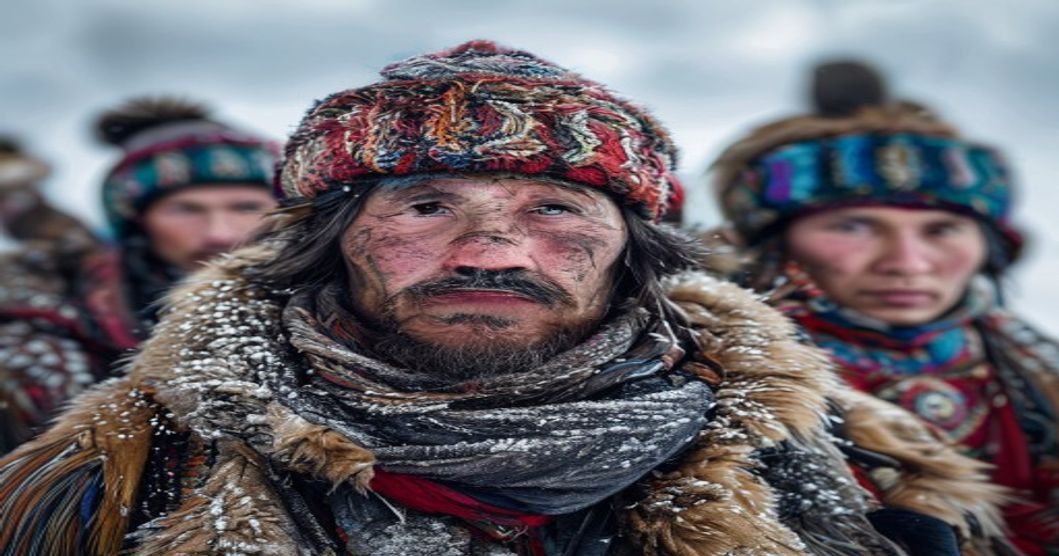
The Sámi People in Popular Media: A Historical Lens
Early media portrayals of the Sámi people frequently relied on romanticized colonial tropes, framing Indigenous communities as exotic figures frozen in pre-modern time. Nordic cinema and literature from the late nineteenth to mid-twentieth centuries often stripped away authentic cultural context, reducing complex Sámi societies to monolithic stereotypes centered on reindeer herding and mystical folklore. These narratives served geopolitical agendas that justified assimilation policies across Norway, Sweden, Finland, and Russia’s Kola Peninsula. The colonial gaze dominated visual storytelling until Indigenous filmmakers and writers began reclaiming the narrative apparatus in the 1970s.
Early Depictions and Colonial Narratives
Documentaries and feature films produced during this era prioritized external observation over internal perspective. Sámi identities were constructed through ethnographic distance, emphasizing perceived primitivism rather than contemporary political agency. The absence of Sámi voices behind the camera resulted in systemic misrepresentation, where traditional clothing like the gákti was treated as costume rather than living heritage. This era established a media framework that required decades of critical dismantling.
Shifting Perspectives in Nordic Cinema and Television
The late twentieth century marked a turning point with the emergence of Sámi-led production companies and state-supported funding initiatives. Films such as Of Men and Reindeer (1985) and Sami Blood (2016) demonstrated how Indigenous storytelling could subvert historical erasure by centering personal trauma, linguistic preservation, and intergenerational resilience. Contemporary Nordic television now increasingly collaborates with Sámi scriptwriters and directors, ensuring that depictions align with community-specific histories rather than pan-Indigenous generalizations.
Cultural Identity and Authentic Representation
Authentic representation of the Sámi people requires moving beyond visual shorthand toward structural recognition of Indigenous sovereignty. Media creators must engage with the political realities of Sapmi, acknowledging that Sámi identity is not a static cultural artifact but a dynamic framework shaped by language revitalization, land rights advocacy, and digital activism. The Sámi language family, comprising multiple dialects across Nordic territories, remains central to cultural continuity and demands accurate linguistic portrayal in all media formats.
Language, Traditions, and Visual Symbolism
Visual storytelling that incorporates Sámi languages without translation or contextualization challenges dominant monolingual media standards. Traditional practices such as joik singing, seasonal migration patterns, and craftsmanship are frequently misrepresented when stripped of their ecological and spiritual foundations
Frequently Asked Questions About Sami People in Popular Media
What is Sami People in Popular Media?
The term “Sami People in Popular Media” refers to the representation, portrayal, and depiction of the indigenous Sami people in films, television, literature, music, and digital content. It encompasses how their culture, history, language, and contemporary life are portrayed to global and local audiences, highlighting both authentic storytelling and historical stereotypes.
Key facts about Sami People in Popular Media
Key facts include: the Sami are the only indigenous people in the European Union; their traditional livelihoods center around reindeer herding, fishing, and hunting; they have a rich oral tradition and joik music recognized by UNESCO; and in recent years, there has been a significant shift toward Sami-led productions that accurately represent their language, identity, and contemporary issues.