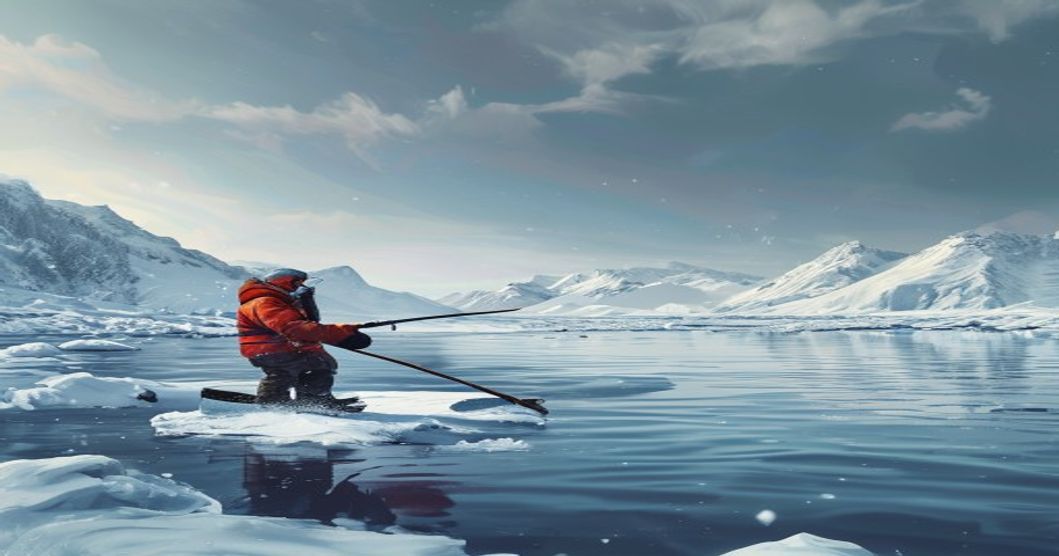
The Historical Roots of Sámi Ice Fishing
Origins in the Boreal and Arctic Zones
Sámi ice fishing emerged millennia ago across Fennoscandia, Lapland, and northern Russia. Early communities relied on frozen lakes and rivers during extended winters when terrestrial hunting grounds became inaccessible. Archaeological findings, including bone hooks, net fragments, and campsite remnants from coastal and inland archaeological zones, confirm that ice fishing formed a core component of subsistence strategies long before written documentation. The practice adapted to shifting climate cycles, allowing Sámi groups to maintain food security during extreme cold periods when caribou migration routes shifted or reindeer herds moved toward southern pastures.
Pre-Christian Rituals and Seasonal Cycles
Traditional Sámi spirituality wove ice fishing into the broader rhythm of the kuhmo calendar, a seasonal framework dictating movement, hunting, and gathering. Opening the first ice hole often involved offerings to water spirits and mountain deities, ensuring safe passage beneath the frozen surface. Rituals emphasized reciprocity with nature, where fishers acknowledged the sacrifice of aquatic life as essential for community survival. These practices reinforced respect for water ecosystems and established protocols that prevented overharvesting during vulnerable spawning windows.
Traditional Techniques and Toolmaking
Ice Drilling Methods and Hole Maintenance
Crafting access points through thick ice required specialized tools passed down through generations. The ice auger, typically forged from iron or steel with a spiral cutting edge, allowed fishers to bore clean holes without shattering surrounding ice. Maintaining these openings demanded constant attention; snow removal prevented refreezing, while wooden stakes marked productive locations across vast frozen landscapes. Teams often worked in coordinated lines, covering multiple holes to maximize catch rates while monitoring ice thickness for structural safety.
Handlines, Sinkers, and Natural Bait
Sámi fishers preferred manual handlines over mechanical reels, valuing tactile feedback and silent operation. Lines were crafted from reindeer sinew, hemp, or braided plant fibers, with weights made from lead or polished river stones. Bait selection depended on local species: earthworms, insect larvae, or small fish scales served as effective lures for pike, perch, and Arctic char. The absence of noisy gear reduced stress on fish, increasing strike rates in cold, low-activity conditions.
Ecological Knowledge and Environmental Adaptation
Reading Ice Conditions and Weather Patterns
Successful ice fishing demanded acute environmental literacy. Sámi elders taught younger generations to interpret ice clarity, color gradients, and structural soundness as indicators of fish movement and habitat quality. Clear blue ice often signaled stable conditions and deeper water refuges, while milky or layered ice indicated warming fronts or current shifts. Weather forecasting relied on wind direction, cloud formations, and animal behavior, enabling fishers to predict safe travel windows and optimal fishing spots before storms arrived.
Sustainable Harvesting Practices
Traditional Sámi harvesting operated within strict ecological boundaries. Communities practiced selective catch retention, prioritizing mature fish for breeding stock while releasing juveniles during critical growth phases. Seasonal closures aligned with natural reproductive cycles, and rotational access to specific water bodies prevented localized depletion. These methods maintained population balances across generations, demonstrating an early understanding of carrying capacity and ecosystem resilience.
Cultural Transmission and Community Role
Oral Histories and Intergenerational Learning
Knowledge transfer occurred through direct mentorship and communal storytelling. Elders demonstrated knot-tying techniques, line handling, and ice safety protocols while embedding lessons within mythological narratives and survival anecdotes. Children learned to read fish behavior by observing water currents and surface disturbances, developing spatial awareness before mastering equipment. This pedagogical approach preserved technical expertise alongside ethical frameworks, ensuring that practical skills remained inseparable from cultural values.
Fishing as a Socio-Economic Pillar
Ice fishing sustained household economies through barter networks and regional trade routes. Dried fish, rendered oil, and smoked provisions exchanged for grain, metal tools, and textiles across Fennoscandian markets. Community feasts following successful harvests reinforced social cohesion, while shared processing labor distributed resources equitably among families. The practice also structured gender roles and age-based responsibilities, creating a functional hierarchy that optimized seasonal workflows.
Modern Preservation and Contemporary Relevance
Revitalization Efforts and Indigenous Rights
Contemporary Sámi organizations coordinate cultural heritage programs to document traditional fishing methods before they fade from living memory. Digital archives record elder interviews, tool craftsmanship demonstrations, and ecological observations, while language initiatives integrate fishing terminology into educational curricula. Legal frameworks supporting indigenous land rights have enabled communities to reclaim access to ancestral waters, restoring practice areas previously restricted by modern zoning policies.
Frequently Asked Questions: Sami Ice Fishing During Polar Winters
What is Sami Ice Fishing During Polar Winters?
Sami ice fishing during polar winters refers to the traditional practice of the Sámi people, indigenous to the northern regions of Scandinavia and Russia, who harvest fish through the ice of frozen lakes and rivers. This survival-based activity has been adapted into a cultural and recreational tradition, utilizing specialized tools and deep knowledge of ice conditions, weather patterns, and fish behavior in extreme cold environments.
Key facts about Sami Ice Fishing During Polar Winters
- The practice dates back centuries and was originally essential for food survival during long, harsh Arctic winters.
- Sámi fishers use traditional augers and ice fishing rods, often combined with modern techniques for efficiency.
- Ice thickness must be carefully monitored, typically requiring at least 10-15 cm (4-6 inches) of clear, strong ice for safety.
- Commonly caught species include Arctic char, vendace, and whitefish, which are preserved through smoking, drying, or freezing.
- Today, it is also promoted as a cultural tourism experience, allowing visitors to learn about Sámi heritage and sustainable winter survival skills.