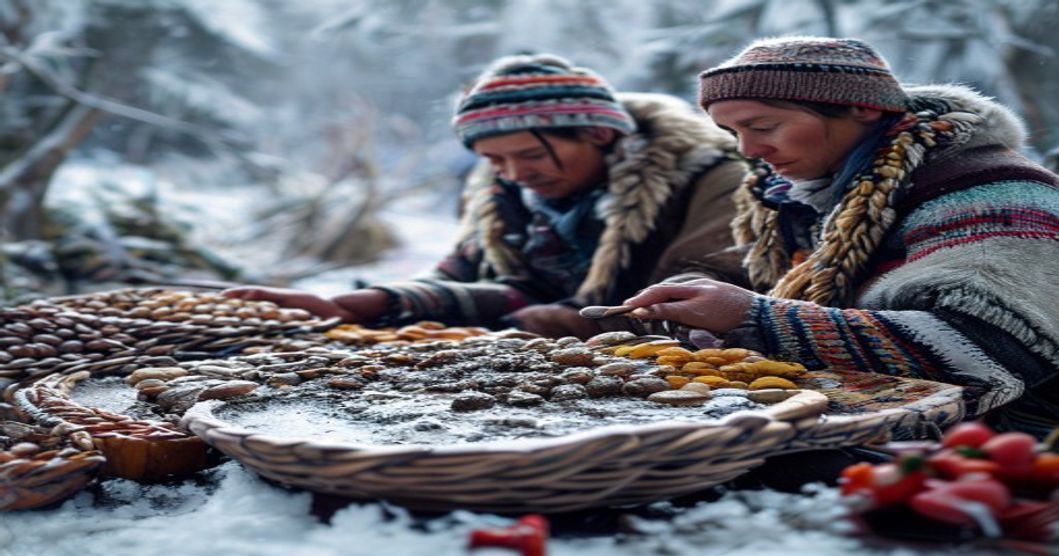
How Sami People Preserve Food for Winter
The Sami people have developed highly specialized food preservation techniques tailored to the extreme Arctic climate of Sápmi. These methods rely on natural freezing, drying, fermentation, and smoking rather than artificial refrigeration or modern canning. Traditional storage structures like elevated goahti shelters and permafrost-carved underground pits maintain stable thermal conditions that prevent spoilage while allowing controlled microbial activity throughout the polar night.
- Smoke-Drying (Suovas): Reindeer meat is split into thin strips, hung above birch or alder fires, and slowly dehydrated. The wood smoke deposits phenolic compounds that inhibit bacterial growth while subzero winds remove moisture rapidly. Processing occurs during late autumn when ambient humidity drops below 40 percent.
- Salt-Curing & Freeze-Drying: Arctic char and cod are gutted, heavily salted, and arranged on pine racks. Wind exposure at temperatures below -10°C triggers natural freeze-drying, concentrating proteins without cellular degradation. Salt ratios average 15 percent by weight to draw out residual blood and moisture.
- Biological Fermentation Vessels: Reindeer stomach linings (máhppu) historically stored curdled milk and rendered reindeer fat. Naturally occurring lactic acid bacteria create gáhkku, a shelf-stable paste rich in probiotics and caloric density. Processing requires precise temperature control to prevent pathogen multiplication.
- Permafrost Cellar Management: Root cellars dug into frozen ground maintain consistent 0°C to -5°C ranges. Insulation from reindeer hides, dry peat, and compacted snow prevents thermal shock during seasonal fluctuations. Ventilation shafts regulate oxygen levels to slow aerobic decomposition.
Wild botanical foraging complements animal preservation protocols. Cloudberries, rowan berries, and crowberries are mashed with reindeer fat or wild honey, then sealed in birch bark containers before deep-freezing. Lichen undergoes prolonged boiling to leach out usnic acid, yielding emergency carbohydrates during lean months. Storage architecture directly influences preservation success: elevated smokehouses prevent rodent infestation and accelerate moisture removal, while subterranean pits buffer against extreme wind chill. Each technique reflects precise ecological knowledge, optimizing nutrient retention in environments where agricultural storage remains impossible. Contemporary Sami foodways continue integrating these traditional protocols with modern cold-chain logistics, preserving both nutritional integrity and cultural continuity during months when supply routes collapse.
Ancestral Hunting Cycles and Seasonal Preparation
The Sami relationship with the Arctic ecosystem dictates a rigid calendar of movement and resource management. Long before modern refrigeration, survival depended on synchronizing human activity with biological rhythms. Reindeer herds migrate across tundra and boreal forest zones, following ancient trails that shift with snow depth and lichen availability. This migration establishes the primary window for autumn slaughter. Hunters track herd positioning through generations of mapped knowledge, ensuring harvests occur during peak fat accumulation periods.
Environmental monitoring replaces artificial scheduling. Herders observe ice thickness on lakes, wind patterns, and animal behavior to determine optimal processing times. The first sustained frosts trigger winter preparation protocols. Meat undergoes butchering within hours of harvest to prevent bacterial proliferation, then immediately exposed to subzero temperatures. Natural freezing acts as the primary preservation mechanism, rapidly locking in nutrients while inhibiting enzymatic degradation.
Beyond reindeer, traditional hunting targets migratory birds, wild fish species, and occasionally moose or elk during late autumn. Each catch follows strict seasonal protocols. Fresh meat undergoes air drying on wooden racks known as kåvddis, where cold Arctic winds draw moisture away from muscle fibers. This process concentrates proteins and fats while creating a shelf-stable product that resists spoilage for extended periods.
- Temperature Thresholds: Processing occurs only when ambient conditions drop below minus ten degrees Celsius, ensuring rapid ice crystal formation without compromising tissue structure or nutrient density.
- Labor Distribution: Slaughter and preservation require synchronized community effort. Families divide tasks including skinning, butchering, stringing, and smoking based on specialized generational expertise.
- Wood Selection: Birch and juniper branches provide aromatic compounds that naturally inhibit microbial growth while imparting distinct flavor profiles unique to northern boreal environments.
Winter preparation extends beyond meat. Fish are gutted and laid on flat stones near traditional dwellings, where consistent airflow prevents freezing solid until ready for consumption. Berries and edible roots undergo fermentation in sealed birch bark containers, creating acidic environments that halt decay. Every preserved item reflects precise environmental literacy rather than improvisation.
Hunting cycles directly influence preservation strategies. Spring calving seasons demand light processing to support lactating mothers, while autumn slaughter yields high-calorie cuts optimized for long-term storage. The alignment of biological harvest windows with atmospheric conditions creates a self-regulating food system. Modern climate shifts disrupt these patterns, forcing adaptations in timing and technique while preserving core knowledge transmission methods.
Reindeer Carcass Utilization and Butchering Traditions
The Sámi methodology for processing a reindeer carcass operates on a strict zero-waste protocol dictated by Arctic survival logic and extreme seasonal constraints. Butchering traditionally occurs in late autumn or early winter when ambient temperatures consistently drop below freezing, creating an immediate natural refrigeration system. Herders position the animal on wooden sleds or cleared snow surfaces, then follow a standardized anatomical sequence that prioritizes meat yield, hide integrity, and fat preservation. The initial incision runs along the dorsal spine, carefully separating the backstraps and tenderloins while keeping the abdominal cavity intact for immediate organ processing. Each internal component receives targeted treatment: kidneys and livers are cleaned without rupturing bile ducts, then either consumed fresh, smoked over cured birch wood, or packed into snow wells for spring consumption. The heart is typically desiccated alongside other muscle tissues to maximize shelf life.
Skin removal demands precise blade control to avoid puncturing the subcutaneous fat layer, which functions as both thermal insulation during air-drying and a primary rendering source for reindeer tallow. Once skinned, the carcass divides into standardized portions aligned with historical trade weight classes. Larger joints are split using bone saws, while smaller cuts prepare for immediate smoking or suspension on wooden racks. The Sámi employ guhkki preservation techniques, hanging meat strips above low-smoke birch fires to develop a protective protein crust that halts bacterial growth during unexpected thaws. This method also concentrates flavor compounds through gradual moisture extraction.
- Bone Processing: Hollow leg bones are scraped clean and shaped into needles, fish hooks, or tool handles without metal instruments.
- Antler Separation: Antlers undergo controlled boiling to detach keratin layers, providing raw material for carving ornaments, knife scales, and weaving shuttles.
- Sinew Extraction: Backstrap tendons are carefully peeled away, dried, and twisted into high-tensile thread that historically replaced metal fasteners in layered reindeer hide garments.
This systematic breakdown ensures maximum caloric return per animal, a critical requirement when hunting windows remain short and migration routes traverse hundreds of kilometers across fragile tundra ecosystems. Every anatomical region receives dedicated processing time, eliminating spoilage risks while maintaining nutritional density through controlled dehydration and fat retention.
Air Drying Methods for Fish and Wild Game
The traditional practice of air drying fish and wild game among the Sami relies entirely on the predictable conditions of the Arctic winter. Temperatures consistently below freezing create a natural freeze-drying environment where moisture sublimates directly from the tissue. This method requires precise timing, as prolonged exposure to above-freezing temperatures triggers rapid bacterial growth and spoilage. Hunters select lean cuts of reindeer, elk, or salmon, removing all visible fat and connective tissue that can turn rancid during extended drying periods.
Preparation involves slicing meat into uniform strips or fillets to maximize surface area exposure. Each piece is suspended from wooden racks or birch branches using braided reindeer sinew. Proper spacing between strips ensures uninterrupted airflow, which accelerates moisture extraction and prevents mold formation. In regions with heavy snowfall or persistent humidity, practitioners construct elevated drying platforms away from ground moisture and wind channels that could introduce contaminants.
- Environmental Control: Drying occurs exclusively between December and March when ambient humidity drops below thirty percent and steady katabatic winds circulate through the valley.
- Cut Geometry: Fillets are trimmed to exactly two centimeters thickness, balancing rapid dehydration with structural integrity during handling.
- Pest Mitigation: Fine mesh netting and low-smoke birch fires deter flies and scavengers without imparting heavy smoke flavors that would alter the traditional taste profile.
The resulting product undergoes a controlled enzymatic breakdown rather than full fermentation. Proteins fragment into smaller peptides, enhancing digestibility while preserving essential amino acids and omega fatty acids. Once moisture content reaches twelve to fifteen percent, the dried meat becomes lightweight, shelf-stable for up to three years, and resistant to microbial contamination. Storage typically involves wrapping the product in reindeer hide or packing it in airtight birch bark containers to maintain texture and prevent oxidation before consumption. Regular inspection during the first week prevents surface ice crystals from forming, which would otherwise create moisture pockets that compromise the entire batch.
Natural Fermentation in Permafrost Storage Pits
The Sami communities of northern Fennoscandia and the Kola Peninsula have long utilized naturally occurring permafrost layers to create underground storage pits that maintain consistent subzero temperatures throughout the year. These geological features eliminate the need for artificial refrigeration, providing a stable environment where controlled fermentation can occur without temperature fluctuations.
Fermentation in these pits relies entirely on indigenous lactic acid bacteria naturally present on animal hides, fish skin, and plant surfaces. When reindeer meat or Arctic char is placed inside carefully prepared pits, the surrounding permafrost rapidly draws heat away from the organic material. This sudden temperature drop inhibits spoilage microorganisms while allowing beneficial lactobacilli to multiply. The process typically requires three to six weeks, during which proteins break down into amino acids and fats convert into stable compounds that resist rancidity.
- Pit Construction: Artisans dig shallow trenches approximately one meter deep into the active permafrost zone. The base is lined with dried reindeer moss or birch bark to prevent direct soil contact and maintain optimal humidity levels.
- Temperature Regulation: Snow accumulation in late autumn acts as an insulating layer, keeping pit temperatures between minus two and plus four degrees Celsius. Spring thaw is managed by adding fresh snow or compacted ice to prevent premature warming.
- Food Selection: High-fat reindeer cuts, wild salmon, cloudberries, and root vegetables like rutabaga are most commonly preserved. Each item requires specific preparation, including salt rubbing, air drying, or partial cooking before burial.
Microbial activity inside these pits follows a predictable sequence. Initial aerobic conditions deplete oxygen, creating anaerobic pockets where lactic acid production accelerates. The resulting pH drop below 4.5 naturally prevents pathogen growth without chemical additives. Sami elders monitor fermentation progress by observing texture changes and testing acidity through traditional tasting protocols passed down across generations.
This preservation method also concentrates nutrients. Extended cold storage preserves heat-sensitive vitamins that would otherwise degrade during hot weather spoilage. The slow enzymatic breakdown increases bioavailability of minerals like iron and zinc, making winter diets nutritionally adequate despite limited fresh produce availability. Contemporary food scientists studying these techniques document their value for low-energy preservation systems and climate-adaptive agriculture.
Smoke Curing Techniques Using Local Birch Wood
The Sami communities of northern Fennoscandia historically relied on local birch trees (Betula pubescens and Betula nana) for their winter preservation methods due to the wood’s unique combustion characteristics and high sap content. When burned under controlled conditions, birch produces a dense, aromatic smoke rich in phenolic compounds and acetic acid, both of which inhibit bacterial growth while penetrating meat and fish tissues. The low resin concentration compared to coniferous species prevents bitter creosote accumulation, resulting in a clean cure that extends shelf life without compromising texture.
- Green birch branches are harvested in late autumn when sap levels peak, ensuring maximum smoke density during curing.
- Smoking huts are constructed with insulated walls and adjustable ventilation flues to maintain temperatures between 20°C and 30°C during cold smoking.
- Meat strips or split fish are suspended on wooden racks, positioned above smoldering birch peat and damp foliage to regulate moisture absorption.
Traditional practitioners monitor smoke color closely, aiming for a thin blue-gray plume that indicates complete combustion. Thick white smoke signals incomplete burning, which introduces unwanted soot and accelerates surface degradation. Curing durations range from four days for lean reindeer cuts to two weeks for fatty Arctic char, with periodic turning ensuring even exposure. The Sami also layer birch bark between hanging racks to catch drippings, preventing flare-ups while allowing rendered fat to slowly infuse the meat below.
This method leverages natural antimicrobial agents present in birch smoke, including guaiacol and syringol, which create a protective barrier against spoilage organisms and oxidative degradation. The low-temperature environment prevents protein denaturation, maintaining muscle fiber alignment for long-term storage without hardening. Traditional practitioners also monitor relative humidity inside the curing chamber, using packed snow around hut foundations to stabilize internal conditions during temperature fluctuations. Modern food science validates these parameters, confirming that controlled birch smoke exposure reduces pathogen load by up to 90 percent while preserving essential fatty acids and micronutrients critical for winter nutrition.
Root Cellar Construction and Vegetable Preservation
Traditional cold storage structures adapted to northern climates rely on precise thermal regulation rather than mechanical cooling. Builders utilize naturally occurring rock formations or excavate into stable soil layers where ground temperature remains consistently near freezing throughout the year. The structural integrity depends on thick insulation walls constructed from layered peat, dried grass, and compacted earth. Wooden support beams reinforced with stone foundations prevent collapse under heavy snow loads while maintaining an airtight seal against wind infiltration.
Ventilation design dictates long-term preservation success. Dual intake pipes positioned at opposite walls create passive airflow that draws warm, moisture-heavy air upward and expels it through a roof-mounted outlet. This continuous exchange prevents condensation buildup without introducing freezing drafts. Builders calculate pipe diameter based on cellar volume to ensure adequate air exchange rates during temperature fluctuations. The entrance tunnel typically angles downward and curves slightly inward, acting as a thermal buffer that blocks direct sunlight and reduces heat transfer from the surface.
Storage zones require strict humidity management to prevent shriveling or rotting. Root vegetables like carrots, parsnips, and turnips rest on dry sand beds that wick away excess moisture while maintaining consistent hydration levels. Cabbage heads hang from wooden racks to allow air circulation around each layer. Apples and pears occupy the coolest section near the floor where temperatures stay between two and four degrees Celsius. Each batch receives individual inspection before placement, removing any bruised or diseased produce that could accelerate spoilage across the entire inventory.
Seasonal adjustments involve modifying insulation thickness as external temperatures shift. Builders add fresh peat layers during autumn to compensate for early freezing periods and remove exterior snow cover in spring to prevent premature thawing. Soil moisture levels dictate ventilation frequency, with dry conditions requiring wider pipe openings to retain internal humidity. Regular monitoring prevents ice formation on stored goods while ensuring microbial activity remains suppressed throughout the extended storage period.
Modern Challenges and Cultural Continuity in Arctic Food Systems
The preservation of traditional Sami winter food stores faces mounting pressure from rapid environmental shifts and evolving regulatory frameworks. Rising temperatures alter reindeer migration routes, reducing access to grazing lands that historically provided the primary protein source for seasonal storage. Wild berry harvests and edible lichens, essential for fermentation and natural curing processes, show unpredictable yields due to altered precipitation patterns and soil degradation.
- Regulatory constraints complicate small-scale food processing. Modern hygiene standards, designed for industrial facilities, often exclude traditional smoking racks and open-air drying methods used for suovas (smoked reindeer meat) and fermented fish products.
- Land use policies restrict access to ancestral foraging grounds, limiting the availability of saltwort, cloudberry patches, and juniper branches required for natural preservation techniques.
- Economic marginalization forces younger generations to seek employment outside traditional livelihoods, creating knowledge gaps in seasonal food preparation cycles.
Cultural continuity persists through adaptive strategies that merge ancestral practices with contemporary tools. Community archives now document drying temperatures, fermentation timelines, and natural curing ratios using digital databases accessible to dispersed Sami families. Younger practitioners combine traditional bone-drying methods with precision climate-controlled chambers to maintain microbial balance while meeting food safety requirements. Educational programs in northern Norway, Sweden, and Finland explicitly teach winter storage techniques alongside nutritional analysis, ensuring that preservation knowledge functions as both ecological practice and cultural infrastructure.
Intercommunity networks facilitate seed exchange for hardy root vegetables and share modified curing protocols that withstand volatile weather patterns. These adaptive frameworks demonstrate how Arctic food systems maintain resilience not through static preservation of the past, but through continuous modification of time-tested methods under shifting environmental and socioeconomic conditions. Local cooperatives now operate shared cold-storage facilities that operate on renewable energy, reducing reliance on unpredictable natural freezing cycles while preserving the enzymatic activity required for traditional texture development.
Microbial fermentation relies on precise salt concentrations and temperature gradients that shift with changing winter durations. Traditional knowledge of lactic acid bacteria propagation now integrates modern pH monitoring, allowing communities to maintain safe fermentation windows despite shorter frost periods. Municipal food authorities in Lapland regions have begun drafting tiered compliance guidelines that recognize traditional curing timelines, preventing the loss of heritage techniques under blanket industrial regulations.
Climate Shifts Impacting Traditional Harvest Timelines
The Sami communities of northern Fennoscandia have historically calibrated their entire food preservation calendar around precise ecological markers. Unpredictable temperature fluctuations and altered precipitation patterns are fracturing these time-tested rhythms. Phenological shifts now cause spring blooms and berry maturation to occur weeks earlier than historical records indicate, while autumn freezes arrive erratically or fail entirely in certain years. This decoupling of seasonal cues disrupts the synchronization between plant availability and traditional harvesting windows.
Traditional drying and fermentation processes depend heavily on stable cold-dry intervals. When winter conditions warm prematurely or thaw cycles repeat, air-dried reindeer meat develops mold before moisture fully evaporates. Fermented fish and root vegetables require consistent sub-zero temperatures to halt bacterial spoilage without freezing the cellular structure. Erratic snow cover further compromises insulated storage pits, allowing temperature spikes that degrade preserved proteins and carbohydrates.
- Earlier thaws trigger premature growth cycles, exposing tender shoots to late frost damage
- Delayed autumn freezes extend the window for moisture-dependent preservation methods beyond safe parameters
- Unpredictable wind patterns reduce natural dehydration rates in outdoor curing racks
- Thawing permafrost alters soil composition, reducing yield of traditional medicinal and culinary herbs
Reindeer herding schedules directly influence winter food security. When summer pastures dry out prematurely or autumn vegetation remains green due to unseasonal warmth, herds migrate later than usual. This compression of the grazing season reduces fat accumulation in animals before slaughter, yielding leaner meat that requires longer smoking times and adjusted brining ratios. Communities adapting to these shifts must modify salt concentrations, alter smokehouse ventilation settings, or supplement dried provisions with commercial alternatives, gradually eroding ancestral preservation knowledge.
Intergenerational Knowledge Transfer in Contemporary Lapland
Traditional food preservation in Sami communities operates through a tightly integrated system of seasonal rhythm, ecological observation, and direct mentorship. Elders do not simply demonstrate techniques; they embed each step within a broader framework of animal husbandry, terrain navigation, and microclimate reading. Young practitioners learn to interpret moss coloration for optimal drying windows, adjust smoke dispersion during curing based on wind direction, and time fermentation cycles around historical migration markers that correlate with temperature thresholds. This transmission functions through daily immersion rather than structured lessons. Children participate in scraping hide, stringing meat strips on willow racks, and compacting snow storage pits using specific pressure ratios that prevent internal thawing while maintaining anaerobic conditions.
- Oral encoding methods utilize work chants that systematically transmit drying durations, salt-to-protein ratios, and firewood selection criteria tied to resin content.
- Apprenticeship progression mandates three consecutive winters of active processing before independent authority is granted, ensuring physical memory matches theoretical knowledge.
- Community documentation networks now record high-resolution video logs of traditional smoking chambers and fermentation vessels, creating searchable archives accessible to dispersed family branches.
Contemporary Lapland faces structural shifts that complicate direct transmission. Climate instability disrupts freeze-thaw cycles essential for snow cellars, while youth migration reduces daily exposure to ancestral practices. Response strategies include municipal-funded duodji workshops, school-integrated seasonal camps, and inter-village elder networks that broadcast live curing sessions via encrypted community servers. Modern practitioners integrate stainless-steel drying racks with traditional birch bark insulation, maintaining thermal efficiency while meeting contemporary food safety standards. Preservation techniques function as living ecological calendars rather than fixed recipes. Knowledge retention depends on continuous environmental feedback loops, where each generation adjusts timing and material ratios based on decades of systematic observation and real-time weather tracking.