The Accelerating Impact of Arctic Warming on Sámi Territories
Disruption of Reindeer Herding Cycles
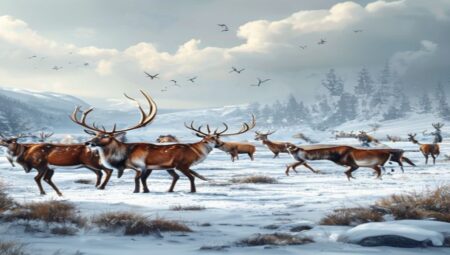
Rapid temperature increases across the Boreal and Arctic zones are fundamentally altering the ecological balance that has sustained Sámi livelihoods for centuries. Unpredictable freeze-thaw cycles create impenetrable ice layers over lichen pastures, preventing reindeer from accessing their primary winter food source. This phenomenon, known as rain-on-snow events, directly correlates with increased livestock mortality and reduced calf survival rates. Herders report shifting migration corridors as traditional grazing grounds become ecologically unstable, forcing communities to abandon ancestral routes in favor of fragmented, suboptimal territories.
Degradation of Traditional Foraging and Fishing Grounds
The Sámi relationship with the landscape extends far beyond reindeer husbandry, encompassing intricate networks of foraging, hunting, and fishing. Warmer summers accelerate the decomposition of organic matter in peatlands, reducing the yield of vital wild blueberries, crowberries, and medicinal herbs. Simultaneously, rising water temperatures and altered precipitation patterns disrupt freshwater fish populations, particularly Arctic char and salmon. Climate change threatens Sámi culture by dismantling these subsistence practices, which historically provided nutritional security and formed the foundation of local food systems.
Erosion of Cultural Practices and Intergenerational Knowledge Transfer
Loss of Seasonal Rhythms and Sacred Sites
Sámi cosmology, spirituality, and daily routines are deeply synchronized with precise environmental markers. The timing of snowmelt, berry ripening, and animal migrations dictates ceremonial calendars, duodji craftsmanship seasons, and joik performance traditions. As these natural indicators become erratic, the transmission of ecological knowledge from elders to youth fractures. Sacred landscapes, including ancient burial grounds and ritual sites, face irreversible damage from permafrost thaw, coastal erosion, and increased wildfire frequency, severing tangible links to ancestral heritage.
Language Shift and Identity Fragmentation Under Environmental Stress
Environmental instability acts as a catalyst for demographic displacement. Younger generations increasingly relocate to urban centers in search of economic opportunities, accelerating the decline of indigenous language vitality. Many Sámi dialects contain specialized lexicons describing snow conditions, reindeer behavior, and weather patterns that lack direct translations. When these ecosystems degrade, the linguistic frameworks supporting them lose functional relevance. This compounding loss undermines cultural cohesion and weakens community resilience against external pressures.
Adaptive Strategies and Community-Led Resilience Efforts
Integration of Traditional Ecological Knowledge with Modern Science
Sámi communities are actively developing hybrid monitoring systems that combine indigenous observation techniques with satellite data and climate modeling. Collaborative research initiatives map shifting vegetation zones, track reindeer herd movements in real time, and document historical weather patterns through oral archives. These efforts empower local stakeholders to make evidence-based decisions regarding pasture management, early warning systems for dangerous ice formations, and targeted conservation interventions that respect indigenous sovereignty.
Policy Advocacy and Land Rights Protection Initiatives
Legal frameworks governing land use remain a critical battleground for cultural preservation. Sámi parliaments and grassroots organizations are leveraging international instruments, including the United Nations Declaration on the Rights of Indigenous Peoples, to secure formal recognition of grazing territories and resource management rights. Strategic litigation against unsustainable infrastructure projects, mining operations, and unregulated tourism developments aims to establish binding environmental impact assessments that prioritize long-term ecological stability over short-term economic extraction.
Economic Vulnerability and Livelihood Diversification Pressures
Decline of Sustainable Tourism and Craft Markets
The regional economy heavily relies on climate-sensitive sectors that are experiencing volatile fluctuations. Reduced snowfall duration compromises winter tourism activities, while prolonged summer droughts degrade hiking trails and alter
Frequently Asked Questions
What is How Global Warming Impacts Sami Culture?
This topic explores the profound effects of rising temperatures, shifting precipitation patterns, and extreme weather events on the traditional livelihoods, reindeer herding practices, and cultural heritage of the Sámi people across northern Scandinavia and Russia.
Key facts about How Global Warming Impacts Sami Culture
Key facts include: (1) Unstable ice and snow conditions disrupt reindeer grazing routes and migration patterns; (2) Thawing permafrost threatens traditional housing and infrastructure; (3) Changes in vegetation alter the availability of traditional medicinal plants and forage; (4) Indigenous knowledge systems are being challenged as historical climate patterns no longer reliably predict seasonal changes.