Discovering the Sámi Heartland: Geography and Way of Life
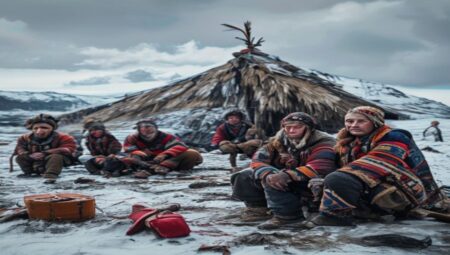
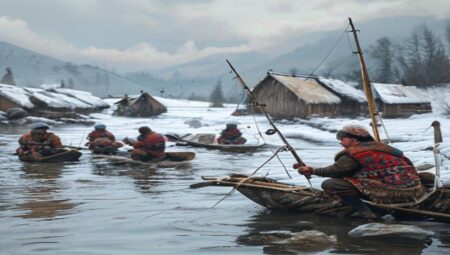
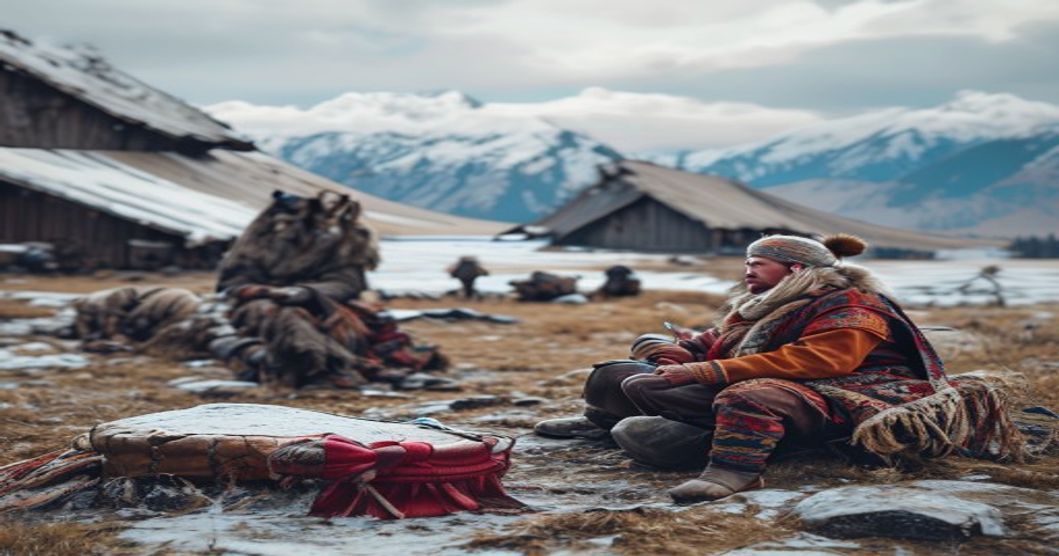
The Sámi people inhabit Sápmi, a vast, cross-border Arctic region spanning northern Norway, Sweden, Finland, and Russia’s Kola Peninsula. This extreme landscape shapes every dimension of indigenous Sámi culture, from seasonal migration patterns to spiritual cosmology tied to the land. The terrain shifts between coastal fjords, expansive fells, dense boreal forests, and frozen tundra, creating a unique ecological niche that has sustained Sámi communities for millennia. Understanding this geography is essential for grasping how environmental rhythms dictate traditional livelihoods and community organization.
The Four Seasons in Sápmi
Sámi cultural practices are deeply synchronized with the region’s extreme seasonal cycles. Spring brings melting snow and calving seasons, summer offers continuous daylight and grazing opportunities, autumn marks the critical reindeer roundups, and winter demands survival skills amid polar nights. These transitions are not merely climatic events but foundational to Sámi identity, influencing navigation techniques, clothing adaptations, and communal gathering schedules.
Indigenous Traditions and Cultural Heritage
Sámi traditions have endured centuries of external pressures while maintaining a resilient cultural framework. Indigenous knowledge systems emphasize reciprocity with nature, oral history transmission, and decentralized decision-making. Modern preservation efforts focus on revitalizing ancestral practices without romanticizing them, ensuring that living heritage remains dynamic rather than static.
Reindeer Herding: A Lifeway, Not Just a Livelihood
Reindeer herding remains the most visible Sámi occupation, yet it functions as a comprehensive cultural system. Herders follow ancient migration routes across hundreds of kilometers, relying on generational knowledge of terrain, weather patterns, and animal behavior. Each reindeer is individually named, managed through specialized husbandry techniques, and integrated into a sustainable circular economy that minimizes environmental impact while maintaining food security.
Joik: The Soul of Sámi Music
The joik (yoik) is a distinctive vocal tradition that predates written Sámi history. Unlike conventional songs, joiking does not describe a subject; it evokes its essence through melody, rhythm, and breath control. Traditionally performed to honor people, landscapes, animals, or spiritual concepts, the practice requires precise tonal accuracy and emotional authenticity. Contemporary artists continue to adapt joik while preserving its ceremonial and narrative functions.
Duodji: The Art of Functional Craftsmanship
Duodji encompasses Sámi handmade crafts designed for practical use, artistic expression, and cultural continuity. Artisans work with reindeer antler, birch bark, silver, and woven fibers to create gákti (traditional clothing), knives, bags, and decorative items. Each piece follows strict regional patterns passed down through generations, ensuring that utility and symbolism remain inseparable in Sámi material culture.
Immersive Nature Experiences and Sustainable Tourism
Ethical tourism in Sápmi prioritizes guided immersion over passive observation. Visitors engage directly with Sámi knowledge holders to learn survival techniques, ecological monitoring methods, and historical land management practices. This approach fosters mutual respect while generating direct economic benefits for indigenous communities.
Tracking Wildlife and Winter Landscapes
Sámi guides teach winter tracking, snowshoe navigation, and cold-weather camp management using traditional methods. Participants learn to read animal prints, assess ice thickness, and construct insulated shelters from locally sourced materials. These skills align with modern wilderness safety standards while preserving ancestral environmental literacy.
Aurora Borealis and Midnight Sun Rituals
Natural phenomena hold specific cultural significance rather than serving as mere tourist attractions. The Sámi interpret the northern lights through folklore tied to ancestral spirits and weather omens, while the midnight sun influences breeding cycles and foraging patterns. Responsible visitors observe these events from designated areas, follow guide instructions, and avoid disruptive behaviors that compromise ecological or spiritual integrity.
Preserving Heritage in the Modern Era
Sámi communities navigate contemporary challenges through legal advocacy, educational initiatives, and cultural innovation. Indigenous rights frameworks now protect grazing lands, language schools, and media production, enabling self-determined development strategies.
Language Revitalization and Digital Activism
Three major Sámi languages—North, South, and Inari—face varying degrees of endangerment. Community-led programs utilize mobile applications, online dictionaries, and youth mentorship to sustain fluency. Digital archives document oral histories, mapping traditional use areas to support land rights claims against resource extraction projects.
Ethical Engagement for Visitors
Responsible Sámi tourism requires adherence to established guidelines: hiring certified indigenous operators, respecting sacred sites, avoiding unauthorized photography of rituals, and purchasing authentic du
Frequently Asked Questions
What is Authentic Sami Experiences for Tourists?
Authentic Sami experiences for tourists refer to immersive cultural activities that allow visitors to engage directly with the indigenous Sami people of Scandinavia. These experiences often include reindeer herding, traditional lavvu camping, joik singing, crafting with natural materials, and learning about Sami history and customs from local guides.
Key facts about Authentic Sami Experiences for Tourists
Key facts about Authentic Sami Experiences for Tourists include: they are primarily located in Northern Norway, Sweden, and Finland; they emphasize sustainability and respect for indigenous rights; they are often led by Sami guides to ensure cultural accuracy; and they provide a unique opportunity to experience the Arctic landscape and traditional livelihoods firsthand.