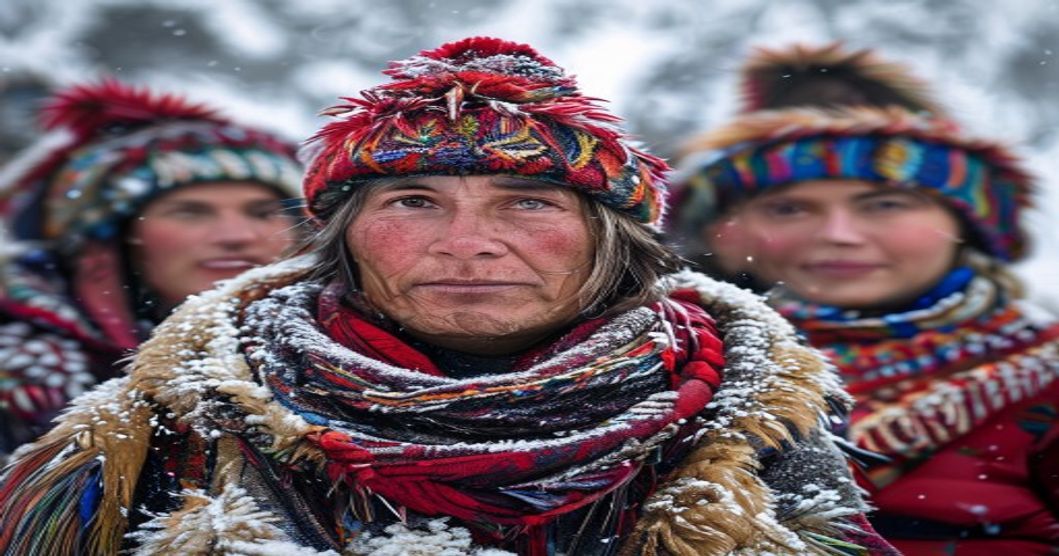
How Sami People Celebrate Seasonal Changes
The Sami ecological calendar operates on a precise lunar-solar cycle that dictates every aspect of livelihood and ritual throughout the year. Reindeer herding forms the structural backbone of this temporal framework, with seasonal movements mapped directly to grazing patterns, calving windows, and rutting periods. Rather than arbitrary holidays, Sami seasonal markers emerge from observable environmental cues: the first appearance of the midnight sun, the return of migratory birds, the thawing of rivers, and the onset of polar night. Each transition triggers specific communal obligations tied to resource management, spiritual balance, and intergenerational knowledge transfer.
- Summer Solstice Observances: Communities gather for Duodji exhibitions where artisans demonstrate traditional knife-making, reindeer leather crafting, and copper wire work. Joik performances accompany these events, with vocal techniques designed to mimic wind patterns and animal calls across specific valleys.
- Autumn Migration Rituals: The annual reindeer slaughter requires coordinated herding across hundreds of kilometers. Elders conduct pre-slaughter prayers at sacred sites marked by standing stones or ancient birch groves. Fat meat is cut, dried in controlled airflow structures, and stored for winter preservation alongside traditional smoke-curing methods.
- Winter Darkness Adaptations: Njáhkke celebrations parallel northern European traditions but incorporate distinct Sami cosmology. Drum ceremonies invoke sieidi spirits to ensure herd survival during extreme cold. Communal smokehouses function as operational centers for teaching youth about track reading, ice safety, and snow accumulation forecasting.
- Spring Awakening Markers: The first visible boar signals seasonal shift. Herders conduct boar milk rituals using reindeer udder extract mixed with fermented berries to restore electrolyte balance. River thawing protocols involve testing ice thickness through traditional tapping sequences before resuming commercial and subsistence fishing operations.
Modern Sami communities maintain these practices through institutionalized cultural centers and seasonal festivals that document oral histories while adapting to rapid climate variability. Digital archives now record joik variations across Sápmi regions, preserving dialect-specific vocal patterns tied to specific microclimates and grazing territories. Seasonal observances continue functioning as both ecological navigation tools and identity reinforcement mechanisms within changing Arctic environments, ensuring traditional knowledge remains operationally relevant.
Foundations of the Sápmi Environmental Calendar
The Sápmi environmental calendar operates as a dynamic, place-based chronometer rather than a fixed numerical system. Indigenous communities across the Arctic and subarctic regions have historically relied on continuous observation of ecological markers to structure their annual cycles. Time is measured through the interplay of lunar phases, solar altitude, and subtle shifts in weather patterns. Each traditional month carries a specific designation that reflects immediate environmental conditions rather than abstract calendar numbering. For instance, the transition from winter to spring is not marked by a fixed date but by observable phenomena such as ice thickness on lakes, the arrival of migratory birds, or the swelling of tree sap.
Reindeer herding dictates much of the temporal framework. The movement of herds follows ancient migration corridors that respond to snow depth, lichen availability, and predator activity. Herders track these patterns through generations of accumulated ecological knowledge, adjusting their camps and daily routines accordingly. The calendar functions as a practical guide for resource management, ensuring that hunting, fishing, and gathering align with peak biological activity. Misjudging a seasonal shift could mean missing optimal conditions for catching spawning fish or harvesting critical winter stores.
Regional microclimates create distinct temporal adaptations across Sápmi. Coastal communities monitor tidal rhythms and kelp growth stages, while inland populations focus on permafrost thaw cycles and birch bud development. This localized timekeeping is preserved through oral tradition, practical demonstration, and seasonal rituals that reinforce community cohesion. Elders transmit critical timing indicators to younger generations by teaching them how to read wind direction, track animal footprints in fresh snow, and interpret the acoustic properties of ice during late winter. The calendar remains a living system, continuously refined through direct environmental interaction rather than static documentation.
The foundation of this temporal system rests on a twenty-eight-moon cycle that aligns closely with both astronomical observations and biological rhythms. Each moon period receives a descriptive name tied to specific ecological events, allowing communities to anticipate resource availability without relying on external calendars. For example, the month corresponding to late winter focuses on ice fishing preparation and snow shelter maintenance, while early summer months emphasize moss harvesting for insulation and net weaving. This granular approach enables precise synchronization with the environment, ensuring that every activity occurs within a narrow window of optimal conditions. The calendar also incorporates long-term climate patterns, such as multi-year reindeer population fluctuations or historical weather anomalies, which are recorded through storytelling and practical experience to guide future planning.
- First appearance of swans and cranes signaling spring thaw
- Formation and cracking of river ice determining safe travel routes
- Bloom patterns of arctic willow and reindeer lichen marking grazing windows
- Changes in daylight duration influencing hunting and crafting schedules
- Snow density transitions affecting reindeer hoof clearance and mobility
Reindeer Herding Cycles as Cultural Anchors
The rhythmic migration of reindeer herds fundamentally structures Sami temporal awareness, transforming biological necessity into a living calendar that dictates cultural rituals, customary law, and communal identity across northern Scandinavia, Finland, and Russia. Rather than following abstract solar or lunar markers, indigenous pastoral communities historically synchronized their lives with the physiological demands of Rangifer tarandus, creating a seasonal chronology where every ecological shift carries explicit ceremonial weight.
- Spring Calving Period: As snow recedes and tundra vegetation emerges, herds converge on traditional calving grounds. Families establish temporary enclosures using woven willow barriers, ensuring newborn calves remain within protected boundaries during their first critical weeks. This phase triggers intensive preparation of dairy products, with reindeer milk processed into dense nutritional reserves that sustain communities through lean months.
- Summer Highland Grazing: Herds migrate to elevated pastures where biting insects naturally recede. Communities relocate to remote summer campsites, utilizing this period for craft production, including traditional duodji woodworking and reindeer hide processing. Elders conduct informal knowledge transmission sessions, mapping migration corridors and reinforcing territorial rights through oral geography.
- Autumn Marking and Sorting: The rutting season forces herd consolidation, enabling systematic calf branding, gender separation, and selective slaughter for winter sustenance. Large gatherings transform into decentralized exchange networks where reindeer products, tools, and ecological information circulate without centralized monetary systems.
- Winter Tracking Protocols: Frozen landscapes require precise snow reading skills. Herders follow established wind-swept trails that preserve vegetation beneath crust layers, maintaining herd nutrition while avoiding exhaustion. Night navigation relies on star positions, glacier formations, and acoustic monitoring of distant bell collars.
These cyclical movements establish non-negotiable temporal boundaries that govern Sami customary law. Land use permissions, marriage arrangements, and dispute resolutions historically align with herd movement schedules rather than administrative calendars. The reindeer functions as both economic foundation and cosmological reference point; spiritual ceremonies during solstice transitions explicitly acknowledge the animal’s role in sustaining ecological balance. Modern legal frameworks now formally recognize these herding timelines as protected cultural heritage, ensuring that pastoral rhythms continue dictating communal life despite industrial pressures. The continuity of this system demonstrates how biological dependence can crystallize into enduring cultural architecture.
Spring Renewal Rituals Across Indigenous Territories
Spring marks a critical ecological and cultural threshold for the Sámi across Fennoscandia and the Kola Peninsula. As snowpack recedes and daylight extends, communities initiate structured renewal practices that blend ancestral knowledge with practical herd management. The transition triggers synchronized movements of reindeer herds from winter pastures to coastal or mountainous summer grazing zones. Before migration begins, families conduct thorough inspections of gákti garments, repairing wool textiles and reinforcing leather boots to withstand wet tundra terrain. Simultaneously, stored winter provisions—including saltpeter-cured reindeer meat, dried Arctic char, and fermented cloudberries—are systematically rotated to prevent spoilage while preparing for fresh harvests.
- Lavvu Preparation and Spatial Reconfiguration: Each dwelling unit undergoes structural maintenance before the spring equinox. Reeds are replaced, smoke vents adjusted for optimal airflow, and foundation stones realigned to accommodate shifting permafrost layers.
- Fire Purification Protocols: Controlled hearth ceremonies remain central to seasonal transition rituals. Elders ignite birch bark and juniper branches to cleanse storage compartments of winter moisture and residual odors. The smoke functions as a natural antimicrobial agent while reinforcing communal bonds through shared labor.
- Ecological Sign-Reading and Herd Coordination: Experienced herders monitor ice thickness on rivers, bird migration patterns, and lichen growth rates to determine optimal grazing routes. These indicators replace fixed calendars, requiring continuous observation and intergenerational knowledge transfer.
Community assemblies convene during the thaw period to distribute grazing rights, resolve territorial disputes, and assign seasonal roles. Joik performances accompany these gatherings, preserving oral histories related to past climate shifts and successful migration strategies. Modern Sámi organizations integrate historical practices with contemporary environmental monitoring, using satellite imagery alongside traditional snow-depth measurements to adapt to accelerating climate patterns. Youth apprenticeships emphasize practical skills like tent assembly, meat preservation techniques, and wildlife tracking. Cultural institutions across Tromsø, Sápmi regions, and Murmansk maintain spring archives documenting ritual timelines, ensuring continuity despite geopolitical fragmentation. The renewal phase operates as both ecological management and cultural reinforcement, sustaining indigenous sovereignty through practiced tradition. Seasonal fasting periods traditionally mark the transition, allowing digestive systems to adjust from heavy winter diets to lighter spring foods while respecting animal migration windows.
Tracking Reindeer Calving Patterns and Pasture Transitions
The arrival of spring triggers a critical ecological window for reindeer herding communities across Fennoscandia. Calving typically occurs between late April and early June, coinciding with the emergence of young shoots and thawing tundra. Sami herders monitor microclimatic shifts, snowmelt progression, and lichen ground cover to predict optimal calving grounds. These locations are strategically selected for nutritional recovery, predator avoidance, and soil stability. Pasture transitions follow a carefully calibrated route defined by siida territory boundaries, where grazing pressure is systematically distributed to prevent overconsumption of vulnerable forage species.
Traditional observation techniques rely on direct environmental reading rather than digital interfaces. Herders assess reindeer behavior through vocalization patterns, herd dispersion, and the physical condition of lactating females. When cows move toward higher elevations or sheltered valleys, it signals impending parturition. Concurrently, pasture transitions are timed to align with botanical cycles. Grasslands in lower altitudes provide immediate post-calving nutrition, while alpine zones remain reserved for summer grazing. This rotational system prevents soil compaction and maintains the ecological balance required for sustainable herd management.
Key indicators guiding these movements include:
- Snowline retreat rates and groundwater depth
- Birch and willow bud development stages
- Lichen moisture content and fungal fruiting patterns
- Herd stress signals and calf mobility thresholds
These markers inform precise timing for moving animals between seasonal pastures. Cultural practices surrounding this period emphasize preparation rather than spectacle. Families reinforce herding routes, repair migration fences, and distribute equipment before the calving window closes. The ecological rhythm dictates community activity, embedding pastoral knowledge into daily decision-making. Modern tracking integrates satellite collars and drone surveys with inherited observational data. Researchers cross-reference GPS movement logs with historical grazing maps to identify long-term pasture degradation. Climate variability has compressed calving windows and shifted vegetation peaks, forcing adaptive adjustments in migration schedules. Herders now monitor soil temperature profiles and insect emergence cycles to maintain alignment between herd nutrition and forage availability. This synthesis of ancestral ecological literacy and contemporary monitoring ensures continuity in a rapidly changing environment.
Ritual Clothing Restoration and Thaw Season Preparations
The transition from winter to spring triggers a meticulous cycle of garment maintenance among Sámi communities, where traditional attire serves as both functional gear and cultural archive. Before the snow melts, elders and artisans inspect every piece of reindeer leather and wool clothing for wear sustained during months of extreme cold and reindeer herding. Repair work relies on time-tested techniques passed through generations: sinew thread replaces modern nylon to maintain breathability and flexibility, while hand-stitched seams prevent moisture penetration during wet spring terrain. Dyes extracted from birch bark, wild onions, and lichen restore faded reds, blues, and yellows that historically signal regional origin and family lineage. The restoration process rarely occurs in isolation; it functions as a communal knowledge exchange where younger members learn pattern geometry, color symbolism, and the spiritual etiquette of handling sacred hides.
- Tanning and conditioning: Reindeer pelts undergo controlled smoking over juniper fires to preserve suppleness and repel spring dampness before garments are fully reassembled.
- Buckle and trim replacement: Brass buttons, bone clasps, and woven wool bands deteriorate during winter expeditions and must be swapped using traditional loom setups before migration begins.
- Spatial organization of materials: Raw hides, dried berries for mordants, and sharpened reindeer antler awls are arranged according to seasonal calendars that align with reindeer calving windows.
- Moisture management: Wax treatments derived from beeswax and animal fat create temporary water barriers essential during the unpredictable thaw period when ground saturation spikes rapidly.
Once garments reach structural readiness, the focus shifts to logistical preparations tied to the thaw. Herders consolidate sled repairs, inspect snowshoe bindings, and stockpile dried fish and meat for early summer pastures. The restored clothing is not merely stored but ritually activated through joik performance and communal gatherings that mark the threshold between dormancy and movement. Each repaired seam carries practical weight against shifting permafrost and sudden rain events, while simultaneously reinforcing intergenerational continuity. Artisans apply additional linings of felted wool to inner garment panels to regulate body temperature during rapid spring fluctuations. The alignment of textile renewal with ecological cues demonstrates how Sámi seasonal observance operates as an integrated system where craftsmanship, migration timing, and cultural memory converge without separation.
Community Markers for the Return of Sunlight
The transition from polar night to extended daylight triggers a network of observable community markers across Sápmi. Reindeer herds naturally migrate toward sun-exposed ridges where lichen becomes accessible, creating visible movement patterns that signal shifting light conditions. Herders track these migrations alongside solar position, using traditional weather lore to predict ice stability and pasture readiness. Gathering sites at forest edges and coastal inlets become focal points for seasonal coordination, where families exchange information about snow depth, wind direction, and emerging plant growth. These locations historically functioned as informal calendars, with specific stones, cairns, and driftwood arrangements marking days when sunlight duration crosses critical thresholds for outdoor activity.
- Solar Orientation Rituals: Communities align seasonal fires along east-west axes during the first weeks of increasing daylight, ensuring flames catch direct morning rays that historically indicated safe travel windows.
- Ecosystem Indicators: The appearance of specific lichen species on northern slopes, melting permafrost patterns, and migratory bird returns serve as living markers that supplement human observation with ecological data.
- Intergenerational Knowledge Transfer: Elders demonstrate sun-tracking techniques using traditional measuring rods and shadow markers, teaching younger members how to calculate daylight progression without modern instruments.
Cultural infrastructure adapts directly to these solar shifts. Longhouses receive structural modifications to maximize window placement during spring months, while communal storage facilities undergo thorough ventilation processes timed to coincide with consistent ultraviolet exposure. The return of sunlight also dictates the timing of traditional craft production, as bark stripping, wood curing, and textile preparation require specific humidity levels that correlate with daylight duration. Community leaders coordinate seasonal work schedules based on these markers, ensuring resource extraction aligns with natural light availability. Digital documentation projects now record historical marker locations, preserving spatial data that previously existed only in oral transmission networks.
- Geographic Landmarks: Specific mountain peaks and coastal formations serve as reference points for measuring solar elevation, creating a landscape-wide observatory system used for centuries.
- Ecological Calibration: Reindeer antler growth cycles and lichen recovery rates provide biological validation for calculated sunlight thresholds, confirming community observations through natural processes.
Summer Migrations and Midnight Sun Practices
The Sami summer season operates around a precise ecological rhythm driven by reindeer movement from coastal winter ranges to alpine pastures. As snow recedes in late May and June, herders guide their livestock toward higher elevations where nutrient-rich grasses, sedges, and young willow shoots emerge. This migration follows generations of mapped routes that account for wind exposure, insect pressure, and the recovery cycles of critical ground lichen species like Cladonia rangiferina. The extended daylight during this period fundamentally shapes daily operations. With the sun remaining above the horizon for weeks, herders maintain continuous supervision over calving grounds, monitor herd health in real time, and execute pasture rotation without the constraints of darkness. Nighttime checks become standard procedure, allowing veterinarians and experienced herders to address injuries or illness before they escalate.
- Summer camps serve as temporary administrative and cultural hubs during this window. Traditional dwellings, often constructed from birch poles and reindeer
High Pasture Relocation and Alpine Gathering Sites
The annual movement toward alpine pastures begins as snow recedes from higher elevations, typically between late June and early July. Sami herders guide reindeer herds across thousands of hectares of tundra and mountain terrain to reach summer grazing zones known locally as leatnu or gáddu. These highland areas offer nutrient-rich grasses, sedges, and browse that support reindeer recovery after winter foraging. The transition requires precise coordination among family units and neighboring herding communities, with routes determined by historical knowledge passed through generations rather than modern mapping tools.
Alpine gathering sites serve multiple ecological and subsistence functions beyond reindeer grazing. Herders collect wild berries such as cloudberries, crowberries, and bilberries during peak ripening periods. Dried lichen (reindeer moss) is harvested for livestock supplementary feed, while specific mountain herbs like alpine avens and saxifrage are utilized in traditional medicine and tanning processes. The terrain dictates seasonal timing; wind-exposed ridges dry faster, allowing earlier access to grazing land, whereas valley floors retain moisture longer and require delayed movement. Herders monitor moss growth patterns, insect activity, and bird migrations as natural indicators of pasture readiness.
- Southern Lapland Highlands: Primary summer grazing corridors with extensive reindeer calving grounds.
- Finnmark Plateau Zones: Rich in cloudberry patches and traditional berry-picking trails established over centuries.
- Tromsø Mountain Passes: Strategic transit routes connecting lowland winter camps to highland summer settlements.
Camp construction follows strict spatial protocols. Lavvu tents are positioned near water sources but elevated above flood lines, with windbreaks formed from stacked stones and reindeer antlers. Meal preparation relies on open-fire cooking using preserved reindeer fat, dried fish, and foraged greens. Knowledge transfer occurs through direct participation; younger herders learn terrain navigation, weather interpretation, and plant identification by accompanying elders during the ascent. Modern GPS tracking devices now supplement traditional wayfinding, yet route selection remains rooted in empirical observation of soil composition, vegetation cycles, and historical reindeer movement patterns. The alpine season concludes when early autumn frosts trigger the downward migration, closing a complete ecological and cultural cycle.
Wild Plant Foraging and Traditional Preservation Methods
The Sami people have historically relied on precise ecological observation to time their wild plant foraging activities. Each seasonal transition dictates which botanical resources become accessible in the tundra and boreal forest zones. During the brief summer months, harvesters collect lingonberries, cloudberry, crowberry, and bearberry. These fruits provide essential vitamins during long winters when fresh produce remains unavailable. Birch sap flows briefly in spring, requiring immediate collection before the canopy fully develops. Wild garlic and mountain tea appear later in the season, offering both culinary and medicinal applications.
- Lingonberries are dried on wooden racks or stored in reindeer stomachs where natural lactic acid fermentation creates a stable, tangy preserve.
- Cloudberry yields are traditionally submerged in melted snow and buried in permafrost pits, maintaining cellular structure without mechanical freezing equipment.
- Birch sap undergoes natural fermentation into a mildly alcoholic drink, or it is reduced over low heat to produce thick syrup through slow evaporation.
- Dried mountain tea and wild garlic are hung in ventilated wooden shelters where subarctic air circulation prevents mold while concentrating active compounds.
Preservation strategies emerge directly from environmental constraints. The Sami developed storage methods that align with available thermal conditions rather than artificial temperature control. Reindeer stomachs function as natural fermentation chambers due to their enzymatic lining and airtight structure. Snow pits leverage consistent subzero temperatures found year-round in northern latitudes, eliminating the need for modern refrigeration. Bone marrow and reindeer fat serve as protective barriers when sealing dried berries or herbs in wooden containers.
These techniques remain culturally significant beyond nutritional utility. The annual harvesting cycle reinforces intergenerational knowledge transfer regarding plant identification, sustainable yield limits, and landscape navigation. Each preservation method reflects centuries of trial and error adapted to shifting microclimates. Modern climate variations now force adjustments to traditional timing windows, yet the underlying principles continue guiding seasonal resource management across Sami communities.
Autumn Herding Drives and Winter Preparation Cycles
The autumn months trigger a highly organized sequence of reindeer roundups that form the backbone of Sami pastoral life. Herders systematically locate scattered summer grazing plots and initiate controlled drives toward established autumn pastures.
- Coordinated family movements require experienced riders to direct younger members in closing herd gaps across vast tundra landscapes.
- Ecological literacy dictates routing decisions, with herders reading wind patterns, lichen density, and reindeer body condition to optimize migration paths.
As temperatures drop and daylight shortens, families shift focus to winter readiness. Snow fences are constructed along migration corridors to guide animals away from deep drifts. Fodder reserves, primarily consisting of dried grasses and birch branches, are measured and stored in ventilated lean-tos. Reindeer antlers are carefully removed for commercial trade, while the remaining herd undergoes health inspections before winter transit.
Equipment maintenance becomes critical during this phase. Reindeer sleds are reinforced with heat-treated wood, harnesses are re-laced with rawhide, and traditional duodji tools receive oil treatments to prevent cracking in sub-zero conditions. Youth participation follows structured apprenticeship models, where children learn animal tracking, campsite selection, and emergency veterinary interventions by assisting senior herders. Digital navigation systems and two-way radios now supplement traditional signaling methods, yet the fundamental rhythm of seasonal migration remains unchanged.
- Family units redistribute labor based on expertise, with some members focusing on trapline maintenance while others manage livestock health records.
- Turf roofs in winter dwellings are reinforced, snowshoe bindings are calibrated for varied terrain, and communication networks establish shared grazing boundaries during heavy snowfall events.
The autumn drive cycle ultimately functions as both an economic necessity and a cultural transmission mechanism, ensuring that ecological knowledge adapts to changing climate patterns without erasing foundational Sami pastoral traditions.
Crossing Rivers and Guiding Reindeer to Foothill Grazing Lands
The annual transition of Sami herds toward elevated terrain begins long before the first visible snow retreat. Herders monitor microclimate shifts, ground thaw progression, and reindeer physiological cues to determine the exact departure window. Reindeer naturally seek nutrient-dense lichen and fresh vegetation that emerges in lower foothills as alpine zones remain frozen or become insect-infested during peak summer months. This migration follows established seasonal corridors documented across generations through oral mapping and practical reindeer training rather than fixed calendar dates.
River crossings represent one of the most critical operational phases. Frozen waterways provide safe passages during late spring, while open currents demand precise timing and coordinated herding tactics. Herders position themselves upstream and downstream to prevent strays from drifting into deep channels or weak ice sheets. Traditional knowledge dictates which crossing points remain viable based on historical current patterns, sediment buildup, and bank stability. Teams use specialized long poles, reindeer whips, and vocal commands that vary by dialect but maintain consistent acoustic markers for the animals. Younger generations acquire these navigational skills through direct field immersion rather than formal instruction.
Foothill grazing lands offer distinct ecological advantages during summer months. The terrain typically features exposed rock surfaces that absorb solar radiation, accelerating snowmelt and promoting early growth of grasses, sedges, and medicinal herbs. Reindeer forage efficiency increases significantly when moving from dense forest understories to these open slopes. Herders manage pasture rotation by monitoring lichen recovery rates, soil compaction levels, and reindeer weight gain metrics. Overgrazing prevention remains central to sustainable grazing models, with fallback areas strategically positioned to distribute animal pressure across multiple watersheds.
- Traditional ecological calendars calibrated by lunar cycles and aurora visibility
- Reindeer coat shedding triggers indicating metabolic readiness for elevation changes
- Historical land use agreements preserving corridor access across municipal boundaries
- Real-time weather monitoring using barometric pressure shifts and wind direction patterns
This movement phase transforms seasonal observation into active stewardship. Herders track vegetation emergence, calculate optimal departure dates, and adjust herd composition based on calf survival rates and antler development stages. The arrival at foothill pastures marks a measurable shift in daily routines, dietary planning, and equipment preparation. Seasonal recognition emerges through continuous ecological feedback, reinforcing a sustainable relationship between human activity and reindeer biology.
Meat Smoking, Air Drying, and Cold Storage Techniques
The preservation of reindeer and wild game through smoking, air drying, and cold storage represents a precise adaptation to the subarctic climate cycle. Sámi communities historically relied on consistent temperature drops between late October and early November to initiate meat processing. Juniper branches, birch bark, and cured reindeer antlers serve as primary fuel sources for smoking chambers. The combustion produces a dense, phenol-rich smoke that penetrates muscle fibers rapidly, inhibiting bacterial growth while imparting distinct aromatic compounds essential for long-term storage.
- Smoking Architecture: Traditional smokehouses are elevated wooden structures with tightly sealed joints. Fresh meat is suspended on horizontal poles positioned above smoldering embers rather than open flames to prevent fat rendering and surface charring. The process typically requires six to fourteen hours depending on ambient humidity levels.
- Wind-Driven Dehydration: Air drying utilizes the region’s persistent northerly winds during December and January. Carcasses are butchered into uniform strips measuring approximately two centimeters in thickness, maximizing surface exposure. Wooden racks constructed from untreated pine or spruce allow unrestricted airflow around each piece.
- Natural Cryostorage: Deep snow trenches function as passive refrigeration systems. Meat bundles are wrapped in reindeer hides and buried beneath insulated layers of lichen and compacted snow. Temperatures remain stable between minus five and minus fifteen degrees Celsius, halting enzymatic degradation without freezing the cellular structure solid.
These methods operate on a strict seasonal window. Processing begins immediately after the autumn slaughter when ambient humidity drops below sixty percent. The resulting preserved meat contains approximately twenty-five percent protein and forty percent lipid content, providing sustained caloric release during prolonged winter periods. Traditional expertise dictates exact cutting angles, smoke duration, and snow compaction density required for optimal thermal insulation. Each technique relies on continuous observation of barometric pressure, wind direction shifts, and frost formation patterns to prevent spoilage or excessive moisture retention. The cumulative knowledge ensures food security across months when agricultural production remains entirely impossible. Historical records indicate that properly processed meat retains viability for up to three years, with lipid oxidation rates carefully managed through controlled smoke exposure and continuous airflow monitoring.
Seasonal Exchange Networks and Regional Market Traditions
The Sami seasonal exchange networks operated as vital economic arteries across the Arctic periphery, linking reindeer pastoralists with agricultural communities and coastal fishing settlements. Historically, these gatherings emerged from necessity rather than mere commerce. Long before modern logistics, families traversed frozen fjords, mountain passes, and tundra trails to reach designated fairgrounds during specific climatic windows. The most prominent events occurred in Kautokeino, Karasjok, and Tysf
Winter Solstice Observances and Deep Cold Adaptations
The Sami winter solstice period, traditionally designated as Juho, marks a precise ecological threshold rather than a fixed calendar date. Historical reindeer herding communities structured survival protocols around this astronomical marker, optimizing resource allocation during the darkest Arctic months. Households executed systematic purification routines using juniper smoke, which served dual purposes: air filtration within confined lavvu structures and documented spiritual boundary maintenance. Thermal infrastructure received immediate reinforcement through layered hide insulation and compacted snow windbreaks positioned along prevailing gust directions.
Livestock management required continuous environmental monitoring. Herders adjusted grazing trajectories toward topographical depressions where temperature inversion layers provided marginal warmth. Animal welfare protocols prioritized fat reserve preservation during periods when natural lichen coverage remained inaccessible beneath heavy snowfall. Wind direction analysis dictated structural orientation, with doorways consistently positioned away from prevailing gust patterns to minimize heat loss. Nutritional security depended on controlled fermentation processes applied to reindeer muscle tissue and whitefish, stored in insulated pits lined with dried birch bark to regulate moisture exchange.
Ritual documentation utilized ceremonial drums to map celestial progression. Drummers recorded daylight duration shifts through specific color-coded patterns, translating astronomical data into actionable seasonal indicators. Community assemblies focused on technique transfer regarding snowpack stability assessment, emergency shelter assembly, and ice navigation protocols. These knowledge systems operated without textual dependency, relying instead on tactile demonstration and auditory reinforcement across generational lines.
Contemporary implementations maintain structural continuity with historical frameworks. Climate instrumentation now supplements traditional environmental reading techniques, yet the operational logic remains identical: ecological synchronization dictates adaptive response. Garment construction methodologies derived from ancestral thermal layering directly inform modern Arctic textile engineering. Preservation timelines integrated into regional food networks follow fermentation schedules established centuries ago. Resource distribution networks operated on strict equity principles during this phase, ensuring vulnerable household units received priority access to stored fat reserves and insulated materials.
Northern Lights Narratives and Spiritual Reflection Practices
The aurora borealis occupies a central position in Sami cosmology, functioning not merely as a meteorological phenomenon but as a living bridge between the physical landscape and ancestral realms. Traditional narratives describe the shifting luminous curtains as the breath of fallen hunters, the spirits of reindeer herds moving across the sky, or messages carried by wind deities during the polar night. When daylight recedes during autumn and winter months, Sami communities historically interpreted the first appearances of the lights as signals to intensify spiritual preparation for the long dark period. Elders transmitted oral accounts through generational storytelling sessions, where the aurora served as both a temporal marker and a moral compass. These accounts emphasized reciprocity with nature: sudden flashes were read as warnings to secure shelters before storms, while steady glows indicated favorable hunting conditions.
Spiritual reflection practices tied to seasonal transitions revolve around deliberate silence and observation. During the first weeks of darkness, individuals would sit near reindeer corrals or frozen lakes, recording atmospheric shifts in memory rather than written form. This practice aligned with the broader Sami concept of attuned ecological awareness, a state of mindful focus on environmental rhythms. Joik performances adapted to aurora activity became essential tools for processing seasonal anxiety and reinforcing communal cohesion. A joik composed during intense geomagnetic storms often incorporated rapid melodic intervals mimicking light flicker patterns, while slower compositions matched diffuse twilight glows. These vocalizations were never performed as entertainment but as structured meditations that mapped emotional states onto celestial movements.
- Traditional protocols required covering the head during active aurora displays to prevent spiritual disorientation and maintain grounding within seasonal cycles.
- Reindeer herders tracked magnetic fluctuations alongside light intensity, using synchronized observations to adjust migration routes before blizzards formed.
- Spiritual reflection intensified during solstice periods when auroral activity peaked, prompting communal gatherings where elders decoded sky patterns into actionable ecological knowledge.
Modern practitioners continue adapting these frameworks through seasonal festivals that explicitly link geomagnetic data with traditional calendar systems. Researchers document how contemporary Sami artists integrate real-time aurora indices into interactive installations, preserving the original function of celestial observation while expanding its educational reach. The enduring relevance of these practices stems from their pragmatic foundation: tracking atmospheric changes directly impacted survival during extreme climate windows. Today’s cultural keepers emphasize that spiritual reflection during seasonal shifts remains fundamentally observational rather than supplicatory, reinforcing a worldview where human activity must align with established environmental feedback loops.
Traditional Ski Racing and Snow Craft Demonstrations
Traditional ski racing remains a cornerstone of Sámi winter traditions, particularly during the transition from deep winter to early spring. Communities across Sápmi organize long-distance cross-country competitions that test endurance, technique, and knowledge of frozen terrain. Participants use historically crafted wooden skis bound with reindeer sinew and secured with rawhide straps. The races function as living demonstrations of migration routes, hunting paths, and herding trails passed down through generations. Spectators gather around designated checkpoints where elders share techniques for reading snow depth, identifying animal tracks, and selecting optimal ski wax derived from pine resin and animal fats. Alongside racing, snow craft demonstrations highlight practical survival skills adapted to extreme Arctic conditions. Demonstrators showcase specialized equipment and methods including:
- Reindeer fur boots engineered for heat retention and moisture management during prolonged exposure
- Woven grass mats applied beneath sled runners to reduce ice friction and prevent binding
- Controlled birch bark burns used historically to clear snowdrifts near temporary campsites
- Snowshoe designs featuring elongated frames that distribute weight across soft powder surfaces
Ski carving follows a strict seasonal calendar where green aspen wood is harvested before sap rises, ensuring durability during repeated flexing. Artisans shape skis using drawknives and sandpaper made from crushed quartz, maintaining precise camber profiles that adapt to variable snowpack. Wax preparation occurs in communal hearths where participants monitor temperature gradients to achieve optimal glide without excess residue. Festival coordination relies on local weather stations tracking wind chill factors and crust formation rates. These metrics determine safe racing corridors and demonstration zones. The integration of meteorological data with indigenous forecasting methods creates a hybrid system that honors both empirical observation and ancestral knowledge. Younger participants record audio documentation of technique explanations using portable devices, archiving dialect-specific instructions for future reference. This methodological approach ensures that seasonal celebrations function as dynamic educational platforms rather than static performances.
Giehtu Gatherings and Oral History Transmission Methods
Communal assemblies marking the turning of seasons in Sápmi rely on structured oral transmission rather than written documentation. Elders position themselves centrally during winter solstice meetings or spring thaw gatherings, using rhythmic speech patterns to align with jo
Contemporary Adaptations of Sami Seasonal Festivities
Traditional Sami seasonal celebrations have undergone significant structural shifts as indigenous communities navigate globalization, digital connectivity, and environmental transformation. Modern adaptations do not erase historical practices but reconfigure them through contemporary lenses while preserving core cultural values. Digital platforms now serve as critical venues for transmitting vocal music performances, traditional craft tutorials, and ceremonial teachings across dispersed diaspora populations. Virtual gatherings during winter solstice festivals enable remote participants to engage in real-time reindeer herding demonstrations and food preservation techniques, effectively dismantling geographical barriers that previously limited cultural transmission.
Climate variability has directly altered the timing and execution of seasonal festivals. Warmer winters disrupt established snow conditions necessary for sled racing and frost celebration activities, prompting organizers to implement flexible scheduling frameworks and artificial snow infrastructure where geographically feasible. Reindeer migration patterns, historically dictating festivity calendars, now require dynamic coordination between herding cooperatives and municipal authorities to align ceremonial dates with sustainable grazing cycles.
- Digital Archiving Initiatives: Community-led documentation projects capture endangered dialects, seasonal rituals, and oral histories through standardized metadata protocols, ensuring long-term accessibility for academic research and educational curricula.
- Youth-Led Cultural Revitalization: School programs integrate seasonal festival studies with practical skill development, including traditional clothing construction, reindeer processing techniques, and ecological monitoring methods that bridge ancestral knowledge with modern conservation science.
- Economic Model Adaptations: Festival tourism now emphasizes regulated visitor capacity, guided cultural interpretation by certified educators, and revenue distribution mechanisms that directly fund language immersion schools and land stewardship programs.
Sustainable material sourcing has replaced historical resource depletion practices in contemporary craft production. Artisans utilize traceable reindeer leather, ethically harvested birch wood, and recycled metals to create ceremonial garments and festival decorations that meet international authenticity standards while reducing ecological footprints. Municipal partnerships enable temporary infrastructure installations that minimize ground disturbance during large-scale gatherings, utilizing modular platforms and biodegradable waste management systems.
Educational institutions across northern territories have developed cross-disciplinary curricula connecting seasonal festivities with climate science, indigenous rights law, and sustainable tourism management. Students analyze historical festival records alongside satellite imagery tracking permafrost degradation, developing adaptive strategies that honor ceremonial requirements while responding to measurable environmental shifts. This pedagogical approach ensures younger generations possess both the technical competencies and cultural frameworks necessary for long-term tradition preservation.
Youth-Led Calendar Revival and Educational Programming
Young Sami communities are actively restructuring cultural preservation through direct involvement in traditional calendar restoration. Educational initiatives now bridge ancestral ecological knowledge with modern pedagogy across Finnmark, Troms, and Sámiland regions.
- Schools implement semester-long modules tracking reindeer migration cycles, lichen growth patterns, and ice formation stages using localized terminology.
- Youth coordinators design interactive workshops where participants map historical harvest windows against contemporary climate data.
- Digital platforms host archived audio recordings of elders explaining seasonal markers like dálvi (winter) transitions or čakča (autumn) berry ripening periods.
These resources feed into teacher training programs that standardize cross-curricular integration, allowing science classes to analyze historical weather logs while language departments decode grammatical structures embedded in month names. University partnerships facilitate research projects where students document shifting frost dates and adjust agricultural calendars accordingly.
- Mobile applications developed by youth collect crowd-sourced phenological observations, creating dynamic datasets that inform academic publications and municipal resource management strategies.
- Community centers schedule monthly gatherings where teenagers lead practical sessions on tracking animal behavior, interpreting cloud formations, and preparing traditional tools for seasonal shifts.
Educational grants fund school-based calendar labs equipped with satellite imagery software and soil moisture sensors, enabling hands-on validation of historical predictions. Alumni networks establish peer mentoring systems that connect university students with secondary schools to co-develop lesson plans aligned with national cultural education mandates. Curriculum developers incorporate indigenous epistemologies by treating seasonal calendars as living documents rather than static historical artifacts. Students cross-reference Sámi month divisions with satellite vegetation indices to identify ecological mismatches caused by rapid temperature fluctuations.
- Classroom assessments require participants to forecast resource availability using traditional observation techniques alongside statistical modeling tools.
- Municipal education boards allocate specialized grants for youth research fellowships, enabling teenagers to publish findings on glacial retreat patterns and altered migration corridors.
These academic outputs directly influence local land-use policies and tourism management frameworks, demonstrating how student-led calendar restoration generates measurable socioeconomic benefits while reinforcing intergenerational knowledge transmission. Regional authorities recognize these youth-driven frameworks as critical infrastructure for maintaining linguistic continuity and ecological literacy, resulting in dedicated funding streams that prioritize student-led curriculum design over top-down instructional models.
Digital Documentation of Intangible Seasonal Heritage
The preservation of Sámi seasonal practices relies heavily on structured digital archiving that captures ephemeral rituals, oral narratives, and ecological knowledge. Community-led digitization projects map annual reindeer migration routes using GPS coordinates paired with audio recordings of traditional navigational calls. These geospatial datasets connect to historical land-use records, creating interactive layers that visualize how winter grazing grounds shift toward summer pastures as snow melts. Researchers integrate time-stamped video documentation of solstice gatherings, recording the precise timing of drum ceremonies and livestock processing techniques that align with daylight cycles.
- High-Fidelity Audio Capture: Field recordists utilize binaural microphones to preserve joik performances alongside environmental acoustics, maintaining spatial context for acoustic analysis software.
- 3D Object Scanning: Laser scanning techniques document duodji tools, capturing surface wear patterns that indicate seasonal usage cycles and material sourcing timelines.
- Linguistic Annotation Systems: Specialized metadata frameworks tag dialect variations in seasonal terminology, mapping phonetic shifts across Finnmark, Troms, and Trøndelag regions.
Institutional repositories enforce tiered access protocols that distinguish between publicly available archival footage and restricted kinship-specific knowledge. Encryption layers protect sacred winter solstice chants from unauthorized commercial extraction while enabling academic researchers to request anonymized datasets through verified institutional affiliations. Cloud-based preservation platforms replicate data across multiple geographic servers, ensuring resilience against hardware degradation or institutional funding fluctuations.
Youth engagement programs integrate these digital archives into interactive learning modules where students manipulate seasonal calendars alongside weather pattern overlays. Machine translation algorithms trained on verified Sámi corpora assist in cross-generational knowledge transfer without diluting grammatical structures. Long-term monitoring tracks metadata completeness, recording accuracy rates, and usage frequency to guide future collection priorities. This systematic approach transforms transient cultural expressions into enduring reference frameworks that support both ecological research and cultural continuity initiatives.
Preserving Indigenous Knowledge Through Cultural Continuity
The Sami relationship with seasonal shifts relies on intergenerational knowledge transfer rather than written documentation. Elders transmit ecological observations through oral narratives, reindeer tracking techniques, and craft methods that encode precise environmental cues. Each migration route maps historical weather patterns, grazing availability, and ice conditions across the Arctic landscape. These practices function as living databases, where survival strategies adapt to rapid climatic fluctuations while maintaining core cultural frameworks.
Key preservation mechanisms include:
- Joik vocalization: melodic structures that encode geographic landmarks, animal behavior cycles, and seasonal transition markers
- Duodji craftsmanship: tool construction using historically accurate materials that reflect seasonal resource availability and hunting requirements
- Reindeer husbandry calendars: herding schedules synchronized with lichen growth patterns, calving windows, and predator movement data
- Community assembly protocols: regional gatherings where migration disputes are resolved through precedent-based ecological reasoning
Modern preservation initiatives integrate these traditional frameworks into formal education systems. Language immersion programs prioritize seasonal vocabulary that lacks direct translation in dominant national languages. Digital mapping projects collaborate with elder herders to geotag historical movement corridors, creating accessible archives while maintaining data sovereignty. Youth apprenticeship models pair younger participants with certified reindeer owners for hands-on training in ice forecasting, snow profile analysis, and pasture rotation planning.
Legal recognition of ancestral grazing rights provides structural support for cultural continuity. Cross-border cooperation agreements between Norway, Sweden, Finland, and Russia establish shared monitoring frameworks that respect traditional decision-making hierarchies. Research institutions now require indigenous data governance protocols before accessing Sami ecological records. This shift prevents extractive research practices while ensuring knowledge remains controlled within community networks.
Cultural continuity operates as an active adaptation strategy rather than historical preservation. Seasonal celebration rituals reinforce ecological literacy through participatory practice. When communities gather for spring calving observations or autumn migration preparations, they simultaneously maintain linguistic precision, spatial memory, and resource management protocols. The transmission of this knowledge requires consistent environmental engagement, making cultural practices inseparable from landscape stewardship.
Language Maintenance in Ritual Vocabulary and Song
The survival of Sami linguistic identity relies heavily on tightly structured ritual vocabulary and vocal traditions that encode seasonal cycles into lived practice. Each dialect—North Sami, South Sami, Lule Sami, Skolt Sami, and Inari Sami—maintains specialized lexical networks tied to reindeer husbandry, coastal fishing, and inland hunting rhythms. During the spring thaw, herders deploy precise terms for ice thickness, calf birth stages, and lichen regrowth that lack direct translations in surrounding national languages. These words function as operational manuals transmitted orally across generations, ensuring ecological knowledge remains immediately actionable rather than archival.
Joik performances operate as dynamic linguistic archives rather than performative entertainment. A seasonal joik does not describe nature; it reproduces acoustic patterns associated with specific migration corridors, weather shifts, and grazing grounds. Elders modify syllabic stress, vowel length, and glottal articulation to mirror wind direction or snow density, creating phonetic markers that younger speakers decode through contextual exposure. This oral transmission bypasses historical standardization efforts that once marginalized regional variants, reinforcing dialectal boundaries through performance frequency and communal participation.
- Ritual Gatherings: Autumn reindeer round-ups and winter dark-month ceremonies require exact terminology for tracking animal movement, reading track patterns, and executing processing protocols. These phrases are recited in call-and-response formats during labor, embedding vocabulary in auditory repetition and muscle memory.
- Ecological Literacy: When learners identify fresh moose tracks versus deer scats using dialect-specific descriptors, language acquisition becomes inseparable from terrain navigation and climate adaptation.
- Community Preservation: Language nests in Finnmark and Lapland prioritize seasonal terminology over general vocabulary, recognizing that ritual context triggers deeper cognitive retention than classroom instruction alone.
Speakers who participate in spring grazing ceremonies or winter fire-lighting rites naturally acquire archaic grammatical structures that standard textbooks omit. The continuity of these practices ensures that Sami linguistic identity adapts to contemporary pressures while retaining its foundational connection to terrestrial and celestial cycles.
International Frameworks Supporting Sami Calendar Systems
International legal instruments provide the structural foundation for preserving Sami seasonal calendar systems amid rapid socio-environmental shifts. The United Nations Declaration on the Rights of Indigenous Peoples explicitly guarantees cultural continuity, mandating state recognition of traditional timekeeping methods and ecological calendars rooted in reindeer husbandry, fishing, hunting, and botanical cycles. Article 11 protects intangible heritage, while Article 31 secures control over cultural expressions, including seasonal markers that dictate agricultural and pastoral routines across Sápmi.
The International Labour Organization Convention No. 169 operates as a binding treaty in ratifying states, reinforcing land tenure systems that directly sustain calendar-based livelihoods. Secure grazing corridors and winter pastures remain non-negotiable prerequisites for maintaining accurate seasonal tracking. When transhumance routes face fragmentation, traditional astronomical and phenological indicators lose their practical utility. Legal recognition of communal resource management therefore functions as direct infrastructure for calendar preservation.
UNESCO safeguarding mechanisms amplify this protection through funding streams dedicated to indigenous knowledge documentation. Projects cataloging historical solstice observances, spring thaw rituals, and autumn migration schedules receive technical support from heritage divisions focused on ecological timekeeping. Cross-border Nordic cooperation frameworks enable Sámi Parliaments in Norway, Sweden, Finland, and Russia to align educational curricula with recognized seasonal cycles. Regional grants finance digital archives that map traditional weather forecasting against contemporary climate data.
- European Charter for Regional or Minority Languages mandates linguistic preservation of seasonal terminology, ensuring vocabulary tied to ice formation, bird migration, and lichen growth remains active in school environments.
- Nordic Council indigenous cultural program allocates targeted budgets for documenting festival calendars, including Juovlavahka and Čakttam, which synchronize with solar and lunar phases.
- European Union Indigenous Peoples initiative integrates traditional phenological indicators into biodiversity monitoring protocols, validating calendar-based ecological assessments in policy formulation.
These overlapping mechanisms create a multi-layered support network. Funding streams from international bodies reduce reliance on domestic political cycles that frequently shift cultural priorities. Legal protections prevent land dispossession that would otherwise sever the physical connection between communities and seasonal landmarks. Educational integration ensures younger generations decode astronomical alignments, plant phenology, and animal behavior through established traditional frameworks rather than imported Gregorian schedules. These mechanisms guarantee operational continuity for Sami seasonal practices.
Frequently Asked Questions
What is How Sami People Celebrate Seasonal Changes?
The celebration of seasonal changes by the Sámi people revolves around their deep connection to nature, reindeer herding cycles, and traditional festivals. These celebrations mark transitions like the winter solstice (Guhtun), spring calving season, summer pastures, and autumn slaughter, featuring rituals, music (joik), drumming, and community gatherings that honor spiritual beliefs and ecological rhythms.
Key facts about How Sami People Celebrate Seasonal Changes
The Sámi seasonal celebrations are intrinsically tied to the reindeer herding calendar rather than fixed Gregorian dates. Key traditions include the Guhtun festival marking the return of light after the polar night, the use of joik singing and traditional duodji handicrafts in rituals, and community gatherings at siida (local districts) to share ecological knowledge and spiritual practices aligned with nature’s cycles.