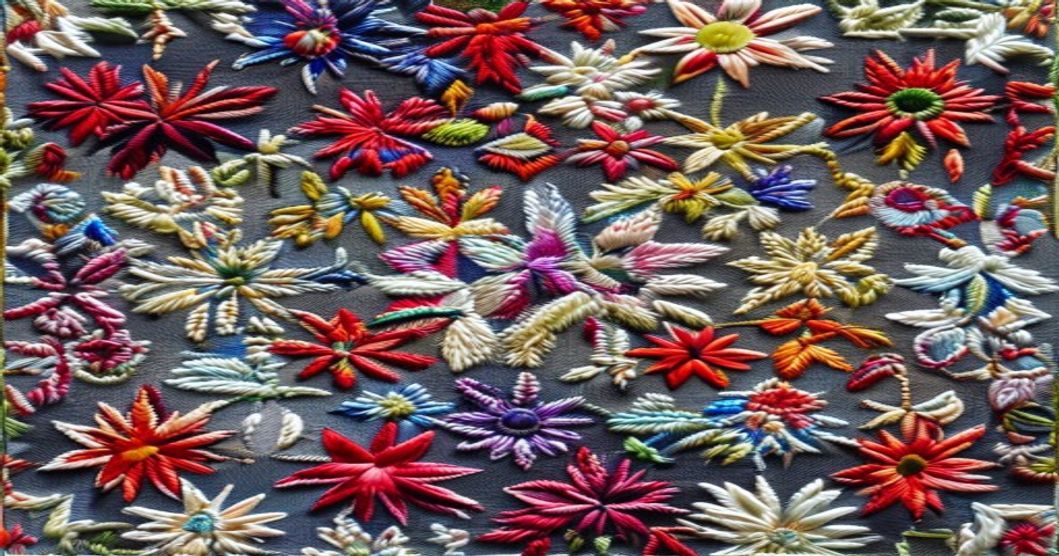
The Symbolism Behind Sami Embroidery Patterns
Sámi embroidery operates as a complex visual language where every stitch carries intentional meaning beyond aesthetic appeal. Historically, these patterns functioned as cultural markers that communicated lineage, territorial affiliation, and spiritual beliefs across the Arctic landscape. Artisans encoded generations of ecological knowledge into geometric compositions, ensuring that traditional wisdom remained accessible through wearable archives rather than written documents.
Circular motifs dominate Sámi textile symbolism, frequently representing the sun or cosmic cycles essential to reindeer pastoralism. The goahti symbol, resembling a traditional dwelling, appears alongside stepped patterns that map migration routes across seasonal pastures. Interlocking diamonds and zigzag lines often denote water bodies, mountain ridges, or protective boundaries drawn against spiritual harm. Cross-shaped arrangements emerged during the Christianization period but were systematically integrated into existing cosmological frameworks rather than replacing indigenous worldviews.
- Red thread signifies life force, blood ties, and the hearth fire that sustains Arctic communities through extreme winters.
- Blue accents represent glacial meltwater, sky transitions, and the liminal spaces between human and animal realms.
- Green yarn maps lichen growth patterns, forest boundaries, and agricultural cycles critical to seasonal resource management.
- White backgrounds mirror snow cover, purity rituals, and the reflective quality of ice that guides reindeer movement.
- Black outlines define structural integrity, mark mourning periods, or represent the polar night when traditional storytelling intensified.
Regional embroidery schools developed distinct symbolic dialects. Coastal Sámi groups incorporated wave patterns and fishing net geometries, while inland herding communities emphasized antler branching structures and migration compass points. Married women’s garments featured dense interwoven symbols indicating fertility and household management, whereas youth pieces contained simpler geometric progressions that demonstrated learning stages. Each pattern required precise thread tension and stitch alignment to maintain symbolic accuracy, making technical mastery inseparable from cultural transmission.
Historical Origins of Sámi Needlework Techniques
The craft of Sámi needlework emerged from centuries of adaptation to the harsh Arctic environment, where functional durability dictated every stitch. Early practitioners worked primarily with reindeer hide and raw wool, materials readily available through seasonal migration routes across Fennoscandia. Before written records existed, pattern transmission relied entirely on tactile memory and oral instruction. Mothers taught daughters how to split sinew into thread, tan leather until pliable, and apply natural dyes extracted from cloudberry leaves, bog myrtle, and reindeer lichen.
Archaeological excavations in northern Norway, Sweden, and Finland have uncovered burial garments dating to the 12th century that display complex geometric motifs executed with remarkable precision. The chain stitch and cross-stitch methods evolved independently from neighboring Finno-Ugric populations but adapted uniquely to Sámi climatic demands. Thick leather required larger needles and reinforced anchor points, while woolen garments demanded tighter tension to prevent wind penetration.
- Regional divergence: Northern Sámi communities favored bold, high-contrast color blocking using madder root and woad, whereas southern groups developed finer cross-stitch work influenced by Norwegian trade networks.
- Craft infrastructure: Traditional workshops operated around the hearth, with tools including bone awls, iron needles forged by local smiths, and wooden stretchers that maintained consistent fabric tension during winter months.
- Historical disruption: 18th-century missionary directives explicitly banned indigenous textile production, labeling geometric patterns as pagan symbols. Craft practitioners responded by concealing instruction within family archives and shifting motifs to less visible garment sections.
Museum collections in Trondheim and Kiruna contain documented examples showing how technical constraints directly shaped aesthetic evolution. Limited dye availability forced artisans into strategic color placement, while the need for rapid garment repair during migration seasons accelerated the development of modular pattern units. These historical parameters established the structural foundation that modern symbolism analysts still reference when decoding contemporary Sámi textile language.
Shamanic Beliefs Embedded in Early Designs
Early Sami textile craftsmanship operated as a direct extension of noaidi practices, where every stitched motif functioned as a ritual conduit rather than decorative filler. Prior to the systematic suppression of indigenous spirituality by Lutheran missionaries in the seventeenth century, embroidered garments and tent coverings served as portable cosmologies. The spiral motifs prevalent in pre-Christian designs mapped the shamanic journey through the three realms: the upper world governed by celestial deities, the middle world of human activity, and the lower world inhabited by ancestral spirits and earth entities. These spirals were deliberate navigational markers used during sieidi ceremonies to guide spirit travel during winter solstice rites. Thread tension and stitch density functioned as diagnostic tools for reading environmental shifts and spiritual disturbances, with practitioners interpreting needle angle variations as omens of herd migration or climatic instability.
Color application followed strict ritual protocols rooted in shamanic dualism and ecological observation. Red threads dyed with lichen or madder represented life force, sacrificial fire, and the vital energy required to penetrate the spirit world during trance states. Black embroidery denoted the boundary between mortality and ancestry, consistently placed along garment edges to create protective barriers against malevolent entities. White sinew thread stitched into dense zigzag patterns symbolized snow cover and spiritual clarity, functioning as a visual counterweight to chaotic forces encountered during prolonged hunting expeditions. The placement of these pigments adhered to directional symbolism, with north-facing seams reinforced by darker threads to block northern winds considered carriers of spiritual corruption.
- Reindeer antler configurations stitched onto chest panels mirrored the animal’s role as a psychopomp, guiding deceased souls to ancestral herds while simultaneously ensuring herd regeneration during spring calving cycles.
- Sun and moon discs positioned at shoulder joints aligned with the wearer’s breath cycle, transforming physical movement into kinetic prayer that maintained cosmic balance during seasonal transitions.
- Protective border motifs incorporating twisted rope patterns and interlocking diamonds created apotropaic fields around vulnerable anatomical zones, specifically the heart and solar plexus, where spirit intrusion was considered most likely during fever states or isolation in hunting camps.
The transmission of these designs occurred through matrilineal apprenticeship systems where pattern memorization doubled as spiritual initiation. Young practitioners learned to decode thread directionality and knot frequency as encoded maps of territorial boundaries and seasonal rituals. Embroidery needles were carved from reindeer jawbone or horsehair, materials selected for their conductive properties in channeling earth energy during ritual stitching sessions. When Christianization accelerated in the eighteenth century, many shamanic functions were deliberately obscured or repurposed into folkloric motifs, yet the underlying structural logic of early designs preserved their original cosmological framework intact, allowing modern researchers to reconstruct pre-contact spiritual geography through textile analysis.
Regional Variations Across Sápmi Communities
The Sámi people inhabit Sápmi, a transnational cultural landscape stretching across northern Norway, Sweden, Finland, and Russia’s Kola Peninsula. Each sub-region developed distinct embroidery conventions shaped by local ecology, historical trade networks, and inter-community contact. In Norwegian Sápmi, particularly Finnmark and Troms, traditional gákti attire features high-contrast palettes dominated by crimson, indigo, and ochre threads against undyed wool. Artisans here favor bold geometric borders that mimic reindeer antler branching patterns and solar discs, motifs historically used to channel protective energy during long winter months.
Coastal groups near Lofoten and Senja adapted their needlework to reflect maritime livelihoods. Wave bands, interlocking fish scales, and anchor-inspired knots appear frequently in ceremonial sashes, diverging sharply from inland pastoral designs. These variations emerged through 18th-century trade exchanges with Norwegian and German merchants, who introduced new thread types and loom techniques that local crafters quickly integrated into their visual vocabulary.
Eastward into Swedish Sápmi, embroidery shifts toward symmetrical layouts and muted botanical palettes. Regions like Jokkmokk and Gällivare incorporate cross-stitch medallions and diamond lattice frameworks influenced by both Scandinavian folk traditions and indigenous reindeer husbandry cycles. The 19th-century introduction of commercial silk threads during royal textile commissions left a lasting mark, with metallic accents later reserved exclusively for wedding attire and seasonal festivals.
Finnish Sápmi communities around Inari and Utsjoki prioritize dense structural stitching over expansive color fields. The rikki technique creates tightly packed geometric bands that frame central symbols like the eight-pointed star or stylized reindeer profiles. Historical reliance on local lichen dyes produced earthy browns and deep purples, while bone needles enabled fine detailing previously unattainable with metal tools.
Kola Peninsula Sami groups maintained isolated preservation practices until the 20th century. Their abstract spiral motifs and continuous line work denote spiritual continuity, land stewardship, and intergenerational memory. Contemporary textile conservators emphasize geographic specificity in restoration projects, preventing stylistic blending that erases regional identity.
Decoding Common Motifs and Their Meanings
Sami embroidery operates as a structured visual lexicon where every stitched element encodes historical, ecological, and spiritual data. Traditional artisans transmitted pattern knowledge through generational repetition rather than written records, making motif recognition critical for cultural continuity. The geometric precision inherent in these designs reflects centuries of adaptation to Arctic conditions, where survival required acute environmental awareness and tight social coordination.
- Sun and Moon Symbols: Circular and semi-circular stitch clusters map celestial movements that dictated seasonal reindeer migrations and hunting windows. These motifs functioned as practical calendars while simultaneously anchoring cosmological beliefs about cyclical time.
- Reindeer Horn Patterns: Curved linear sequences replicate antler anatomy, symbolizing regeneration, sustenance, and the reciprocal relationship between herders and livestock. Subtle variations in horn curvature historically denoted specific family lineages or territorial claims.
- Spiral and Zigzag Configurations: Unbroken spirals trace waterways and energy currents, emphasizing ancestral continuity. Angular zigzags replicate mountain topography or atmospheric discharge, operating as apotropaic elements to deflect environmental threats.
- Vertical Branching Structures: Tree-like formations bridge terrestrial and celestial realms, reinforcing shamanic cosmology. Embroidered on ritual garments, these patterns facilitated spiritual navigation and preserved esoteric knowledge across generations.
Interpretation shifts across Sápmi regions due to localized ecological pressures and historical exchange networks. Coastal groups prioritize wave-like motifs reflecting maritime subsistence, while inland artisans emphasize tundra flora and glacial formations. Modern practitioners preserve the semantic architecture of each motif while adjusting thread materials and stitch density for contemporary applications, ensuring symbolic accuracy remains uncompromised despite technical evolution.
Sun, Moon, and Star Patterns in Sámi Textiles
The sun, moon, and star motifs woven into traditional Sámi textiles function as a visual cosmology that maps ancestral worldview onto everyday garments. These celestial symbols are not decorative afterthoughts but encoded references to seasonal cycles, navigation practices, and spiritual beliefs that sustained Arctic communities for centuries. In reindeer herding societies where daylight hours fluctuate dramatically across latitudes, tracking solar and lunar movements dictated migration routes, hunting schedules, and ritual calendars. Embroiderers translated these astronomical observations into geometric bands using wool, reindeer sinew, and metallic threads, creating patterns that served both functional warmth and metaphysical protection.
Sun symbols typically appear as concentric circles, radiating diamonds, or interlocking hexagons placed prominently on sleeves, chest panels, and hat crowns. The central dot represents the sun’s core, while surrounding angles denote solstice alignments. Lunar motifs employ crescent shapes, often mirrored or paired to indicate waxing and waning phases, frequently positioned along garment hems where movement activates their rhythm. Star configurations usually feature four to six points arranged in starburst formations, sometimes connected by diagonal lines that mimic constellations used for winter navigation. The color palette reinforces astronomical themes: white wool reflects winter snow cover, blue threads reference twilight skies, and red accents symbolize solar fire or volcanic earth energy.
- Coastal Finnmark artisans favor elongated star rows that echo northern sea routes and tidal patterns.
- Inland Tromsö embroiderers integrate tighter sun circles that align with forest canopy light filtration and reindeer grazing cycles.
- Historical textile archives show that specific motif combinations were restricted to certain family lines or ceremonial roles, functioning as visual genealogies rather than generic decoration.
Young women learned pattern construction through tactile repetition rather than written instructions, ensuring each stitch carried generational knowledge. The precision required to maintain symmetry across curved garment surfaces demonstrates advanced mathematical understanding passed down through apprenticeship networks. Modern Sámi designers and cultural institutions actively document these celestial textiles using multispectral imaging and fiber analysis to preserve fading dye formulas and structural techniques. Workshops across Norway, Sweden, Finland, and Russia now teach traditional stitching methods alongside astronomical context, bridging historical craftsmanship with contemporary textile science. Museum acquisitions frequently prioritize garments displaying intact sun-moon-star sequences, recognizing their value as living archives of indigenous ecological literacy. The continued production of these patterns ensures that Arctic cosmological frameworks remain visible within global textile discourse, countering historical erasure through material continuity.
Animal Figures and Their Spiritual Significance
Animal motifs in Sámi embroidery operate as a visual language rooted in ancestral cosmology rather than aesthetic ornamentation. Each creature functions as a conduit for spiritual energy, embedding ecological knowledge and shamanic traditions directly into daily wear. The placement of these figures on duodji garments follows strict cultural protocols that align the wearer with natural forces.
- Reindeer: Central to Sámi survival, reindeer patterns symbolize guidance, resilience, and the cyclical migration routes that define seasonal spirituality. Antlers are frequently rendered in symmetrical configurations to represent balance between the earthly and ancestral realms, with stitch density indicating geographic region.
- Bear: Revered as a shamanic transformer, bear motifs carry protective power and intergenerational wisdom. Older embroidery techniques depict the animal in motion or standing upright to signify spiritual awakening and the ability to navigate hidden worlds, often positioned near garment cuffs to ward off negative influences.
- Birds & Ravens: Avian figures serve as messengers between the physical and spiritual planes. Wing patterns are meticulously mapped to track wind currents and migratory paths, reinforcing the belief that flight bridges cosmic boundaries while marking seasonal shifts in hunting territories.
- Fish & Aquatic Creatures: Water spirits govern fertility and seasonal abundance. Fish motifs often appear in interlocking scales or spirals, encoding knowledge of river systems, migration cycles, and the sacred reciprocity between hunter and prey, with orientation dictating blessing direction.
The stitching technique itself reinforces spiritual intent. Cross-stitch boundaries are deliberately aligned with cardinal directions on the garment, while structural symmetry mirrors natural growth patterns rather than artistic preference. Regional workshops historically restricted certain animal representations to specific lineages, ensuring that knowledge transmission remained controlled and ritually accurate. Contemporary duodji artisans preserve these conventions by cross-referencing historical artifact archives against modern templates, maintaining continuity in how each stitch functions as a recorded prayer, ecological record, and protective barrier within Sámi cosmological practice.
Geometric Shapes Representing Nature and Seasons
Sámi embroidery relies on a precise visual language where angular forms translate environmental observations into wearable archives. Diamonds dominate winter motifs, their sharp intersections mirroring cracked ice and the fragmented sunlight of polar nights. Triangular formations map mountain ridges and reindeer migration corridors, with orientation indicating directional knowledge passed across generations. Zigzag lines function as topographical records, tracing river deltas and glacial melt patterns that dictate seasonal movement. Circular geometry within square frames represents celestial navigation systems, where concentric rings track solstice positions and lunar cycles critical for hunting and herding schedules.
- Winter configurations utilize high-contrast stitching against dark wool bases, encoding survival strategies through dense geometric grids that minimize thread exposure to extreme weather.
- Spring transitions introduce interlocking hexagons and stepped rectangles, symbolizing thawing permafrost and the emergence of lichen pastures. Thread density decreases while color palettes shift toward mineral yellows and oxidized copper greens.
- Summer patterns feature expanded diamond matrices with diagonal cross-stitching that replicates sun-angle calculations used by traditional herders to orient grazing territories.
- Autumn sequences deploy layered trapezoids and nested squares, reflecting harvest cycles and the preparation of migratory routes before snowfall.
Regional dialects manifest through geometric proportion rather than motif variation. Torna embroidery employs compressed polygons with acute vertex angles to denote high-altitude terrain, while Lule tradition expands baseline rectangles to map lowland wetlands. South Sámi artisans integrate broken line segments that simulate wind erosion patterns specific to coastal fjord environments. Each geometric decision requires mathematical precision aligned with ecological monitoring. Thread count adjustments alter perceived depth without modifying the underlying structural framework. The structural integrity of these designs depends on consistent tension control, as uneven stitching distorts the mathematical ratios that encode elevation data and water table depths. Contemporary practitioners maintain these calculations through standardized stitch manuals, ensuring that angular relationships preserve accurate environmental data across geographic boundaries.
How Geography Shapes Sámi Stitch Traditions
The physical landscape across Sápmi directly dictates the structural logic of traditional stitching techniques. Coastal communities with abundant sea grass and softer reindeer hides developed finer, more flexible seams that prioritize wind resistance over heavy insulation. Inland mountain regions demand robust construction. Artisans in these zones utilize tightly packed cross-stitch variations and reinforced backstitches to create garments capable of withstanding sub-zero temperatures, abrasive snow, and constant friction from reindeer hide boots.
Material availability remains the primary geographic constraint. Forested valleys provide access to specific botanical resources that define regional colorways. Lichen harvested from northern birch forests yields pale grey and ochre tones, while berries like cloudberry and crowberry produce deep reds and purples that appear exclusively in southern Sámi territories. The absence of certain plants in the high fell regions forces artisans to rely on mineral-based mordants or historical trade goods, creating distinct visual boundaries between neighboring districts.
- Steep topography isolates micro-communities, allowing stitch tension and motif spacing to evolve independently across single valleys.
- Historical migration corridors influence directional stitching; threads often align with traditional reindeer herding routes, embedding geographical memory into garment seams.
- Proximity to waterways determines dye concentration methods, with river-fed communities developing faster mordanting techniques that produce brighter, more saturated hues.
Geographic isolation also preserves ancient structural patterns. Remote fishing settlements maintain archaic loop-stitch foundations that disappeared in accessible trade hubs. The harsh climate acts as a preservation mechanism; garments requiring constant repair and re-stitching accumulate layered techniques that later generations replicate without alteration. Stitch density directly correlates with environmental severity, where exposed ridgelines necessitate overlapping rows that trap air and repel moisture. Conversely, sheltered basins allow for decorative openwork that would fail in high-wind zones.
Modern geographic realities continue to influence contemporary interpretations. Climate shifts alter traditional dye plant availability, pushing artisans toward historical archival research or synthetic alternatives. Yet the foundational relationship remains unchanged: each tension adjustment, thread twist, and motif placement functions as a topographical record of the land that produced it.
Coastal Versus Forest Community Embroidery Differences
The visual vocabulary of Sámi embroidery diverges sharply between coastal and forest-dwelling populations, reflecting centuries of ecological adaptation and distinct subsistence strategies. Coastal groups, primarily concentrated in Finnmark and the northern Norwegian archipelagos, developed a motif repertoire anchored in marine ecology. Stitching frequently maps wave crests, interlocking fish nets, and stylized boat prows using continuous running stitches that mimic tidal rhythms. The palette relies heavily on indigo, slate gray, and bleached wool derived from seal fat processing, creating high-contrast designs against dark leather bases. These patterns functioned as both practical documentation of fishing routes and ritualistic appeals to sea deities during winter expeditions.
Inland Sámi communities across the boreal zones of Swedish Lapland and Finnish Lapland engineered embroidery systems synchronized with reindeer pastoralism and dense coniferous landscapes. Their geometric frameworks dominate, utilizing sharp angles, interlocking triangles, and stepped borders that mirror mountain ridges and frozen lake boundaries. Reindeer antlers appear as central medallions, while pinecone clusters and snowflake diamonds mark seasonal migration waypoints. Color extraction depended on forest resources: lichen produced ochre yellows, bilberry yielded deep purples, and iron-rich bog mud generated the characteristic Sámi black. The stitching tension remains deliberately looser than coastal variants, allowing garments to flex without tearing during extreme subzero temperatures.
- Geographic Determinism: Coastal motifs prioritize fluid, curvilinear lines representing water currents and fishing nets, whereas forest patterns enforce rigid symmetry reflecting reindeer herd formations and astronomical navigation markers.
- Material Economy: Coastal artisans utilized whalebone needles and hemp thread for saltwater resistance; forest craftsmen forged iron hooks from smelted bog ore and wove spruce root reinforcement into garment seams.
- Ritual Application: Maritime embroidery adorned expedition gear and storm-response hats, while interior designs decorated reindeer-skin sled covers and initiation garments marking youth transitions into herding roles.
Both traditions maintain core Sámi cosmological principles but translate them through region-specific ecological filters. The coastal emphasis on fluid boundaries acknowledges the unpredictable nature of oceanic survival, while forest communities encode spatial memory through repetitive geometric notation. Modern textile archivists recognize these distinctions not as isolated regional quirks but as documented responses to microclimatic pressures and historical trade limitations.
Traditional Tools and Natural Materials in Pattern Creation
The creation of traditional Sami embroidery patterns relies on a highly specialized set of handcrafted instruments and locally sourced organic resources. Artisans historically prepared their workspaces using wooden stretching frames that maintained consistent tension across reindeer leather or heavy woolen fabric. These frames, typically carved from spruce or pine, allowed stitchers to execute precise geometric motifs without distorting the base material. The primary stitching implements consisted of hand-forged iron needles or meticulously polished bone and antler points, each selected for their flexibility and resistance to breakage during prolonged use. Thread preparation demanded equal attention; wool was carded, spun on drop spindles, and plied by hand to achieve uniform thickness before dyeing.
Natural dye extraction formed the foundation of color symbolism in Sami textile art. Artisans harvested lichens such as Rusina decolorans and Cetraria islandica for yellow and ochre tones, while bilberry skins, birch bark, and alder cones produced deep reds and browns. Dye vessels were traditionally copper or iron pots heated over controlled wood fires. The mordanting process utilized alum, iron-rich soil, or fermented urine to fix pigments into the fiber. This meticulous preparation ensured that patterns retained their chromatic integrity across generations of wear.
- Bone and Antler Needles: Smoothed through repeated friction against leather, these tools created clean stitch channels that prevented fraying in dense embroidery zones.
- Hand-Wound Drop Spindles: Regulated spin tension directly influenced thread strength, enabling complex satin stitches to lie flat without puckering the underlying hide.
- Natural Dye Reservoirs: Plant-based pigments bonded at molecular levels with keratin fibers, producing colors that aged gracefully and carried ecological knowledge tied to seasonal harvesting cycles.
- Wooden Stretching Frames: Adjustable tension controls allowed artisans to maintain uniform stitch spacing, a critical factor in translating symbolic geometry into durable textile forms.
The physical characteristics of these traditional implements directly shaped the visual language of Sami patterns. The limited flexibility of hand-spun wool restricted motif curvature, favoring angular designs that reflected landscape features and seasonal migration routes. Tool wear patterns—visible as micro-scratches on bone needles or gradual frame warping—served as generational markers, embedding artisan lineage into each finished piece. Conservation studies confirm that garments crafted with these methods exhibit superior tensile resistance compared to synthetic alternatives, validating centuries of empirical material science. The convergence of precise instrumentation and biologically sourced resources established a self-sustaining craft system where every stitch carried both functional necessity and encoded cultural documentation.
Oral Transmission of Knowledge Across Generations
The preservation of Sami embroidery motifs relies fundamentally on direct pedagogical exchange rather than documented manuals or standardized pattern books. Historical communities lacked written textile codes, making sustained auditory and tactile instruction the primary mechanism for cultural continuity. Elders transmit stitch sequences alongside phonetic labels that encode ecological observations, clan lineages, and cosmological frameworks. Each motif functions as a visual lexicon, but its semantic depth remains accessible only when paired with verbal context. Without spoken explanation, a geometric diamond might appear purely decorative; with oral instruction, it reveals itself as a mapped migration route or a protective spiritual boundary.
Learning environments traditionally center around seasonal gatherings where craft and narrative operate simultaneously. Apprentices absorb technique through repetition while absorbing meaning through storytelling, lullabies, and ritualized recitations. Knowledge holders emphasize that certain patterns carry restricted interpretations tied to family history or ceremonial use. Verbal transmission ensures that these boundaries are respected, preventing misappropriation or dilution of sacred symbolism. The physical act of threading becomes a mnemonic device, anchoring spoken lineage to tangible textile structure.
- Motif Nomenclature: Regional dialects assign specific names to designs, each name containing historical references that guide interpretation and application.
- Ceremonial Context: Oral instruction clarifies when patterns belong to ritual wear versus daily garments, maintaining cultural protocol across generations.
- Ecological Mapping: Spoken descriptions translate landscape features into stitch directions, preserving environmental knowledge lost through urbanization.
Contemporary practitioners recognize that digital archives cannot replicate the nuance of face-to-face instruction. Misaligned stitch tension or incorrect thread direction often signals a breakdown in verbal guidance rather than technical failure. Revitalization programs prioritize elder-apprentice pairings to maintain semantic accuracy. When oral networks fracture, pattern documentation becomes fragmented, losing its connective tissue. Sustained transmission requires active dialogue, ensuring that Sami textile symbolism remains a living system rather than a static visual record.
The cognitive architecture of this tradition depends on auditory reinforcement. Phrasing, rhythm, and tonal variation in elder instruction dictate stitch pacing and motif placement. Younger artisans internalize these vocal patterns until they mirror the original delivery. This phonetic alignment preserves regional distinctions that standardized guides would erase. The craft survives not through replication but through continuous verbal adaptation, allowing symbolism to evolve while retaining its ancestral core.
The Role of Color in Sámi Cross-Stitch Symbolism
Color in Sámi cross-stitch operates as a precise visual language rather than mere ornamentation. Each hue carries centuries of cultural memory, environmental observation, and spiritual meaning. Traditional Sámi needlework relied on locally sourced materials, which naturally restricted the palette while amplifying symbolic weight. The deliberate selection of threads transformed garments into wearable archives of seasonal cycles, reindeer migration routes, and community identity. Pattern designers calculated chromatic distribution to balance visual tension with protective symbolism.
Historical Sámi textiles predominantly featured four core colors, each functioning as a distinct semantic marker. Red dominated traditional patterns because it symbolized vitality, bloodlines, and the life force essential for survival in harsh Arctic conditions. This color frequently appeared along garment borders to protect the wearer from negative spiritual influences. Blue, derived historically from woad or imported indigo, represented water, sky, and the liminal spaces between worlds. Embroiderers used blue to denote wisdom and connection to ancestral knowledge. Yellow signified sunlight, reindeer antlers during molting season, and agricultural prosperity in southern Sápmi regions. Its strategic placement often marked areas of protection or blessing within complex geometric layouts. Black and white threads provided structural contrast while embodying duality concepts central to Sámi cosmology.
- Red threads consistently outline primary motifs, establishing visual hierarchy and spiritual boundaries within each pattern.
- Blue applications typically fill secondary geometric zones, reinforcing continuity between human activity and natural cycles.
- Yellow accents concentrate at intersection points where multiple design elements converge, signaling transformation or seasonal transition.
- Neutral tones serve as negative space, allowing symbolic colors to maintain visual prominence without chromatic interference.
Regional embroidery traditions modified color application according to available resources and cultural priorities. Coastal Sámi communities incorporated deeper indigo shades reflecting maritime trade networks, while inland reindeer herders emphasized earth tones aligned with t
Red Threads and Protective Rituals in Traditional Wear
The deliberate integration of crimson yarn into Sámi traditional garments transcends aesthetic preference, functioning as a coded system of spiritual defense woven directly into daily attire. Historical ethnographic records and contemporary duodji practitioners confirm that red threads serve as active boundary markers against malevolent forces. In pre-Christian Sámi cosmology, the color derived from natural sources like lichens and iron-rich clays carried potent apotropaic properties. Craftswomen did not merely apply these strands randomly; they embedded them at critical anatomical junctions—the wrists, necklines, and waistbands—where cultural belief systems identified the body as most vulnerable to spiritual intrusion.
- Anatomical Placement Strategy: Red threads concentrate on garment edges that require maximum tension and movement. This structural necessity merges with ritual purpose, creating a continuous energetic barrier during physical labor or seasonal migrations.
- Knotting Protocols: Traditional dyadic knot sequences form closed loops that symbolically trap negative influences before they penetrate the wearer’s protective field. Each intersection follows generational stitch counts rather than decorative symmetry.
- Dye Composition & Longevity: Historically, alpine bilberry extracts and copper sulfate mordants produced fast red pigments. The chemical stability of these dyes mirrored the intended permanence of the garment’s spiritual function, ensuring the protective layer degraded slower than surrounding textiles.
Contemporary Sámi artisans maintain that the crimson elements operate within a broader ceremonial framework tied to seasonal transitions and life-cycle events. During winter solstice preparations or birth ceremonies, garments incorporating concentrated red weaving undergo specific blessing sequences performed by elder crafters. The threads do not function in isolation; they interact with silver coin fastenings and reindeer leather bases to form layered defense matrices documented in northern Sámi dialects as suoji systems. Modern textile researchers note that the rhythmic repetition of red thread insertion during garment construction induces a meditative state, aligning the maker’s intention with the wearer’s physical and metaphysical safety. This craft tradition demonstrates how material culture encodes survival strategies into wearable architecture, preserving ancestral knowledge through fiber rather than written records.
Blue and White Motifs in Winter Storytelling
The visual dominance of blue and white in Sámi winter duodji directly mirrors the Arctic environment during polar nights and heavy snowfall periods. These specific chromatic choices were never arbitrary; they functioned as environmental documentation woven into textile form. White threads replicated fresh powder accumulation, while deep blue pigments captured the extended twilight hours over frozen tundra. Historically, artisans achieved these shades through labor-intensive dyeing methods utilizing local lichen extracts, birch bark infusions, and later, traded woad from northern European networks. The pigment preparation required precise temperature control and multiple mordant baths to ensure colorfastness against reindeer grease and subzero temperatures.
- White fill stitches mapped wind-sculpted snowdrifts that concealed or revealed reindeer tracks
- Blue geometric bands traced historical migration corridors used during deep winter hunting expeditions
- Cross-stitch foundations provided structural reinforcement against extreme thermal stress and repeated garment wear
Within Sámi oral traditions, these embroidered compositions operated as tactile memory systems. Elders taught younger generations how pattern density correlated with snow depth readings and ice thickness assessments. The rhythmic repetition of blue diamond shapes aligned with seasonal calendar markers, while white negative space indicated safe travel windows between storm systems. Textile historians note that winter garments featuring exclusively blue and white motifs were restricted to specific ceremonial periods, ensuring chromatic discipline matched ecological reality rather than decorative preference. This deliberate color restriction maintained a direct visual relationship between seasonal survival strategies and cultural textile production.
The storytelling component extends beyond navigation. Blue and white patterns encoded spiritual warnings about thin ice zones and unpredictable wind channels that threatened
Modern Dye Substitutions and Authenticity Debates
The transition from plant-based pigments to industrial colorants represents one of the most consequential shifts in contemporary Sami textile production. Traditional artisans historically extracted hues from reindeer antler ash, cloud lichen, bilberry, and alder bark, each yielding chromatic values that carried specific ecological and spiritual associations within Sápmi. Lichens produced muted grays and ochres tied to winter landscapes, while berry extracts generated crimson tones associated with fertility and life force. Synthetic dyes emerged in the early twentieth century, offering consistent saturation, lower production costs, and superior lightfastness. This practical advantage accelerated adoption among both commercial producers and younger craft practitioners.
Authenticity debates center on whether color composition defines cultural integrity or if pattern geometry and stitching techniques remain the primary carriers of heritage. Purists argue that replacing botanical pigments severs a tangible connection to ancestral knowledge systems and environmental stewardship. The chemical stability of modern azo-based dyes, while commercially advantageous, introduces artificial vibrancy that diverges from the weathered, earth-toned palettes historically dictated by seasonal availability and natural dyeing processes. Conversely, adaptive practitioners maintain that survival of the craft requires economic viability. Mass-produced threads enable broader distribution, supporting contemporary designers who integrate traditional motifs into wearable art without compromising livelihoods.
- Natural-dye verification programs track botanical sourcing to preserve ecological links
- Synthetic alternatives prioritize affordability and color consistency for global markets
- Pattern geometry preservation remains the non-negotiable standard for cultural classification
Cultural institutions and artisan cooperatives have responded through dual-track certification models. Some workshops now offer verified natural-dye collections alongside synthetic alternatives, allowing buyers to distinguish between conservation-grade reproductions and commercially accessible versions. Educational programs emphasize pigment sourcing alongside stitch replication, ensuring that symbolic interpretations remain intact even when material inputs shift. The ongoing tension highlights a broader question in indigenous textile preservation: whether authenticity resides in immutable historical materials or in the continuous, context-sensitive practice of cultural transmission.
Preserving Heritage Through Contemporary Applications
The integration of traditional Sami embroidery motifs into modern design frameworks requires a deliberate balance between aesthetic adaptation and cultural fidelity. Contemporary designers, fashion houses, and textile studios increasingly reference duodji patterns not as decorative afterthoughts, but as structural and symbolic foundations. This shift stems from a broader industry recognition that authentic indigenous craftsmanship carries irreplaceable historical data encoded in stitch density, color progression, and geometric symmetry.
- Sustainable Fashion: Independent brands and heritage textile workshops incorporate hand-embroidered Sami elements using locally sourced reindeer wool and botanical dyes, aligning ancestral techniques with circular economy principles and traceable supply chains.
- Digital Archiving & Controlled Licensing: Indigenous cooperatives and cultural archives now employ multispectral imaging and vectorization to preserve degraded originals while establishing transparent licensing protocols that guarantee revenue returns to source communities.
- Interior & Product Design: Architectural textile firms translate traditional banding motifs into acoustic panels, modular upholstery, and ambient lighting systems, converting nomadic symbolism into functional spatial language without compromising stitch integrity.
Ethical implementation remains the critical differentiator between cultural appreciation and extraction. Successful contemporary applications prioritize direct collaboration with Sami artisans, ensuring profit-sharing models, explicit attribution of motif origins, and adherence to regional crafting protocols. Designers who bypass these frameworks frequently trigger industry scrutiny due to historical patterns being stripped of their clan affiliations, spiritual references, or geographic specificity.
Technological advancement further accelerates preservation efforts without diluting traditional knowledge. Machine learning algorithms now assist in reconstructing fragmented embroidery samples by analyzing stitch trajectories and color relationships across centuries-old garments. Simultaneously, augmented reality applications allow users to scan physical textiles and access layered historical context, including archival recordings of regional dialects associated with specific pattern cycles. Educational programs led by indigenous communities integrate these tools into vocational training, ensuring that technical proficiency in cross-stitch, needle-turn appliqué, and ribbon work passes to younger generations alongside the philosophical frameworks that originally shaped them.
Modern Designers Reinterpreting Sámi Symbols
Contemporary fashion houses and independent creators are systematically deconstructing traditional Sámi motifs to forge new aesthetic languages. Rather than copying historical duodji patterns verbatim, these designers analyze the underlying geometry of reindeer antler curves, the rhythmic repetition of sunstone circles, and the directional flow of mountain ridges. This analytical approach allows for structural adaptation without compromising cultural integrity. Color palettes have shifted dramatically from traditional indigo and crimson bases to muted earth tones, metallic threads, and gradient dyes that align with sustainable textile manufacturing.
Collaboration frameworks have become the industry standard for ethical integration. Many studios now employ Sámi artisans as creative directors or technical consultants during the prototyping phase. This direct knowledge transfer ensures that sacred symbols remain protected while allowing their visual vocabulary to evolve. The result is a collection of garments where traditional border weaving techniques meet laser-cut leather and recycled performance fabrics. Streetwear labels frequently extract the sharp angularity of Sámi knife sheath designs, translating them into modular hardware and structured silhouettes that appeal to younger demographics without diluting original craftsmanship standards.
- Digital pattern mapping combined with hand-stitching workshops enables precise scale manipulation while preserving structural accuracy.
- Archival partnerships with cultural institutions provide verified references, preventing misinterpretation of territorial or spiritual markers.
- Transparent supply chains now trace every contemporary piece back to indigenous craftsmanship networks, linking modern consumption directly to economic sustainability.
This methodological shift transforms cultural heritage from a static reference point into a living design system. By prioritizing technical apprenticeship over superficial extraction, modern practitioners maintain the mathematical precision of Sámi geometry while adapting it for global textile innovation. The outcome demonstrates how respectful reinterpretation strengthens rather than diminishes indigenous artistic legacies. Contemporary ateliers now document every pattern adaptation through version-controlled digital archives, ensuring that each iteration remains traceable to its original cultural source. This documentation standard has become a benchmark for ethical design certification programs worldwide.
Ethical Sourcing and Cultural Appropriation Concerns
The commercialization of Sámi embroidery patterns demands rigorous ethical sourcing protocols to protect Indigenous intellectual property and prevent cultural exploitation. Traditional duodji motifs function as visual records of seasonal migration routes, clan affiliations, and spiritual beliefs within Arctic communities. When external manufacturers replicate these designs without direct authorization, they extract economic value while severing the connection between symbol and meaning. Authentic production requires documented consent from Sámi artisans, transparent wage structures that reflect skill level and materials used, and profit-sharing mechanisms that sustain local weaving cooperatives.
Ethical procurement frameworks must verify supply chains through third-party audits and Indigenous-led certification bodies. Brands implementing these standards typically establish long-term contracts with Sámi craft networks, guaranteeing consistent order volumes that allow artisans to plan production cycles without relying on volatile seasonal tourism markets. Traceability systems now track each embroidered piece from raw reindeer hide preparation to final stitching, ensuring no intermediate distributors claim authorship or obscure origin documentation.
- Direct artisan partnerships eliminate middleman markup and preserve design sovereignty within Sámi communities.
- Pattern attribution requirements mandate explicit naming of originating families, municipalities, or regional craft schools on product labels.
- Cultural context documentation provides consumers with verified historical references rather than speculative interpretations sold as marketing narratives.
Cultural appropriation emerges when commercial entities treat Indigenous motifs as public domain assets available for unrestricted modification. Legal frameworks in Norway, Sweden, and Finland increasingly recognize Sámi embroidery under traditional knowledge protection statutes, yet enforcement remains inconsistent across international e-commerce platforms. Sustainable sourcing therefore depends on proactive compliance strategies: verifying artisan consent through written agreements, rejecting derivative adaptations that distort sacred geometry, and allocating marketing budgets toward community-controlled retail channels rather than fast-fashion replication networks.
Consumer verification tools now include digital provenance certificates linked to blockchain registries maintained by Sámi craft councils. These records confirm each garment’s origin, document fair-trade compensation rates, and archive the specific symbolic meaning attached to recurring elements such as sun wheels, reindeer antlers, or mountain ridges. Adopting this level of transparency transforms purchasing decisions into measurable support for cultural continuity rather than passive consumption of extracted heritage.
Digital Archives and Educational Workshops Keeping Patterns Alive
Traditional Sami embroidery techniques face irreversible loss without systematic preservation strategies. Digital archives address this through multi-spectral imaging, vector pattern mapping, and standardized metadata protocols that capture stitch density, thread composition, and regional motif variations. Institutions deploy non-invasive scanning equipment to document historical textiles without altering fragile fibers. Colorfastness testing protocols verify pigment stability, while fiber microscopy documents natural dye extraction methods specific to lichen and berry processing. Each archived piece receives structured tagging aligned with international museum standards, enabling cross-referencing across collections and facilitating academic research. Open-access repositories remove geographical barriers, allowing researchers and artisans worldwide to study authentic designs without physical travel.
- High-resolution digitization preserves thread tension and weave geometry for technical analysis
- Geographic information systems map motif distribution across historical migration routes
- Linked data frameworks connect archival records to contemporary crafting communities
Educational workshops transform static archives into living practice. Instructors structure programs around progressive skill acquisition, beginning with fundamental stitching techniques before advancing to complex geometric arrangements and color theory applications. Master artisans guide participants through tactile exercises that emphasize hand positioning, needle angle, and material selection. Curriculum development incorporates historical context alongside technical instruction, ensuring learners understand the cultural significance embedded in each design element. Assessment matrices evaluate geometric precision against historical templates, ensuring accurate replication of traditional border configurations and central medallion placements. Certification pathways establish standardized competency benchmarks while maintaining regional authenticity.
Workshop architectures prioritize intergenerational knowledge transfer through structured mentorship cycles. Participants engage in comparative analysis between archival specimens and contemporary interpretations, identifying structural adaptations required for modern material availability. Community-led initiatives distribute training resources across remote settlements using mobile fabrication studios equipped with portable looms and digitized pattern projections. These programs generate iterative feedback loops where practitioners contribute updated techniques back to institutional databases, creating a dynamic preservation ecosystem rather than a static repository.
Frequently Asked Questions
What is The Symbolism Behind Sami Embroidery Patterns?
The symbolism behind Sámi embroidery patterns stems from their deep cultural, spiritual, and environmental roots. Traditional motifs often represent elements of nature like reindeer, snowflakes, stars, and the northern lights, symbolizing harmony with the Arctic landscape. Geometric shapes and colors also convey messages about clan identity, social status, protection against evil spirits, and connections to ancestral traditions passed down through generations.
Key facts about The Symbolism Behind Sami Embroidery Patterns
Key facts include: (1) Sámi embroidery is traditionally done by women on clothing like gákti to denote regional origin and marital status. (2) Specific colors hold meaning—blue often represents the sky, red symbolizes vitality or bloodlines, and black signifies protection. (3) Patterns are rarely decorative alone; they function as a visual language recording history, beliefs, and environmental knowledge. (4) Modern Sámi artists continue to adapt these symbolic motifs to preserve cultural heritage while addressing contemporary issues.