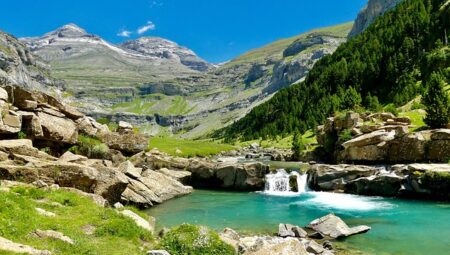
Picture this: vast, pristine lands, rich with reindeer herding traditions that date back thousands of years. Now, envision those lands intersected by roads, mining operations, and wind farms, each development pulling at the threads of Sami culture. It’s not just about losing land; it’s about losing a way of life, a vibrant tapestry woven through generations. These conflicts arise when external interests prioritize profit over tradition, leaving Sami communities to defend their rights against giant corporations and government policies.
Have you ever been part of a heated debate over property? Now, multiply that by the emotional weight of ancestral heritage and community survival. The Sami find themselves caught between the modern world’s demands and their deep-rooted connection to the land. As they navigate this turbulent sea, they face challenges that threaten their identity and livelihood—raised voices, legal battles, and public protests become their tools of resistance.
Struggle for Survival: How Land Use Conflicts are Displacing Sami Communities

Picture this: vast reindeer herds roaming over pristine landscapes, a culture deeply intertwined with the land and its resources. For the Sami, these aren’t just economic assets; they embody their identity and heritage. Unfortunately, as mining companies erect fences and sprawling infrastructure projects take over, the fragile balance is shattered. Have you ever felt the ground shift beneath your feet? That’s the exact sensation the Sami are grappling with as they find themselves pushed further from traditional hunting grounds and herd migration paths.
The ripple effects of these land use conflicts are profound. Families are torn apart, sacred practices are threatened, and the very fabric of Sami life is fraying. It’s not just about land; it’s about losing a sense of belonging, a way of life that has been nurtured for centuries. This struggle isn’t just a local issue, either. It echoes globally, reminding us of the intricate ties between Indigenous rights and environmental stewardship.
As we dive deeper into this topic, we’re compelled to ask: what can be done to mend these fractured relationships? Can policies change to respect the rights and traditions of the Sami? Or are we simply watching a story of resilience amid relentless pressure from modernity unfold? The future remains uncertain, but one thing is crystal clear—the struggle for survival continues for the Sami communities, and their voice is one we must all hear.
Sacred Grounds: The Clash between Sami Heritage and Industrial Development
The clash between Sami heritage and industrial development isn’t just about land; it’s intertwined with identity, tradition, and the very essence of what it means to belong. Picture this: vast fields sprouting wind farms and mines, their towering structures overshadowing centuries-old ancestral roots. The Sami depend on reindeer herding, fishing, and foraging—ways of life closely linked to their unique environment. Industrial encroachment disrupts not only their livelihoods, but the delicate ecosystems they’ve nurtured over generations.
Consider a family of reindeer herders waking up one day to the roar of machinery instead of the serene whispers of the wind. That’s the reality for many Sami communities as they confront decisions that seem to pit progress against preservation. Some argue that development brings economic opportunities, while others fervently insist that no amount of money can replace the loss of cultural heritage.
As we navigate these tumultuous waters, it’s essential to recognize that these aren’t just abstract concepts; they’re real lives hanging in the balance. We have to ask ourselves: how can we create spaces where both Sami heritage and industry coexist harmoniously? The answer might require innovative thinking, respect for indigenous rights, and most importantly, listening—to the land and to its people. In the landscape of conflict and compromise, perhaps a brighter path can emerge, one that honors the past while cautiously stepping into the future.
Balancing Traditions and Progress: The Sami Fight Against Land Use Conflicts
It’s like watching a tug-of-war, where one side holds onto cherished traditions while the other pushes for progress. Can you blame them? The Sami aren’t just fighting for land; they’re defending their identity, their culture, and their very way of life. Picture your childhood home being threatened by a giant construction crew—it’s more than just a location; it’s a piece of who you are.
Now, consider this: how do you balance the need for progress with the weight of tradition? The Sami are tackling this dilemma head-on, advocating for their rights and raising awareness about their unique relationship with the land. They’re not just passive bystanders; they’re passionate activists, turning to the courts and media to make their voice heard.
Voices of Resilience: Sami Communities Stand Up Against Encroaching Industries
The Sami, often referred to as reindeer herders, embody a rich history that intertwines with nature. They’ve been guardians of the Arctic for centuries, navigating the harsh elements while keeping their traditions alive. But with mining, logging, and industrial projects creeping into their territories, it feels like they’re at a crossroads. What would you do if your way of life was threatened? For them, it’s not just about reindeer herding; it’s about preserving a culture that’s been passed down through the ages.

Think of the Sami as the canary in the coal mine. Their struggles are warning signals for the rest of us about the dire consequences of unchecked industrial expansion. You can practically hear them saying: “Not on our watch!” With traditional knowledge and modern strategies, they’re banding together, using their voices to demand accountability from both governments and corporations. It’s a vibrant tapestry of activism, woven with threads of storytelling and connection to the land.
Divided Lands: The Impact of Mining and Forestry on Sami Way of Life
Imagine the crunch of snow beneath your feet and the distant sound of reindeer bells—this is a soundscape that has resonated through generations. Yet, with mining operations mushrooming and vast swathes of forest disappearing, that sound is at risk of being drowned out by machinery and the clatter of chainsaws. You might wonder, how does this transformation affect the Sami? It’s like trying to dance in a room being constantly rearranged; every familiar step becomes a challenge.
Mining can disrupt traditional reindeer migratory paths, confusing the animals and pushing them away from their grazing grounds. Picture a family of reindeer lost in a labyrinth of industrial development, struggling to find their way back home. Meanwhile, forestry practices often strip the land of vital resources, disrupting the delicate balance that sustains the Sami’s lifestyle. Imagine the landscape being likened to a puzzle missing essential pieces—every cut tree and every open pit leaves a void.
Frequently Asked Questions
What solutions exist to resolve land use conflicts affecting Sami communities?
Various solutions to resolve land use conflicts affecting Sami communities include the establishment of legal frameworks that recognize indigenous land rights, the involvement of Sami representatives in decision-making processes, and the implementation of co-management agreements for land and resources. Additionally, promoting awareness and dialogue among stakeholders can help to address concerns and find mutually beneficial solutions.
What are the main causes of land use conflicts for Sami communities?
Land use conflicts for indigenous Sami communities primarily stem from competing interests in land and resources, particularly related to forestry, mining, and agriculture. These conflicts often arise due to exploitation of natural resources, climate change, and encroachment by non-indigenous entities, which threaten traditional livelihoods and cultural practices. Additionally, legal and political frameworks may inadequately protect Sami rights, exacerbating tensions over land ownership and usage.
How are external parties contributing to land use conflicts in Sami territories?
External parties contribute to land use conflicts in Sami territories by engaging in activities such as industrial development, resource extraction, and tourism. These actions often disregard Sami land rights and cultural heritage, leading to disputes over land ownership and usage. Tensions arise as external interests prioritize economic gains over the preservation of Sami traditions and ecosystems, resulting in significant social and environmental challenges for the community.
What rights do Sami communities have regarding land use?
Sami communities have specific rights related to land use, including the right to use traditional lands for hunting, fishing, and reindeer herding. These rights are often protected by national and international laws aimed at preserving indigenous cultures and ensuring their involvement in decisions affecting their ancestral territories.
How do land use conflicts impact the traditional lifestyles of the Sami?
Land use conflicts significantly disrupt the traditional lifestyles of the Sami by encroaching on their grazing lands and sacred sites. These conflicts arise from competing interests, such as agriculture, mining, and infrastructure development, leading to loss of access to essential resources like reindeer pastures. As a result, the Sami face challenges in maintaining their cultural practices, economic activities, and social structures, ultimately threatening their identity and way of life.