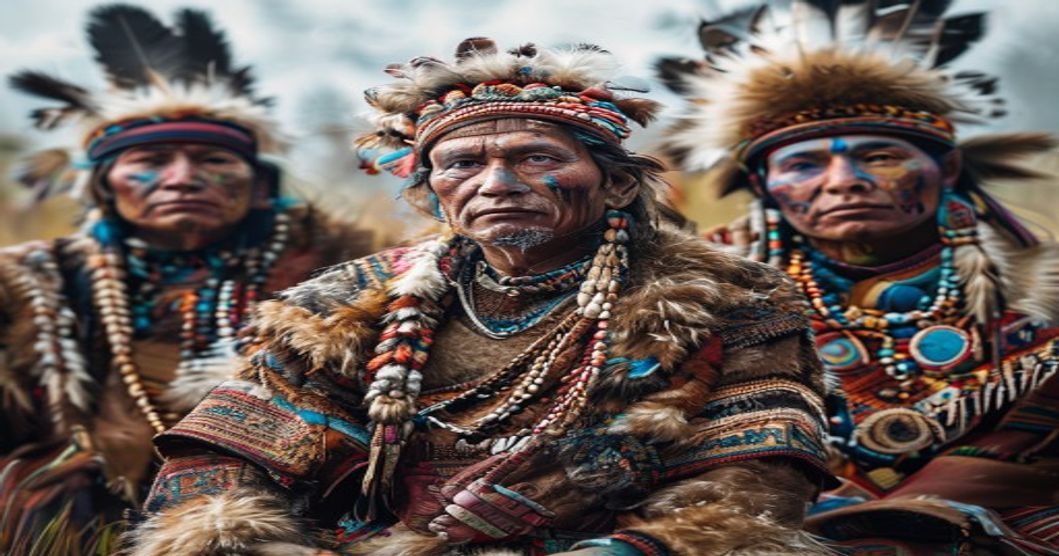
Sami Traditions Compared to Native American Tribes: A Comprehensive Cultural Analysis
The indigenous peoples of Sápmi and the diverse Native American nations share foundational elements rooted in deep ecological reciprocity, yet their cultural expressions diverge significantly due to distinct geographical contexts and historical trajectories. Both groups developed complex survival strategies adapted to extreme environments, but the Sami relied predominantly on transhumant reindeer husbandry across boreal and arctic tundra zones, while Native American tribes cultivated varied subsistence models ranging from Pacific Northwest salmon fishing and Great Plains bison hunting to Southwestern agriculture and Eastern Woodlands foraging.
Shamanic practices and animistic worldviews form a critical intersection in these traditions. Sami noaidi conducted rituals using drums, joik chants, and seasonal sacrifices to maintain balance with reindeer herds and landscape spirits. Similarly, many Native American tribes utilized vision quests, sweat lodges, and drum circles to communicate with ancestral forces and natural elements. Despite parallel spiritual frameworks, Sami cosmology emphasized cyclical migration patterns tied to solar radiation and lichen availability, whereas tribal cosmologies often centered on geographic landmarks, river systems, or mountain ranges as sacred anchors.
- Land Stewardship Models: Sami reindeer management required precise ecological forecasting across international borders, while Native American land use varied by biome, incorporating controlled burns, terracing, and seasonal resource rotation.
- Linguistic Preservation: Both groups face language extinction pressures, yet revitalization approaches differ. Sami communities utilize standardized orthographies and Nordic institutional support, whereas Native American tribes often prioritize community-led immersion programs and digital archiving.
- Cultural Resilience Mechanisms: Historical marginalization led to parallel resistance patterns, including legal sovereignty battles, treaty negotiations, and contemporary artistic movements that reclaim ancestral narratives through film, textile arts, and participatory governance.
Contemporary cultural continuity depends on intergenerational knowledge transfer rather than museum preservation. Sami duodji craftsmanship encodes climate adaptation data, just as Native American basketry and beadwork document territorial boundaries and seasonal cycles. Both traditions demonstrate how indigenous epistemologies function as living scientific systems, integrating empirical observation with spiritual governance. Sustainable future pathways require recognizing these frameworks as complementary rather than comparable, acknowledging distinct colonial histories while honoring shared commitments to ecological equilibrium and cultural sovereignty.
Geographic Foundations and Historical Migration Patterns
The Sámi ancestral territory, known as Sápmi, stretches across the northern latitudes of Norway, Sweden, Finland, and Russia’s Kola Peninsula, characterized by subarctic tundra, boreal taiga, glacial valleys, and extensive coastal fjord systems. This landscape imposed strict ecological boundaries that dictated resource availability, seasonal temperature shifts, and long-term settlement viability. Indigenous nations across North America occupy a vastly different geographic spectrum, ranging from the Arctic archipelagos of Alaska and northern Canada to the temperate rainforests of the Pacific Northwest, the Great Plains grasslands, and the high desert basins of the Southwest. These divergent topographies established separate environmental frameworks that directly influenced subsistence logistics, territorial boundaries, and intergenerational knowledge transmission.
Archaeological stratigraphy, paleogenomic sequencing, and oral historical records confirm distinct migration timelines for both populations. Sámi ancestors entered the Fennoscandian region during the early Holocene, tracking retreating permafrost margins and following coastal refugia as post-glacial ecosystems matured. Their movement progressed gradually southward along established river corridors and maritime routes, adapting to shifting boreal forest boundaries and lichen-dominant tundra zones over several millennia. Conversely, Indigenous peoples of the Americas originated from repeated dispersals across the Bering Land Bridge, with initial groups navigating southern coastal pathways and later interior ice-free corridors between fifteen thousand and twenty thousand years ago. These populations expanded rapidly across varied biomes, resulting in profound linguistic, technological, and ecological differentiation as communities adapted to localized climate regimes and resource distributions.
- Sámi mobility relied on transhumant reindeer husbandry, requiring precise navigation of seasonal pastures, snowpack stability, and predator avoidance routes across continuous subarctic terrain.
- Native American seasonal movement patterns integrated hunting grounds, fishing weirs, berry harvesting zones, and early agricultural plots, calibrated to microclimates and altitudinal gradients.
- Both groups utilized river systems, mountain passes, and coastal inlets as primary transit networks for trade, inter-community exchange, and ceremonial gatherings.
- Geographic isolation in fragmented landscapes accelerated dialect divergence, tool standardization, and spiritual cosmologies tied to specific watersheds, rock formations, and migration corridors.
Environmental constraints functioned as the primary catalyst for cultural adaptation. The Sámi developed lightweight sleds, insulated dwellings, and specialized leather processing techniques to navigate frozen wetlands and dense snowfall periods. Indigenous North American societies engineered longhouses, pit houses, tipis, and kivas based on available timber, stone, and soil composition, while developing irrigation networks in arid regions and salmon preservation infrastructure along Pacific coastlines. These geographic adaptations did not merely reflect survival strategies; they structured kinship obligations, seasonal labor division, and territorial sovereignty claims that persisted through colonial boundary enforcement and forced resettlement policies.
Modern land-use conflicts and climate-driven ecosystem shifts continue to test the resilience of these historical mobility frameworks. Permafrost thaw alters Sámi reindeer grazing routes, while altered precipitation patterns disrupt traditional salmon runs and plant harvesting cycles for Indigenous communities. Understanding the original geographic foundations and migration trajectories provides essential context for contemporary land rights negotiations, cultural preservation initiatives, and sustainable resource management strategies across northern latitudes and North American territories.
Core Philosophical Parallels in Indigenous Worldviews
Sami and Native American cosmologies converge on a foundational relational ontology that fundamentally rejects subject-object dualism. Both epistemological frameworks position human existence as inextricably woven into reciprocal ecological networks where agency flows across species, landscapes, and atmospheric systems. The Sami understanding of luonddu treats reindeer herds, lichen beds, mountain ridges, and seasonal winds as active participants in communal survival, directly paralleling the Native American animistic principle that all entities possess personhood and communicative capacity. This ontological alignment generates identical ethical imperatives regarding land stewardship: extraction yields spiritual imbalance, while reciprocal exchange sustains both material subsistence and cosmological harmony.
- Performative Knowledge Transmission: Sami joik structures encode topographical data, migration patterns, and genealogical lineages through melodic contour and rhythmic repetition. Native American drum circles and chant traditions operate through identical mechanisms, transforming geographic orientation and ecological observation into auditory archives that bypass written documentation entirely.
- Kinship-Based Resource Ethics: The Sami siida system of communal reindeer management and the Native American seven-generation sustainability principle both mandate governance structures where decision-making authority distributes across elders, hunters, and spiritual practitioners rather than concentrating in centralized hierarchies.
- Legal Philosophical Overlap: Both traditions legally recognize rivers, forests, and animal populations as rights-bearing entities. Contemporary environmental jurisprudence frequently cites these overlapping frameworks to challenge property-based economic models, demonstrating how indigenous legal philosophies treat ecological systems as kin rather than commodities.
Seasonal observation cycles form the methodological backbone of both philosophical architectures. Sami weather prediction relies on micro-climatic indicators observed over centuries, mirroring Native American phenological tracking that aligns agricultural and hunting schedules with biological rhythms. This shared reliance on embodied empirical validation creates parallel resistance to externalized knowledge systems that prioritize abstraction over lived ecological experience. The convergence stems from independent epistemological problem-solving in high-latitude environments where survival demands precise atmospheric literacy. Both cultures maintain spiritual equilibrium through ritual reciprocity, where offerings, fasting periods, and seasonal ceremonies function as regulatory mechanisms for resource distribution and social cohesion. Philosophical inquiry within both traditions remains inherently pragmatic, measuring truth against ecological feedback loops rather than abstract metaphysical speculation.
Shamanic Practices and Ancestor Veneration
The Noaidi of the Sami people and Native American medicine practitioners share a foundational belief that healing, divination, and community guidance require direct engagement with non-physical realms. Both traditions utilize rhythmic drumming to induce trance states, though the Sami drum functions as a cosmographic map rather than a mere ritual instrument. Its painted panels depict the upper, middle, and lower worlds, complete with spirit helpers, ancestral figures, and mythic animals. Native American drumming, while also central to ceremony, typically accompanies singing, dancing, and communal prayer without encoding geographic or spiritual cartography on the instrument itself.
Ancestor veneration operates as a living dialogue in both cultures. Sami communities historically consulted drum inscriptions to trace lineage, interpret omens, and maintain reciprocal relationships with departed relatives who were believed to influence reindeer migration, weather patterns, and hunting success. Similarly, many Indigenous North American nations maintain sacred bundles containing personal or tribal artifacts that embody ancestral presence. These bundles are ritually opened during gatherings, and offerings such as tobacco, cedar, or buffalo hair are made to honor those who preceded the living.
Both traditions reject the notion of death as final separation. Instead, they frame ancestry as an active ecological and spiritual force. The Sami concept of sieidi—sacred natural formations—often served
Sacred Landscapes and Seasonal Ritual Cycles
The spiritual frameworks of both the Sami people of northern Fennoscandia and diverse Native American nations emerge directly from intimate observation of their respective terrains. Rather than treating territory as a resource to be owned, these indigenous systems position the land as an active participant in daily survival and cosmological order. Geographic features dictate ritual timing, while ecological shifts trigger ceremonial responses that reinforce community cohesion and environmental reciprocity.
Sami seasonal movement follows strict transhumant patterns tied to reindeer herds across tundra, taiga, and coastal zones. Winter darkness prompts gatherings around central hearths where elders transmit oral histories through joik performances, a vocal technique designed to emulate animal calls, wind patterns, and topographical contours. As polar night yields to spring light, communities conduct sun-return rites at stone alignments, offering smoked reindeer meat to mountain spirits while tracking the first calving grounds. Summer solstice celebrations feature drum circles that map celestial navigation onto local watersheds, ensuring migration routes remain unobstructed by overgrazing or territorial encroachment.
Native American ceremonial calendars operate on equally precise ecological triggers, though geographic diversity produces distinct regional variations across the continent. Plains tribes time bison harvest rituals with summer thunderstorms that replenish grasslands, using sacred bundles to honor animal spirits before the first drive. Desert nations conduct rain ceremonies aligned with monsoon onset, chanting to mountain deities while constructing temporary shrines from local flora. Pacific Northwest coastal communities mark salmon runs with harvest rites that balance extraction with return offerings, ensuring waterways sustain both human and orca populations through autumn months.
- Both cultural systems synchronize ritual intensity with astronomical markers rather than fixed calendar dates
- Erosion patterns, tree ring thickness, and animal behavior serve as primary indicators for ceremonial timing
- Land degradation historically triggered immediate communal mourning and adaptive ritual modification
The methodological divergence lies primarily in scale rather than philosophical foundation. Sami rituals concentrate on micro-ecological feedback loops within subarctic biomes, while Native American ceremonies span continental watersheds and migratory corridors. Despite these geographic distinctions, both traditions maintain that sacred geography requires active maintenance through repeated ceremonial engagement. Modern conservation frameworks increasingly recognize this indigenous land ethic as a functional model for sustainable resource management.
Livelihood Systems and Environmental Adaptation Strategies
The Sami people and diverse Native American nations engineered livelihood systems through intensive environmental adaptation, each calibrated to extreme ecological parameters. Sami reindeer herding operated across subarctic tundra and boreal forests, relying on multi-generational migration calendars that synchronized with lichen growth cycles, calving windows, and predator avoidance patterns. Herders navigated frozen terrains using wind indicators, snow crust density, and avian flight paths. This transhumant model extracted maximum utility from a single species: antlers yielded carving tools, hides formed insulated garments and lavvu coverings, and blood mixed with fat created preservation pastes for winter sustenance.
- Sami communities maintained pasture rotation through herd dispersal techniques that prevented localized overgrazing during short Arctic growing seasons.
- Specialized handling protocols minimized stress on reindeer, ensuring consistent milk yields and healthy migration stamina across hundreds of miles.
Native American subsistence strategies fractured into hyper-localized biomes rather than a single migratory model. Great Plains nations utilized bison drive systems and seasonal processing camps that converted massive herds into dried meat, marrow, and pemmican through controlled fire and wind-drying techniques. Pacific Northwest coastal groups engineered cedar-framed tidal traps and permanent smokehouses to capture anadromous fish runs, while Southwestern civilizations excavated canal networks for drought-adapted maize and cotton cultivation. Northeastern woodland populations managed forest succession through prescribed burning and wildcrafting protocols that enhanced game reproduction rates.
- Both cultural frameworks embedded strict kinship-based harvest quotas that dynamically adjusted based on seasonal yield data and ecological stress indicators.
- Environmental monitoring relied on phenological tracking, requiring precise identification of plant flowering stages, insect emergence patterns, and atmospheric pressure shifts.
Sustainability in these systems stemmed from treating resource extraction as a reciprocal obligation rather than an industrial output. The Sami prevented tundra degradation through continuous herd movement, while Indigenous North American groups maintained soil microbiome health via controlled burn cycles and fallow periods. Contemporary land-management research validates that these traditional adaptation strategies outperformed early agricultural models in carbon sequestration, biodiversity preservation, and long-term yield stability across fluctuating climate conditions.
Reindeer Herding Versus Continental Hunting Economies
The economic foundations of Sami reindeer herding and Native American continental hunting economies diverge fundamentally in their relationship to animal domestication, spatial organization, and resource distribution. Sami pastoralism emerged as a highly specialized form of transhumance, where controlled breeding, selective culling, and seasonal migration patterns transformed wild Rangifer tarandus populations into managed livestock. This system required precise knowledge of lichen availability, calving grounds, and predator navigation, enabling the Sami to extract consistent protein, fat, and raw materials without depleting natural regeneration cycles. Wealth accumulation in Sami communities historically correlated with herd size, driving social structures centered on intergenerational livestock inheritance and cooperative labor networks during slaughter seasons.
In contrast, continental hunting economies operated through mobile foraging strategies adapted to distinct biomes across North America. Plains tribes followed bison migration corridors, utilizing wind patterns and terrain knowledge to execute seasonal mass drives. Subarctic groups tracked caribou herds using snow tracking techniques and portable shelters, while Pacific Northwest communities developed stationary fisheries infrastructure that capitalized on salmon runs without domestication. These economies prioritized resource rotation over accumulation, distributing meat through kinship networks rather than market exchange mechanisms.
- Spatial Management: Sami herders maintained fixed seasonal ranges spanning hundreds of kilometers, whereas Native hunting groups utilized expansive territorial circuits that shifted based on wildlife density and climatic variables.
- Demographic Control: Reindeer populations were regulated through selective slaughter and veterinary intervention, while continental hunters adjusted harvest intensity to match natural population fluctuations.
- Economic Output: Herding generated predictable surplus stores through fat rendering and antler harvesting, contrasting with the variable yields of hunting economies that required extensive preservation techniques like pemmican production and hide curing.
Ecological carrying capacity dictated the sustainability of both systems. Sami reindeer herds operated within defined grazing thresholds to prevent lichen overgrazing, requiring rotational pastures that mirrored modern range management principles. Continental hunting groups maintained ecological balance through spiritual protocols governing harvest limits, seasonal taboos, and territorial reciprocity agreements between neighboring bands. The absence of animal domestication in most Native economies fostered adaptive flexibility, allowing communities to shift subsistence focus between megafauna, small game, and plant resources during population collapses or climatic shifts.
These contrasting models demonstrate how environmental constraints shaped distinct economic architectures. Pastoral herding enabled long-term territorial claims through livestock anchoring, while continental hunting economies preserved ecological resilience through mobility and distributed risk management. Both systems required sophisticated faunal biology knowledge, yet their operational frameworks reflected fundamentally different approaches to human-animal-economic integration.
Social Organization and Governance Structures
The Sami social framework historically revolved around the siida, a geographically defined and self-sufficient community unit centered on reindeer husbandry, fishing, and hunting. Unlike centralized states, Sami society operated through decentralized kinship networks where land use rights and resource allocation were determined by seasonal migration routes rather than fixed territorial borders. Authority within the siida rested with experienced herders and elders who facilitated collective decisions regarding grazing patterns, camp relocation, and inter-community disputes. Leadership emerged organically based on demonstrated ecological knowledge, economic success, and conflict resolution skills rather than hereditary succession. Spiritual practices remained deeply embedded in daily governance, with traditional intermediaries historically mediating between human needs and environmental forces.
- Semi-autonomous siida units coordinated through seasonal assemblies
- Kinship ties dictated labor distribution and inheritance protocols
- Economic specialization emerged alongside generalized resource sharing
- Dispute resolution relied on public dialogue and restitution rather than punitive measures
Native American governance models exhibited comparable adaptive flexibility but manifested through more formalized clan structures and council-based political systems. Many tribes organized society along matrilineal or patrilineal lines, with lineage groups controlling land stewardship, ceremonial responsibilities, and diplomatic representation. The Iroquois Confederacy exemplified advanced political integration, utilizing a constitutional framework that balanced tribal sovereignty through a council of sachems who required unanimous consensus before implementing collective policies. Leadership selection often incorporated spiritual validation, ecological expertise, and demonstrated service to community welfare. Resource management operated through seasonal rounds and territory-specific protocols that mirrored Sami migration patterns but were frequently anchored to fixed ancestral territories rather than nomadic corridors.
- Clan-based political representation structured diplomatic negotiations
- Elder councils maintained oral legal traditions and constitutional continuity
- Spiritual authorities governed ceremonial calendars and ecological taboos
- Consensus mechanisms prioritized long-term relational harmony over individual authority
Comparative analysis reveals convergent adaptive strategies despite distinct ecological contexts. Both systems rejected hierarchical domination in favor of reciprocal obligation networks that synchronized human activity with environmental cycles. Governance remained inherently participatory, with decision-making processes calibrated to preserve community cohesion during resource fluctuations. Contemporary institutional transitions have altered traditional frameworks, yet underlying principles of collective stewardship and kinship-based accountability continue shaping modern cultural revival movements across both regions.
Clan Lineages and Leadership Dynamics
Historical kinship networks among the Sami operated through localized family clusters rather than centralized tribal hierarchies. Clan identities emerged from shared reindeer herding routes, seasonal migration corridors, and intergenerational knowledge transfer. Authority rested with elder councils and household heads who negotiated resource allocation during regional assemblies. Lineage determined territorial usage rights, marriage eligibility, and conflict mediation protocols. Succession followed pragmatic adaptation to ecological shifts, with leadership roles shifting based on demonstrated expertise in navigation, weather prediction, and livestock management.
Native American clan systems across the Plains, Southwest, and Woodlands developed more institutionalized lineage frameworks. Matrilineal structures predominated among Pueblo and Iroquoian peoples, while patrilineal descent governed many Plains confederacies. Clan membership dictated occupational specialization, ceremonial responsibilities, and political representation. Leadership transitions typically followed hereditary lines or council elections, with authority validated through communal consensus and ritual endorsement. Spiritual figures operated parallel to civil governance, maintaining distinct domains of influence.
- Descent Patterns: Sami kinship emphasized bilateral flexibility aligned with nomadic mobility, whereas many Indigenous North American groups enforced strict unilineal descent rules to preserve land claims and ceremonial lineages.
- Decision-Making: Sami governance relied on consensus-building during seasonal gatherings, while Native American political structures frequently utilized formal council chambers or chiefdom hierarchies with codified succession protocols.
- Spiritual-Secular Integration: Both traditions recognized ancestral guidance as foundational to authority, yet Sami noaidi functioned primarily as ritual specialists without administrative power, contrasting with Indigenous leaders who often merged political command with spiritual stewardship.
The ecological demands of Arctic subarctic environments produced decentralized Sami kinship networks optimized for rapid adaptation. Conversely, agricultural and territorial stability in North American regions fostered complex clan institutions designed to consolidate intergenerational wealth and diplomatic alliances. Both systems prioritized collective survival through structured lineage accountability, yet diverged in institutional rigidity and political centralization.
Consensus Based Decision Making and Community Cohesion
The Sami siida governance model and traditional Native American tribal councils operate on fundamentally similar principles of consensus-driven leadership, where collective harmony outweighs individual authority or simple majority voting. In both cultural frameworks, decisions regarding resource allocation, seasonal migrations, or conflict resolution require extended deliberation until all stakeholders reach mutual agreement. This process demands active listening, patience, and the integration of diverse perspectives before any action proceeds.
- Sami elders facilitate dialogue through gula gatherings, where reindeer herding routes, grazing boundaries, and communal disputes are addressed through iterative discussion until natural alignment emerges.
- Many Native American nations, including the Haudenosaunee Confederacy and Pueblo communities, utilize council fires where representatives speak in rounds, ensuring every voice receives equal consideration without interruption or coercion.
Community cohesion in both systems stems from shared ecological responsibility rather than administrative control. The Sami measure success through reindeer herd vitality and tundra sustainability, while Indigenous North American groups evaluate stability by water purity, game population health, and intergenerational knowledge continuity. Neither culture relies on top-down mandates; instead, authority emerges organically from demonstrated wisdom, spiritual alignment, and proven stewardship.
Colonial imposition of Western voting structures historically disrupted these consensus mechanisms, yet both cultures have preserved underlying decision-making frameworks through informal networks, language revitalization programs, and land defense initiatives. Modern Sami parliaments and tribal governance bodies increasingly integrate traditional deliberation methods to address contemporary challenges like climate change, resource extraction, and cultural preservation. The endurance of these practices demonstrates how decentralized, agreement-based systems maintain social cohesion without centralized enforcement.
Cultural Expression and Artistic Heritage Preservation
Artistic practice functions as the primary archival system for both Sami communities across Sápmi and Indigenous nations throughout North America. Rather than treating heritage as a static collection of artifacts, these societies embed historical knowledge, ecological understanding, and spiritual cosmology directly into functional objects and performative acts. Material culture operates as a living ledger. Reindeer-hide garments, antler carvings, and woven belts carry genealogical markers that shift regionally yet maintain structural continuity across generations. Similarly, tribal regalia, quillwork, and bead patterns encode clan affiliations, territorial boundaries, and seasonal migration routes. The visual language relies on geometric precision and natural pigments, transforming everyday utility into a continuous declaration of identity.
- Sami duodji emphasizes asymmetrical carving techniques and organic forms that mirror reindeer antler growth patterns, reflecting a worldview where human craft mimics ecological rhythms.
- Native American beadwork utilizes symmetry and symbolic geometry to map celestial movements, animal spirits, and historical treaties onto leather and cloth surfaces.
Performance traditions operate under identical preservation logic. The Sami joik does not describe a subject; it becomes the subject through vocal modulation, breath control, and microtonal inflection. This musical structure requires direct mentorship, making generational knowledge transfer non-negotiable. Indigenous drum circles, powwow circuits, and seasonal dance sequences function with comparable structural rigidity. Rhythmic patterns dictate ceremonial timing, while movement vocabularies preserve pre-colonial navigation methods and agricultural cycles. Both systems reject passive consumption. Audiences participate as active witnesses, reinforcing communal memory through physical presence. Cross-cultural documentation now employs spectral audio analysis and motion-capture mapping, yet core transmission remains grounded in embodied practice rather than digital replication.
Contemporary preservation strategies leverage institutional frameworks without compromising autonomous control. Community archives digitize textile patterns, record elder vocalizations, and establish craft cooperatives that regulate intellectual property. Legal protections now recognize traditional knowledge as protected cultural heritage rather than public domain material. Educational curricula integrate apprenticeship models into formal schooling, ensuring technical proficiency accompanies historical literacy. The mechanism remains consistent: art does not merely represent culture; it actively sustains it through continuous creation, critique, and adaptation.
Material Crafts and Symbolic Motif Traditions
Sami material culture and Native American craft systems both emerge from deep ecological reciprocity, yet diverge sharply in execution due to distinct climatic and geographic constraints. Sami artisans traditionally worked within the subarctic taiga and tundra zones, prioritizing durable, insulated materials such as cured reindeer hide, birch bark, and antler. The duodji craft system emphasizes geometric precision, with silverwork featuring interlocking spirals and stepped patterns that map seasonal migration routes and clan territories. These motifs are not decorative but serve as mnemonic devices for navigation, kinship ties, and spiritual guardianship.
- Sami silver clasps known as nastti incorporate symmetrical geometric bands that denote regional origin and marital status.
- Birch bark containers utilize heat-molding techniques to create seamless vessels for storing dried fish or medicinal herbs.
- Reindeer hide tanning involves brain-curing methods that preserve flexibility while resisting extreme freeze-thaw cycles.
Conversely, Native American material traditions span multiple biomes, resulting in highly localized craft vocabularies. Southwest Pueblo potters employ coil-building and mineral-based pigments to produce ceramics adorned with stepped clouds and rainbird motifs that invoke agricultural fertility. Plains tribes utilize porcupine quillwork and later glass beads arranged in floral or animal forms, where color palettes follow strict ceremonial protocols rather than aesthetic preference. The coastal Northwest Coast peoples develop formline carving traditions on cedar and shell, applying continuous black lines with red and blue accents to depict crest animals that validate lineage rights.
- Navajo weaving integrates natural dyes from walnut hulls and indigo, with diamond patterns representing the four sacred mountains.
- Great Lakes beadwork employs seed glass in curvilinear designs that map water systems and seasonal harvest cycles.
- Plains quillwork uses dyed porcupine bristles stitched onto parfleche cases to record ledger-style narratives of hunts and treaties.
Comparative analysis reveals shared epistemological frameworks: both traditions treat craft as embodied knowledge rather than commodity production. Symbolic motifs function as ecological calendars, spiritual contracts, and historical archives. The Sami stepped patterns mirror the angular geometry found in Iroquoian wampum belts, while reindeer antler carvings parallel Haida formline negative space techniques. Material selection remains strictly regulated by sustainable harvesting protocols, with each community maintaining generational expertise in processing raw resources without synthetic intervention.
Oral Storytelling and Linguistic Documentation Efforts
The preservation of indigenous knowledge across Sámi and Native American communities relies heavily on oral transmission rather than written records. For the Sámi, the joik functions as a living archive, encoding topographical data, seasonal migration patterns, and familial lineages through melodic repetition and tonal variation. Similarly, many Native American nations utilize cyclical narrative structures to embed ecological knowledge, ethical frameworks, and historical events within ceremonial performances. Both traditions treat language not merely as a communication tool but as an active vessel for cultural continuity.
Historical documentation efforts initially emerged through external academic institutions, often extracting narratives without contextual consent or compensation. Early ethnographic collections frequently fragmented sacred stories, stripping them of performance context and linguistic nuance. In response, contemporary initiatives prioritize sovereign control over archival materials. Sámi research centers now collaborate directly with reindeer herding cooperatives to digitize folktales using community-approved metadata standards. Parallel efforts among Native American nations involve language immersion programs that record elder testimonies while embedding grammatical structures within daily practice rather than isolating vocabulary lists.
Modern documentation strategies emphasize ethical frameworks and technological adaptation. Both groups employ geospatial tagging to link recorded narratives with ancestral territories, enabling interactive mapping projects that resist territorial erasure. Digital repatriation platforms allow dispersed community members to access archived audio recordings while maintaining usage restrictions governed by tribal or Sami councils. Artificial intelligence transcription tools are increasingly calibrated against dialect-specific phonetic inventories, reducing misrepresentation of tonal languages and complex consonant gradations.
- Intergenerational Recording Protocols: Elders dictate narratives while youth handle technical capture, ensuring contextual accuracy and skill transfer.
- Sovereign Archival Governance: Communities establish internal review boards to approve publication, restrict sacred material, and manage licensing.
- Dynamic Digital Repositories: Cloud-based archives integrate audio, video, and linguistic annotations with real-time community updates and dialect corrections.
Linguistic documentation now operates as a reciprocal practice rather than an extraction process. Researchers collaborate on co-authored grammars, participate in storytelling circles to understand narrative cadence, and fund community-led publishing initiatives. This methodological shift strengthens both preservation accuracy and cultural resilience, demonstrating how oral traditions adapt without compromising foundational values.
Contemporary Challenges and Cultural Revitalization Movements
Both Sami and Native American communities face overlapping threats from industrial expansion, climate disruption, and systemic marginalization. Reindeer herding territories in northern Scandinavia increasingly clash with wind farms, mining operations, and logging concessions, directly compromising traditional grazing routes. Similarly, Native American tribes navigate the loss of sacred landscapes to extraction projects and infrastructure development across North America. These environmental pressures force elders to adapt ancestral land management practices while simultaneously fighting legal battles to secure treaty rights and territorial sovereignty.
Cultural revitalization efforts have emerged as strategic responses to these pressures. Language immersion schools, digital documentation projects, and intergenerational mentorship programs are actively reversing decades of assimilation policies. Sami joik singing, duodji craft workshops, and Sámi Parliament initiatives parallel Native American language nests, tribal college curricula, and federally recognized cultural centers. Both groups leverage technology to archive oral histories, map traditional ecological knowledge, and broadcast indigenous media through social platforms and streaming services.
- Legal Advocacy: Cross-border Indigenous coalitions utilize international frameworks like the UN Declaration on the Rights of Indigenous Peoples to challenge corporate encroachment and demand free, prior, and informed consent.
- Youth Engagement: Digital storytelling competitions, virtual reality land-based learning, and urban Indigenous youth networks bridge geographical divides while reinforcing cultural identity.
- Economic Sovereignty: Community-owned enterprises in sustainable tourism, ethical handicraft markets, and renewable energy cooperatives generate revenue streams that fund cultural programming without compromising ecological balance.
Collaborative movements between Sami and Native American activists highlight shared strategies for resilience. Joint research initiatives on permafrost thawing and boreal forest degradation inform adaptive management plans rooted in traditional ecological knowledge. Annual gatherings, academic symposia, and transnational Indigenous film festivals create sustained dialogue about jurisdictional autonomy, language revitalization metrics, and intergenerational trauma recovery. These coordinated efforts demonstrate how historical continuity adapts to modern governance structures while preserving core cosmological values.
Historical Marginalization and Modern Land Rights Advocacy
Historical marginalization of the Sami people and various Native American tribes stems from overlapping colonial mechanisms that prioritized resource extraction over indigenous sovereignty. European nation-states implemented systematic assimilation frameworks designed to dismantle traditional economic structures. For the Sami, this manifested through state-sponsored missionary campaigns, linguistic suppression in educational institutions, and the gradual encroachment on reindeer husbandry zones. Similarly, Native American communities endured forced relocations, treaty violations, and residential school systems that severed intergenerational knowledge transfer. These parallel historical traumas established foundational disparities in land tenure, legal recognition, and political autonomy that continue to shape contemporary advocacy efforts.
- Assimilation Mechanisms: Both populations faced state-mandated cultural erasure programs that criminalized traditional governance, spiritual practices, and seasonal migration patterns, effectively fracturing community cohesion.
- Legal Disenfranchisement: Colonial administrations systematically invalidated indigenous land claims through domestic statutes that classified ancestral territories as empty or state property, stripping communities of economic leverage.
Modern land rights advocacy operates through distinct yet complementary legal and diplomatic channels. Indigenous organizations increasingly rely on international instruments like the United Nations Declaration on the Rights of Indigenous Peoples to challenge domestic legislation that permits industrial development on ancestral territories. The Sami utilize their elected parliaments in Norway, Sweden, and Finland to negotiate grazing rights, mineral extraction permits, and renewable energy projects, often invoking historical continuity claims rooted in medieval documentation. Native American tribes navigate a complex treaty-based legal system, filing federal lawsuits to enforce fishing, hunting, and water rights while simultaneously developing sovereign enterprises that fund community land repurchase initiatives.
Both groups confront identical pressures from extractive industries, including logging, mining, and pipeline construction, which threaten sacred sites and watershed ecosystems. Grassroots coalitions now bridge geographic divides by sharing litigation strategies, utilizing satellite mapping for territorial documentation, and organizing cross-border cultural exchanges to strengthen political visibility. Legal victories frequently hinge on proving continuous occupation and demonstrating ecological stewardship practices that align with modern conservation science. Consequently, contemporary land rights movements prioritize direct action, strategic partnerships with environmental organizations, and digital campaigning to force corporate accountability and legislative reform across northern latitudes.
Youth Engagement and Intergenerational Knowledge Transfer
The transmission of cultural heritage across generations operates through distinct yet parallel frameworks in Sami and Native American communities. Both groups have historically relied on direct, experiential learning within family units and extended clan structures. Contemporary efforts to sustain these systems increasingly target youth participation through structured educational initiatives and community-led programs.
Sami youth engagement frequently centers on language revitalization, traditional crafts, and reindeer husbandry. Regional municipalities in Norway, Sweden, and Finland fund duodji workshops where adolescents learn leatherworking, silver smithing, and knitting techniques directly from master artisans. Joik performance groups operate within secondary schools, pairing vocal training with historical narrative study. Digital archives now document reindeer migration patterns, allowing young herders to cross-reference ancestral grazing routes with modern climate data.
- Traditional knowledge acquisition remains grounded in seasonal cycles rather than academic semesters
- Elder mentors evaluate competency through practical demonstrations instead of written examinations
- Community festivals serve as active training grounds where youth assume designated roles before public audiences
Native American tribes employ comparable mechanisms adapted to regional ecologies and historical disruptions. Tribal colleges integrate indigenous ecological knowledge into environmental science curricula, while summer immersion camps place adolescents in multi-generational households for language practice and craft instruction. Powwow circuits function as living classrooms where drum groups, regalia makers, and dance line coordinators pass performance protocols through repeated rehearsal. Apprenticeship models link young artisans with master beadworkers or basket weavers, emphasizing material sourcing, tool preparation, and symbolic design interpretation.
Both cultural systems face identical structural pressures: urban migration, standardized schooling requirements, and digital distraction. Response strategies converge on embedding cultural instruction within existing youth infrastructure rather than creating parallel programs. Mobile learning applications now feature interactive maps of traditional plant harvesting zones alongside audio recordings of elder storytelling sessions. Community land trusts allocate seasonal plots where teenagers practice soil management, seed saving, and wild food preparation under guided supervision.
The sustainability of these traditions depends on measurable youth retention rates rather than symbolic participation metrics. Successful programs track skill progression through documented apprenticeships, language proficiency assessments, and independent project completion. Funding allocations increasingly prioritize long-term mentorship contracts over short-term festival sponsorships. Cross-cultural exchange initiatives between Sami and Native American organizations facilitate shared pedagogical frameworks while preserving distinct epistemological boundaries.
Frequently Asked Questions
What is Sami Traditions Compared to Native American Tribes?
This comparison explores the cultural similarities and differences between the indigenous Sami people of northern Scandinavia and various Native American tribes across North America, focusing on shared themes like animism, reindeer/caribou herding, seasonal migration, oral storytelling, and resilience against colonization.
Key facts about Sami Traditions Compared to Native American Tribes.
Both cultures historically relied on reindeer/caribou herding for survival, developed deep spiritual connections to nature and animistic beliefs, maintained rich oral traditions and shamanic practices (Noaidi vs. Medicine Men), and faced similar challenges from colonial expansion while actively preserving their languages and cultural identities today.