


Living in harmony with the Arctic landscape, the Sami are not just survivors; they are masters of their environment. Their traditional knowledge of reindeer herding, hunting, and fishing isn’t merely a pastime. It’s a finely-tuned symphony of observation and skill, passed down through generations. By sharing their wisdom, the Sami have illuminated pathways for explorers, guiding them through icy terrains and teaching them the secrets of navigating harsh climates. It’s like having a local tour guide when visiting a new city—who wouldn’t want that insider knowledge?
Moreover, their language contains precise terms that describe the subtle shifts in weather patterns and terrain, knowledge that might slip through the fingers of someone unfamiliar with the Arctic’s nuances. Picture a painter with a palette full of colors, while someone else only has a handful. That’s what the Sami expertise brings to Arctic discovery—a rich understanding that paints a clearer picture of this stunning yet unforgiving landscape.
In a world fixated on the race for knowledge, we often overlook these invaluable contributions. The Sami people didn’t just provide assistance; they are integral to unraveling the mysteries of the Arctic. Their insights have enriched scientific understanding and crafted a more complete narrative of the frontier that explorers ventured into, proving that sometimes, the most crucial information comes from those who have lived it for centuries. What would Arctic history look like without their contributions? Quite a different story, I’d wager.
Navigating the North: The Crucial Role of Sami Knowledge in Arctic Exploration
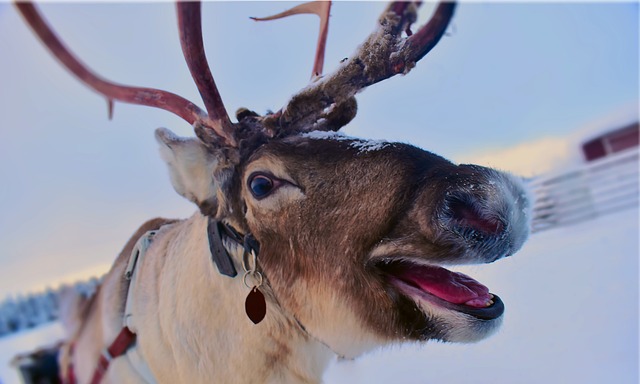
Picture this: you’re trekking through a seemingly endless expanse of snow, and suddenly, the weather shifts. To many, it might seem like a disaster waiting to happen, but not for the Sami. They’ve mastered the art of reading the land and the skies, predicting storms long before they hit. Their traditional knowledge, passed down through narratives and songs, is as vital as a compass in the Arctic’s vastness.
Ever tried fishing in freezing waters? The Sami don’t just fish; they know the rhythms of the ice, the best spots for catching fish, and can even tell which animals are most likely to be lurking nearby. It’s like they possess a secret playbook of survival tips for the Arctic. Not to mention, their expertise in sustainable practices is a beacon for modern explorers—teaching us how to respect this fragile ecosystem while seeking our own adventures.
Guardians of the Arctic: How Sami Wisdom Transformed Our Understanding of the Frozen Frontier

Think of the Sami as the Arctic’s storytellers, their wisdom shaping not just how they survive, but how we all understand this environment. For generations, they’ve thrived in harmony with nature, mastering the art of living alongside polar winds and shifting ice. They’ve taught us that every gust carries a lesson and every snowfall whispers secrets of the landscape. It’s like they hold a magical map, revealing the intricate connections between humans and the environment.
Now, why does this matter? Well, in a world grappling with climate change, tapping into indigenous knowledge is like finding a compass in the fog. Sami practices—like reindeer herding and sustainable hunting—offer insights that modern scientists are only starting to catch up to. Imagine approaching life with the wisdom of someone who’s observed the rhythm of nature for centuries. This isn’t just folklore; it’s practical guidance in understanding the Arctic’s delicate balance.
From Tradition to Discovery: The Sami Influence on Modern Arctic Research
Their traditional practices, from reindeer herding to sustainable fishing, aren’t just quaint customs; they’re an invaluable resource for scientists today. Imagine using ancestral wisdom like a compass to chart out new discoveries. By integrating traditional ecological knowledge (TEK) with modern scientific methods, researchers are uncovering patterns and insights that would otherwise slip through the cracks—much like melting ice in the warming Arctic.

Consider this: the Sami have had an intimate relationship with the land and its weather patterns long before climate change became a buzzword. Their seasonal migration patterns tell a story that, when studied deeply, reveals shifts in climate that have occurred over generations. It’s like piecing together a jigsaw puzzle where each piece represents a different aspect of our planet’s health.
More than just a collaboration of cultures, the Sami influence on modern Arctic research highlights the importance of inclusivity in scientific discourse. So, next time you hear about cooling the planet or conserving its resources, remember the Sami—navigators of tradition steering us toward a more holistic understanding of the Arctic’s future. Their role isn’t just about preserving the past; it’s about pioneering a path through the enigmatic Arctic landscape we’re still trying to understand today.
Indigenous Insights: The Sami and Their Impact on Arctic Scientific Advancements
Imagine this: the Sami have a profound understanding of reindeer herding, which is crucial for both their culture and the local ecosystem. Their keen observations about animal behavior and seasonal changes present a unique perspective for scientists studying climate change. It’s like having a GPS for understanding how our planet is shifting—only this one’s powered by generations of experience instead of tech!
Moreover, Sami knowledge about sustainable practices is a goldmine. They’ve been managing their resources with care long before the term ‘sustainability’ became a buzzword. By collaborating with scientists, they can help craft innovative environmental solutions that respect both tradition and modernity. Doesn’t it make you think how much we could learn from those who’ve lived in harmony with nature for centuries?
Frequently Asked Questions
What Role Did Sami Knowledge Play in Arctic Exploration?
Indigenous Sami knowledge significantly contributed to Arctic exploration by offering insights into navigation, hunting, and understanding the environment. Their expertise in weather patterns, animal behaviors, and sustainable land use informed explorers and ensured a deeper comprehension of Arctic ecosystems, enhancing scientific research and fostering respect for indigenous practices.
How Has Sami Expertise Contributed to Sustainable Arctic Practices?
The knowledge and practices of the Sami people have significantly influenced sustainable approaches in the Arctic. Their traditional ecological wisdom incorporates a deep understanding of local ecosystems, emphasizing resource management that prioritizes environmental integrity. This expertise supports biodiversity conservation and promotes resilience against climate change, showcasing effective practices such as reindeer herding and fishing that maintain ecological balance.
What Unique Skills Do the Sami Have for Navigating Arctic Environments?
The Sami possess unique skills for navigating Arctic environments, including expert knowledge of the terrain, weather patterns, and traditional hunting techniques. Their deep understanding of animal behavior and ecological systems aids in survival and resource management. Additionally, their use of specific tools and methods for sledding and herding reindeer showcases their adaptability to harsh conditions.
How Did Sami Traditions Influence Scientific Discoveries in the Arctic?
The Sami people’s deep understanding of Arctic ecosystems, developed over centuries, has significantly informed scientific studies. Their traditional knowledge of land, animals, and weather patterns offers valuable insights that complement Western scientific methods, leading to more holistic approaches in areas such as climate research, biodiversity conservation, and sustainable resource management in the Arctic.
What Historical Impact Did Sami People Have on Arctic Expeditions?
The Sami people’s extensive knowledge of the Arctic environment significantly influenced Arctic expeditions. Their expertise in navigating harsh landscapes, understanding local wildlife, and utilizing sustainable practices provided essential guidance for explorers. Moreover, their cultural traditions and skills, such as reindeer herding and building snares, were vital resources that enabled expeditions to thrive and deepen understanding of the polar regions.