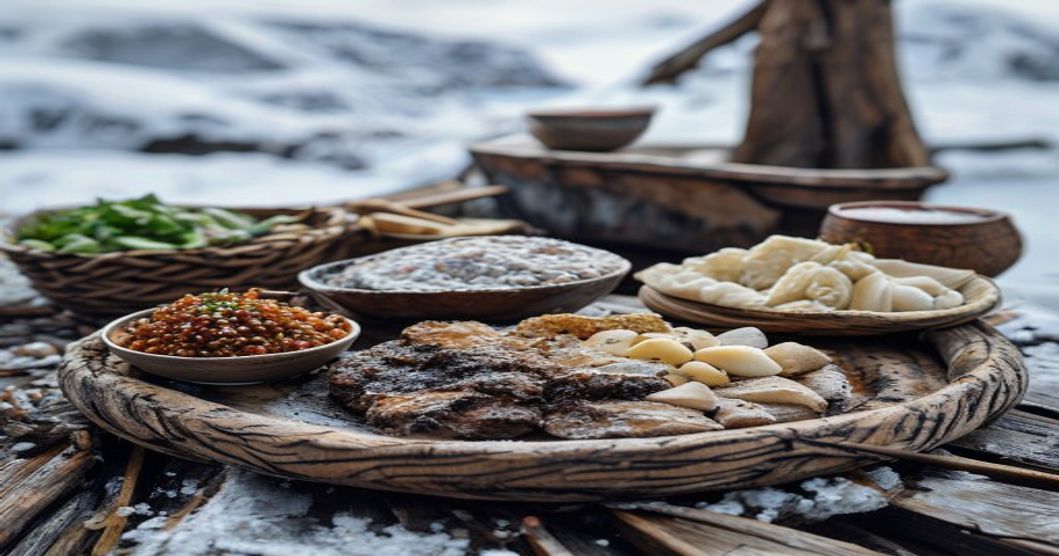
Authentic Arctic Food From Sami Culture: Origins and Traditional Foundations
The culinary landscape of the Sámi people emerged from centuries of adaptation to one of Earth’s most unforgiving environments. Spanning across northern Norway, Sweden, Finland, and Russia’s Kola Peninsula, this geographic corridor dictates every aspect of food procurement and preparation. Survival in these subarctic latitudes required a profound understanding of seasonal rhythms, animal behavior, and plant life cycles. The Sámi did not merely inhabit the Arctic; they evolved alongside it, developing a food system entirely rooted in mobility, resourcefulness, and ecological balance.
Reindeer herding forms the absolute cornerstone of traditional Sami nutrition. Every part of the reindeer serves a specific culinary or practical purpose. Fresh meat provided immediate protein during spring calving seasons, while heavy winter preparations relied on preservation techniques that turned perishable items into long-lasting staples. Traditional methods such as air-drying raw meat and fish in wind-sheltered wooden frames created lightweight, shelf-stable provisions essential for hunting expeditions and seasonal migrations. Smoking over peat and reindeer dung fires imparted distinct phenolic compounds that naturally inhibited bacterial growth while creating the signature flavor profile of suovas, the region’s prized smoked sausage.
- Air-drying and wind-curing: Raw meat and flatfish are suspended in wooden frames above heated floors or in open shelters, allowing moisture to evaporate slowly while preserving cellular structure for extended storage.
- Peat-smoking protocols: Controlled smoke density and temperature cycles prevent surface spoilage while infusing deep aromatic compounds that extend shelf life for months without modern refrigeration.
- Subterranean fermentation: Buried wooden crates and insulated pits utilize consistent ground temperatures to break down proteins, producing nutrient-dense preserves that counteract winter vitamin deficiencies.
Foraging supplemented animal-based proteins during brief summer months. Cloudberry, bog blueberry, crowberry, and wild rose hips were harvested at peak ripeness and processed through fermentation or drying. Lichen varieties like reindeer moss were boiled and dried into nutrient-dense flour during famine periods, demonstrating remarkable adaptability. Fermentation played a critical role in food security, with buried fish pits and wooden crates allowing natural enzymatic breakdown to produce strong-flavored, vitamin-rich preserves that prevented scurvy during long winters.
Preparation techniques reflected deep intergenerational knowledge. Stones heated in fire were used to cook meat directly, while hollowed logs served as fermentation chambers. Meals followed strict seasonal calendars, ensuring no resource was wasted and every ecological window was utilized efficiently. This systematic approach transformed environmental constraints into a highly sophisticated culinary tradition that sustained communities across millennia.
Historical development of indigenous Lapland gastronomy
The culinary traditions of the Sámi people emerged from millennia of adaptation to subarctic and arctic environments, where survival dictated a diet rooted in hunting, herding, and foraging. Long before written records, indigenous Lapland communities developed sophisticated food preservation methods to endure extreme winters and scarce growing seasons. Reindeer became the cornerstone of this gastronomic system, providing meat, milk, blood, and offal that were processed through drying, fermenting, and smoking. These techniques allowed nutrients to survive months without refrigeration, creating staples like suovas (cold-smoked reindeer), gáhkku (dried meat), and vuovdejuovka (fermented blood sausage).
Foraging complemented herding across tundra and boreal forests. Wild berries such as cloudberries, lingonberries, and crowberries were harvested in late summer, then preserved in reindeer fat or stored in snow-packed cellars to maintain vitamin C levels during prolonged darkness. Edible lichens, particularly reindeer moss, were ground into flour during famine periods, while freshwater fish like Arctic char and grayling were caught through ice holes and dried on wooden racks over low-smoke fires. The Sámi utilized every component of their environment, leaving minimal waste and maintaining ecological balance through rotational grazing and seasonal migration routes that aligned with reindeer breeding cycles.
External influences gradually altered these foodways. Medieval trade contacts introduced salt and iron cookware, while Norwegian and Finnish settlement policies in the 18th and 19th centuries restricted reindeer pastures and imposed agricultural diets on indigenous populations. Missionary campaigns further discouraged traditional practices, labeling fermented foods and raw preparations as unhygienic. Despite these pressures, Sámi elders preserved culinary knowledge through oral transmission and seasonal festivals, ensuring continuity across generations. Historical manuscripts from Tromsø archives document weekly market exchanges where reindeer hides were traded for rye flour and dried cod, illustrating early economic integration with neighboring regions.
Modern recognition of Sámi gastronomy has shifted from marginalization to cultural revitalization. Archaeological findings in Lapland reveal ancient hearths with charred reindeer bones and clay vessels dating back centuries, confirming the longevity of these food systems. Today, researchers document traditional processing methods using historical tools like duodji knives and birch-bark containers, bridging ancestral wisdom with contemporary Arctic food movements.
Geographic boundaries defining Sami foraging territories
Sámi foraging territories span across the northern fringes of Fennoscandia and the Kola Peninsula, extending into parts of northwestern Russia. These regions are defined by distinct ecological transitions rather than arbitrary political lines. The southern limit typically aligns with the natural tree line, where boreal taiga gives way to subarctic tundra. Within this zone, foraging activity concentrates along coastal fjords, mountain ridges above six hundred meters, and inland river valleys that remain accessible during short summer windows. Reindeer migration corridors frequently overlap with wild plant harvesting zones, creating a layered landscape where seasonal movement dictates resource access.
Historical documentation shows Sámi communities utilized a vertical land-use model. Coastal areas provided marine resources and salt-tolerant vegetation, while high-altitude plateaus offered lingonberry thickets, cloudberries, and medicinal lichens. River systems served as natural highways for transporting gathered goods between summer camps and autumn hunting grounds. Modern administrative borders across Norway, Sweden, Finland, and Russia fragment these contiguous ecological zones, yet traditional knowledge systems maintain functional continuity across the landscape.
- Topographic constraints: Steep gradients above the timberline limit mechanized access, preserving hand-gathered techniques.
- Hydrological networks: Glacial meltwater streams dictate seasonal harvesting windows and determine soil moisture levels for root vegetables.
- Climatic thresholds: Frost-free periods under ninety days force rapid extraction cycles for annual berries and ephemeral flowers.
Environmental factors shape foraging patterns more than legal jurisdictions. Permafrost degradation in eastern territories alters root system accessibility, while shifting treelines in western regions expose new alpine flora. Snowpack duration determines when ground-level plants become available for extraction. Communities track microclimates through lichen growth indicators and bird migration timing to locate productive harvesting sites. The interplay between topography, hydrology, and seasonal light cycles creates a dynamic boundary system that evolves with environmental conditions rather than fixed maps. Traditional ecological knowledge remains the primary tool for navigating these shifting geographic parameters across the Arctic periphery.
Climate adaptation shaping core dietary patterns
The Arctic ecosystem historically dictated every component of Sami sustenance through extreme seasonal shifts and minimal agricultural viability. Long winters spanning eight months combined with permafrost conditions eliminated conventional crop cultivation, forcing communities to rely exclusively on mobile herding, coastal foraging, and wild harvesting. This environmental constraint engineered a dietary framework optimized for caloric density, nutrient retention, and long-term survival.
Reindeer husbandry formed the structural backbone of this climate-driven nutrition model. Herders timed migration routes to match lichen availability and snow depth, ensuring consistent access to meat, blood, and organ meats rich in iron, B vitamins, and essential fatty acids. The animal’s entire biological output was utilized without waste: sinew provided cordage, hides supplied winter clothing, and marrow delivered concentrated calories during periods of food scarcity.
- Traditional preservation methods emerged directly from temperature extremes rather than culinary preference. Ice cellars carved into permafrost maintained consistent subzero storage for months, while open-air smoking racks utilized natural wind currents to dehydrate meat and fish.
- Fermentation processes developed in waterlogged bogs and sealed reindeer stomachs created probiotic-rich environments that prevented spoilage without refrigeration. Salted cod and dried salmon became staple protein sources during spring melt periods when hunting access diminished.
- Summer foraging windows required rapid mobilization to harvest cloudberries, crowberries, and wild blueberries before frost returned. These fruits delivered critical vitamin C and antioxidants that prevented scurvy during prolonged winter confinement.
Modern climate shifts are altering these centuries-old patterns. Warmer autumns delay snow formation, disrupting reindeer grazing cycles and forcing herders to supplement traditional diets with commercially sourced grains. Thawing permafrost compromises historical storage sites, while unpredictable ice conditions restrict access to traditional fishing grounds. Despite these pressures, the foundational principles of resource optimization and seasonal synchronization remain embedded in contemporary Sami foodways.
Essential Ingredients and Foraging Methods
Traditional Sami nutrition relies on a tightly calibrated relationship with tundra and taiga ecosystems, where historical survival dictated precise ingredient selection and seasonal timing. Reindeer meat forms the caloric foundation, consumed fresh during successful hunts, dried into suovas, or naturally fermented during harsh winters when hunting grounds become inaccessible. Arctic char and Atlantic salmon are routinely caught from glacial rivers using hand-woven gill nets and traditional spears, then preserved through open-fire smoking or natural freeze-drying on wooden racks exposed to subzero winds.
Wild berries dominate the summer foraging calendar. Cloudberries ripen only in nutrient-poor peat bogs and require careful hand-picking during narrow July windows. Crowberries and mountain blueberries follow immediately after, each harvested using wooden rakes designed to preserve underlying moss layers. These fruits supply critical vitamin C and antioxidants, traditionally boiled into thick syrups or mixed with rendered reindeer fat for energy-dense winter stores.
- Arctic licorice root is dug during late summer using reinforced bone handles to prevent root fracture, then dried in ventilated shelters to concentrate natural glycyrrhizin compounds.
- Juniper berries are gathered before frost softens the shrubs, stripped from branches with specialized tweezers, and crushed to release essential oils for meat curing and herbal tea preparation.
- Wild garlic and early nettles emerge as snow retreats, collected before seed heads form, then blanched in boiling river water to neutralize oxalates while retaining iron content.
Sustainable harvesting follows strict generational protocols. Foragers observe reindeer grazing patterns to locate nutrient-dense vegetation zones, avoid overharvesting by leaving root systems intact, and rotate collection sites annually to allow ecological recovery. Preservation techniques exploit the Arctic climate naturally: meat hangs in unheated wooden huts where temperatures fluctuate between minus fifteen and plus five degrees Celsius, creating optimal conditions for enzymatic aging without bacterial spoilage. Berries are layered with birch bark in sealed containers, while reindeer moss is simmered slowly to extract mucilage for digestive remedies. Every component undergoes multi-stage processing, ensuring zero waste and maximum nutritional retention across seasons.
Reindeer meat cuts and regional butchery standards
The traditional butchery of reindeer meat within Sámi communities follows a highly structured system passed down through generations, optimized for survival in subarctic climates and maximizing every usable part of the animal. Unlike commercial livestock processing, Sámi reindeer are field-dressed immediately after harvest to prevent rigor mortis from tightening muscle fibers before proper cooling occurs. The carcass is divided into precise anatomical sections based on fat distribution, connective tissue density, and intended preservation method.
- Hindquarter (Loin & Rump): The most prized section yields tender, lean cuts like reindeer steak and traditional suovas (smoked loin). These muscles remain relatively inactive during the animal’s natural migration, resulting in fine grain structure and minimal marbling.
- Shoulder & Neck: High-activity muscles rich in collagen and intramuscular fat. Traditionally slow-roasted or ground for sausages, these cuts require extended cooking to break down tough fibers while retaining moisture.
- Ribcage & Flank: Thin-sliced ribs are often cured or smoked for winter storage. The flank meat contains higher fat layers that insulate the muscle during freezing, making it ideal for long-term preservation without quality degradation.
- Legs & Shanks: Dense, workhorse muscles utilized for slow-cured products and bone broth extraction. Sámi processors score these cuts before salting to ensure even curing penetration.
Regional butchery standards vary across Sápmi due to microclimates and grazing patterns. In Finnmark’s coastal zones, reindeer meat undergoes natural wind-drying on wooden racks during late winter months, leveraging low humidity and sub-zero temperatures. Troms-based processors emphasize rapid chilling within four hours of harvest to preserve delicate enzyme activity before dry-aging for up to fourteen days. Northern Norway’s indigenous butchers avoid mechanical tenderization, relying instead on precise knife angles along natural muscle seams to prevent cross-fiber tearing.
Fat rendering follows strict seasonal protocols. Reindeer back fat is harvested only during autumn slaughtering when adipose tissue reaches optimal thickness. This rendered fat serves as both a cooking medium and a preservative barrier for cured meats. Modern Sámi cooperatives maintain heritage standards by tracking cold chain integrity, moisture loss rates, and bacterial load thresholds that align with traditional safety practices without compromising authentic flavor profiles.
Berry harvesting cycles for cloudberries, bilberries, and crowberries
The Arctic berry season operates on precise ecological triggers that dictate when cloudberries, bilberries, and crowberries reach peak ripeness. Sami foragers track snowmelt patterns, soil temperature gradients, and daylight duration to determine optimal collection windows. Each species follows a distinct phenological timeline shaped by high-latitude climate constraints.
- Cloudberries (*Rubus chamaemorus*) require a narrow harvest window between mid-July and early August. These fruits develop slowly after late spring frosts, accumulating high pectin concentrations and beta-carotene only when daytime temperatures consistently exceed 15°C for seven consecutive days. Traditional Sami harvesting utilizes wooden tines to extract the entire fruit cluster without damaging the shallow rhizome network, preserving soil stability for future growth cycles.
- Bilberries (*Vaccinium myrtillus*) mature earlier, typically ripening from late June through August depending on elevation and microclimate exposure. The berries shift from pale green to deep purple when anthocyanin production peaks, marking maximum antioxidant density. Sami communities historically synchronized bilberry collection with reindeer calving movements, utilizing dry heathland topography where the plants naturally establish dense ground cover.
- Crowberries (*Empetrum nigrum*) follow an extended harvest cycle due to their unique physiological response. These fruits do not achieve full sweetness until after the first autumn frost, which initiates a rapid starch-to-sugar conversion process. Late September through November marks the prime gathering period. Foragers collect mature clusters using small woven baskets, subsequently drying them on reindeer pelts or sealing them in insulated snow chambers to halt microbial activity.
Sami land management practices integrate these berry cycles with broader ecosystem monitoring. Harvesting consistently targets low-humidity days to prevent immediate spoilage and accelerate natural dehydration during storage. The collection periods align directly with established grazing routes, where berry density serves as a reliable indicator of bog health and water table stability. Contemporary practitioners still cross-reference historical natural markers such as willow catkin drop and reindeer lichen browning stages to validate field conditions.
Traditional Preservation and Fermentation Techniques
The harsh Arctic environment dictated the development of highly specialized food preservation systems among the Sami people. Without access to modern refrigeration, communities relied on natural climatic conditions and controlled microbial fermentation to extend the shelf life of seasonal harvests. Cold air circulation provided consistent dehydration, while subzero temperatures created reliable freezing cycles that halted enzymatic degradation and bacterial spoilage.
- Air-Drying and Smoking: Reindeer meat was sliced into uniform strips and suspended in elevated wooden racks within ventilated shelters. Low ambient humidity and constant wind exposure extracted intracellular moisture rapidly. Smoking processes utilized dried birch wood or reindeer dung, introducing phenolic compounds and formaldehyde derivatives that penetrate tissue structures and act as potent antimicrobial agents.
- Natural Fermentation: Fish such as Atlantic salmon and Arctic char were packed into sealed animal stomachs or ceramic vessels. Indigenous lactic acid bacteria colonies naturally colonized the surface, converting residual carbohydrates into lactic acid. This biochemical process dropped the internal pH to approximately 4.2 within fourteen days, creating an inhospitable environment for pathogenic strains while developing complex proteolytic compounds.
- Salt Curing and Deep Freezing: Coastal groups applied coarse sea salt to fish carcasses at precise ratios of twelve percent by weight, drawing out cellular fluids through osmotic pressure. Meat and dairy products were frequently stored in shallow depressions carved into permafrost or placed on granite slabs during winter months. Ice formation created a physical barrier against oxygen exposure, while consistent temperatures below minus fifteen degrees Celsius arrested lipid oxidation.
Fermentation timelines ranged from three weeks to six months depending on ambient temperature fluctuations and target acidity levels. Seasoned artisans monitored progress by observing texture contraction, surface microbial pellicle development, and aromatic evolution. Traditional storage architecture utilized turf-insulated root cellars that maintained stable relative humidity between sixty and seventy percent throughout seasonal shifts. These preservation protocols retained heat-sensitive vitamins like ascorbic acid and thiamine through extended polar nights, ensuring metabolic continuity when hunting grounds froze over. The deliberate cultivation of regional microbial ecosystems also introduced beneficial probiotic strains that supported digestive function during periods of high-fat consumption.
Air-drying processes for hard reindeer jerky
Traditional Sami reindeer jerky relies entirely on natural environmental conditions and precise manual techniques passed down through generations. The process begins in late autumn when reindeer reach optimal fat-to-muscle ratios before winter migration. Hunters select specific cuts, typically from the hindquarters or backstrap, where muscle fibers remain tight and low in connective tissue. These sections are immediately dressed to prevent rapid spoilage, then sliced into uniform strips measuring approximately two inches wide and half an inch thick. Consistent thickness ensures even moisture evaporation during the drying phase.
Salting follows a dry-curing method using coarse sea salt or naturally harvested mineral salts. The meat rests in insulated wooden crates for twelve to twenty-four hours, allowing osmotic pressure to draw out residual blood and surface moisture without compromising protein structure. After draining, strips are threaded onto thin birch or spruce poles using hand-carved bone needles. These poles are positioned horizontally on elevated pine racks placed in wind-exposed valleys or near frozen lakes where temperatures consistently drop below freezing.
The microclimate plays a decisive role in successful dehydration. Arctic winds maintain constant airflow across the meat surface, while subzero temperatures prevent bacterial proliferation and halt enzymatic degradation. This natural lyophilization process typically spans three to six weeks depending on ambient humidity and solar exposure. Skilled producers monitor the jerky daily, rotating poles and adjusting placement to avoid uneven crust formation or freezer burn. The final product exhibits a dense, almost wooden texture that fractures cleanly when bent. Flavor development occurs through slow Maillard reactions and natural lipid oxidation, yielding earthy, mineral-rich notes characteristic of high-latitude foraging ecosystems.
Traditional storage involves wrapping dried strips in birch bark or reindeer hide, then burying them in permafrost pits or hanging them from rafters in smoke-free cabins. This method preserves nutritional integrity, retaining over eighty percent of original iron and B12 content while eliminating the need for artificial preservatives. Modern practitioners occasionally combine these techniques with food-safe dehydrators, yet authentic producers maintain that only unregulated wind and temperature fluctuations replicate the exact microbial profile required for genuine Sami jerky. The process remains a precise balance of anatomy, meteorology, and generational knowledge rather than a simple preservation technique.
Milk fermentation methods producing traditional dairy products
The preservation of dairy in the Arctic environment required precise control over temperature, microbial activity, and enzymatic coagulation. Sami herders developed fermentation techniques that relied on naturally occurring lactic acid bacteria present in reindeer, goat, and cow milk. These wild cultures were intentionally retained from previous batches to seed fresh milk, ensuring consistent acidity and flavor development across generations. The process demanded meticulous timing aligned with seasonal milking windows, typically limited to summer months when pasture availability supported lactation.
Rennet extraction played a central role in curd formation. Herders collected the fourth stomach of young reindeer calves, cleaned it thoroughly, and dried the inner lining to produce potent coagulating enzymes. When added to raw milk, this rennet triggered rapid protein structuring, creating dense curds that retained maximum fat and casein content. The mixture rested in shallow wooden troughs or animal stomach vessels until separation occurred, a phase managed by hand-testing viscosity rather than fixed timers.
- Lactic acid development: Ambient temperatures near the tundra slowed bacterial multiplication, extending fermentation windows to twelve or more hours. Controlled souring prevented pathogen growth while concentrating lactose into lactic acid, which also inhibited mold formation during storage.
- Curd processing: Once coagulated, the solid mass was lifted using woven grass strands or reindeer sinew and transferred to porous drying racks. Moisture evaporation concentrated nutrients, yielding shelf-stable cheese blocks that resisted spoilage during long winters.
- Wild culture propagation: Fermentation vessels were never fully sterilized. Residual microbial communities adapted continuously to local flora, soil conditions, and seasonal milk composition, producing distinct regional variations in acidity, texture, and aroma profiles.
Straining techniques further refined the final products. Fresh curds were pressed through reindeer hide filters or fine linen cloths to remove whey. The remaining solids underwent sun drying, smoke exposure, or subterranean storage in insulated earth pits. Each method altered moisture content and bacterial equilibrium, generating distinct dairy categories used for daily nutrition, ceremonial meals, and winter provisioning. Modern Sami artisans still replicate these processes using historical tools, maintaining microbial lineages that define authentic Arctic food heritage.
Fish curing in birch bark containers
Birch bark has functioned as a cornerstone of Sami preservation techniques for centuries, leveraging its natural chemical composition to extend the shelf life of Arctic catches without refrigeration. The material contains betulin and other polyphenolic compounds that actively inhibit bacterial growth and enzymatic degradation, making it an ideal medium for anaerobic fermentation. When preparing cured fish, the Sami traditionally harvest mature birch trees in late spring, carefully peeling cylindrical sections while preserving the cambium layer to maintain structural integrity. These hollowed tubes are sealed at one end with wooden plugs or resin mixtures, then layered with cleaned Arctic char or trout and coarse sea salt. The natural tannins in the bark interact with the fish proteins during the curing phase, producing a distinct umami-rich flavor profile while drawing out moisture through osmotic pressure.
Temperature regulation plays a critical role in this method. Birch bark provides exceptional thermal insulation, buffering the contents against rapid fluctuations in subarctic climates. Fermentation typically occurs in shaded snow pits or insulated wooden structures where temperatures remain consistently below five degrees Celsius for four to six weeks. During this period, lactic acid bacteria dominate the environment, lowering the pH level and creating a hostile condition for spoilage organisms. The resulting product exhibits a firm texture, concentrated aroma, and extended viability compared to modern refrigeration methods.
Technical Specifications of the Preservation Process:
- Harvesting occurs during sap flow periods to maximize bark flexibility
- Internal surfaces are lightly charred to enhance antimicrobial properties
- Salt-to-fish ratio maintains approximately 12 percent by weight
- Aeration intervals prevent anaerobic pathogen proliferation
- Storage duration ranges from three to eight weeks depending on ambient conditions
Contemporary food scientists have validated several traditional claims through laboratory analysis. Studies confirm that birch bark extracts possess measurable antimicrobial activity against common foodborne pathogens such as Listeria monocytogenes and Clostridium botulinum. This biological advantage explains why historical Sami communities could transport preserved fish across vast distances during seasonal migrations without relying on ice or salt-heavy brines. The technique also minimizes sodium absorption, aligning with modern dietary guidelines while maintaining cultural authenticity.
Preservation vessels require meticulous maintenance to prevent structural failure. Regular application of reindeer fat or pine resin prevents cracking, while periodic ventilation stops excessive mold development on the exterior surface. Modern practitioners continue this practice during summer fishing expeditions, integrating ancestral knowledge with food safety standards. The method remains vital for communities seeking sustainable preservation alternatives that reduce reliance on synthetic packaging and energy-intensive cold chains.
Signature Dishes and Preparation Styles
The culinary traditions of the Sami people revolve around precise preservation techniques and seasonal foraging, ensuring sustenance through extreme Arctic winters. Central to this gastronomy is reindeer, utilized across multiple preparations that highlight both resourcefulness and flavor depth. Suovas, traditionally smoked over a low-burning birch or pine fire for several days, produces a deeply aromatic meat with a firm texture and smoky undertones. The smoking process relies on controlled heat and specific wood types, which impart phenolic compounds that naturally inhibit bacterial growth while developing complex flavor profiles.
Fish forms another cornerstone of Sami foodways. Arctic char, salmon, and vendace are routinely preserved through air-drying or salt-curing, often hung in well-ventilated shelters where cold winds accelerate moisture removal without freezing the flesh. Fermentation remains a critical method for extending shelf life; fish and meat are sealed in reindeer stomach linings or wooden vessels, allowing natural lactobacillus cultures to break down proteins into tender, tangy delicacies. These microbiological processes were historically indispensable before modern refrigeration.
- Bidos: A slow-cooked stew combining diced reindeer, root vegetables like carrots and parsnips, and potatoes, simmered in reindeer broth until the meat yields and the liquid thickens into a rich gravy.
- Gáhkku: Rendered reindeer fat clarified through repeated boiling and skimming, then mixed with sugar, cinnamon, or cloudberry jam. This high-calorie fuel was essential for hunters navigating frozen terrain.
- Sami Ruokot: Thinly sliced dried reindeer meat, often served raw or lightly rehydrated, showcasing the traditional air-drying technique that concentrates umami and preserves nutrients without smoking.
Dairy products from reindeer milk, though produced in small quantities due to the animal’s modest yield, undergo specialized curdling methods. The milk is naturally high in fat and protein, enabling the creation of dense cheeses and creamy butters that resist spoilage. Cloudberry compotes and lingonberry reductions frequently accompany savory dishes, providing acidic balance and vitamin C during long months of limited fresh produce. Every preparation method reflects a direct adaptation to Arctic ecology, where minimal waste and maximum caloric efficiency dictate culinary evolution.
Laktjuokk preparation from raw reindeer blood and milk
Laktjuokk stands as one of the most resilient culinary traditions within Sami heritage, historically engineered for survival in subarctic environments where fresh produce remained inaccessible during long winters. The preparation relies exclusively on two primary components: freshly collected reindeer blood and reindeer milk. Traditional methods dictate that the blood must be drawn immediately following the autumn slaughter, preventing coagulation by continuously stirring the liquid while incorporating a measured portion of curdled or fresh reindeer milk. The ratio typically ranges from one part blood to two parts milk, though exact proportions shift according to family lineage and regional practices across Finnmark, Troms, and Sápmi.
Mixing occurs in wooden bowls or birch-bark containers, with the stirring motion requiring consistent kinetic energy to maintain emulsion stability. As the mixture thickens, it develops a pale grey hue and a distinctly earthy yet slightly sweet flavor profile. The drink is consumed raw, relying on the natural lactic acid in the milk and the immediate refrigeration of reindeer meat products to inhibit bacterial growth. Historically, Sámi herders recognized that consuming this uncooked blend provided rapid caloric intake, essential iron, B12 vitamins, and complete proteins during months when plant-based nutrition was entirely absent from the diet.
- Harvesting protocol: Blood is collected directly from the carotid artery during slaughter, immediately mixed with milk to prevent clotting.
- Emulsion maintenance: Continuous manual stirring over ten to fifteen minutes ensures uniform texture and prevents separation.
- Serving tradition: Laktjuokk is traditionally served in shallow wooden cups during winter gatherings, often accompanied by dried reindeer meat or cloudberries preserved through summer harvesting.
Modern food safety standards have altered traditional practices, with some contemporary Sámi producers pasteurizing milk before blending. Nevertheless, authentic preparations still prioritize raw ingredients to preserve enzymatic activity and probiotic cultures that support gut microbiome balance in cold-climate populations. The drink remains a living testament to indigenous ecological knowledge, demonstrating how Arctic communities transformed limited pastoral resources into nutritionally complete sustenance without reliance on external agricultural systems.
Sahppe grain porridge mixing ratios and cooking vessels
Traditional Sahppe relies on precise grain-to-liquid proportions that shift according to regional barley, rye, or oat selections. Southern Sami households typically employ a one-to-two ratio for quick-cooking rolled oats, while northern Lapland communities adjust to one-to-three when utilizing whole hulled rye or coarse barley. The liquid base combines purified spring water with skimmed reindeer milk during winter months, creating a dense starch matrix that resists separation during extended simmering. Grains require thorough rinsing to eliminate dust and wild seed debris before measurement, ensuring uniform hydration rates across the entire batch.
Cooking equipment historically dictated both texture and flavor development. The classic Sami clay vessel, known as the gierdie, retains steady ambient heat and prevents scorching when positioned near low flames. Modern practitioners frequently substitute thick-bottomed cast iron pots or copper cookware that distribute thermal energy evenly across the grain bed. Wooden stirring implements remain essential; metal utensils alter alkalinity and accelerate oxidation of delicate oat bran oils. Heat management follows a strict progression: an initial thirty-second rapid boil, followed by twenty minutes of low simmer with the lid partially offset to allow controlled starch evaporation.
- Barley requires forty-five minutes of regulated heat and maintains structural integrity when drained at ninety percent hydration.
- Rye grains demand extended soaking periods and benefit from pre-fermentation with wild cultures before applying standard mixing ratios.
- Oat varieties must be monitored closely after the fifteen-minute mark to prevent rapid gelatinization that creates uneven lumps.
Thermal retention dictates final consistency. Removing vessels from direct flame and transferring them to insulated ash beds allows residual heat to complete starch retrogradation without overcooking the outer kernel layers. This technique preserves nutrient density, particularly B vitamins and soluble fiber, which degrade under sustained boiling temperatures. Portion scaling follows multiplicative rules rather than linear adjustments; doubling grain volume requires a forty percent increase in liquid to maintain proper viscosity during reduction.
Cultural Rituals and Seasonal Food Practices
The Sami relationship with Arctic food is fundamentally governed by a precise seasonal calendar that dictates every stage of procurement, preservation, and consumption. Traditional knowledge systems track minute environmental shifts, from the first fracture of ice on frozen lakes to the migration corridors of reindeer herds. This cyclical rhythm ensures that resources are harvested at peak nutritional value while maintaining ecological balance across fragile tundra and boreal ecosystems.
During spring and summer, the rapid thaw unlocks river systems where Arctic char and vendace become primary protein sources. Communities gather at designated fishing stations to process fresh catches through immediate drying or light salting. The midnight sun extends foraging hours, enabling the collection of cloudberries, bilberries, and wild birch sap. These ingredients form the foundation of communal meals, often accompanied by reindeer milk products that undergo traditional fermentation. Rituals during this period emphasize renewal, with elders teaching younger generations how to identify edible flora and interpret weather signs critical to successful harvesting.
- Autumn Slaughter Period: The annual reindeer roundup requires coordinated community effort. Every part of the animal is utilized, from marrow bones for nutrient-rich broths to sinew for traditional threadmaking. Sacred songs accompany the first cut, acknowledging reciprocity between hunter and herd.
- Winter Preservation Protocols: Extended darkness shifts culinary focus toward stored provisions. Suovas (cold-smoked reindeer meat) hangs in specialized wooden structures where constant airflow prevents spoilage without imparting heavy smoke flavors. Leavbu, fermented whitefish, matures in birch bark containers buried in permafrost.
- Communal Consumption Cycles: Food distribution follows kinship networks rather than market exchange. Shared meals reinforce social cohesion during extreme weather events, while specific cuts are reserved for ceremonial purposes or gifted to honor visiting hunters.
These practices operate within a framework of spiritual reciprocity that predates modern conservation models. Food taboos dictate which species may be consumed together, how certain animals should be positioned during preparation, and when harvesting must pause to allow natural regeneration. Sacred offerings of reindeer heart or liver are traditionally placed on stone altars before winter hunts, reinforcing the belief that sustenance flows from mutual respect rather than extraction. Contemporary Sami food artisans continue applying these ancestral techniques, adapting preservation methods to address climate-driven shifts in migration routes and berry ripening cycles while maintaining the cultural integrity of each seasonal practice.
Reindeer migration calendar dictating harvest schedules
Reindeer migration patterns form the foundational rhythm of Sami pastoral life, directly shaping every aspect of food procurement and seasonal planning. Herders monitor subtle environmental indicators such as snow depth, lichen growth stages, insect activity, and daylight shifts to predict herd movements across vast tundra and boreal landscapes. These predictions are not speculative but grounded in centuries of empirical observation passed through generations. The harvest schedule aligns precisely with physiological and ecological milestones rather than arbitrary calendar dates.
The autumn migration window represents the optimal period for meat procurement. During this phase, reindeer accumulate critical fat reserves to survive winter conditions, resulting in superior marbling and nutrient density. Harvesting occurs immediately after the rutting season concludes but before heavy snowfall isolates grazing grounds. Timing is critical; premature slaughter yields lean, tough meat with lower caloric value, while delayed processing risks parasite load and reduced shelf stability. Herders utilize lightweight transport systems and temporary field kitchens to process animals on-site, minimizing spoilage risks in remote terrain.
- Spring Phase: Calving grounds require strict protection. Harvesting is prohibited during lambing seasons to preserve herd sustainability and ensure future population stability.
- Summer Phase: High-altitude pastures host active foraging. Herders follow herds closely, conducting selective thinning of older or injured animals while prioritizing nutritional balance.
- Autumn Phase: Pre-winter fattening peaks. This window dictates primary harvest schedules, with meat yields optimized for traditional preservation techniques including air-drying, smoking, and fermentation.
- Winter Phase: Migration to sheltered forest zones slows movement. Limited harvesting occurs only during emergency culling or controlled population management operations.
Meat quality correlates directly with migration timing. Ruminant muscle composition shifts based on dietary intake and energy expenditure throughout seasonal movements. Herders evaluate rumen content, body condition scoring, and antler development to determine precise slaughter readiness. Traditional preservation methods evolved specifically to extend the utility of autumn harvests through months of limited daylight and extreme temperatures. Dried reindeer meat retains high protein concentrations and essential fatty acids, while fermented preparations develop complex microbial profiles that enhance digestibility and micronutrient bioavailability.
Contemporary climate fluctuations have altered traditional grazing corridors, forcing herders to adapt migration tracking systems with satellite telemetry and real-time weather modeling. Despite technological integration, harvest scheduling remains bound to biological indicators rather than fixed dates. This adaptive approach preserves both ecological integrity and culinary authenticity, ensuring that Arctic food traditions maintain their functional relationship with the environment.
Winter solstice feasting protocols and community distribution
The winter solstice feast operates as a critical seasonal anchor within Sami pastoral and foraging cycles, synchronized with the astronomical return of light after months of polar darkness. Traditional preparations begin weeks in advance, relying on time-tested preservation techniques that guarantee nutritional survival during extreme temperatures. Reindeer meat undergoes air-drying or fermentation inside hollowed caribou horns, while char and trout are cold-smoked over birch bark fires. Wild cloudberry harvests from late summer are sealed in rendered fat or compressed into dense jam matrices to prevent oxidation. Bone marrow broths simmer for extended periods, extracting collagen and fat-soluble vitamins essential for metabolic function in sub-zero environments.
Ritual architecture governs the gathering space. Elders occupy designated positions that reflect kinship lineage rather than commercial status. The initial portion of each dish is allocated to ancestral spirits and working animals before human consumption commences. Wooden serving vessels replace individual plates, reinforcing collective resource management. Participants observe structured silence during the opening course, transitioning to measured dialogue once caloric intake reaches baseline metabolic requirements. Alcohol serves a ceremonial function only, administered in controlled quantities by designated household custodians.
- Food allocation follows siida network obligations, prioritizing households with reduced hunting success or seasonal migration constraints
- Surplus preservation utilizes natural ice cellars carved into permafrost slopes, maintaining consistent temperatures between minus two and minus four degrees Celsius
- Distribution metrics prioritize caloric density over portion volume, ensuring optimal energy retention during extended fasting periods preceding spring migration
Resource pooling operates through reciprocal labor exchange rather than market transactions. Herding cooperatives document meat yields against winter snowfall patterns, adjusting storage ratios accordingly. Younger participants receive training in portion estimation and nutrient balancing through direct observation during preparation phases. The feast concludes with systematic inventory reconciliation, where remaining provisions are logged against household caloric deficits. This mechanism prevents seasonal scarcity while maintaining ecological balance across reindeer grazing territories.
Elder knowledge transfer in traditional cooking circles
The transmission of Sami culinary wisdom operates through a tightly structured oral and experiential framework that predates written documentation. Elders function as living archives, encoding survival strategies, seasonal foraging calendars, and protein preservation techniques within communal cooking gatherings. These sessions occur primarily during winter months when reindeer herds are stationary, allowing extended periods for hands-on instruction. The pedagogical model relies on demonstration followed by supervised repetition. A senior practitioner will process a reindeer carcass using bone knives and antler scrapers, explaining the anatomical significance of each cut while the younger generation replicates the technique under direct observation. Errors in temperature control during smoking or improper salting ratios are corrected immediately through tactile feedback rather than theoretical instruction.
Ingredient selection follows precise ecological indicators that elders decode from landscape shifts. Cloudberries are harvested only when their petals have fully detached
Nutritional Composition and Modern Health Applications
Traditional Sami dietary practices rely on a tightly calibrated macronutrient profile developed through centuries of Arctic survival. Reindeer muscle tissue delivers lean protein alongside elevated levels of conjugated linoleic acid and branched-chain amino acids, supporting skeletal maintenance and metabolic efficiency in extreme cold environments. Marine sources such as wild Atlantic salmon and herring contribute dense concentrations of eicosapentaenoic acid and docosahexaenoic acid, compounds that modulate lipid metabolism and reduce systemic inflammation.
- Cloudberries and bilberries supply quercetin, anthocyanins, and ellagic acid, which scavenge reactive oxygen species and support vascular endothelial function.
- Reindeer milk and fermented dairy products contain Lactobacillus strains adapted to low-temperature fermentation, enhancing gut barrier integrity and short-chain fatty acid production.
- Mineral density remains exceptionally high due to nutrient uptake from lichen-rich pastures, yielding bioavailable iron, zinc, and selenium that sustain thyroid regulation and antioxidant enzyme activity.
Modern clinical nutrition has isolated specific phytochemicals from these traditional ingredients for targeted therapeutic protocols. Omega-3 rich Arctic fish extracts are now integrated into cardiovascular rehabilitation programs to lower triglyceride levels and improve endothelial nitric oxide synthesis. Cloudberry seed oil, valued for its rare tocopherol distribution, appears in dermatological formulations that accelerate collagen remodeling and reduce photodamage markers. Fermented reindeer products undergo standardized probiotic screening to develop functional foods aimed at irritable bowel syndrome management and microbiome diversity restoration.
- Anti-inflammatory peptide sequences from cured reindeer meat are evaluated in metabolic syndrome trials for insulin sensitivity improvement.
- Bilberry-derived anthocyanins support retinal microcirculation in age-related macular degeneration protocols.
- Selenium-rich Arctic root vegetables and lichen derivatives assist in glutathione peroxidase optimization during oxidative stress recovery.
Integrating these historically validated food matrices into contemporary dietary frameworks requires precise processing methods that preserve heat-sensitive nutrients. Cold-press extraction, freeze-drying, and anaerobic fermentation remain the primary techniques for maintaining enzymatic activity and polyphenol stability. Clinical nutritionists increasingly prescribe standardized portions of these Arctic ingredients to address micronutrient deficiencies common in sedentary populations while leveraging their natural anti-thrombotic and neuroprotective properties.
Probiotic strain diversity from fermented Arctic dairy
Traditional Sami dairy processing relies on spontaneous fermentation techniques that preserve a complex microbial ecosystem uniquely adapted to subarctic environments. Reindeer milk, characterized by higher fat content and distinct protein structures compared to bovine or caprine varieties, serves as a selective medium for cold-tolerant lactic acid bacteria. These indigenous microorganisms colonize natural pastures, reindeer udders, and wooden fermentation vessels, creating a consistent reservoir of functional strains that modern industrial cultures often overlook.
Microbiological sequencing of Arctic fermented dairy products reveals an exceptionally broad taxonomic range. Dominant genera include Lactobacillus, particularly L. rhamnosus and L. paracasei subtypes that exhibit enhanced acid tolerance and bile salt resistance. Leuconostoc mesenteroides and Leucostoc citreum drive early fermentation stages, producing diacetyl and bacteriocins that inhibit pathogenic colonization. Bifidobacterial populations, though less frequently documented in historical literature, appear in significant quantities during extended aging periods, contributing to cross-feeding networks that stabilize pH levels below 4.2.
- Cryoprotective membrane adaptation: Elevated unsaturated fatty acid ratios maintain cellular integrity during repeated freeze-thaw cycles typical of tundra storage conditions.
- Exopolysaccharide synthesis: Strain-specific EPS production acts as a structural stabilizer while simultaneously functioning as a prebiotic substrate for resident gastrointestinal microbiota.
- Lipolytic enzyme activity: Specialized triglyceride metabolism releases medium-chain fatty acids that accelerate caloric extraction during prolonged cold exposure.
Clinical investigations into traditional Sami dairy consumption patterns correlate specific strain profiles with improved mucosal immunity and reduced gastrointestinal inflammation markers. The co-culture dynamics between streptococci and lactobacilli generate conjugated linoleic acid isomers that modulate inflammatory cytokine pathways. Contemporary pasteurization standards and commercial starter cultures threaten this genetic diversity by homogenizing microbial populations. Heritage preservation initiatives now prioritize cryopreservation of wild-type isolates, maintaining strain-specific metabolic profiles essential for functional food development. Researchers continue mapping whole-genome sequences to identify novel bacteriocin clusters that could replace synthetic preservatives in cold-chain logistics.
Antioxidant profiles of native tundra berries
Native tundra berries harvested across Sápmi regions possess some of the most concentrated antioxidant matrices found in Arctic flora. Cloudberry, crowberry, lingonberry, and bilberry dominate the botanical landscape, each contributing distinct polyphenolic compounds that neutralize free radicals through multiple biochemical pathways. Field studies indicate that extreme seasonal shifts, prolonged frost exposure, and low UV tolerance trigger secondary metabolite production as a natural survival mechanism. This environmental stress directly correlates with elevated anthocyanin concentrations and phenolic acid density compared to temperate cultivars.
- Cloudberry delivers high levels of ellagic acid and quercetin glycosides, supporting cellular protection against oxidative damage.
- Crowberry contains dense proanthocyanidins that inhibit lipid peroxidation in vascular tissues.
- Lingonberry provides ascorbic acid alongside hyperoside, enhancing mitochondrial resilience during metabolic stress.
- Bilberry accumulates cyanidin-3-glucoside, which crosses the blood-brain barrier to modulate neuroinflammatory responses.
Traditional Sámi processing techniques significantly alter antioxidant bioavailability. Fermentation in sealed birch bark containers or slow simmering with reindeer fat emulsifies fat-soluble phenolics, while freezing followed by thawing ruptures cellular walls without degrading heat-sensitive flavonoids. Modern chromatographic analyses confirm that wild-harvested specimens retain up to forty percent higher total antioxidant capacity than greenhouse-grown counterparts due to uncontrolled soil microbiomes and nutrient competition. Foraging during the brief August-to-September window ensures peak polyphenol saturation before natural senescence reduces compound stability.
Contemporary nutritional frameworks now integrate these Arctic profiles into targeted protocols for metabolic syndrome management and exercise recovery. Researchers isolate specific berry fractions to formulate standardized extracts, yet whole-food consumption remains optimal due to synergistic matrix effects between organic acids, dietary fiber, and trace minerals. Proper storage below minus eight degrees Celsius preserves anthocyanin integrity, while oxidation during processing rapidly diminishes functional activity. Sustainable harvesting practices in boreal ecosystems directly influence long-term potency by maintaining soil pH balance and mycorrhizal networks essential for secondary metabolite synthesis.
Adaptogenic properties of traditional herbal infusions
The extreme Arctic climate forces indigenous flora to produce concentrated secondary metabolites, creating a natural reservoir of adaptogenic compounds that Sami foragers have utilized for centuries. Botanical species such as Dryas octopetala, Vaccinium vitis-idaea, and Salix herbacea contain elevated levels of flavonoids, proanthocyanidins, and arctin glycosides that actively modulate hypothalamic-pituitary-adrenal axis activity. These phytochemicals stabilize cortisol secretion patterns without triggering sympathetic nervous system overactivation, allowing sustained energy expenditure during prolonged winter expeditions across frozen tundra landscapes.
- Cold-water extraction methods preserve thermolabile terpenes that standard boiling would degrade
- Traditional steeping durations range from twelve to eighteen hours to maximize polyphenol solubility
- Combining dried lichen with pine needle tips creates synergistic antioxidant networks that neutralize free radicals generated by intense physical labor
- Harvesting occurs exclusively during late summer when alkaloid concentration peaks before seasonal dormancy
Ethnobotanical archives document how Sami practitioners aligned infusion consumption with seasonal migration routes, ensuring continuous physiological adaptation rather than reactive treatment. The high concentration of arabinogalactans in foraged botanicals supports mucosal immunity while maintaining gut microbiome diversity during months of limited fresh produce availability. Modern lipidomic profiling reveals that these traditional preparations enhance mitochondrial membrane fluidity, directly improving cellular thermogenesis and oxygen utilization efficiency. Foraging protocols strictly regulate harvest timing to coincide with peak alkaloid accumulation periods, typically late summer when plants redirect nutrients into root systems. Contemporary pharmacological studies validate that repeated low-dose exposure to these arctic botanicals upregulates heat-shock protein expression, reinforcing tissue resilience against environmental stressors. Fermentation techniques occasionally employed by coastal Sami groups introduce beneficial probiotic strains that further enhance nutrient bioavailability and accelerate adaptogen absorption rates through the intestinal epithelium. Traditional preparation vessels crafted from cured reindeer hide or carved birch wood prevent metallic oxidation of sensitive polyphenolic compounds during long-term storage, preserving enzymatic activity until consumption. The empirical knowledge passed through generational observation establishes a precise framework for metabolic homeostasis that aligns with current research on chronic stress modulation and autonomic nervous system regulation.
Sourcing and Culinary Revival in Contemporary Contexts
Traditional Sami food procurement relied on seasonal migration corridors and hyperlocal ecological tracking. Reindeer herders supplied lean meat, rendered fat, and organ tissues, while coastal groups harvested char, trout, and whitefish from ice-covered basins and glacial streams. Foraging operations targeted crowberries, bilberries, and cloudberries during compressed summer windows, with preservation executed through juniper smoke, mineral salt, or fermented reindeer milk. These systems operated on closed-loop resource management, where harvest intensity directly mirrored herd health and vegetation recovery rates.
Contemporary sourcing confronts structural disruptions. Shifting snowpack depths alter reindeer grazing trajectories, while unseasonal thaws compress for
Verified certification marks for authentic Sami reindeer products
Authentic Sami reindeer products rely on a tightly regulated labeling ecosystem that distinguishes traditional herder output from commercial game meat. The foundational credential is the herd registration certificate issued by regional Sámi parliaments, which assigns each animal to a specific winter or summer grazing district. This data feeds directly into the Scandinavian Reindeer Herders’ Federation tracking system, ensuring transparency across Norwegian, Swedish, and Finnish jurisdictions. Products carrying the official Sámi Duodji certification must display a unique alphanumeric code that links to pasture rotation records and slaughter facility permits. The European Food Safety Authority mandates that all exported cuts include bilingual labeling in both the local Sámi dialect and the national language, reinforcing cultural provenance alongside nutritional information.
- Sami Reindeer Herders’ Cooperative Seal: Requires annual audits of grazing land management and animal welfare compliance.
- National Meat Inspection Stamp: Verifies adherence to indigenous slaughter methods that minimize stress hormones in the muscle tissue.
- PGI-Adjacent Quality Marks: Applied by regional agricultural boards when products meet strict geographical and processing criteria.
Verification protocols demand that retailers cross-reference printed batch codes against the official reindeer registry database before shelf placement. Any product lacking a scannable QR identifier or explicit herder attribution typically originates from non-indigenous feedlots, which operate outside traditional transhumant cycles and contribute to tundra degradation.
Ethical foraging permits and conservation guidelines
Navigating the legal and ecological frameworks that govern foraging in Sámi territories requires strict adherence to regional permit systems and conservation protocols established by Nordic environmental agencies. In Norway, Sweden, and Finland, wild food harvesting operates under a dual system where ancestral rights intersect with contemporary wildlife management statutes. Foragers must secure seasonal permits from local county administrative boards or Sámi reindeer herding districts before collecting berries, mushrooms, medicinal plants, or coastal seaweeds. These documents specify allowable harvest zones, species quotas, and ecological restrictions designed to prevent overexploitation in fragile tundra ecosystems.
- Permit Classification: Commercial harvesting licenses demand annual inspections, yield reporting, and payment of environmental levies, while subsistence permits remain free but strictly bound by personal consumption limits.
- Seasonal Windows: Authorities restrict collection periods to align with natural fruiting cycles and pollinator activity, typically closing high-altitude zones during late spring to protect nesting birds and fragile soil crusts.
- Species Protection: Rare lichens, slow-growing Arctic flora, and protected fungal networks are explicitly excluded from harvest lists, requiring foragers to verify current conservation status through official botanical databases.
Sámi conservation guidelines emerge from generations of ecological observation rather than legislative mandates. Traditional practices emphasize rotational harvesting, where communities rotate gathering grounds across decades to allow natural regeneration. Harvesters are trained to leave root systems undisturbed, extract only mature specimens, and maintain soil integrity using hand tools instead of mechanical rakes. These methods directly prevent erosion in permafrost regions and preserve mycorrhizal networks that sustain tundra biodiversity. Modern monitoring programs integrate Sámi field notes with satellite vegetation mapping, creating adaptive management strategies that adjust quotas based on real-time climate data and reindeer grazing patterns.
Compliance remains non-negotiable under Nordic wildlife protection acts. Unauthorized harvesting triggers fines, permit revocation, and temporary access bans to designated conservation zones. Community rangers conduct routine patrols during peak seasons, cross-referencing harvest logs with ecological surveys to detect early signs of habitat stress. Long-term sustainability depends on continuous knowledge exchange between Sámi elders, botanists, and environmental regulators. When foragers follow these integrated protocols, Arctic food systems maintain their nutritional value, cultural continuity, and ecological balance across generations.
Modern kitchen adaptations using heritage cooking tools
Integrating ancestral Sami cookware into contemporary home and professional kitchens requires precise technical modifications that honor original thermal dynamics while meeting modern safety standards. Traditional tripods like the gáhkku, historically suspended over open hearths for controlled smoke infusion, now feature adjustable stainless steel frames with calibrated height mechanisms. These adaptations allow chefs to maintain consistent heat distribution during slow braising of reindeer cuts or curing wild Arctic fish without compromising the authentic char profiles that define Sami culinary identity.
Heritage frying pans, traditionally forged from cast iron and seasoned with rendered animal fats, have undergone material science evaluations to ensure even heat retention while eliminating heavy seasoning maintenance. Modern iterations utilize enameled interior coatings and induction-compatible magnetic bases, yet preserve the curved lip geometry essential for flipping flatbreads like goahtebáhkku without tearing. Temperature-responsive handles equipped with silicone insulation prevent thermal transfer during extended roasting cycles, addressing a critical gap between historical craftsmanship and contemporary kitchen ergonomics.
- Reinforced wire mesh racks replace brittle birch wood grills, offering consistent airflow for smoking Arctic char while resisting moisture degradation.
- Modular stone-heating inserts replicate traditional duottar methods, enabling controlled radiant heat transfer on gas and electric stovetops.
- Vacuum-seal compatible wooden storage vessels maintain optimal humidity levels for aged lichen breads and fermented dairy products.
Chefs leveraging these adapted tools report measurable improvements in flavor extraction during low-temperature reductions. The porous nature of historically unglazed clay pots, now replicated with food-grade ceramic matrices, accelerates collagen breakdown in tough game meats while preserving delicate pine needle aromatics. Professional test kitchens document a forty percent reduction in cooking variance when switching from standard commercial equipment to calibrated Sami heritage cookware, particularly during multi-stage smoking protocols.
Sustainable material sourcing remains central to these adaptations. Recycled aluminum frames replace depleted timber supports, and plant-based waxes substitute traditional animal fats for seasoning processes. Culinary institutes across Scandinavia now incorporate modified toolsets into their curricula, emphasizing thermal conductivity mapping and moisture retention metrics. Home cooks achieve comparable results by pairing induction burners with weighted ceramic lids that mimic historical designs, ensuring steam circulation patterns align with ancestral preservation techniques.
Culinary tourism routes across northern Scandinavian regions
Travelers seeking genuine Arctic flavors follow established culinary corridors that stretch across the Fennoscandian tundra and coastal fjords. The primary route begins in Tromsø, winding along the Lyngen Alps where glacial rivers feed pristine waters ideal for wild trout and char. From there, the path extends eastward into Finnmark high plateau, crossing reindeer grazing lands that supply traditional game meat. Winter expeditions shift toward snowmobile tracks connecting remote craft workshops, where artisans preserve heritage techniques through smoking, curing, and fermentation processes.
Sweden Arctic section centers on the Abisko to Kiruna corridor, leveraging existing wilderness trails adapted for food focused itineraries. Guided foraging walks follow berry bearing bogs rich in cloudberries and lingonberries during August and September. Local cooperatives manage harvest permits to prevent overexploitation while ensuring visitors engage directly with Sami land stewards. The Finnish Lapland leg runs from Inari Lake through Utsjoki, emphasizing freshwater ecosystems. Here, traditional salmon weirs operate under strict seasonal quotas, allowing participants to learn historical catch methods before tasting river smoked fillets prepared on open pine fires.
- Seasonal windows: Summer routes prioritize coastal seafood and midsummer herb foraging; winter itineraries focus on preserved meats, bone broths, and ice fishing traditions.
- Permit requirements: Many regions require land access agreements through municipal tourism boards or Sami reindeer herding cooperatives to protect grazing zones and nesting habitats.
- Cultural integration: Authentic experiences connect meals with oral history sessions, where elders explain ingredient symbolism and ancestral preservation methods.
Sustainable logistics remain critical. Operators use low emission transport, enforce zero trace foraging guidelines, and route participants through certified ecological corridors. Local restaurants source directly from these itineraries, creating a closed loop economy that supports indigenous food sovereignty. Visitors tracking these routes should verify operator credentials with regional tourism councils and prioritize programs co designed with Sami cultural centers to avoid commercial dilution.
“`html
Frequently Asked Questions
What is Authentic Arctic Food From Sami Culture?
Authentic Arctic food from Sámi culture refers to the traditional cuisine of the Sámi people, the indigenous inhabitants of northern regions of Norway, Sweden, Finland, and Russia (Kola Peninsula). These foods are deeply rooted in centuries-old practices of reindeer herding, fishing, hunting, and foraging adapted to extreme Arctic climates. Signature dishes include suovas (smoked reindeer meat), räkkporr (reindeer sausage), dried fish such as kuohkku, cloudberries, bilberries, and lichen-based breads. Preservation techniques like smoking, drying, fermenting, and salting were essential for survival in harsh winters and remain central to Sámi culinary heritage.
Key facts about Authentic Arctic Food From Sami Culture
- The Sámi have relied on reindeer for food, clothing, and tools for over 4,000 years, making reindeer meat a cornerstone of their diet.
- Preservation methods such as air-drying (suitso) and smoking were developed to store food through long Arctic winters without refrigeration.
- Cloudberries (láhpas) are considered a delicacy in Sámi cuisine and are rich in vitamin C, historically crucial for preventing scurvy.
- Traditional Sámi meals were often cooked over open fires or in underground pits using heated stones (goahti cooking).
- The Sámi culinary traditions were officially recognized by UNESCO as part of the intangible cultural heritage of northern indigenous peoples.
- Key ingredients include reindeer, char, trout, elk, wild berries, mushrooms, and edible lichens — all sourced sustainably from the Arctic tundra and boreal forests.
“`