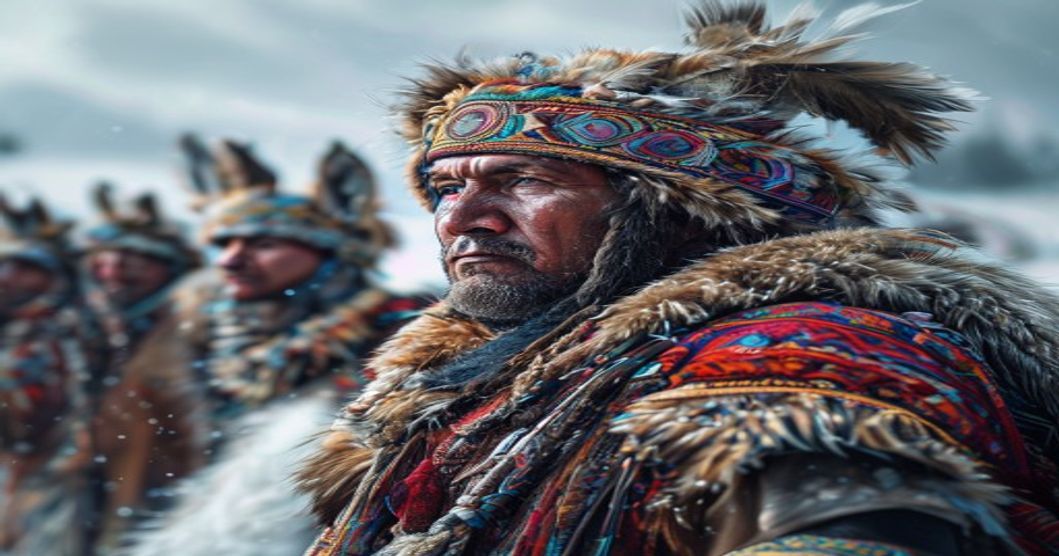
The Evolution of Sami Cultural Identity in the Modern Era
Linguistic Revitalization and Digital Documentation
The survival of Sami culture hinges on the active preservation of its linguistic diversity, which encompasses more than ten distinct dialects across the Arctic regions of Norway, Sweden, Finland, and Russia. Modern preservation strategies leverage digital language revitalization through AI-powered translation tools, open-source online dictionaries, and mobile applications designed to accelerate fluency among younger generations. UNESCO recognizes these languages as critically endangered, prompting grassroots initiatives that record oral histories, compile grammatical databases, and integrate Sami syntax into coding education platforms. By digitizing centuries of oral tradition, communities are creating permanent archives that resist linguistic erosion while fostering cross-generational communication.
Reindeer Herding and Land Rights in a Changing Climate
Sami reindeer herding remains the economic and spiritual cornerstone of indigenous identity, yet it faces unprecedented threats from climate instability, industrial expansion, and restricted grazing corridors. Rising temperatures disrupt lichen growth patterns, while renewable energy projects and logging operations fragment traditional migration routes. In response, Sami organizations have mobilized land rights advocacy campaigns that utilize satellite mapping, legal litigation, and international pressure to secure customary land tenure. These efforts emphasize climate-resilient pastoral practices, community-led environmental monitoring, and policy reforms that recognize indigenous stewardship as a vital component of Arctic biodiversity conservation.
Bridging Tradition with Contemporary Innovation
Technology-Driven Cultural Preservation
Innovation is no longer viewed as a threat to Sami heritage preservation but as a strategic tool for cultural continuity. Developers and indigenous technologists collaborate on blockchain-secured digital archives, ensuring that sacred knowledge, traditional ecological data, and artistic intellectual property remain under Sami control. Virtual reality platforms now simulate historical duodji craftsmanship, while machine learning algorithms analyze ancient joik melodies to identify structural patterns and generate educational modules. These tech-enabled cultural projects democratize access to indigenous knowledge while preventing misappropriation by external commercial entities.
Art, Fashion, and Sustainable Livelihoods
The global resurgence of interest in indigenous aesthetics has propelled Sami fashion innovation into mainstream markets, yet ethical production remains paramount. Contemporary designers reinterpret the traditional gákti using sustainable textiles, natural dyes, and fair-trade supply chains that respect cultural symbolism and prohibit unauthorized replication. Collaborative studios employ digital printing and 3D modeling to streamline duodji production without compromising artisanal quality, creating culturally sustainable economies that fund language schools, elder care programs, and youth entrepreneurship initiatives while maintaining strict community oversight over intellectual property rights.
Securing the Long-Term Legacy of Sami Heritage
Intergenerational Knowledge Transfer and Education
The continuity of Sami cultural legacy depends on structured knowledge transmission that merges formal education with experiential learning. Indigenous-led curricula now incorporate immersive language nests, seasonal migration camps, and master-apprentice duodji workshops into national school systems. Digital mentorship networks connect remote youth with elder knowledge keepers through live-streamed storytelling sessions, interactive mapping exercises, and peer-reviewed cultural databases. These intergenerational preservation models ensure that ecological wisdom, spiritual practices, and linguistic nuances are transmitted accurately, countering historical assimilation policies and fostering resilient cultural ecosystems.
Policy Frameworks and International Indigenous Advocacy
Long-term cultural sustainability requires robust legislative support and cross-border cooperation. The Sami Parliaments of Norway, Sweden, and Finland operate as consultative bodies that influence national policies on resource extraction, education funding, and media representation. Alignment with the UN Declaration on the Rights of Indigenous Peoples strengthens legal standing for territorial autonomy and cultural self-determination. International coalitions amplify Sami advocacy by hosting Arctic forums, publishing policy briefs, and partnering with UNESCO to classify sacred landscapes as protected heritage zones. These institutional frameworks establish enforceable standards that prioritize indigenous consent, ensure equitable benefit-sharing, and embed cultural preservation into global sustainability agendas.
Frequently Asked Questions
What is The Future of Sami Culture?
The future of Sami Culture focuses on the revitalization of indigenous languages, the protection of ancestral lands, and the adaptation of traditional practices like reindeer herding to modern environmental and political challenges. It emphasizes youth-led cultural preservation, digital documentation, and increased political representation across Norway, Sweden, Finland, and Russia to ensure long-term sustainability.
Key facts about The Future of Sami Culture
Key facts include the rapid decline of several Sami dialects prompting urgent educational initiatives, the legal establishment of Sami parliaments that influence regional policy, the integration of traditional joik music and duodji crafts into contemporary global markets, and the critical threat climate change poses to Arctic ecosystems that underpin Sami livelihoods and spiritual heritage.