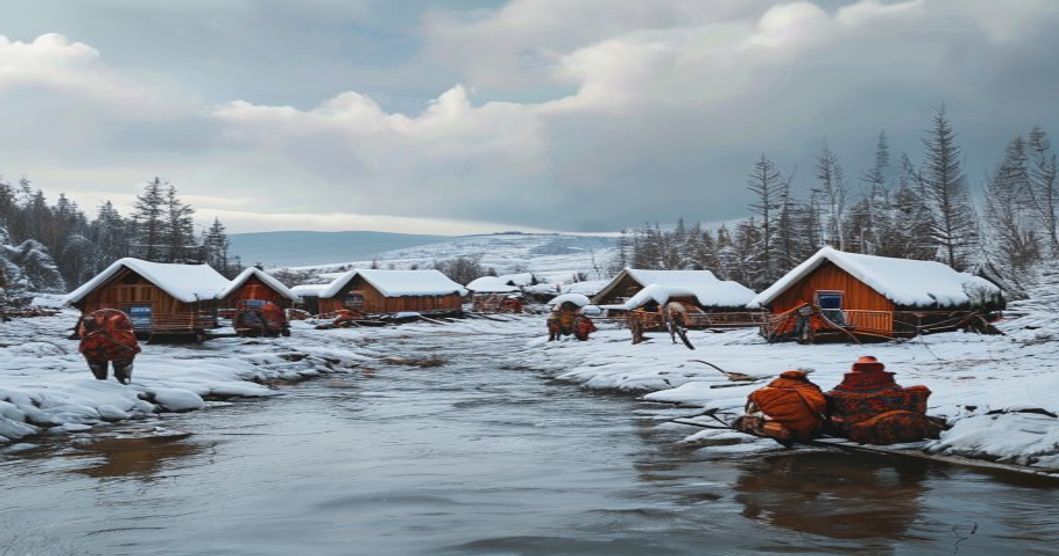
Understanding Sápmi: Cultural and Historical Context
The Sámi homeland, known as Sápmi, spans a vast Arctic and subarctic landscape across the northern territories of Norway, Sweden, Finland, and the Kola Peninsula of Russia. This region is not defined by modern political borders but by centuries of indigenous settlement, environmental adaptation, and cultural continuity. The Sámi people have inhabited these lands for over four thousand years, developing livelihoods deeply intertwined with the Arctic ecosystem. Reindeer herding, fishing, hunting, and seasonal migration routes form the foundation of traditional Sámi society, shaping a unique relationship with the land that remains legally and culturally significant today.
- Cultural Heritage: The Sámi maintain distinct languages belonging to the Uralic family, alongside rich traditions such as joik, a melodic form of vocal storytelling, and duodji, handcrafted leather and wood goods that serve both practical and artistic purposes.
- Historical Marginalization: From the eighteenth century onward, Scandinavian governments implemented forced assimilation policies that restricted indigenous language use in schools, prohibited traditional dress, and dismantled communal land rights. These measures intensified during the twentieth century with border treaties that divided Sápmi without consulting native communities.
- Political Recognition: The late twentieth century marked a turning point with the establishment of Sámi parliaments in Norway (1987), Sweden (1993), and Finland (1996). These institutions safeguard cultural rights, manage reindeer herding regulations, and advocate for land restitution through international frameworks like ILO Convention 169.
- Tourism Implications: Modern visitors often encounter Sápmi through commercialized Arctic tourism, which can inadvertently commodify living traditions. Respecting cultural boundaries means avoiding sacred sites, recognizing private reindeer pastures as working landscapes rather than photo opportunities, and prioritizing indigenous-led experiences that ensure economic benefits flow directly to native communities.
Understanding this historical trajectory is essential for ethical travel planning. Sápmi remains a dynamic region where ancient practices coexist with contemporary governance. Travelers who acknowledge the distinction between state-administered municipalities and indigenous cultural territories contribute to more sustainable and respectful tourism models. Consulting local organizations, learning basic regional geography, and recognizing reindeer herding seasons before visiting ensures that exploration aligns with ecological and preservation standards.
Geographic Boundaries and Indigenous Territories
The traditional homeland of the Sami people spans a vast Arctic and subarctic landscape known as Sápmi, crossing national borders that were established centuries after indigenous settlements were already in place. This territory encompasses northern Norway, Sweden, and Finland, alongside the Kola Peninsula in northwestern Russia. Modern political boundaries do not align with historical Sami land use patterns, which are defined by seasonal migration corridors, reindeer herding districts, and traditional ecological knowledge rather than fixed survey lines. Recognizing this distinction fundamentally shapes how visitors approach land navigation and cultural engagement.
Governance over these regions operates through overlapping jurisdictions and layered legal frameworks. In Norway, Sweden, and Finland, national authorities recognize distinct reindeer herding administrative zones where land management decisions require direct consultation with local Sami communities. Each country maintains a Sámi Parliament that holds advisory authority over cultural preservation, language rights, and resource allocation, though actual land ownership remains predominantly state-controlled. International instruments like ILO Convention 169 establish baseline protections for indigenous territorial rights, yet enforcement and interpretation differ across borders. Travelers must understand that entering remote valleys, coastal fjords, or inland plateaus often means crossing into areas where traditional livelihoods hold legally protected status.
- Semantic Place Names: Indigenous toponyms encode generations of navigational data, seasonal resource locations, and historical boundaries. These names remain active legal references in land dispute resolutions and tourism mapping.
- Seasonal Land Restrictions: Reindeer calving zones, fish spawning rivers, and alpine restoration areas frequently implement temporary access limitations during spring and summer months to prevent ecological disruption.
- Herding Corridor Compliance: Driving or camping across marked reindeer migration routes without local permits can interfere with livestock movement and violate regional land management statutes.
The landscape functions as a continuous cultural archive rather than a static scenic backdrop. Boreal forests, tundra ecosystems, and river networks have sustained Sami livelihoods through careful resource rotation and environmental monitoring. Visitors should verify current land use regulations before hiking, camping, or photographing restricted zones. Consulting official regional tourism authorities, indigenous cultural centers, and active land management guidelines ensures that exploration supports ecological preservation while honoring territorial sovereignty.
Historical Resilience and Contemporary Identity
The Sami people have maintained cultural continuity across Arctic Scandinavia despite centuries of state-driven assimilation campaigns. During the nineteenth and twentieth centuries, Norwegian, Swedish, and Finnish authorities implemented policies that restricted Sámi language use in schools, prohibited traditional reindeer herding practices near borders, and discouraged indigenous spiritual expressions. These measures aimed
Core Values of Sámi Communities
The foundational framework of Sámi society operates on a non-dualistic relationship between humans, animals, and the natural environment. Traditional land management rejects extractive models in favor of reciprocal stewardship, where ecological balance dictates human activity rather than economic output. This philosophy manifests most clearly in reindeer husbandry, which functions as both a livelihood and a cultural calendar. The practice requires strict adherence to migratory corridors that have remained unchanged for centuries. Interfering with grazing zones or blocking seasonal routes violates established ethical codes and disrupts the delicate nutritional cycle of both livestock and herders.
Social organization historically revolves around the siida, a self-governing community unit responsible for resource allocation, conflict resolution, and collective decision-making. Authority derives from demonstrated expertise and ancestral knowledge rather than formal titles. Wealth accumulation follows different parameters; material goods hold significance only when they fulfill immediate necessities or sustain cultural transmission. Handicrafts classified as duodji illustrate this standard perfectly. Every knife, belt, or boot incorporates locally harvested materials and generational techniques designed for durability and environmental compatibility. Language preservation operates under identical logic, with multiple dialects encoding precise meteorological, botanical, and zoological terminology that modern scientific frameworks often overlook.
Spiritual continuity integrates seamlessly into daily routines rather than existing within isolated ceremonies. The joik system documents geographic features, honors specific individuals, and maintains relational networks across vast distances. Seasonal gatherings align with astronomical markers and wildlife movements, reinforcing temporal cycles that predate standardized calendars. Visitors should recognize that indigenous communities prioritize collective privacy over individual exposure. Unapproved aerial photography, unauthorized equipment placement on grazing lands, or casual documentation of sacred locations breaches established social boundaries. Comprehending these structural values enables travelers to navigate Sápmi with appropriate awareness and cultural alignment.
Foundational Principles for Ethical Visitation
Engaging with Sami territories requires a structured approach that prioritizes indigenous sovereignty and ecological balance over casual exploration. The foundation of responsible visitation rests on recognizing that these lands are not vacant wilderness but active cultural landscapes managed through generations of reindeer husbandry practices. Travelers must acknowledge the legal frameworks governing Sápmi, including cross-border agreements between Norway, Sweden, Finland, and Russia, which explicitly protect grazing rights and land use restrictions.
- Cultural Consent Protocols: Always seek permission before entering private pastures, ceremonial sites, or family-owned duodji workshops. Public accessibility does not equate to unrestricted access.
- Reindeer Husbandry Awareness: Maintain strict distance from migratory routes and calving grounds. Interference with herd movements disrupts seasonal food cycles and violates traditional land management systems.
- Economic Alignment: Direct expenditure toward Sámi-owned enterprises, licensed cultural centers, and indigenous-run accommodations rather than external tour operators exploiting regional imagery.
Photography regulations demand particular attention. Capturing individuals without explicit consent violates personal privacy standards established by local Sámi councils. Documenting reindeer, landscapes, or traditional clothing requires prior approval from community representatives who manage cultural heritage preservation. Language sensitivity also shapes ethical engagement; learning basic Northern Sámi greetings demonstrates respect for linguistic revitalization efforts ongoing across municipal boundaries.
Seasonal timing directly impacts ecological and cultural integrity. Winter visits should avoid ice roads designated for livestock transport, while summer periods require adherence to Allemansrätten limitations in Scandinavian territories where sensitive nesting zones and berry-picking grounds remain protected under indigenous stewardship agreements. Registered guides affiliated with the Sámi Parliament provide verified pathways that align commercial activity with territorial management policies.
Historical context fundamentally informs modern visitation ethics. Centuries of assimilation policies necessitate current practices that actively counter cultural extraction. Travelers must approach educational materials sourced from external publishers critically, prioritizing publications authored by Sámi historians and community archives. Digital content consumption should follow the same verification standards applied to physical interactions.
Adopting a Learner Mindset Over Tourist Expectations
Traveling through Sápmi requires a fundamental shift from consumption to comprehension. Visitors often arrive with preconceived notions shaped by commercial tourism narratives, but authentic engagement demands unlearning those assumptions before arrival. Prepare by studying the historical context of Indigenous sovereignty, land rights, and the contemporary challenges facing reindeer herding communities. Understanding the difference between cultural performance and living tradition prevents superficial interactions and fosters genuine curiosity.
- Prioritize community-led experiences: Book tours directly with Sámi-owned organizations rather than third-party operators who may extract cultural elements for entertainment.
- Research regional variations: Sámi culture is not monolithic. North, South, and Mountain Sámi groups maintain distinct dialects, customs, and seasonal practices that require specific contextual knowledge.
- Practice consent-based documentation: Always ask permission before photographing individuals, dwellings, or sacred objects. Assume privacy norms are stricter than in urban environments.
- Acknowledge land protocols: Many grazing routes cross private and communal territories. Consult local Sámi associations for seasonal restrictions before hiking or camping.
When interacting with locals, replace transactional questions like “What time is the reindeer show?” with open-ended inquiries that acknowledge their expertise. Listen more than you speak, and recognize that silence holds equal value to dialogue in many Indigenous communication styles. Approach seasonal festivals such as Duodji or Joik not as spectacles but as expressions of ancestral continuity. Support local artisans by purchasing directly from craft cooperatives, ensuring revenue remains within the community rather than leaking into external supply chains.
Language etiquette matters significantly. Avoid mispronouncing Sámi names or reducing complex cultural concepts to English equivalents. Learn basic greetings in the local Sámi dialect relevant to your destination, and accept corrections gracefully. Environmental stewardship remains equally critical. Sámi livelihoods depend heavily on pristine landscapes for grazing and foraging. Stay on marked trails, avoid disturbing lichen fields, and carry out all waste regardless of distance from facilities. Travel during shoulder seasons when possible to reduce ecological strain and overcrowding. By positioning yourself as a student rather than a consumer, you transform each interaction into an opportunity for mutual respect and cultural preservation.
Navigating Cultural Sensitivity Without Appropriation
Understanding the distinction between cultural appreciation and appropriation requires recognizing the historical context of the Sámi people. For centuries, indigenous communities across northern Scandinavia faced assimilation policies that suppressed their languages, traditions, and land rights. Modern travelers must approach Sámi heritage with this reality in mind. Cultural exchange becomes appropriation when elements are extracted from their original context, commodified without consent, or stripped of their spiritual significance. The Sámi Parliament in each country actively monitors cultural misuse, making ethical engagement a legal and moral priority rather than an optional gesture.
Authentic interaction begins with supporting verified Sámi artisans and enterprises. When purchasing duodji, look for the official Sámi handicraft certification mark, which guarantees origin and traditional craftsmanship. Avoid souvenirs sold by non-indigenous vendors that feature replicated patterns or distorted symbolism. Directly visiting workshops in areas like Finnmark, Lapland, or northern Finland ensures your spending reaches the creators who preserve these techniques. Similarly, booking guided experiences through Sámi-owned tourism operators guarantees accurate storytelling and fair compensation for cultural knowledge sharing.
Respecting physical boundaries is equally critical. Reindeer herding pastures and sacred sites hold both economic and spiritual value. Always ask before photographing people, animals, or dwellings. Do not enter fenced grazing zones or approach reindeer without explicit permission from the herder. Land use in Sámi territories operates under customary rights that coexist with national legislation, meaning trespassing carries legal consequences beyond simple etiquette violations.
Engaging with Sámi music, storytelling, and seasonal festivals requires contextual awareness. Joik is not a performance genre but a personal or place-specific expression that demands respect. Attend public events hosted by cultural centers rather than seeking private gatherings. When learning traditional practices, prioritize educational programs led by indigenous instructors who explicitly invite participation.
- Prioritize certified duodji sellers and Sámi-owned tour operators.
- Ask permission before photographing individuals or sacred landscapes.
- Avoid purchasing mass-produced items labeled as authentic Sámi designs.
- Recognize that cultural knowledge is shared only when offered by the community.
Practical Guidelines for Daily Interactions
Engaging with Sámi communities requires a deliberate shift from standard tourism practices to culturally grounded behavior. Daily interactions in Sápmi revolve around reciprocity, silence, and recognition of indigenous land rights. When entering villages or local markets, prioritize direct engagement with residents over commercial intermediaries. Ask permission before approaching reindeer herders or photographing traditional lavvu structures. The concept of almmu extends to cultural knowledge but never to private family spaces or sacred sites like sieidi stones.
- Greeting Protocols: Use standard Norwegian, Swedish, or Finnish greetings initially. If a Sámi phrase is appropriate, bures or buoris demonstrates respect. Avoid mimicking accent patterns or using stereotypical expressions. Wait for locals to initiate deeper conversations about reindeer husbandry or joik traditions.
- Photography and Documentation: Reindeer herding operations are working landscapes, not photo backdrops. Maintain a minimum distance of fifty meters when vehicles approach grazing areas. Use telephoto lenses rather than approaching on foot. Always request explicit consent before photographing individuals, especially elders documenting traditional knowledge.
- Commercial Interactions: Purchase reindeer leather goods, duodji crafts, and food products directly from certified Sámi producers or cooperatives like Sámi Duodji. Verify authenticity through official markings. Avoid bargaining with indigenous artisans, as pricing reflects cultural labor and sustainable material sourcing.
- Environmental and Behavioral Norms: Stay marked on trails during grazing seasons to avoid disrupting reindeer migration corridors. Camp only in designated areas approved by local municipalities or Sami parliaments. Dispose of waste completely; organic matter decomposes slowly in Arctic ecosystems and attracts wildlife near settlements.
Communication styles in Sápmi favor observation over interruption. Silence carries functional weight during negotiations or storytelling. When invited to share coffee or meals, accept graciously but decline politely if dietary restrictions exist. Never touch reindeer antlers found on the ground; they belong to the herd owner and contain tracking data. Carry a physical map when hiking in herding zones, as mobile networks frequently fail. Report any damaged fences or wildlife encounters to local siida coordinators rather than national park rangers, who often lack indigenous context.
Communication Etiquette and Language Awareness
Engaging with Sami communities requires a deliberate shift from standard tourism behavior to culturally grounded interaction. The Sami language family comprises several distinct variants, including North Sami, South Sami, Lule Sami, Inari Sami, and Skolt Sami. Each carries unique phonetic structures, grammatical rules, and ecological vocabulary that reflect centuries of reindeer herding, fishing, and seasonal migration patterns. Visitors should recognize that attempting to pronounce Sami words without proper guidance can cause unintended offense. Instead of forcing pronunciation, listen actively and allow native speakers to lead conversations. When greeting locals, a simple nod or the phrase “Buoris” (North Sami for hello) delivered with genuine intent demonstrates respect far more effectively than perfect phonetics.
- Listen before speaking: Sami communication often values observational pauses over rapid dialogue. Silence is not awkwardness; it is a functional part of discourse that allows reflection and mutual understanding.
- Ask permission consistently: Never photograph individuals, reindeer herds, or sacred sites without explicit consent. Many Sami consider their livelihoods and spiritual landscapes deeply private.
- Learn foundational phrases: Memorize basic greetings, gratitude expressions, and directional terms in the specific regional variant. Even slight accuracy signals cultural humility.
- Avoid linguistic appropriation: Do not use Sami terms for commercial purposes or social media trends without community approval. Language carries historical weight that extends far beyond vocabulary lists.
Understanding contextual nuance is equally critical. Many Sami words describe precise environmental conditions, animal behaviors, or seasonal transitions that lack direct translations in dominant regional languages. When locals explain these terms, treat the exchange as educational rather than transactional. Direct questions about reindeer management, land rights, or political representation should only arise after trust is established through repeated, respectful encounters. Prioritize conversations about culture, craft, and landscape over extraction-style inquiries. Community members are accustomed to addressing tourism-related curiosity, but they distinguish sharply between genuine interest and performative engagement. Approach interactions with patience, verify facts through official Sami cultural centers or accredited guides, and always defer to local protocols when uncertainty arises. Consistent etiquette builds sustainable cross-cultural exchange that honors both linguistic heritage and contemporary Sami identity.
Dress Codes and Presentation of Traditional Attire
Traditional Sámi clothing, known as the gákti, carries deep cultural significance that extends far beyond practical warmth. Each region within Sápmi features distinct color palettes, embroidery patterns, and structural variations that historically indicated a wearer’s specific community, marital status, and social role. Understanding these nuances is essential before considering how to wear or represent this heritage as a visitor.
Wearing a gákti is not a cultural costume but a living tradition tied to identity and land. Visitors should avoid purchasing mass-produced replicas that dilute regional specificity or misrepresent Sámi craftsmanship. Instead, seek garments directly from Sámi artisans, cooperatives, or certified cultural enterprises. Authentic pieces are constructed using reindeer leather, wool, and natural dyes, with precise tailoring that requires local knowledge to wear correctly. Proper presentation includes fastening the belt according to traditional methods, aligning collar elements symmetrically, and ensuring the length respects regional standards rather than adapting to mainstream fashion preferences.
- Do not wear gákti as a costume or for festival entertainment. Reserve its use for cultural events where you have been explicitly invited or trained by community members.
- Recognize regional distinctions. Northern Sámi, Lule Sámi, Southern Sámi, and Inari Sámi garments differ significantly; wearing the wrong style can unintentionally erase local heritage.
- Support ethical sourcing. Purchase only from vendors who are Sámi-owned or operate under transparent cultural partnerships. Avoid souvenir shops that claim traditional status without Sámi oversight.
- Respect photography etiquette. Never photograph individuals in full gákti attire without direct consent, and avoid framing traditional dress as exotic or performative.
Practical considerations also play a role in respectful presentation. The gákti is engineered for extreme Arctic conditions, featuring layered construction and reinforced joints. Visitors should match their attire to seasonal demands, prioritizing wool insulation during winter and lighter linen blends in summer months when applicable. Additionally, maintaining the garment requires specialized care; improper washing or storage damages the natural fibers and compromises centuries-old weaving techniques.
Cultural respect ultimately stems from recognizing that Sámi clothing is not a prop for tourism but a continuous expression of sovereignty, adaptation, and artistic legacy. When travelers prioritize education over aesthetic adoption, they contribute to the preservation of Sápmi’s living heritage while navigating cross-cultural interactions with integrity.
Photography Protocols and Consent Practices
Approaching photography in Sami territories requires a fundamental shift from casual snapshot mentality to intentional, consent-driven documentation. Reindeer herding camps, traditional lavvu dwellings, and seasonal migration routes operate under distinct cultural frameworks where visual representation carries historical weight. Always initiate direct verbal consent before raising a camera or smartphone. Written agreements remain rare in mobile pastoral settings, making clear, respectful communication essential. Explain your purpose, specify how images will be used, and accept refusal without negotiation. Many Sami communities actively manage digital representations of their heritage through regional cultural centers that provide established media guidelines.
- Direct Verbal Consent: Approach individuals or group leaders face-to-face before photographing people, reindeer, or traditional structures. Clearly state your destination, equipment type, and intended usage for the images.
- Distance and Discretion: Utilize zoom lenses rather than physical intrusion. Long focal lengths allow documentation without disrupting animal behavior or herding routines. Maintain a respectful distance from active grazing areas and sacred sites marked by natural boundaries.
- Children and Minors: Exercise heightened caution when minors appear in frame. Seek explicit permission from accompanying adults before capturing identifiable images. Avoid posing subjects for commercial-style shots without clear agreement.
- Digital Sharing Protocols: Tag locations precisely but avoid geotagging sensitive reindeer pastures or unmarked cultural landmarks. Use platform privacy settings when sharing early-stage documentation until explicit permission is confirmed.
Equipment choices directly influence community reception. Avoid drone operations near Sami settlements without prior coordination with local municipalities and indigenous liaison officers. Unannounced aerial footage frequently violates regional privacy expectations and disrupts livestock movement patterns. When photographing traditional craftsmanship, focus on hands and materials rather than faces unless explicitly permitted. Many artisan workshops operate as family enterprises where intellectual property rights over designs remain actively protected under Nordic cultural heritage frameworks. Always carry translated consent cards in Northern Sami, Lule Sami, and Southern Sami to facilitate clear communication across dialect regions. Post-processing should never alter cultural symbols or misrepresent traditional garment patterns like gákti embroidery motifs. Verify all visual content against current community guidelines published by the Sami Parliament regional branches before publishing or licensing images commercially.
Protecting Reindeer Pastures and Migration Corridors
Reindeer herding operates on ancient seasonal rhythms that dictate the entire ecological and economic structure of Sápmi. When travelers cross unmarked terrain or drive off designated routes, they inadvertently fragment grazing lands and interrupt migration pathways. These corridors are not arbitrary lines on a map; they represent carefully mapped passages shaped by generations of knowledge regarding snow depth, lichen availability, and predator avoidance. Even a single vehicle track left in fragile tundra can take decades to heal, permanently altering the landscape herders depend upon.
Maintaining strict adherence to marked trails is the foundational rule for minimizing environmental disruption. Off-road driving, whether on foot or with motorized equipment, creates soil compaction that destroys the delicate lichen crusts reindeer rely on during winter months. Lichen grows at a rate of only two to three centimeters annually, making recovery from physical damage exceptionally slow. When crossing active pastures, always use existing bridges or designated crossings. Never shortcut around wooden fences or warning signs, as these barriers protect calving grounds and critical feeding zones. Reindeer are highly sensitive to sudden movements and loud noises, which can trigger stampedes or cause pregnant females to abandon their young.
Seasonal timing significantly influences herd movement patterns. Spring migrations follow meltwater routes toward summer pastures, while autumn journeys push her
Sustainable Transportation and Low-Impact Navigation
Navigating Sápmi responsibly requires careful consideration of transport modes and route selection to preserve fragile Arctic ecosystems and respect Indigenous land rights. Electric shuttle services operating between Tromsø, Rovaniemi, and Kiruna have significantly reduced carbon emissions along major corridors, while designated snowmobile trails prevent unnecessary tundra disruption. Travelers should prioritize public transit networks that connect regional hubs before transitioning to guided reindeer sleigh excursions, which align with traditional Sámi livelihoods and maintain cultural integrity.
Off-trail driving remains strictly prohibited in protected zones; GPS coordinates must be cross-referenced with municipal land-use maps issued by local Sami parliaments. Seasonal variations dictate viable routes—winter ice roads require studded tires certified for wildlife corridors, whereas summer fjord crossings demand high-capacity ferries that limit wake impact on coastal communities. Carpooling platforms integrated with regional tourism boards provide verified operators who follow Leave No Trace principles and contribute to local conservation funds.
- Permit Verification: Always confirm access rights through official Sámi cultural centers before entering uninhabited territories or seasonal grazing zones.
- Seasonal Route Adjustments: Monitor municipal transit alerts for ice road closures and summer ferry schedule modifications that protect breeding habitats.
- Noise & Light Management: Maintain strict silence after dusk near settlements to avoid disturbing nocturnal wildlife and traditional herding patterns.
- Battery Disposal Protocols: Utilize designated recycling stations along transport arteries for electric vehicle components to prevent soil contamination.
Navigating without a designated guide in remote municipalities increases the risk of encroaching on sacred sites or reindeer grazing territories. Low-impact navigation also involves minimizing light and noise pollution during twilight hours, particularly when approaching settlements where nocturnal wildlife patterns remain undisturbed by human activity. Choosing bicycle-assisted hiking trails over motorized access preserves soil composition and prevents erosion in permafrost zones. Municipal recycling stations along transport arteries accept battery waste from electric vehicles, ensuring responsible disposal practices. Prioritizing direct routes reduces fuel consumption and limits exposure to sensitive breeding grounds. Local transit authorities publish real-time occupancy data to help travelers consolidate trips, decreasing overall vehicular presence in ecologically vulnerable corridors. Always consult updated land management guidelines before entering remote municipalities, as seasonal grazing migrations frequently alter accessible pathways.
Waste Management and Leave No Trace Adaptations
Arctic and subarctic ecosystems decompose organic matter at a fraction of the speed found in temperate zones. Permafrost layers, low microbial activity, and prolonged freezing temperatures mean that food wrappers, cigarette butts, and even biodegradable materials can persist for decades. In Sápmi, where reindeer herding routes overlap with fragile tundra vegetation, waste management requires strict adherence to modified Leave No Trace protocols designed for high-latitude environments.
- Pack It In, Pack It Out: Every piece of trash, including fruit peels, tea bags, and toilet paper, must be carried out. Natural decomposition does not occur reliably until spring thaw, and leaving items behind contaminates grazing corridors and water sources.
- Human Waste Disposal: Do not dig catholes in tundra or near reindeer pastures. Use designated composting toilet facilities at registered campsites or carry certified waste removal kits. In winter conditions, store waste in sealed containers until reaching the next municipality’s disposal point.
- Soaps and Hygiene Products: Conventional biodegradable soaps lose effectiveness below four degrees Celsius. Switch to waterless hand sanitizers, dry shampoo powders, and microfiber washing bags for gear cleaning. Dispose of all hygiene wastewater at least sixty meters from streams and lakes.
- Fire and Cooking Waste: Many Sami municipalities enforce strict fire bans to protect lichen beds that serve as primary reindeer fodder. Utilize existing tourist cabins, laavus equipped with stoves, or portable camping cookstoves. Ash should be fully cooled and transported out if no designated ash disposal zones exist.
- Cultural and Ecological Buffer Zones: Never discard waste near duodji crafting sites, sacred rock formations, or seasonal reindeer corrals. These areas hold both ecological significance and cultural heritage that requires unbroken preservation.
Trail networks in Norway, Sweden, and Finland are increasingly monitored by local Sami reindeer husbandry associations. Carrying out waste not only protects fragile vegetation but also prevents livestock from ingesting plastics or exposed packaging. During polar night months, pack a dedicated odor-proof bag system for food scraps and hygiene items. Follow municipal waste regulations strictly, as crossing into protected national parks often requires pre-registered camping permits with waste tracking requirements. Consistent compliance ensures sustainable access to Sami regions while honoring indigenous land stewardship practices.
Economic Support and Community Engagement
Direct financial contributions form the backbone of sustainable indigenous tourism. When travelers prioritize local enterprises, they help preserve cultural practices that depend on viable economic ecosystems. The Sámi economy relies heavily on reinvestment through tourism, making conscious spending decisions critical. Seek out family-run guesthouses, independently operated guided tours, and locally owned restaurants that source ingredients from regional producers. Avoid large international chains or tour operators that extract profits without redistributing value to the host community. Verify business ownership by checking official registries or asking directly about management structures.
- Verify Ownership & Revenue Streams: Confirm that tour operators and accommodation providers are majority-owned by Sámi residents. Request transparency regarding profit distribution, licensing fees, and municipal tax contributions.
- Purchase Authentic Duodji Directly: Traditional handicrafts require specialized knowledge passed through generations. Buy exclusively from certified artisans who display official registration marks. Avoid mass-produced replicas that bypass indigenous creators and dilute cultural value.
- Negotiate Fair Compensation Models: Guide fees, photography permissions, and storytelling sessions require structured rates reflecting expertise rather than charity. Establish clear boundaries before visits to reindeer herding camps or cultural gatherings.
Community-led tourism initiatives operate with explicit consent and structured benefit-sharing agreements. These programs allocate revenue toward youth education, language revitalization projects, and environmental monitoring. Engage with cooperatives that publish annual impact reports detailing fund allocation. Local economies also depend on seasonal workforce stability. Hire regional drivers, winter transport specialists, and multilingual interpreters who receive living wages aligned with current industry standards. Avoid off-platform bookings that bypass transparent payment gateways.
Sustainable economic participation extends beyond transactional moments. Allocate budget portions specifically for indigenous-led cultural centers, research foundations, and conservation trusts. These entities maintain ecological balance while safeguarding traditional land-use practices. Financial decisions ultimately determine whether tourism reinforces cultural autonomy or accelerates displacement. Prioritize enterprises that publish audited financial statements, demonstrate community board representation, and implement profit-sharing mechanisms aligned with Sámi self-determination frameworks.
Prioritizing Sámi-Owned Businesses and Artisan Markets
Directly engaging with Sámi-owned enterprises transforms tourism from a passive observation into an active contribution to cultural continuity. When travelers deliberately seek out indigenous-run shops, cooperatives, and craft studios, they bypass commercial intermediaries that often dilute the authenticity of traditional goods. The Sámi concept of duodji encompasses more than decorative items; it represents a living documentation of regional history, ecological knowledge, and seasonal rhythms. Purchasing authentic duodji directly from creators ensures that financial returns flow straight to the artisans who maintain reindeer herding traditions, fur preparation techniques, and needlework patterns passed down through generations.
Identifying legitimate Sámi businesses requires attentive research before arrival. Prioritize establishments displaying clear indigenous ownership credentials or collaborating with recognized cultural foundations. Artisan markets across Finnmark, Troms, Nordland, and Swedish Lapland typically feature vendor stalls where creators demonstrate their techniques live. Genuine pieces carry distinct regional signatures: the geometric motifs vary by local dialect area, antler work follows sustainable harvesting protocols, and reindeer leather undergoes traditional brain-tanning methods rather than industrial processing. Look for product tags that specify the maker’s name, village origin, and material sourcing.
- Verify ownership structure: Confirm whether the business operates under Sámi community governance or independent indigenous partnerships.
- Seek seasonal authenticity: Traditional craft production aligns with reindeer migration cycles and daylight hours, meaning inventory shifts naturally throughout the year.
- Prioritize direct transactions: Purchase exclusively from makers who explain their process, ensuring your expenditure supports skill transmission rather than wholesale distribution networks.
Economic empowerment through conscious purchasing directly strengthens language revitalization initiatives and youth apprenticeship programs within indigenous communities. Many Sámi cooperatives reinvest craft revenues into educational scholarships, traditional food preservation projects, and land stewardship efforts. Travelers who commit to these supply chains help reduce dependency on mass-produced souvenirs while validating the commercial viability of indigenous craftsmanship. This approach fosters a sustainable tourism model where cultural integrity remains intact, local economies thrive independently, and visitors carry home pieces that genuinely reflect Sámi heritage rather than generic regional stereotypes. Understanding proper handling techniques for untreated leather and natural dyes further extends the lifespan of these purchases, honoring the maker’s labor through responsible long-term care.
Participating in Guided Experiences with Cultural Authenticity
Engaging with guided tours in Sami territories requires a deliberate shift from passive tourism to active cultural exchange. Reputable operators prioritize direct collaboration with indigenous communities, ensuring that itineraries reflect actual Sámi daily life rather than staged performances. When selecting a guide, verify their lineage and training through official Sámi tourism certification programs. Authentic experiences often revolve around reindeer herding camps, traditional duodji craft workshops, or joik singing sessions that occur in private contexts but are shared with permission-based visitors.
Always approach photography with explicit consent; documenting sacred sites, livelihoods, or personal moments without agreement violates both ethical standards and local regulations. Guides typically establish protocols for interaction, such as removing footwear before entering lavvu tents, observing dietary restrictions during shared meals, or maintaining quiet during reindeer grazing periods. These practices preserve the dignity of Sámi heritage while providing travelers with unfiltered access to living traditions.
- Verify Community Ownership: Book exclusively through cooperatives managed by local Sámi organizations to ensure revenue directly funds language revitalization and land stewardship initiatives.
- Respect Seasonal Rhythms: Authentic itineraries follow traditional migration patterns rather than commercial schedules; winter expeditions demand specialized gear while summer activities focus on berry harvesting and livestock management.
- Learn Basic Terminology: Using correct Sámi greetings demonstrates respect and frequently opens deeper conversations about indigenous rights, environmental conservation, and historical resilience.
Prepare physically and mentally for operational variations, as genuine experiences continue year-round regardless of tourist demand. Cultural authenticity operates as a continuous practice maintained by generations who view the Arctic landscape as an ancestral home rather than a scenic backdrop. Prioritize interactions that emphasize education over entertainment, ensuring your presence contributes to the preservation of Sámi knowledge systems instead of extracting them.
Advocating for Fair Compensation and Transparency
Economic leakage remains one of the most significant challenges for indigenous tourism destinations across Sápmi. When visitors spend money through large international platforms or non-indigenous intermediaries, a substantial portion of revenue bypasses local communities entirely. Advocating for fair compensation requires travelers to prioritize direct economic pipelines that route funds straight to Sami families, cooperatives, and cultural institutions. Transparent pricing models eliminate hidden fees and ensure that every krona spent contributes directly to livelihood preservation, reindeer herding sustainability, and language revitalization programs.
Verifying business ownership and operational transparency should be the first step before booking any guided experience or accommodation. Look for verified Sami-owned certifications, regional tourism board endorsements, and clear disclosure of profit distribution. Reputable operators publish detailed breakdowns of service fees, guide wages, and community reinvestment percentages. Travelers must demand explicit answers regarding how cultural knowledge, traditional crafts, and landscape access are compensated. Intellectual property rights tied to indigenous storytelling, joik performances, and seasonal migration routes require contractual clarity that prevents unauthorized commercialization.
- Prioritize direct bookings: Reserve experiences through official regional tourism websites or verified indigenous cooperatives rather than third-party aggregators that impose opaque commission structures.
- Request financial transparency reports: Ethical operators provide annual impact statements detailing revenue allocation, local hiring percentages, and cultural preservation funding.
- Verify Sami ownership status: Cross-check business registration documents with regional indigenous authorities to confirm majority Sami equity and decision-making control.
- Avoid cash-based unregulated transactions: Insist on documented contracts that specify service scope, compensation rates, and cultural usage rights before entering any agreement.
Fair compensation functions as a protective mechanism against cultural commodification. When indigenous communities retain full economic control over tourism infrastructure, they dictate pacing, capacity limits, and seasonal access boundaries. This financial autonomy enables long-term planning for youth education, elder care, and traditional craft workshops that would otherwise collapse under market pressure. Travelers who commit to transparent spending patterns directly strengthen community-led governance models. Industry operators must adopt standardized disclosure frameworks, implement third-party audits, and eliminate dynamic pricing algorithms that exploit geographic isolation. Sustainable tourism in Sápmi depends entirely on financial accountability, verifiable ownership structures, and consistent reinvestment into the social fabric that sustains these regions for future generations.
Logistical Planning and Seasonal Considerations
Traveling through Sápmi demands precise coordination because infrastructure operates within extreme Arctic conditions and indigenous land management frameworks. Public transportation networks remain sparse beyond municipal centers, making advance booking essential for regional trains, express buses, and charter flights from Tromsø, Kiruna, Rovaniemi, or Alta. Winter road travel requires vehicles equipped with studded tires, snow chains, and reliable four-wheel drive systems. Many gravel routes transform into ice-packed tracks during December through March, and navigation apps frequently lose signal beyond established towns. Carrying a physical topographic map, a satellite messenger, and emergency fuel reserves prevents stranded situations when mobile networks drop entirely.
- Transportation Windows: Ferry schedules between coastal Sámi communities adjust seasonally, with reduced frequency during heavy snowfall months. Winter road buses often prioritize reindeer herding routes over tourist detours.
- Accommodation Availability: Traditional lavvu camps and remote mountain lodges operate on strict capacity limits to protect fragile tundra ecosystems. Reservations typically require deposits six to eight months ahead for December through February visits.
- Cross-Border Requirements: Sápmi spans Norway, Sweden, Finland, and Russia. Current geopolitical restrictions limit eastern border crossings, making western Sápmi the primary accessible zone. Valid passports, Schengen compliance checks, and regional herding permits remain mandatory for accessing reindeer grazing corridors.
Seasonal shifts dictate every logistical decision across the region. Winter visitors face polar night conditions lasting up to sixty days in northern coordinates, requiring headlamps with red-light modes to preserve local wildlife behavior and respect traditional hunting cycles. Temperatures regularly plunge between minus twenty and minus forty degrees Celsius, demanding layered clothing systems and insulated boots rated for extreme cold. Summer brings midnight sun phenomena that disrupt sleep patterns unless blackout curtains are secured in advance. River crossings become treacherous during May snowmelt and September freeze-up periods, often requiring guided assistance or seasonal detours lasting several weeks. Spring thaw creates fýra where ground conditions prohibit off-road movement, protecting vulnerable reindeer lichen pastures from tire damage. Autumn offers stable weather windows for photography and cultural workshops, but daylight hours compress rapidly after September equinox. Planning around these natural cycles ensures both visitor safety and minimal impact on ongoing Sámi livelihoods.
Timing Your Visit Around Cultural Calendars and Natural Cycles
Planning a trip to Sámi territories requires aligning your itinerary with the rhythms of indigenous livelihoods and seasonal transformations. The Sámi world operates on dual calendars that dictate land use, cultural practices, and community gatherings. Reindeer herding follows strict migration routes dictated by forage availability and weather patterns, while cultural events revolve around traditional markers like the winter solstice, spring calving season, and autumn slaughter period. Visiting during these active phases without understanding their significance can disrupt pastoral routines or intrude on private family operations.
Cultural calendars vary significantly across Sápmi due to regional differences in language groups and historical settlement patterns. The Duodji craft tradition peaks before summer festivals when artisans prepare goods for trade, while winter markets align with reindeer migration stops. Local Sámi centers publish annual event schedules that highlight public gatherings such as the Joik Festival or Reindeer Games, but these dates shift annually based on community consensus and environmental conditions. Always verify programming through official regional tourism boards or directly contacted Sámi associations before finalizing travel dates.
- Spring (March to May): Calving season restricts vehicle access to designated grazing corridors. Wildlife photography tours should follow established guidelines to avoid stressing reindeer mothers and calves.
- Summer (June to August): Midnight sun enables extended cultural workshops, but forest fires often limit hiking routes. Prioritize guided experiences led by certified Sámi operators who manage land use responsibly.
- Autumn (September to November): Herders conduct seasonal drives and slaughter preparations. Public viewing areas are explicitly marked; unauthorized entry into working landscapes violates traditional land rights.
- Winter (December to February): Aurora visibility peaks, but extreme cold dictates travel windows. Snowmobile routes follow ancient reindeer trails, requiring permits from local grazing cooperatives.
Natural cycles directly influence infrastructure availability and cultural access. Mountain huts, ferry services, and border crossings operate on reduced schedules outside peak months, making flexible booking essential. Satellite weather data and regional Sámi news outlets provide real-time updates on ice conditions, pasture accessibility, and community announcements. Respecting these temporal boundaries demonstrates recognition of Sámi sovereignty over their ancestral territory and ensures your presence supports rather than strains local ecosystems.
Accommodation Standards and Community-Approved Lodging Options
Choosing where to stay in Sami territories directly influences the cultural integrity and economic stability of indigenous communities. Community-approved lodging operates under strict ethical guidelines established by local Sámi councils and regional tourism authorities. These establishments prioritize cultural preservation, environmental stewardship, and fair compensation for host families. When evaluating options, verify that properties display official certifications from organizations such as the Sámi Tourism Association or equivalent regional bodies. Unverified listings often lack transparency regarding land rights, revenue distribution, and cultural protocols.
Accommodation standards in these regions emphasize low-impact infrastructure designed to protect fragile Arctic ecosystems. Structures typically utilize geothermal or solar energy systems, closed-loop water filtration, and biodegradable maintenance products. Waste management follows zero-discharge protocols to prevent contamination of tundra soils and reindeer grazing corridors. Guests should expect clear documentation regarding land use permissions, as many properties operate on customary Sámi territories with explicit seasonal restrictions. Properly managed lodgings maintain detailed logs of visitor impact, which are reviewed annually by community oversight committees.
- Ownership Verification: Prioritize businesses registered under Sámi enterprises or cooperative structures. Direct communication with property managers confirms alignment with community protocols and current land agreements.
- Cultural Integration Requirements: Approved lodgings provide structured opportunities to learn traditional practices, including reindeer herding techniques, duodji craft demonstrations, and seasonal migration patterns. These experiences remain optional but are clearly outlined in booking descriptions without cultural commodification.
- Sustainability Metrics: Look for documented carbon footprint reductions, local sourcing of food ingredients, and partnerships with regional conservation initiatives. Reputable operators publish annual impact reports accessible through their official websites, detailing water usage, energy generation, and community investment allocations.
Booking channels matter significantly. Third-party platforms often obscure ownership details and revenue distribution. Direct reservations through official Sámi tourism portals ensure funds reach community development projects, cultural education programs, and infrastructure maintenance. Some establishments require advance notice for group sizes to prevent overcrowding on sensitive grazing lands. Seasonal availability aligns with natural cycles rather than commercial demand, which means flexibility in travel dates increases access to authentic experiences while reducing pressure on local resources.
Guest responsibilities extend beyond financial transactions. Noise restrictions apply during dawn and dusk periods when reindeer movements intensify and wildlife activity peaks. Photography guidelines prohibit unauthorized documentation of sacred sites, private family spaces, or ceremonial areas. Hosts provide detailed pre-arrival briefings covering trail etiquette, wildlife distance requirements, and emergency protocols specific to northern climates. Compliance with these expectations maintains trust between visitors and host communities while preserving the ecological balance that defines Sámi territory.
Emergency Preparedness in Remote Arctic Environments
Traveling through the Sámi regions demands strict adherence to emergency protocols that account for extreme isolation, rapidly shifting weather patterns, and fragile ecosystems. Remote Arctic zones lack reliable cellular coverage and commercial rescue infrastructure, making self-reliance a non-negotiable baseline. Visitors must carry satellite communication devices capable of sending GPS coordinates to local search and rescue teams or international SOS services. Relying solely on smartphones leads to dead zones where response times stretch from hours to days.
- Pack insulated emergency shelters rated for sub-zero temperatures, including bivvy bags and windproof layers designed for prolonged exposure.
- Carry mechanical navigation tools such as topographic maps, compasses, and altimeters, since digital devices fail in freezing conditions and heavy snowfall.
- Maintain a multi-day supply of high-calorie rations, water purification tablets, and chemical hand warmers to sustain body heat during unexpected stranded scenarios.
Environmental hazards in the north require proactive monitoring rather than reactive measures. Whiteout conditions erase horizons within minutes, causing experienced hikers to lose orientation. Ice thickness on frozen lakes and rivers fluctuates unpredictably due to wind drift and thermal currents, making unauthorized crossing a leading cause of fatal incidents. Respectful travelers verify ice safety with local authorities or Sámi herders who read natural indicators like snow depth, water flow patterns, and wildlife behavior.
- Register travel itineraries with regional emergency centers before entering uninhabited zones.
- Avoid setting up camps near reindeer grazing corridors or seasonal migration paths to prevent herd disruption and legal violations under Sámi land use agreements.
- Learn basic hypothermia recognition and frostbite first aid procedures specific to Arctic exposure timelines.
Cultural awareness directly impacts emergency response effectiveness. Local Sámi communities maintain traditional knowledge of safe passage routes, shelter locations, and weather forecasting methods passed through generations. When assistance becomes necessary, contacting regional rescue organizations operating under indigenous oversight ensures culturally appropriate handling and faster coordination with herding patrols familiar with the terrain. Unauthorized drone usage, off-trail vehicle movement, or disturbing wildlife during crises compounds risks and violates environmental protection statutes across Norway, Sweden, and Finland. Preparedness in these territories means balancing technical readiness with respect for living landscapes and indigenous sovereignty.
“`html
Frequently Asked Questions: Respectful Travel Tips for Visiting Sami Regions
What is Respectful Travel Tips for Visiting Sami Regions?
Respectful travel tips for visiting Sami regions are a set of culturally sensitive guidelines designed to help travelers honor the traditions, autonomy, and environment of the indigenous Sami people who inhabit northern parts of Norway, Sweden, Finland, and Russia’s Kola Peninsula. These tips emphasize obtaining permission before photographing people or private property, supporting Sami-owned businesses, avoiding interference with reindeer herding activities, learning basic Sami greetings, and staying on marked trails to protect fragile Arctic ecosystems.
Key facts about Respectful Travel Tips for Visiting Sami Regions
The key facts include: (1) The Sami are the only indigenous people within the European Union and have their own parliaments in Norway, Sweden, and Finland; (2) Reindeer herding is a central pillar of Sami culture and livelihood, and travelers must never approach or disturb reindeer herds or handlers; (3) Many sacred Sami sites, such as noaidi stones and duodji (handicraft) workshops, are private property—always ask before entering or taking photos; (4) Wearing authentic Sami gákti (traditional clothing) as a costume is considered disrespectful unless worn by a Sami person in appropriate cultural contexts; (5) Travelers should prioritize eco-friendly and culturally respectful tour operators certified by Sami organizations to ensure their tourism revenue directly benefits Sami communities.
“`
“`json
{
“@context”: “https://schema.org”,
“@type”: “FAQPage”,
“mainEntity”: [
{
“@type”: “Question”,
“name”: “What is Respectful Travel Tips for Visiting Sami Regions?”,
“acceptedAnswer”: {
“@type”: “Answer”,
“text”: “Respectful travel tips for visiting Sami regions are a set of culturally sensitive guidelines designed to help travelers honor the traditions, autonomy, and environment of the indigenous Sami people who inhabit northern parts of Norway, Sweden, Finland, and Russia’s Kola Peninsula. These tips emphasize obtaining permission before photographing people or private property, supporting Sami-owned businesses, avoiding interference with reindeer herding activities, learning basic Sami greetings, and staying on marked trails to protect fragile Arctic ecosystems.”
}
},
{
“@type”: “Question”,
“name”: “Key facts about Respectful Travel Tips for Visiting Sami Regions”,
“acceptedAnswer”: {
“@type”: “Answer”,
“text”: “The key facts include: (1) The Sami are the only indigenous people within the European Union and have their own parliaments in Norway, Sweden, and Finland; (2) Reindeer herding is a central pillar of Sami culture and livelihood, and travelers must never approach or disturb reindeer herds or handlers; (3) Many sacred Sami sites, such as noaidi stones and duodji (handicraft) workshops, are private property—always ask before entering or taking photos; (4) Wearing authentic Sami gákti (traditional clothing) as a costume is considered disrespectful unless worn by a Sami person in appropriate cultural contexts; (5) Travelers should prioritize eco-friendly and culturally respectful tour operators certified by Sami organizations to ensure their tourism revenue directly benefits Sami communities.”
}
}
]
}
“`