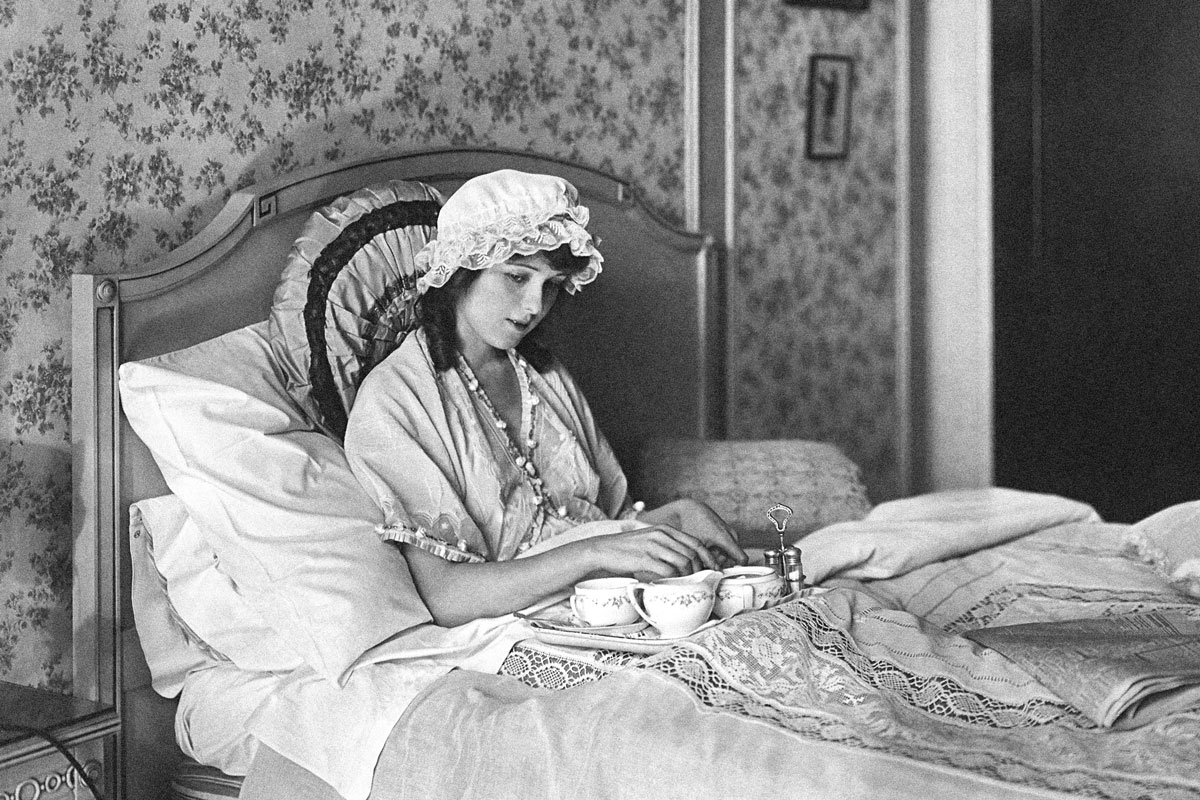
If you picture bedtime a few centuries ago, you might imagine a candle flickering low, a heavy bed curtain drawn tight, and a soft cap pulled snugly over the sleeper’s head. Nightcaps show up so often in early modern portraits and literature that they can feel like a quaint cliché. But for the people who wore them, these caps served practical, medical, and even social purposes. They were, in short, small garments with a surprisingly large job. Here’s a look at why they were worn.
Keeping Warm in a Cold World
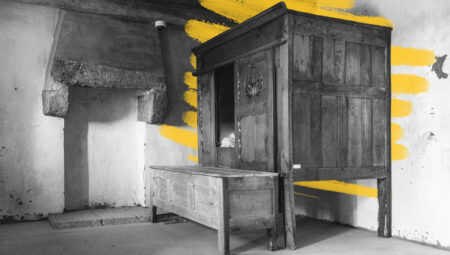
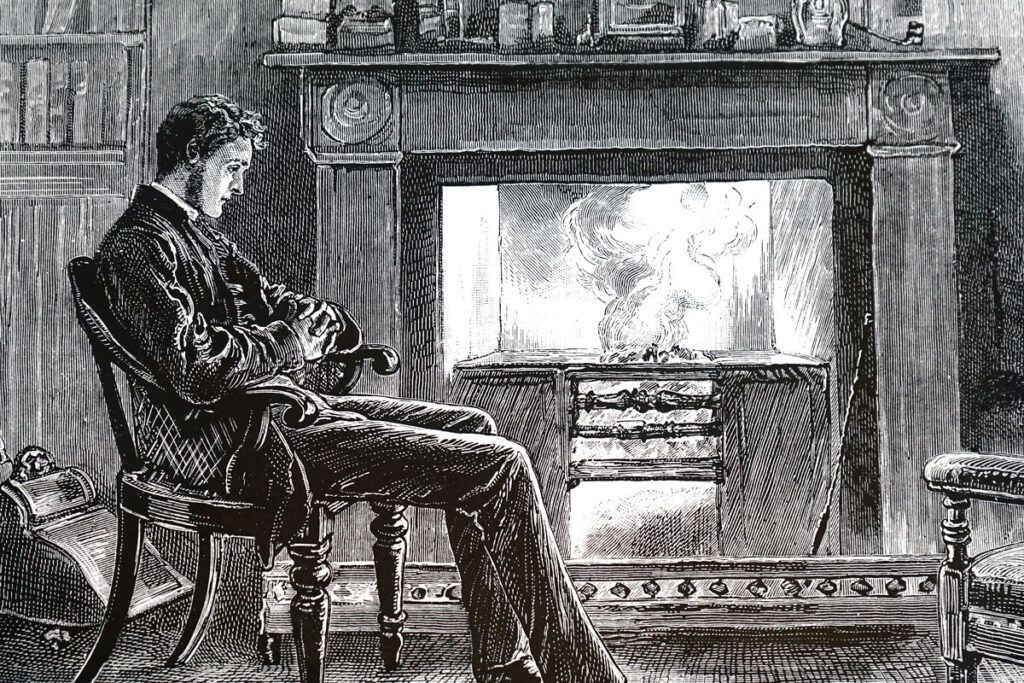
One of the simplest reasons for nightcaps is also one of the most important: warmth. Before the widespread use of central heating, homes were notoriously cold at night. Even well-to-do households relied on fireplaces that burned down after bedtime, leaving rooms chilly by morning. Drafts slipped through ill-fitting windows and doors, and insulation was minimal or nonexistent.
In that environment, a nightcap functioned as a form of thermal protection. Just as people layered blankets and wore long nightgowns, they covered their heads to retain heat. The head, after all, is a major site of heat loss, and keeping it covered could make a noticeable difference in comfort.
Historical accounts confirm how persistent that overnight chill could be. In 1601, English official Thomas Sackville, 1st Earl of Dorset and Lord High Treasurer, complained that despite putting on “a very warm night cap,” he still felt a creeping cold that seemed to herald illness. The cap helped, but it was not always enough against the realities of early modern interiors.
— advertisement —
Guarding Against “Bad Air”
Warmth alone doesn’t fully explain the nightcap’s importance. For centuries, people believed that nighttime air itself could be dangerous.
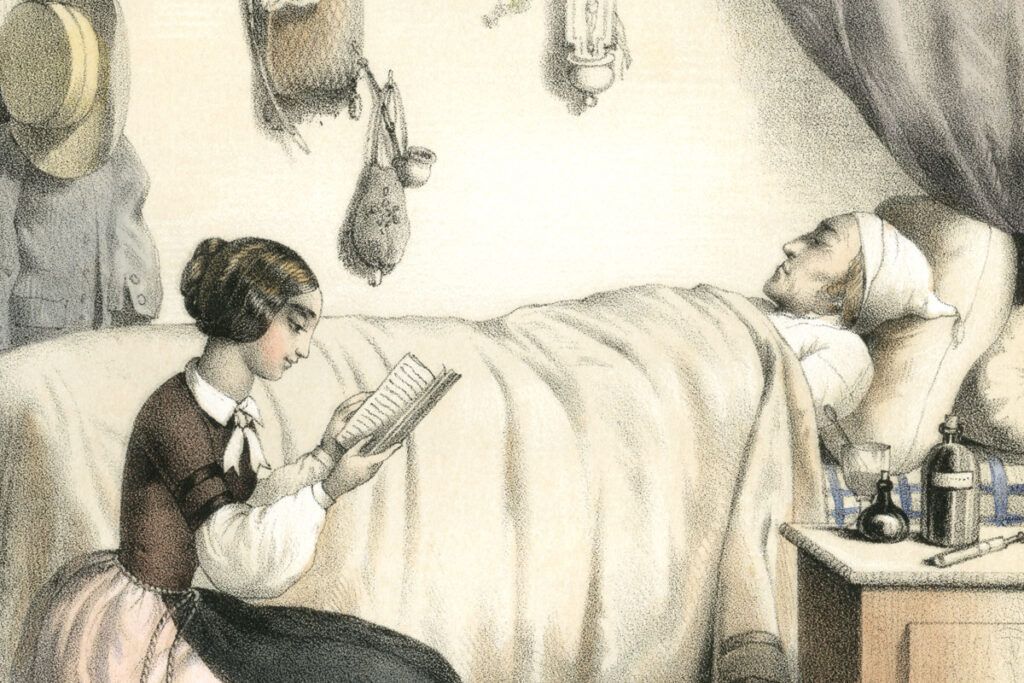
Before the rise of germ theory in the late 19th century, many physicians subscribed to versions of what’s now called miasma theory — the idea that diseases were caused by harmful vapors, or “bad air,” rising from the ground, stagnant water, or decaying matter. These vapors were thought to be especially potent at night, when dampness and cool temperatures intensified their effects.
Medical advice from the 1800s reflects this concern. Doctors warned that evening air could carry moisture and disease, recommending that windows be shut before sleep to keep out both chill and “malaria” — a term that originally meant “bad air,” not the mosquito-borne illness we recognize today. It was only once the warmth of the morning had burned off the poisonous mists that it was considered safe to open the window again.
Within this framework, a nightcap was more than cozy. Nightcaps were worn indoors not only to keep a person warm, but also to insulate the body against drafts thought to trigger sickness. The boundary between comfort and health was thin — and clothing was expected to manage both.
— advertisement —
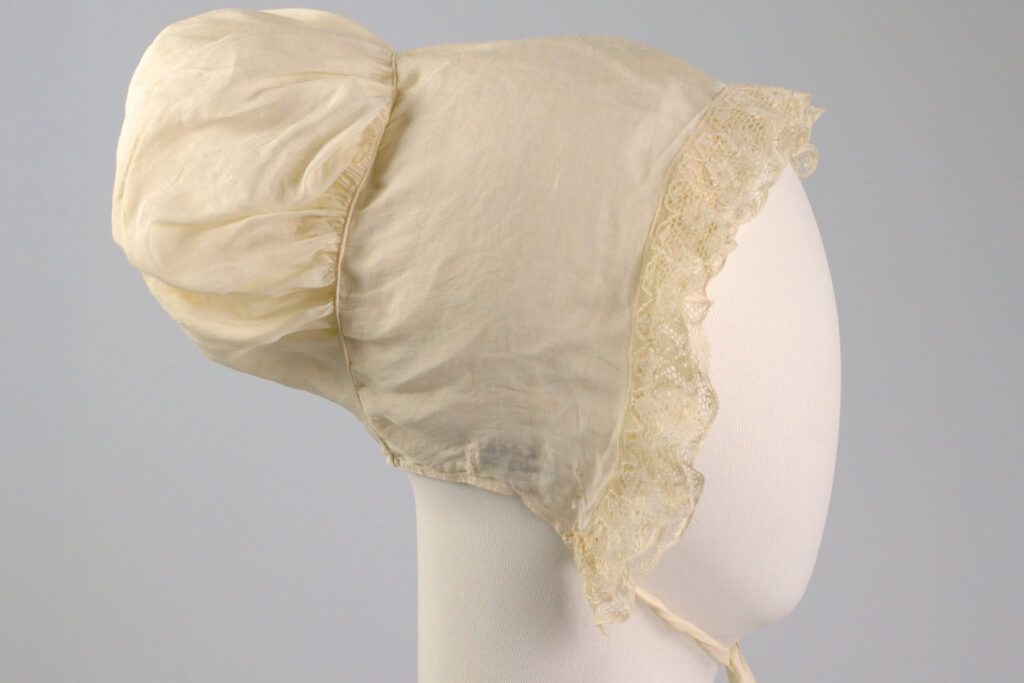
Hygiene and Hair Care
Nightcaps also played a role in everyday hygiene — though not in the way we might think today. People in early modern Europe did not wash their hair frequently, and grooming routines often involved oils, pomades, or powders. These substances could easily transfer onto bedding, which itself was not washed as regularly as modern sheets.
A nightcap helped contain all of that. It kept hair tidy, prevented tangling, and acted as a barrier between the head and the bed. In shared sleeping arrangements or households where linens were reused, this barrier mattered and could be especially helpful against pests. The cap could also help preserve hairstyles overnight.
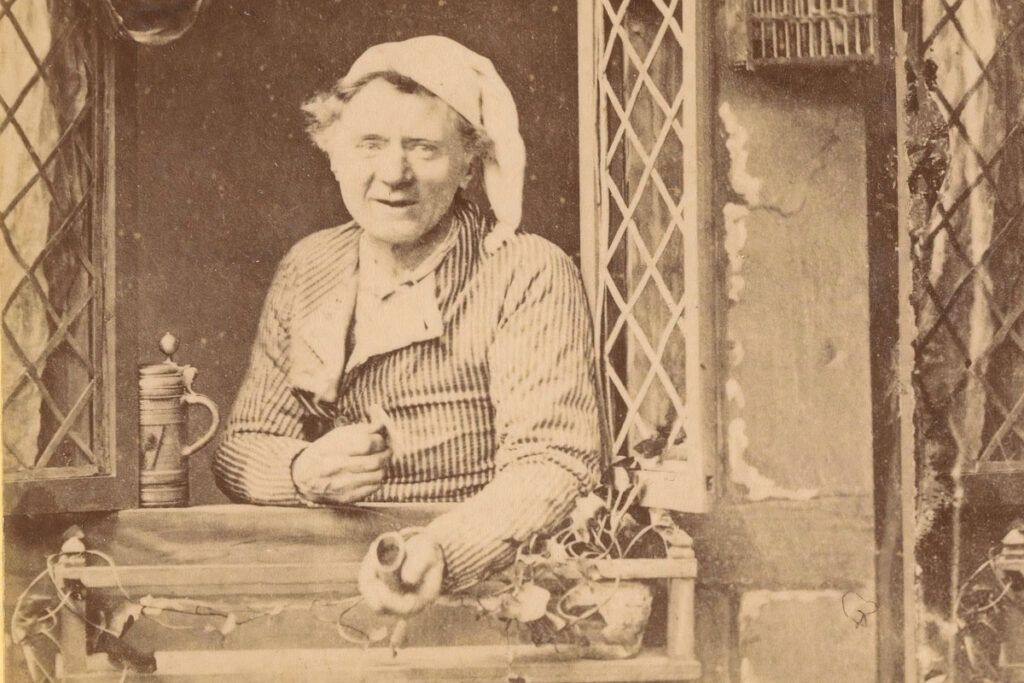
Not Just for Bed
Despite being associated with sleep, nightcaps were not purely private. In fact, they occupied an interesting middle ground between intimate wear and social display.
In the 16th and 17th centuries, it was common for visitors — such as friends, neighbors, and tradespeople — to be received within the home, sometimes while the owner of the home was in relatively informal dress. Nightcaps, along with robes or nightgowns, could be part of that domestic attire.
As a result, this headwear became an opportunity to signal status. Wealthier individuals commissioned finely made caps from skilled artisans, using delicate linen and embellishing them with silk, metallic thread, lace, and embroidery. Surviving examples show intricate designs featuring flowers, scrolling patterns, and even symbolic motifs.
These details were not purely decorative. Some floral imagery drew on contemporary beliefs about the healing properties of plants and herbs. Embroidered borage, for instance, might allude to its reputed medicinal benefits, reflecting a worldview in which health, nature, and clothing were closely intertwined. A nightcap, then, could quietly communicate both refinement and knowledge — a subtle display of taste and means within the semiprivate space of the home.
— advertisement —
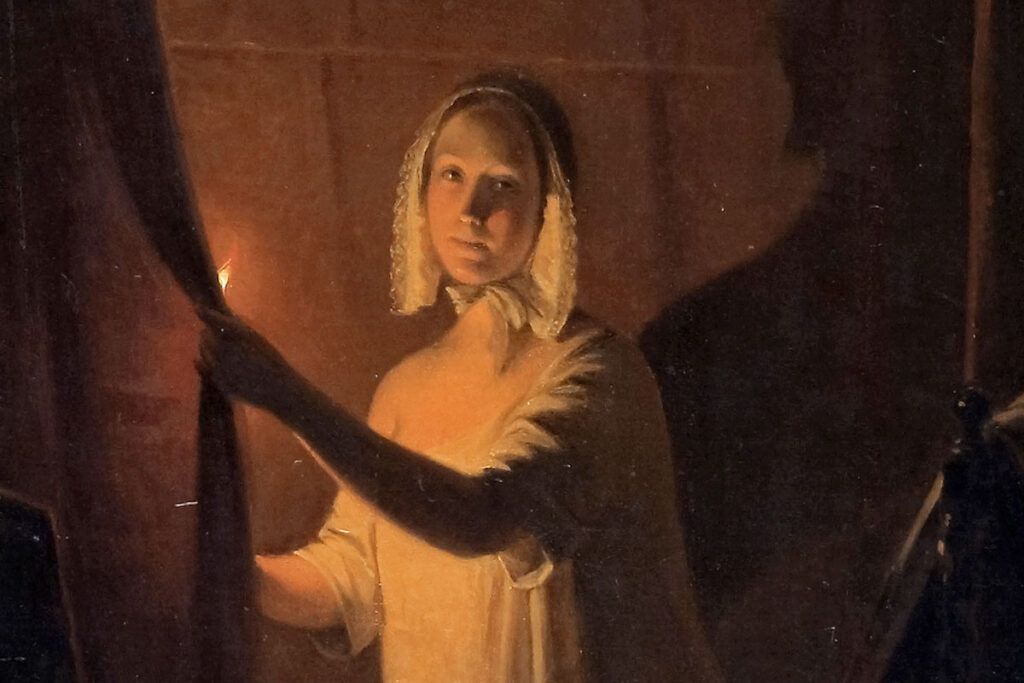
The Original Sleep Hygiene
Underlying all these uses was a broader idea — that the body needed careful regulation, especially during sleep.
Early modern and 19th-century health theories emphasized balance. Cold, dampness, and exposure were seen as threats that could disrupt the body’s internal state and lead to illness. Covering the head at night was one small but meaningful way to maintain equilibrium.
This belief shaped everyday habits. People shut windows, drew bed curtains, layered blankets — and wore nightcaps. Together, these practices created a controlled environment meant to protect the sleeper from both physical discomfort and invisible dangers. Even as medical theories evolved, some of these habits persisted. The association between warmth, protection, and health remained powerful well into the 19th century.
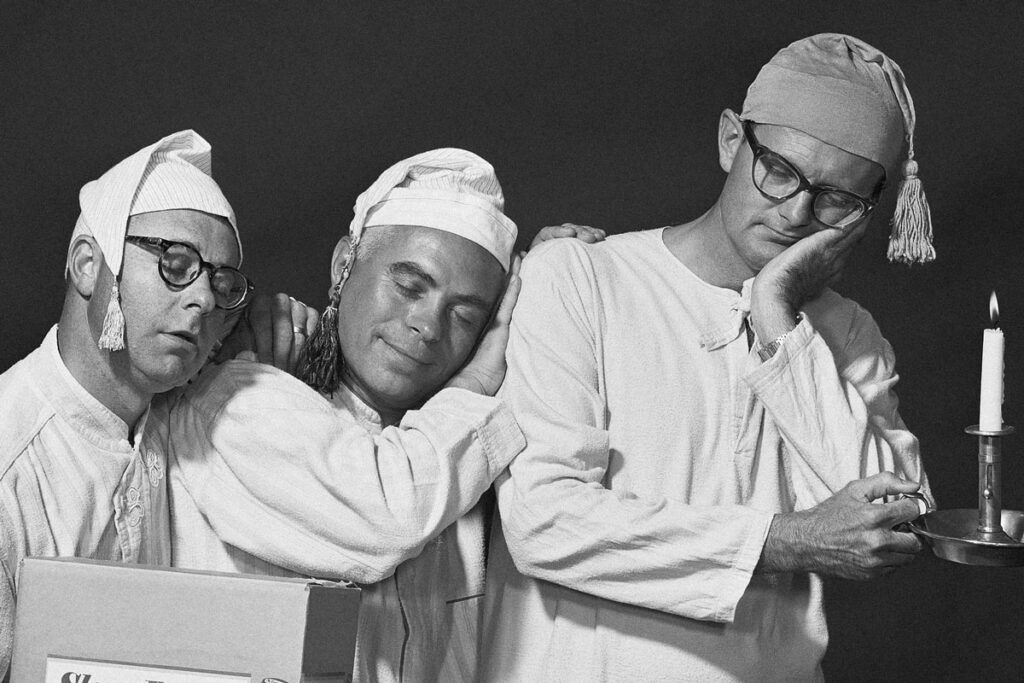
Why Nightcaps Disappeared
By the late 19th and early 20th centuries, however, the nightcap began to fade from everyday use. Several changes contributed to its decline. Advances in home heating made bedrooms more comfortable and less dependent on layered clothing. Improved hygiene and more frequent laundering reduced the need for protective barriers between the body and bedding. At the same time, new understandings of disease — particularly the acceptance of germ theory — undermined fears about “bad air.” Social norms shifted, too. Head coverings became less central to daily dress, and the idea of sleeping bareheaded no longer seemed improper.
Today, the traditional nightcap survives mostly as a visual shorthand for the past — a floppy, old-fashioned accessory signaling bedtime in stories and illustrations. Yet its underlying logic hasn’t entirely disappeared. Modern silk bonnets and sleep caps, designed to protect hair and reduce friction, echo many of the same concerns about comfort, cleanliness, and care. The materials and the science may be different, but it’s a familiar instinct: to make the long hours of sleep a little safer, warmer, and more carefully managed.