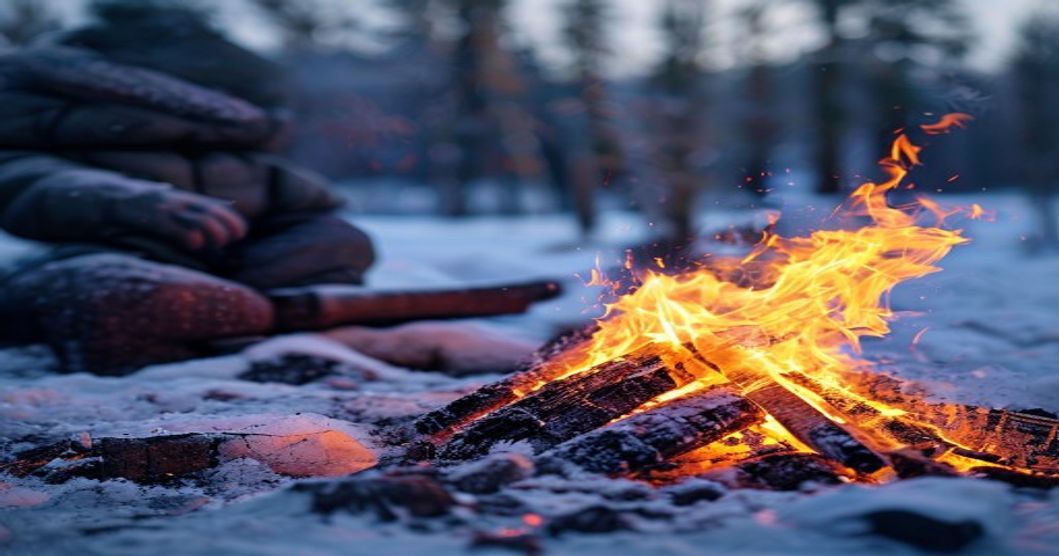
Understanding Sami Fire Making Techniques in Winter
The Sami people’s ability to sustain fire across Arctic winters relies on precise material selection, controlled ignition, and continuous thermal management. Traditional methods prioritize rapid combustion under extreme cold, where moisture and wind rapidly extinguish conventional flames. Practitioners begin by harvesting dry inner bark from silver birch trees, which contains natural resins that ignite at temperatures as low as 200°C. This bark is shredded into fine curls to maximize surface area and accelerate oxygen transfer.
- Pine Resin and Sphagnum Moss: Dried moss acts as a thermal insulator, retaining heat while pine resin provides a slow-burning fuel matrix that sustains the flame for hours.
- Reindeer Fat Preparation: Rendered fat is applied to birch bark strips, creating a reliable fire starter that functions reliably below -30°C.
- Spark Generation: Flint and steel or ferrocerium rods produce high-temperature sparks directed into the tinder bundle using a controlled striking angle to prevent heat dissipation.
Ignition requires a layered approach. The initial spark contacts the resin-coated bark, which flares instantly. Practitioners immediately transfer the flame to a moss nest, gently cupping it with hands or packed snow to block wind while allowing controlled airflow through finger gaps. Once established, the fire is relocated into a shallow depression lined with insulating reindeer lichen and surrounded by a low snow wall that reflects radiant heat upward while deflecting ground-level drafts. Continuous maintenance involves adding small-diameter twigs harvested from standing deadwood, which retains less than 15% moisture compared to fallen timber. The Sami monitor flame color and smoke density to adjust feeding rates, preventing flare-ups that waste fuel or smoldering that indicates oxygen starvation. Snow walls require periodic reshaping as wind compaction reduces airflow gaps. This method ensures thermal continuity during multi-day reindeer migrations, where fire failure means exposure to lethal wind chill.
Historical Context of Indigenous Arctic Heating Methods
Long before modern insulation or centralized heating systems, the Sami people developed highly specialized fire-making and heat-retention strategies tailored to the Arctic environment. These methods emerged from centuries of observation, trial, and intergenerational knowledge transfer across Scandinavia, Finland, and Russia. The core objective was not merely producing flames but maximizing thermal efficiency in sub-zero conditions where moisture, wind, and fuel scarcity dictated survival. Early Sami fire craft relied on friction-based ignition, particularly the bow drill and hand drill systems, using dry birch bark, reindeer sinew, and powdered charcloth as reliable tinder. Archaeobotanical analysis confirms that early practitioners harvested deadfall during late autumn when sap content reached its lowest point. The choice of wood was deliberate; pine resin provided sustained heat, while dried moss and lichen served as critical windbreaks and insulators within turf-walled dwellings.
Fuel management followed strict seasonal cycles. Summer months focused on gathering and drying birch poles, while autumn involved processing dried lichen into fine tinder bundles. Archival ethnographies document that fire preparation required precise humidity thresholds;
Core Principles of Dry Wood Selection for Winter Use
Selecting the right wood is the foundation of successful winter fire-making, especially under Sami traditions where efficiency and heat output directly impact survival. Moisture content dictates combustion quality, making seasonal preparation non-negotiable. Green wood contains up to 50% water by weight, which absorbs thermal energy during ignition and drastically reduces flame temperature. Properly seasoned timber drops below 20% moisture, allowing rapid volatile release and sustained ember formation. Look for trees that have been split and stacked with maximum air exposure. Bark separation, grayish cracking patterns, and lightweight feel indicate advanced drying stages. Avoid wood harvested from low-lying areas or dense forest floors where humidity stagnates.
- Seasoning Timeline: Conifers require a minimum of twelve months to reach optimal dryness, while dense hardwoods demand twenty-four months or longer under typical northern climates.
- Bark Removal: Stripping bark before stacking accelerates moisture escape and eliminates insect harborage zones that compromise structural integrity during transport.
- Wind Exposure: Positioning stacks perpendicular to prevailing winter winds maximizes airflow through the pile, preventing stagnant air pockets that delay seasoning.
- Cold-Weather Cellular Breakdown: Wood subjected to repeated freeze-thaw cycles experiences micro-cracking within the lignin structure, reducing splitting effort and increasing surface area for ignition.
Coniferous species like pine and spruce retain resin pockets that accelerate ignition, while hardwoods such as birch and oak provide long-burning coals essential for overnight warmth. Resin concentration peaks in late autumn harvests, providing natural ignition catalysts that survive subzero handling. Store selected logs off the ground using raised platforms to prevent capillary moisture absorption from soil. Cover stacks with breathable tarps only, never sealed plastic, which traps condensation and reverses the seasoning process. Regularly rotate piles to ensure uniform drying across all surfaces. Always prioritize straight-grained timber over knotted or twisted pieces, as consistent fiber alignment promotes steady oxygen flow through the fire bed. Testing dryness requires a simple fracture method: snap a kindling-sized piece. A crisp, loud crack with clean splinters confirms readiness, whereas bending or fibrous tearing signals residual moisture. Strategic wood selection directly correlates with thermal efficiency, smoke reduction, and fuel conservation during extended cold spells.
Essential Tools and Natural Materials Used by Sami Artisans
Sami artisans historically relied on a precise selection of hand-forged implements and carefully harvested botanical resources to ignite fires in subzero conditions. The foundation of their method rests on three core components: steel, flint or pyrite, and highly combustible tinder. Traditional Sami knives feature hardened carbon steel blades with finely honed edges, specifically designed for striking against iron-rich stones. When the blade scrapes against marcasite or high-grade flint, it generates a shower of sparks reaching temperatures above 1,000 degrees Celsius. These sparks must land directly onto prepared tinder to create an ember.
The tinder bundle represents the most critical phase of the process. Artisans collect dry birch bark fungus (Fomes fomentarius), often called tinder conk, which retains its lignin structure even after prolonged exposure to moisture. This material is scraped into a fine, fluffy powder using the knife’s spine. Alternative tinder sources include dried grasses harvested late autumn, pine resin-coated wood shavings, and charred cottonwood fluff. Each material undergoes meticulous drying in insulated pouches or beneath animal hides to maintain sub-one-percent moisture content.
Winter conditions demand additional preparation. Snow acts as both a thermal barrier and a moisture source, requiring artisans to dig into packed drifts or scrape ice from stone surfaces to access dry tinder layers. Birch bark is harvested during early spring sap flow when lignin concentration peaks, then cured in wind-shaded shelters for months. Steel maintenance involves regular sharpening on fine-grit quartzite whetstones and occasional oiling with reindeer tallow to prevent corrosion. Storage occurs in hollowed birch logs or leather cases lined with dry moss, ensuring immediate accessibility during emergency warmth scenarios.
The integration of these tools and materials follows a strict chronological sequence: spark generation, ember transfer, tinder combustion, and gradual fuel addition. Each step requires tactile feedback and environmental reading, making the technique a refined survival skill rather than a mechanical process.
Step-by-Step Guide to Traditional Sami Fire Making Techniques in Winter
Constructing a reliable fire in subzero Arctic conditions requires precise material selection, moisture control, and thermal management. The traditional Sámi methodology exploits naturally resinous botanical resources and minimizes conductive heat loss to frozen ground. Success depends entirely on preparing dry ignition materials before exposure to wind and snow.
- Tinder Preparation: Harvest the inner fibrous layer from dead standing birch trees (Betula pubescens). The white papery outer bark contains high concentrations of betulin, which ignites rapidly at low temperatures. Split it into thin curls and store in a hollowed reindeer antler tube to preserve dryness.
- Kindling Assembly: Collect dead standing pine branches (Pinus sylvestris) that have naturally dried for two or more years. Split the wood along the grain using a reindeer scapula knife or iron blade. Prioritize heartwood sections containing resin knots, which sustain ember growth without continuous oxygen input.
- Friction Tool Setup: Carve a hearth board from dry aspen or willow, maintaining moisture content below twelve percent. Drill a shallow depression and cut a narrow V-groove extending to the edge. Attach a polished reindeer antler spindle with a weighted grip made from twisted leather or rawhide.
- Ember Generation: Apply steady downward pressure while rotating the spindle rapidly. Friction produces fine carbonized dust that accumulates in the V-groove. When the dust transitions to dark grey and emits a sharp pine scent, compress it gently into a tight nest using dried reindeer moss (Cladonia rangiferina).
- Flame Transfer: Blow through the moss bundle with short, controlled breaths to oxidize the ember. Once flames emerge, position the bundle beneath a tepee structure of split pine splints. Gradually introduce thicker fuel logs only after the core temperature stabilizes above six hundred degrees Celsius.
Sámi practitioners historically excavated shallow snow trenches lined with reindeer hides to reflect radiant heat upward. The fire pit remains at ground level rather than elevated, preventing thermal bridging into frozen soil. Windbreaks constructed from packed snow blocks reduce convective cooling and direct airflow toward the combustion zone.
Seasonal adaptation dictates fuel ratios during deep winter months. Birch bark supplies initial ignition, dried pine knots maintain ember longevity, and larger split logs sustain structural warmth for extended periods. Always verify wood integrity by tapping; dry timber produces a hollow resonance while damp wood emits a dull thud. Properly executed, this method yields consistent heat output with minimal smoke production in extreme cold.
Preparing Birch Bark and Conifer Resin Collectors
Harvesting birch bark requires precise selection of mature trees with peeling outer layers rich in betulin oil. Look for trunks displaying pale, papery sheets that separate easily without tearing the inner cambium. Cut horizontal strips measuring ten to fifteen centimeters using a sharp folding knife, then roll each piece tightly around a wooden dowel to prevent cracking. Store rolled bark in breathable linen sacks lined with dry sphagnum moss to regulate moisture levels during extended winter storage.
- Identify healthy pines or spruces exhibiting hardened amber droplets on sunlit bark faces.
- Scrape collected resin pieces using a bone or steel spatula, avoiding deep gouges that compromise tree integrity.
- Melt resin gradually over indirect heat in a metal tin, blending it with finely shredded birch bark to create a self-contained fire accelerant.
- Strip outer charred layers from winter-collected bark using a brass brush before bundling.
Winter conditions demand strict moisture control during preparation. Pack harvested materials into airtight containers lined with wax paper or aluminum foil, placing silica gel packets or crushed charcoal inside to absorb ambient humidity. Keep resin blocks at temperatures below five degrees
Constructing the Tinder Bundle for Subzero Temperatures
A tinder bundle functions as the primary thermal reservoir during cold-weather firecraft, requiring precise material selection and structural engineering. Subzero conditions accelerate moisture exchange and dissipate heat, demanding a design that maximizes spark retention while maintaining internal airflow pathways. Begin with highly volatile materials such as dried birch bark, which contains betulin that releases flammable vapors at approximately forty degrees Celsius. Layer the bark in overlapping horizontal sheets to form a foundational cradle. Introduce fine fibrous matter along the vertical axis using dried cattail down, cured reindeer fur, or ground pine needles. These capillary fibers wick molten resin and embers deeper into the mass, preventing surface-only ignition.
- Material Density: Compress the bundle to the consistency of a firm fist. Overly loose structures lose thermal mass before ember transfer, while excessive compaction restricts oxygen diffusion.
- Moisture Management: Store completed bundles in hollowed spruce logs or wrapped birch bark tubes until deployment. Pre-warm the bundle against your clothing for two minutes before ignition to reduce initial thermal shock.
- Ignition Geometry: Create a central cavity within the bundle to concentrate sparks and direct flame upward. Position the narrow apex toward prevailing wind while using a carved wooden shield or your body to block lateral drafts.
Sami practitioners historically utilized cured reindeer hide strips and dried marsh grasses layered over charred wood powder to achieve reliable ignition under snow cover. The traditional method relies on gradual ember expansion rather than immediate flame production. Once the central mass glows uniformly, introduce split kindling in feather-thin increments. Maintain consistent airflow by rotating the bundle slightly every thirty seconds during the initial transfer phase. Structural integrity dictates success; improper layering causes premature ash formation or oxygen starvation. Test bundle readiness by applying a single spark near the base. Consistent orange glow spreading radially confirms adequate resin saturation and thermal retention capacity. Monitor ember color transition from gray ash to bright orange during the first minute of spark application. Dark or smoldering zones indicate insufficient resin content or excessive moisture, requiring immediate bundle replacement. Proper construction ensures sustained combustion at temperatures exceeding six hundred degrees Celsius, enabling reliable transfer to larger fuel loads without external assistance.
Spark Generation Using Flint, Steel, and Char Cloth
Spark generation through flint and steel relies on controlled mechanical shear rather than sustained friction heat. The mechanism depends on three interlocking variables: the micro-fracture properties of high-silica rock, the carbon content of hardened steel, and the thermal threshold of pre-carbonized fabric. Flint, composed primarily of cryptocrystalline quartz, shears under impact to produce microscopic metal particles that reach temperatures near 1,100 degrees Celsius. Upon exposure to ambient oxygen, these particles undergo instantaneous oxidation, creating the visible arc pattern required for ignition.
Char cloth composition determines whether sparks penetrate or scatter. Cotton or linen must be carbonized inside a sealed tin heated over a flame until venting smoke completely stops. This thermal decomposition removes moisture and volatile gases while preserving the fibrous lattice, dropping the auto-ignition point to approximately 420 degrees Celsius. Finished char cloth requires absolute humidity control. Seal it in waterproof containers with desiccant packs; even minimal dampness raises ignition resistance and eliminates spark retention during cold-weather operations.
- Strike geometry: Position the steel blade at a precise 45-degree angle above the char cloth. Angles below 30 degrees fail to accelerate particles sufficiently, while angles exceeding 60 degrees deflect sparks laterally away from the target zone.
- Grip stability: Anchor the striker against your sternum or inner forearm to eliminate hand tremor. Drive the flint downward with controlled force along the beveled cutting edge. One decisive impact generates more usable sparks than multiple shallow taps.
- Substrate management: Lay char cloth on dry soil, stone, or cured leather. Never place it directly on snow, ice, or moisture-saturated ground, which acts as a heat sink and interrupts ember development.
Winter conditions amplify material failure points that demand systematic preparation. Breath condensation, wind chill, and frozen storage quickly degrade spark efficiency. Keep steel and flint in insulated sleeves until the exact moment of ignition. Verify char cloth dryness by testing a single strip before assembling your primary tinder bundle. Successful penetration leaves concentrated carbon rings within the fabric that stabilize into embers within three to five seconds. Move these embers immediately into a prepared birch bark or resin-soaked pine needle nest. Apply steady, low-velocity breath to accelerate oxidation while maintaining ember integrity and avoiding ash displacement.
Gradual Flame Development in Snow-Blown Environments
Igniting a sustainable fire in snow-blown conditions demands precise thermal management and systematic fuel progression. The primary obstacle is not ambient temperature but moisture saturation and wind shear, which rapidly dissipate nascent heat. Begin by clearing a circular platform of snow down to the ground or packing it into a solid base to prevent immediate subsidence. Position this foundation away from direct drift lines where blowing snow accumulates.
Micro-tinder requires maximum surface exposure and zero moisture content. Shave thin curls from dry inner bark or create feather sticks by driving a knife parallel to the grain, leaving fine fibrils attached. These fibers catch ambient friction heat and minimal spark energy faster than bulk material. Load the core with cotton balls saturated in petroleum jelly or processed pine resin for sustained ignition duration.
- Phase One: Anchor Ignition – Shield the initial ember zone with a compact snow wall on three sides. Direct airflow through a narrow southern opening to feed oxygen without scattering sparks.
- Phase Two: Fine Kindling Transition – Introduce pencil-thin twigs gathered from standing deadwood or high branches where wind naturally strips moisture. Arrange in a loose pyramid structure to allow vertical heat convection.
- Phase Three: Medium Fuel Integration – Add fist-sized splits only after the base glows uniformly. Each layer must dry progressively through radiative transfer before supporting combustion.
Monitor flame behavior closely. White smoke indicates active pyrolysis of trapped moisture; clear or faint blue smoke signals complete cellulose breakdown. Never force fuel into a struggling core, as rapid loading drops internal temperature below ignition thresholds. Rotate medium pieces every ninety seconds to ensure even carbonization. Maintain structural integrity by interlocking fuel pieces at diagonal angles rather than stacking them vertically. Vertical alignment traps moisture and restricts lateral heat distribution. Verify combustion stability by checking that charred surfaces form a continuous black crust rather than crumbling into gray powder. Adjust spacing between kindling sticks to balance oxygen intake with heat retention, ensuring the fire self-sustains without external intervention.
Adapting Ancient Methods to Extreme Cold Weather Conditions
Extreme cold fundamentally alters the thermodynamics of traditional ignition methods. Moisture trapped in organic fibers freezes instantly, destroying capillary action and spark retention capacity. Sámi practitioners compensated by selecting heartwood from standing dead spruce and pine, where internal resins remain concentrated despite subzero temperatures. Birch bark required careful harvesting during late summer, when betulin content peaks, then drying in heated smokehouses until moisture dropped below three percent. Frozen tinder loses structural integrity; therefore, dried reindeer hair and charred cottonwood were stored inside hollowed bone containers lined with fur to maintain thermal stability near the body.
Friction-based ignition demands precise pressure control that cold joints struggle to achieve. The bow drill replaced hand drills because it generates consistent rotational velocity without exhausting finger dexterity. Leather straps from reindeer legs provided flexible drive bands that functioned reliably at minus thirty degrees. Socket stones carved from dense quartzite reduced friction heat loss, while the spindle was shaped with a tapered tip to concentrate thermal energy on a single ignition point. Practitioners pre-warmed tools by tucking them against bare skin for ten minutes before use, preventing wood fibers from becoming brittle upon contact.
- Material Selection: Dead standing trees offer drier heartwood than felled timber, as rain and snow run off the trunk without penetrating the core.
- Thermal Management: Tinder bundles were compressed into tight cylinders using twisted sinew to maximize oxygen flow while retaining generated heat during the spark-to-flame transition.
- Accelerant Application: Rendered caribou fat and crystallized pine resin lowered the ignition threshold, sustaining combustion through prolonged arctic drafts that would extinguish standard kindling.
Wind protection dictated immediate shelter construction. A temporary lean-to built from snow blocks and spruce boughs created a microclimate that eliminated convective cooling during ignition attempts. Success relied on understanding local snowpack density, which preserves dry wood beneath the surface, and recognizing that clear nights with high pressure offer the most stable conditions for sustained friction work. Seasonal moon phases also guided material gathering, as lunar cycles influenced resin flow and bark separation in boreal forests.
Insulating Fire Pits Against Ground Frost
Ground frost acts as an aggressive heat sink beneath outdoor fire structures, rapidly extracting thermal energy and forcing fuel to burn hotter and faster than intended. In subzero conditions, unmitigated conduction through the soil can drop pit temperatures by forty degrees Fahrenheit within minutes of ignition. Effective insulation requires a layered approach that blocks conductive loss while maintaining safe airflow and structural stability.
- Reflective Underlayers: Install aluminum-coated ceramic fiber boards or mirrored mylar sheets directly beneath the fire ring. These materials reflect radiant heat back into the combustion zone, reducing fuel consumption by up to thirty percent in deep freeze scenarios.
- Aerated Concrete Blocks: Stack non-combustible lightweight concrete blocks around the pit perimeter before pouring the base. Their cellular structure traps air pockets, creating a thermal barrier with minimal weight while resisting direct flame contact.
- Sand and Gravel Stratification: Replace native soil with a two-inch layer of coarse drainage gravel topped by three inches of dry play sand. This combination disrupts capillary frost migration and provides consistent heat distribution across the fire bed.
Elevating the fire structure on cast iron pedestals or insulated polymer pads prevents direct ground contact entirely. When using wooden decks or composite surfaces, wrap support legs with high-temperature silicone tape and maintain a two-inch clearance gap to avoid thermal bridging. Moisture management remains critical; condensation trapped beneath insulation accelerates frost heave and compromises structural integrity over successive freeze-thaw cycles. Apply a breathable waterproof membrane between the base and surrounding grade, but never seal edges completely to allow vapor escape.
Seasonal adjustments dictate insulation thickness. During early winter thaws, reduce material volume to prevent overheating. As temperatures drop below twenty degrees Fahrenheit, add refractory fire bricks along the lower third of the pit walls. Monitor fuel consumption rates regularly; consistent burning patterns indicate adequate thermal retention, while rapid ash production and uneven flame behavior signal insufficient ground protection. Properly insulated pits maintain stable combustion temperatures, extend burner lifespan, and deliver reliable warmth throughout extended cold snaps.
Managing Moisture in Winter Timber Harvesting
Winter timber harvesting presents unique challenges when preparing fuel for fire making. The cold temperatures and frozen ground significantly alter the moisture dynamics within wood fibers. During winter months, trees enter dormancy, causing sap to recede toward the roots. This natural process reduces initial sap content, but ambient humidity and snow infiltration remain critical factors that elevate moisture levels in freshly cut logs.
Successful moisture management begins at harvest. Selecting standing dead wood or green timber felled during the coldest weeks minimizes internal water retention. Using a saw rather than an axe prevents bark tearing, which accelerates moisture absorption from snow and ice. Immediate processing is non-negotiable. Splitting logs while still frozen creates fresh surfaces that expose trapped water, allowing sublimation to occur faster than evaporation in warmer conditions.
- Stack firewood off the ground with proper spacing to ensure airflow circulation and prevent condensation buildup between bark layers.
- Avoid covering stacks with impermeable tarps until the wood reaches a moisture content below twenty percent. Breathable covers like canvas or open-sided shelters work best during the initial seasoning phase.
- Position wood piles where prevailing winter winds sweep across the stack to promote consistent drying without exposing the load to direct snow drifts.
Monitoring moisture levels requires practical field methods rather than relying on guesswork. Checking split faces for coolness to the touch or observing bark separation indicates residual dampness. Peeling bark immediately after splitting exposes the cambium layer to air circulation, accelerating moisture release by up to thirty percent compared to leaving the outer shell intact.
For Sami fire making techniques, consistently dry birch and pine serve as reliable tinder and kindling. Wet wood smolders instead of igniting, wasting precious energy and producing excessive smoke that obscures visibility and irritates the respiratory system. Seasoning duration varies by species and region, but winter felled timber typically requires six to eight months of proper air drying before reaching optimal combustion readiness. Regularly rotating logs during storage prevents ground moisture reabsorption on one side.
When preparing kindling for friction-based or bow-drill fire starting, select wood with minimal resin pockets and uniform grain structure. Resin acts as a temporary fuel source but can trap internal steam during initial heating, delaying spark ignition. Always split smaller pieces from seasoned heartwood rather than outer sapwood, which retains higher moisture concentrations even after prolonged drying. Proper moisture control transforms winter harvesting challenges into a reliable firewood supply chain, ensuring consistent heat output when ambient temperatures drop below freezing.
Maintaining Heat Output During Polar Nights
Navigating the extended darkness of polar nights demands a fundamental shift from conventional fire management to precision thermal engineering. Traditional Sami practitioners approach winter heating not as a continuous burning process, but as a controlled energy conservation system. The core objective revolves around maximizing British Thermal Unit output per unit of fuel while minimizing radiative loss through strategic material selection and structural design.
Fuel preparation begins long before the first spark. Practitioners harvest resin-saturated heartwood from pine stumps, which provides sustained flame temperatures exceeding one thousand degrees Celsius. Dried reindeer moss serves as an insulating tinder layer that retains moisture resistance while igniting rapidly. Birch bark strips undergo controlled curing in low-oxygen environments to concentrate volatile compounds, transforming them into reliable ignition accelerants.
- Pile Architecture: Construct conical fuel stacks with dense inner cores surrounded by loosely arranged kindling layers. This configuration creates a self-sustaining draft that pulls oxygen upward while protecting the combustion zone from lateral wind displacement.
- Thermal Mass Integration: Position unglazed clay pots or heated river stones adjacent to the flame source. These materials absorb radiant energy during peak burning phases and release stored heat gradually throughout dark periods when active combustion diminishes.
- Airflow Regulation: Utilize packed snow walls positioned three feet from the hearth perimeter. Snow acts as a thermal barrier that reflects infrared radiation back toward the living space while blocking katabatic winds that would otherwise strip warmth from the structure.
Emergency heat maintenance relies on ember bank management rather than constant fuel addition. Practitioners carefully rake spent coals into shallow depressions lined with ash and dried lichen, then cover them with loose bark fragments. This creates an anaerobic environment that slows oxidation rates while preserving ignition potential for up to fourteen hours. When renewed combustion becomes necessary, practitioners introduce small resin chips directly onto the covered bank, triggering immediate flame regeneration without thermal shock to surrounding materials.
Structural adaptations complement fire management through strategic snow trenching and reindeer hide placement. Trenches dug into frozen ground create natural wind channels that direct airflow beneath the hearth rather than across it. Thick pelts draped over support beams absorb excess moisture while reflecting convective heat downward. These integrated techniques transform temporary shelters into thermally stable environments capable of sustaining consistent internal temperatures despite external conditions dropping below forty degrees Celsius.
Safety Protocols and Environmental Stewardship for Arctic Fires
Navigating fire creation in Arctic conditions demands rigorous adherence to safety protocols that account for extreme wind chill, frozen ground, and unpredictable snow cover. The Sámi approach prioritizes controlled ignition zones established on cleared mineral soil or dense ice sheets, preventing uncontrolled spread into surrounding vegetation. Always construct a windbreak using packed snow blocks positioned upwind, leaving the downwind side open for oxygen flow while deflecting sparks. Maintain a minimum clearance radius of three feet around the fire pit, removing all dry moss, lichen, and loose debris that could ignite prematurely. In sub-zero environments, moisture management becomes critical; store kindling inside insulated containers to preserve combustion efficiency, and use only seasoned hardwood or dry birch bark sourced from fallen branches.
- Ember Containment: Line the fire base with flat stones heated gradually to prevent thermal shock and cracking. Avoid placing metal tools directly into flames, as they conduct extreme heat and cause severe burns.
- Extinguishing Procedures: Use snow rather than water in freezing temperatures, distributing it evenly until hissing stops completely. Stir the ashes manually with a wooden stick to eliminate hidden embers, then cover the site with undisturbed snowpack.
- Wind and Temperature Monitoring: Track real-time wind direction shifts using smoke trails or loose ash tests. Adjust fire placement dynamically when gusts exceed twenty miles per hour, reducing fuel load to prevent flare-ups.
Environmental stewardship in Arctic fire-making requires strict compliance with Leave No Trace principles adapted for frozen ecosystems. Collect only deadfall wood within a designated radius, avoiding live trees, shrubs, or fragile lichen beds that take decades to recover. Preserve the natural terrain by scattering cooled ashes across a wide area rather than concentrating them in one spot. Never introduce synthetic materials, treated wood, or chemical accelerants into cold-weather fires, as they release toxic particulates and contaminate snowmelt runoff. Respect seasonal grazing routes and calving grounds by maintaining campfire locations at least half a mile from wildlife corridors. Traditional Sámi practices emphasize reciprocity with the landscape, utilizing every combustible resource efficiently while restoring disturbed soil with native organic matter. These protocols ensure cultural fire traditions remain sustainable, ecologically sound, and safe across generations of winter survival.
Preventing Wildfire Spread in Frozen Landscapes
Frozen terrain does not eliminate wildfire risk; it transforms it. During extended cold snaps, coniferous needles and dried underbrush retain moisture levels below twelve percent, creating highly combustible fuel loads beneath the snowpack. Rapid temperature fluctuations trigger freeze-thaw cycles that desiccate surface vegetation while exposing dry peat layers. Strong katabatic winds channel through glacial valleys, carrying burning embers over distances exceeding four hundred meters across icy surfaces. Effective containment requires understanding how cold air density influences flame behavior and how snow compaction alters heat conduction rates.
Sami land management traditions emphasize working with natural thermal barriers rather than fighting them directly. Practitioners historically cleared snow bridges along frozen streams to create natural fire breaks, relying on the conductive properties of ice to absorb radiant heat. Modern applications adapt these principles by establishing perimeter zones where wind-scoured bedrock or exposed mineral soil interrupts continuous fuel beds. Placing moisture-retaining moss layers adjacent to temporary hearths reduces ground temperature spikes and prevents subterranean ignition of frozen organic matter.
- Maintain a minimum three-meter clearance between any ignition source and accumulated snow drifts, as compacted snow melts rapidly under direct flame exposure.
- Position windbreaks using stacked ice blocks or dense evergreen boughs to deflect airborne sparks away from dry lichen mats.
- Monitor ambient humidity levels daily; relative humidity below thirty percent drastically increases ember viability in subzero conditions.
- Use wet sand or slush mixtures around fire perimeters to create thermal buffers that absorb conductive heat before it reaches frozen peat layers.
Post-ignition protocols demand continuous observation of subsurface thaw patterns. Frozen ground releases trapped gases when heated, which can carry smoldering material through ice lenses and beneath snow blankets. Regularly patrol the downwind perimeter for hidden heat signatures using infrared imaging or tactile ground checks. Extinguish all activity once ambient temperatures drop below negative ten degrees Celsius, as cold air drastically reduces combustion efficiency while increasing ember longevity. Proper fuel stacking techniques and strategic ash burial remain essential for maintaining long-term ecological balance in alpine and tundra environments.
Ethical Gathering Practices for Arctic Flora
Arctic flora serves as the foundational fuel source for traditional Sami winter fire-making, primarily relying on specific species of reindeer lichen (Cladonia rangiferina), dried birch bark (Betula nana), and cured arctic grasses. These materials possess naturally high resin content and low moisture retention, enabling reliable ignition even during sub-zero temperatures. Sustainable harvesting demands strict adherence to ecological carrying capacity, as these organisms grow at rates of merely two to three millimeters annually. Overharvesting disrupts reindeer foraging grounds, compromises soil stability, and diminishes biodiversity within fragile tundra ecosystems.
Ethical collection protocols require practitioners to evaluate biomass availability before extraction. Harvesters must leave a minimum of seventy percent of existing lichen mats intact to ensure reproductive continuity and prevent irreversible ground exposure. Selective cutting along established animal trails minimizes collateral damage, while avoiding areas near nesting grounds or culturally significant landmarks preserves both ecological balance and indigenous heritage. Legal frameworks across Nordic jurisdictions mandate seasonal restrictions and permit requirements for commercial or large-scale collection, reinforcing the necessity of documented yield tracking.
- Rotational Harvesting: Divide accessible terrain into designated zones, allowing each section a minimum ten-year recovery period between extraction cycles.
- Root System Preservation: Utilize curved harvesting knives to slice substrate horizontally, maintaining mycelial networks that prevent erosion and support future growth.
- Microclimate Monitoring: Adjust collection intensity based on snow depth, temperature fluctuations, and observed lichen hydration levels to avoid stress during vulnerable thaw periods.
- Cultural Boundary Compliance: Consult local Sami communities regarding sacred sites, migration corridors, and traditional usage rights before initiating any gathering activity.
Implementing these practices ensures long-term viability of fuel resources while honoring centuries-old indigenous stewardship models. Modern fire-making practitioners who integrate measurable yield limits, post-harvest site assessment, and community consultation contribute directly to Arctic conservation objectives. Documented compliance with regional environmental agencies further validates sustainable operations, transforming traditional knowledge into actionable ecological management strategies.
Proper Extinguishing Methods in Permafrost Zones
Managing open flames in permafrost environments demands precise protocols that address frozen ground conditions and delayed heat dissipation. Standard burial techniques fail completely because the impermeable frost layer traps thermal energy beneath the surface. Sámi practitioners adapt by prioritizing complete combustion before site departure. All fuel must burn down to white ash, eliminating unburned wood fragments that sustain slow smoldering in sub-zero temperatures.
- Apply water directly to remaining coals using a metal container or melted snow. The goal is cooling rather than steam generation, which can scatter embers across windward terrain.
- Mix ash and cooled charcoal with available mineral soil or dry sand until no heat registers against the back of your hand. Permafrost zones lack topsoil in many areas, making collected mineral gravel essential for proper smothering.
- Spread the mixture thinly over a bare patch of ground. Thick piles retain internal heat long after initial contact.
Snow burial creates dangerous false security. Compacted snow acts as thermal insulation, allowing embers to glow undetected for hours or days until wind shifts expose the hazard. Instead, leave cooling materials in an open area away from vegetation, relying on Arctic airflow to accelerate heat loss. Monitor the site repeatedly throughout the day. In deep winter conditions, residual warmth can persist beyond forty-eight hours due to low oxygen availability and extreme cold stabilizing chemical reactions.
Environmental protection remains central to traditional Sámi fire management. Thawed permafrost releases stored organic matter that ignites easily. Route all water runoff away from sensitive lichen beds and peat layers using shallow trenches or natural drainage lines. Never discharge hot water near standing water sources, as thermal shock damages aquatic microhabitats and alters local ecology. Use only deadfall wood collected above the frost line to preserve root structures and maintain ground stability.
Equipment selection dictates safety outcomes in these zones. Carry a long-handled metal shovel with a flat edge for precise ash manipulation. Avoid wooden tools that crack under thermal stress. Wear insulated gloves rated for extreme cold, as frozen hands lose dexterity rapidly when handling cooling materials. Establish a dedicated fire zone during initial setup, marking boundaries with stones to prevent accidental spread into surrounding tundra.
Preserving Sami Fire Making Techniques in Winter for Future Generations
The Sami people have historically relied on intricate fire-making methods adapted to extreme Arctic conditions. Winter survival depended on mastering natural materials and precise mechanical techniques that functioned reliably below freezing temperatures. Traditional approaches utilized flint struck against iron pyrite, generating sparks that ignited carefully prepared char cloth or dried birch bark. The bow drill method remained another critical technique, requiring sustained friction against dry willow or pine wood to produce a glowing ember. These practices were not merely survival skills but deeply embedded cultural knowledge passed through direct demonstration and hands-on practice.
Preserving these methods requires structured documentation and active community engagement. Archives compiled by indigenous research centers capture detailed measurements of tinder bundles, spark angles, and moisture management strategies unique to subarctic climates. Digital repositories now store high-resolution video sequences showing hand positioning, rhythm control, and environmental adaptation during snowstorms or prolonged cold snaps. Physical workshops hosted by Sami cultural institutes allow younger participants to replicate historical tool construction, from sharpening steel knives to preparing resin-soaked pine knots.
- Material Sourcing Protocols: Selecting dry wood during summer months ensures consistent ignition rates when temperatures drop below minus twenty degrees Celsius. Proper storage in insulated containers prevents humidity absorption before winter use.
- Skill Transmission Frameworks: Mentorship programs pair experienced fire-makers with apprentices through seasonal camps. Repetitive practice under controlled conditions builds muscle memory and environmental awareness essential for reliable spark generation.
- Cultural Integration Strategies: Educational curricula incorporate historical fire-making alongside contemporary survival science. Classroom demonstrations connect traditional knowledge with modern thermodynamics, reinforcing relevance across academic disciplines.
Community-led conservation initiatives emphasize intergenerational dialogue rather than static museum displays. Elders guide participants through seasonal cycles, explaining how snow density affects wind patterns and how tent placement influences heat retention. These practical lessons extend beyond technical execution to encompass ecological observation, resource management, and respect for natural materials. Funding from cultural heritage organizations supports the production of instructional manuals written in Sami languages alongside English translations. Outdoor training facilities simulate historical camping conditions while maintaining safety standards required for modern instruction.
Long-term sustainability depends on balancing tradition with adaptive innovation. Researchers collaborate with indigenous knowledge holders to test modified tools that retain historical accuracy while improving reliability in rapidly changing climates. Field trials evaluate alternative tinder sources, spark retention materials, and windbreak designs developed by northern communities. These experiments generate measurable data on ignition success rates, temperature thresholds, and material durability across multiple winter seasons.
Future preservation efforts prioritize digital archiving combined with living transmission networks. Virtual reality simulations allow distant learners to practice friction techniques before attending in-person sessions. Mobile applications provide step-by-step visual guides synchronized with audio instructions recorded by master fire-makers. University partnerships establish permanent research stations where anthropologists, material scientists, and indigenous experts co-author peer-reviewed studies on Arctic craftsmanship. These collaborative frameworks ensure that Sami fire-making knowledge remains a dynamic practice rather than a historical artifact.
Modern Workshops Teaching Traditional Winter Techniques
Contemporary educational programs have systematically documented and revived ancient Sami fire-making methods through structured winter workshops. These sessions operate primarily across Finnmark and Troms regions, where participants engage with certified instructors who specialize in Sámi material culture and arctic survival. Each workshop spans three to five days, beginning with environmental assessment and snow terrain analysis before introducing friction-based ignition systems. Instructors demonstrate the precise preparation of birch bark shavings, dried alpine moss, and reindeer antler dust, explaining how each component interacts with oxygen flow in sub-zero temperatures.
Students practice bow drill techniques using locally harvested spruce shafts and hardwood bearings, learning to maintain consistent rotational velocity while monitoring wood moisture content. Workshops emphasize adaptive strategy over rigid repetition; participants adjust grip pressure, airflow management, and ember transfer timing based on real-time environmental feedback. Safety protocols include proper snow trench excavation for
Documenting Oral Histories and Practical Demonstrations
Preserving the Sámi method of creating fire during extreme cold requires systematic fieldwork that bridges generations. Researchers and cultural archivists travel to reindeer-herding communities across Finnmark, Troms, and Lapland to record elders who still recall pre-industrial ignition practices. These sessions rely on structured interviews rather than casual conversations. Interviewers prepare detailed questionnaires covering seasonal timing, material selection, moisture management, and the exact physical motions used to generate sparks or friction. Every recorded session includes audio transcription and video capture of hand positioning, breath control, and tinder preparation. The goal is not romanticization but technical accuracy.
Practical demonstrations follow a strict protocol to ensure reproducibility. Participants gather dry birch bark, cured reindeer hide shavings, and finely scraped pine resin. Each material undergoes a controlled drying phase in heated tents before testing. Demonstrators work outdoors at temperatures below minus fifteen degrees Celsius to simulate authentic conditions. Observers record the time required to create an ember, the consistency of the smoke trail, and the exact grip adjustments made when wood becomes brittle. These metrics feed into comparative databases that track regional variations across Sámi districts.
- Material sourcing logs: GPS coordinates, harvest dates, and moisture content of all combustible supplies.
- Friction mechanism specifications: Drill type, bow design, bearing stone composition, and rotation speed measurements.
- Ember transfer techniques: Basket weaving patterns, insulation layers, and windbreak strategies used during spark capture.
- Environmental correlation data: Humidity levels, snow depth, and ambient temperature recorded at each ignition attempt.
Modern preservation efforts integrate these field records with archival photographs, handwritten Sámi texts, and museum artifact analysis. Digital twins of traditional fire boards are created using 3D scanning to map wear patterns that reveal historical usage frequency. Communities participating in these projects retain full intellectual property rights over their knowledge. Educational programs built from this material emphasize hands-on replication rather than passive viewing. Students learn to split dry wood with bone knives, prepare lint from inner bark fibers, and maintain a coal bed through controlled oxygen feeding. The documentation process functions as both academic research and intergenerational transmission mechanism. Technical accuracy remains the priority over aesthetic presentation. Every recorded technique undergoes peer verification before inclusion in public repositories.
Integrating Indigenous Knowledge with Contemporary Survival Training
Modern survival curricula increasingly recognize that cold-weather fire acquisition demands more than textbook theory. Indigenous fire-making methodologies provide a tested framework for resource management under extreme thermal stress. These systems prioritize environmental reading over equipment reliance. Practitioners learn to identify bark resin content, assess wood moisture through tactile feedback, and map microclimates before striking a match. Contemporary instructors extract these observational skills and structure them into repeatable training modules that function regardless of gear quality.
The integration process requires careful translation of cultural practices into standardized survival protocols. Indigenous techniques emphasize fire lay geometry adapted to ground temperature and wind direction rather than rigid step sequences. Training programs now teach learners to construct insulating platforms using packed snow, manipulate pitch-rich conifers for immediate flame generation, and position reflective barriers to maximize radiant heat distribution. These methods reduce fuel consumption by up to sixty percent compared to conventional approaches while maintaining thermal output in subzero conditions.
- Microclimate Mapping: Instructors train students to locate wind shadows, identify sun-facing slopes, and recognize frost patterns that indicate stable ignition zones.
- Tinder Architecture: Modern courses replace commercial fire starters with hand-processed feather sticks, birch bark rolls, and dried grass bundles prepared through controlled drying cycles.
- Fuel Stratification: Learners practice layering wood by combustion velocity, placing rapidly igniting kindling beneath slow-burning structural timber to sustain ember networks through snowfall events.
Evidence-based adaptation ensures these techniques meet contemporary safety standards without diluting their original efficiency. Instructors cross-reference Indigenous methods with material science data on thermal conductivity and combustion chemistry. This validation process eliminates hazardous shortcuts while preserving the core principle that successful winter fire acquisition depends on preparation, not reaction. Students who complete integrated modules demonstrate faster ignition times, lower fuel expenditure, and higher psychological resilience during extended cold exposure. The methodology transforms survival from a gear-dependent challenge into a predictable environmental negotiation.
Frequently Asked Questions
What is Sami Fire Making Techniques in Winter?
Sami Fire Making Techniques in Winter refer to the traditional methods used by the indigenous Sámi people of Scandinavia to create and maintain fires during harsh, cold months. These techniques rely on natural materials like birch bark, dried moss, reindeer antler scrapers, and metal strikers, allowing them to generate warmth and light even in extreme sub-zero conditions.
Key facts about Sami Fire Making Techniques in Winter
Key facts include the use of birch bark as a highly effective tinder, the reliance on traditional flint and steel or modern ferro rods adapted to historical methods, the importance of sheltering the flame from wind using snow walls or reindeer hides, and the cultural significance of fire in Sámi survival, cooking, and storytelling during long winters.