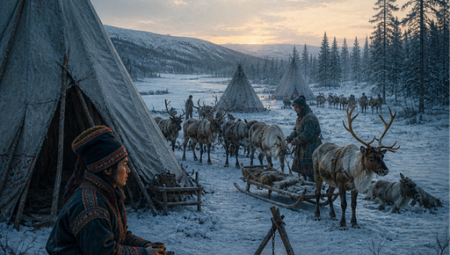
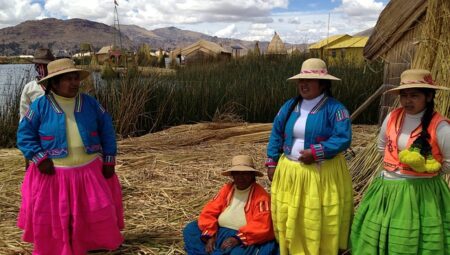
Language plays a crucial role in this cultural resurgence. Sami languages, rich with unique sounds and expressions, are being revitalized in schools and communities. It’s like watching a tree grow; each new generation has the chance to plant their roots deeper into the soil of their history while reaching for the skies of modern education and technology. In fact, many young Sami are becoming educators themselves, using social media to promote their native tongue and traditions. Have you ever seen a TikTok dance mixed with traditional Sami music? It’s a beautiful contradiction that captivates the spirit of both worlds.
Then there’s the fashion scene—Sami artisans are taking traditional designs and interpreting them through a modern lens. Picture vibrant patterns and unique craftsmanship that tell their stories—these aren’t just clothes; they are a walking testament to their identity.
Reviving Roots: The Sami Community’s Fight to Preserve Cultural Identity Amidst Modern Challenges
Now, picture this vibrant culture grappling with the encroachments of modernity. From globalization that dilutes their languages to climate change impacting their reindeer herding—every day feels like a battle for their very essence. Have you ever wondered how a community that’s been around for so long can navigate these turbulent waters? Well, they’re doing it with fierce determination and creativity.
The Sami have turned to art, music, and education to keep their traditions alive. Think of joik, their traditional form of song, as a vessel of memory, carrying the essence of the past into the present. These melodies echo through the valleys and are a lifeline to younger generations, bridging gaps between old and new. Initiatives to teach the Sami languages in schools are popping up like wildflowers after the snow melts, nurturing a renewed connection to their heritage.
But it’s more than just nostalgia; it’s a compelling call to action. By reclaiming their narratives, the Sami highlight a universal struggle—how do we hold on to our roots while adapting to constant change? The world can feel like a fast-moving train sometimes, but the Sami community is proving that with passion and purpose, they can steer this train, ensuring that their cultural identity doesn’t just survive, but thrives amidst modern challenges. Isn’t that a story worth listening to?
From Past to Present: How the Sami Are Reinventing Their Cultural Heritage in the 21st Century
For starters, the Sami are weaving traditional practices into modern life like a skilled artisan crafting a beautiful tapestry. From music to traditional clothing, they’ve taken ancient customs and mixed them with contemporary art forms. Ever heard of Joik? It’s more than just singing; it’s a way to connect with nature and express identity. Today, you’ll find a new wave of musicians infusing Joik into pop and electronic music—making this ancient art form resonate with younger audiences.
And let’s talk about food – once predominantly reliant on reindeer herding and foraging, Sami chefs are putting a fresh spin on traditional cuisine. They’re blending local flavors with modern techniques, creating dishes that are as Instagram-worthy as they are delicious. It’s like watching a culinary symphony where every ingredient tells a story of the land.
Digital platforms are also becoming a powerful stage for Sami voices. From engaging YouTube channels to Instagram accounts filled with breathtaking visuals of their heritage, the Sami are using social media to share their stories on a global scale. Think of it as opening a window to their world, inviting everyone in to experience the beauty of their culture firsthand.
A Tapestry of Tradition: Exploring Sami Language, Art, and Identity in Today’s Global Society

Imagine trying to navigate the complexities of modern life while holding onto the roots of your ancestors. That’s the challenge for many Sami who strive to preserve their language in the face of globalization. Sami isn’t just a means of communication; it’s a living testament to their worldview, giving insights into nature and community that often get overlooked in our fast-paced, tech-driven lives. Have you ever felt the thrill of saying something in a way that’s uniquely your own? That’s the power of language.

But wait, let’s not gloss over the art! Sami art is like a burst of color in a world often dominated by monotones. From intricately woven textiles to stunning carvings that mirror their connection with nature, each piece is a conversation starter—a window into their souls. It’s like they’ve learned to speak through their art, revealing emotions and narratives that words sometimes can’t capture.
Cultural Resilience: The Sami People’s Journey Towards Identity Restoration in a Changing World
For centuries, the Sami faced pressures to conform to external norms, threatening their languages and traditions. But instead of fading into the background like whispers in the wind, they’re roaring back with vibrant pride. Their efforts to reclaim their cultural identity are not merely about nostalgia; it’s a passionate plea for recognition in a modern landscape that often overlooks them.
The resilience of the Sami is evident in their beautifully intricate crafts, traditional music, and vibrant festivals that celebrate their rich heritage. Imagine the thrum of a drum echoing through the chilly air, bringing together generations of people. Or think of the stunning colors of Sami clothing, each stitch teeming with stories of ancestral struggles and triumphs. It’s like watching a masterful artist paint a vivid landscape—every detail matters, every hue tells a story.
Frequently Asked Questions
What Role Does Traditional Sami Art Play in Modern Culture?
Traditional Sami art reflects the rich cultural heritage of the Sami people and plays a vital role in modern culture by promoting cultural identity, enhancing awareness of indigenous traditions, and inspiring contemporary artistic expressions. It serves as a bridge between past and present, allowing for the preservation of traditional techniques while adapting to current societal contexts.
What Challenges Do Sami Communities Face in Preserving Their Identity?
Sami communities face various challenges in preserving their identity, including cultural assimilation pressures, climate change impacting traditional livelihoods, and land rights issues. Increased globalization and urbanization further complicate their efforts to maintain language, traditions, and practices, leading to concerns over loss of cultural heritage.
How Are Sami Rights and Recognition Addressed Today?
Current approaches to Sami rights and recognition focus on cultural preservation, political representation, and land rights. Various governments and organizations are working toward recognizing the Sami as an indigenous people with unique languages and traditions. This includes efforts to ensure their participation in decision-making processes that affect their communities and environments, as well as legal frameworks aimed at protecting their heritage and lands.
What Defines Sami Cultural Identity Today?
The modern Sami cultural identity is shaped by a blend of traditional practices, language preservation, and contemporary influences. Key elements include reindeer herding, craftsmanship, music, and festivals that celebrate their heritage. Additionally, ongoing efforts to revitalize the Sami language and legal rights contribute to a strong sense of communal identity and pride, fostering unity among the diverse Sami groups across Norway, Sweden, Finland, and Russia.
How is Sami Language Revived in the 21st Century?
Efforts to revive Sami language in the 21st century include educational programs, community initiatives, digital resources, and media representation. Linguists collaborate with indigenous communities to create learning materials, while technology enables access to language apps and online courses. Cultural revitalization through music, literature, and public events also plays a crucial role in increasing awareness and usage of the Sami language.