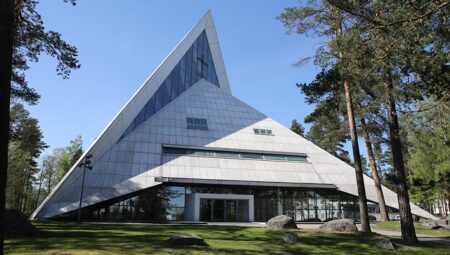
The Sami people, indigenous to the Arctic regions of Norway, Sweden, Finland, and Russia, have developed a unique understanding of time that’s closely tied to nature. Instead of rigid dates and appointments, they observe natural phenomena. For the Sami, the seasons aren’t just a backdrop; they’re central to their way of life. The arrival of the reindeer calving season becomes a beautiful marker of spring, while the first snowfall signals winter’s embrace.
You see, in Sami culture, describing time isn’t just about chronological order; it’s about relationships and stories. Their traditional calendar revolves around cyclical events—like the migration patterns of reindeer, the moon’s phases, and the dance of the Northern Lights. It’s unexpected how time can feel when it’s more about harvesting berries under a midnight sun or gathering for a feast during the autumn equinox than adhering to a strict system.

The Sami also have a distinct vocabulary tied to these seasonal changes. Words for different types of snow, ice, and the activities associated with them illustrate an intricate connection to their environment. Each term holds cultural significance, revealing just how deeply intertwined their lives are with nature’s cycles. This isn’t just a way to keep track of days; it’s about honoring the land and preserving an entire way of life that echoes through time. How fascinating is it that their perception of time invites us to rethink our own relationship with the seasons?
Rhythms of the North: Exploring the Ancient Sami Calendar and Its Significance
The Sami calendar is divided into distinct periods that echo the changing seasons. Each phase of the year carries its own significance, much like the varying chapters of a gripping novel. For the Sami, winter isn’t merely a cold season; it’s a time of storytelling by the fire and reindeer herding. Spring ushers in renewal and the tender sprouts of nature, while summer marks a glorious explosion of life, perfect for fishing and gathering. Imagine summer as a jubilant festival, vibrant and full of color, where every day feels like an adventure.
What’s even more intriguing is the way the Sami see these cycles. Their lives are a rhythmic dance with the environment, emphasizing a deep spiritual connection with nature. Rather than treating time as a linear concept, they embrace it as a circular experience, highlighting the interconnectedness of all living things. Think of it as a symphony where every note matters, each marking a time to celebrate, reflect, or prepare.
Embracing the Sami calendar is like stepping into a tapestry woven with stories, traditions, and a profound respect for the earth. It’s a reminder that time isn’t just something we watch tick by—it’s a celebration of life, where each moment pulses with meaning.
Seasons of Light and Dark: How the Sami Navigate Time Through Nature
During winter, the sun barely rises; it’s like nature is in hibernation. The Sami embrace this darkness, celebrating it through storytelling and craft, like skilled artisans weaving memories into patterns. Have you ever noticed how the cold air seems to amplify sound? In this stillness, the Sami connect deeply with their land and their ancestors, creating a tapestry of culture rich in folklore and tradition.
But as winter fades away, spring bursts forth with an explosion of life, like the opening notes of a symphony. The Sami celebrate this rebirth with festivals, marking the return of colors and the awakening of the earth. It’s a beautiful reminder that after every dark season, light returns, often more vibrant than before.
And then, there’s summer—the land of the midnight sun! Can you imagine navigating your day under a sky that never sleeps? For the Sami, time becomes fluid; instead of hours, they measure life by the warmth of the sun. It invites communal gatherings, sheep grazing, and the joyous rhythm of reindeer herding, a practice passed down through generations.
Thus, the Sami people embody an extraordinary relationship with the shifting seasons, proving that while the clock ticks on, the heart of nature offers a timeless guide.
From Reindeer Migration to Moon Phases: Decoding the Sami Way of Keeping Time
Picture this: as the reindeer roam across the vast Nordic landscapes, their migration signals seasonal changes, much like nature’s own clock. The Sami have honed their ability to read these signs for centuries, relying on the behavior of these majestic creatures—knowing when to hunt, gather, and celebrate. Isn’t that fascinating? They see time not as a rigid structure but as a fluid dance with nature, each movement telling a story.
But wait, it gets even more interesting! The moon plays a crucial role too. The Sami observe its cycles, aligning their activities with the waxing and waning of the lunar phases. Full moon? Perfect for celebrations and gatherings under the silver glow. New moon? A time for reflection and planning. It’s like having a cosmic partner in life’s adventures!
By intertwining these natural signals with their traditions, the Sami have cultivated a lifestyle that’s both sustainable and profound. Their understanding of time isn’t just about hours and minutes—it’s a deep-seated respect for the environment and its rhythms. So, the next time you glance at your watch, consider how the Sami experience time. It’s a reminder that every tick can be a moment to cherish, a part of a much larger tapestry woven from nature’s threads.
Lost in Time: Reviving the Traditional Sami Calendar in Modern Society
The Sami calendar is like a well-worn map—each month is a journey through the Arctic landscape, showcasing everything from fishing patterns to reindeer migration. It encompasses more than just months; it embodies an entire way of life. For example, did you know there are specific times for planting, hunting, and gathering? It’s almost as if the calendar whispers secrets of survival, reminding us that nature has its own clock, one that we often overlook while rushing through our days.
Bringing this ancient wisdom into today’s bustling lifestyle can feel like trying to fit a square peg in a round hole. But what if we embraced the Sami calendar as a guide rather than a rigid framework? Imagine timing your hikes to coincide with the aurora borealis or learning to forage wild berries during the right season. By integrating these natural markers, we not only respect the Sami culture but also enrich our own lives, slowing down to appreciate the world around us.
In our digitalized society, where we often find ourselves glued to screens, reviving the Sami calendar could be the antidote we desperately need. It’s like hitting a reset button on our lives, allowing us to witness the subtle, yet powerful, transformations of nature that tell us when it’s time to live, celebrate, and even reflect.
Nature’s Clock: The Sami’s Unique Approach to Understanding Time
Instead of relying solely on hours and minutes, the Sami gauge time by observing natural cycles. For example, the changing position of the sun signals different times of the year, transforming the endless twilight of winter into the midnight sun of summer. Can you imagine celebrating a birthday based on the blooming of flowers rather than a calendar date? To the Sami, it’s not just whimsical; it’s practical and deeply embedded in their culture.
Think about it—nature as a clock. Picture standing on a snowy landscape and feeling time shift with the gentle rustle of wildlife or the light peeking through clouds. The Sami have a profound connection with their environment, allowing them to anticipate changes in weather and wildlife patterns. When the reindeer start to migrate, that’s not just a natural event; it’s a signal that it’s time to move and adapt.
Cultural Heritage: The Role of the Sami Calendar in Preserving Indigenous Traditions
Imagine standing in a vast, snow-covered landscape under the shimmering Northern Lights. That’s the beauty of the Sami world, where each month is tied closely to nature. The Sami calendar is divided into 12 months, each representing a different aspect of their environment—from the reindeer migration patterns to fishing seasons. Picture it as a map of their daily lives, guiding them through the ebb and flow of the Arctic landscape.
What’s truly fascinating is how this calendar serves as a storytelling tool. Each month has its unique customs, rituals, and traditional practices that are passed down through generations. It’s like a treasure chest of wisdom, holding stories that teach the younger Sami about their history, spirituality, and the respect they owe to nature. Have you ever wondered why certain traditions stand the test of time? The Sami calendar proves that remembering where you come from is key to understanding where you’re headed.
Frequently Asked Questions
What role does nature play in Sami timekeeping?
Nature serves as a crucial reference for timekeeping among the Sami, deeply intertwined with their cultural practices. Seasonal changes, such as animal migrations and plant growth cycles, guide their understanding of time. This connection allows the Sami to track periods of the year and optimize activities like hunting and herding reindeer, reflecting a holistic approach that harmonizes their daily lives with the rhythms of the natural world.
How do Sami people measure time seasonally?
The Sami people traditionally measure time based on seasonal changes and natural signs rather than using a fixed calendar. They divide the year into seasons influenced by nature, such as winter, spring, summer, and autumn, with specific activities and cultural practices tied to each season. This seasonal understanding helps them adapt to the environment and maintain their livelihood.
Why is the Sami Calendar important for cultural identity?
The Sami Calendar is crucial for cultural identity as it reflects the seasonal rhythms and traditional practices of the Sami people. It guides their activities related to reindeer herding, fishing, and gathering, reinforcing their connection to the land and heritage. By adhering to this calendar, the Sami maintain their unique cultural practices and strengthen their community identity.
What are the key features of Traditional Sami Calendars?
Traditional Sami calendars utilize natural phenomena to track time, incorporating seasonal changes, animal migrations, and ecological events. They consist of months defined by specific cultural activities and nature’s cycles, reflecting the Sami’s deep connection to their environment. Key features include lunar months, solstice and equinox observations, and a focus on community events and traditional hunting and fishing practices, enabling effective planning and resource management.
How has the Sami Calendar adapted over time?
The Sami Calendar has evolved by integrating traditional seasonal changes with modern timekeeping systems. Originally based on the natural environment and reindeer herding cycles, it has adapted to contemporary influences while still reflecting the Sami culture and lifestyle, maintaining its significance in marking important seasonal events.