Fundamentals of Sami Heritage in Youth Education
Integrating Indigenous Knowledge Systems into Early Curricula
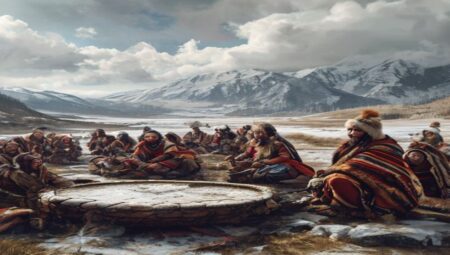
Sami cultural programs for kids prioritize the systematic transmission of centuries-old ecological wisdom, oral traditions, and sustainable living practices. Modern educational frameworks increasingly recognize that immersive learning experiences must move beyond textbook descriptions to include direct engagement with Sami heritage workshops. These structured initiatives introduce children to the foundational pillars of Sami society, including reindeer husbandry cycles, seasonal migration patterns, and the intricate relationship between indigenous communities and Arctic ecosystems. Educators utilize verified historical records, contemporary Sami scholarly research, and cross-disciplinary pedagogical models to ensure academic rigor while preserving cultural authenticity.
Designing Interactive Immersive Learning Environments
Hands-On Craftsmanship and Sensory Engagement Techniques
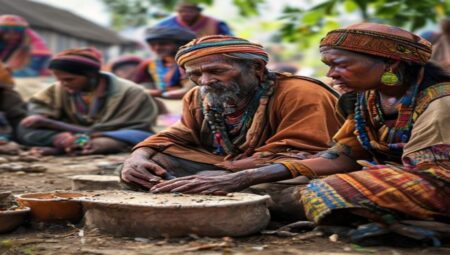
Immersive learning experiences in Sami education rely heavily on tactile and auditory stimulation to reinforce conceptual understanding. Children participate in guided sessions focused on traditional Sami crafts for children, such as duodji woodworking, reindeer leather tooling, and silver jewelry fabrication under the supervision of certified artisans. These workshops are structured to develop fine motor skills, spatial reasoning, and material science awareness. Concurrently, educators introduce the rhythmic structures of joik storytelling activities, enabling students to analyze phonetic patterns, historical narrative techniques, and emotional resonance within indigenous vocal traditions.
Cognitive and Developmental Outcomes of Cultural Immersion
Neurological, Social, and Emotional Learning Metrics
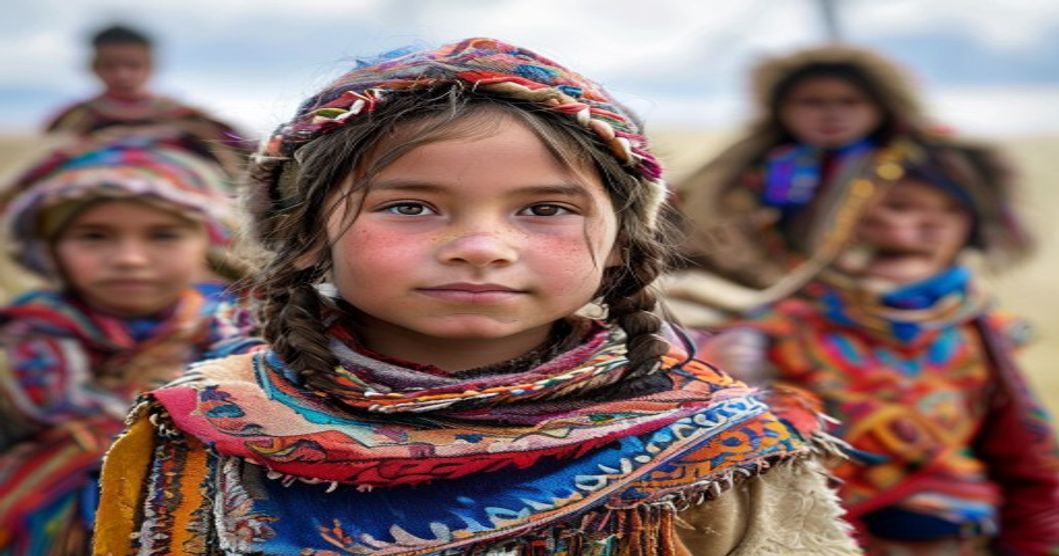
Research indicates that structured exposure to indigenous methodologies significantly enhances cross-cultural empathy development and critical thinking capacities in early adolescence. When children engage with Sami cultural programs for kids, they encounter complex problem-solving scenarios rooted in survival ethics, resource management, and environmental stewardship. These activities stimulate executive function, working memory, and adaptive reasoning. Furthermore, collaborative group projects within these programs foster community-oriented learning, reducing social fragmentation while promoting linguistic diversity appreciation. Standardized assessment tools track progress in historical literacy, ecological awareness, and intercultural communication competence.
Ethical Implementation and Resource Allocation Strategies
Collaborative Frameworks and Curriculum Verification Protocols
Sustainable deployment of Sami cultural programs for kids requires strict adherence to ethical engagement guidelines and community-led curriculum design. Educational institutions must establish formal partnerships with Sami parliaments, indigenous rights organizations, and accredited cultural centers to secure authentic teaching materials. Funding models should prioritize direct compensation for Sami educators, archival digitization projects, and accessibility grants for remote learners. Program directors implement rigorous content verification processes to prevent cultural appropriation, ensuring that all instructional materials align with contemporary Sami scholarly standards and self-representation principles.
Evaluating Long-Term Impact and Preservation Outcomes
Quantitative Tracking and Intergenerational Knowledge Transfer Analysis
The success of immersive educational initiatives is measured through longitudinal tracking of participant engagement, retention rates, and behavioral shifts in environmental advocacy. Institutions deploy mixed-method evaluation systems that combine standardized testing with qualitative community feedback loops. Successful programs demonstrate measurable improvements in historical literacy, indigenous language exposure, and sustainable lifestyle adoption among youth cohorts. Additionally, these initiatives facilitate intergenerational knowledge transfer by documenting student projects and archiving them within regional cultural repositories, ensuring that immersive learning experiences contribute directly to the ongoing preservation of Sami heritage for future generations.
Frequently Asked Questions
What is Sami Cultural Programs for Children?
Sami Cultural Programs for Children are educational and immersive initiatives designed to introduce young learners to the traditional customs, language, music, and storytelling of the Sami people, fostering cultural appreciation and awareness.
Key facts about Sami Cultural Programs for Children?
Key facts include: the programs focus on hands-on activities like duodji (Sami crafts), joik singing, reindeer herding education, and seasonal festivals; they are typically offered in Sami-inhabited regions and partner schools; they aim to preserve indigenous heritage while promoting inclusive, age-appropriate learning for children aged 5 to 15.