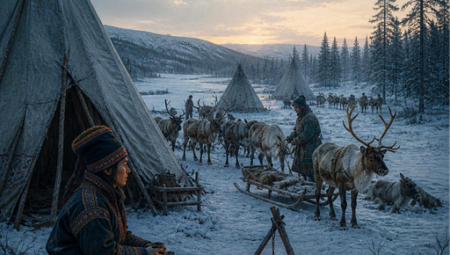


Archaeological digs in the northern regions unearth tools, pottery, and ancient structures that narrate stories of the Sami’s way of life over thousands of years. These findings don’t just tell us that they existed; they paint a vivid picture of their community, highlighting their adaptable nature in the face of an ever-changing environment. For instance, excavations of settlement sites show how the Sami ingeniously adapted their lifestyle to the harsh Arctic climate, demonstrating a deep connection to the land.
Think about those beautifully crafted wooden items discovered in old settlements. Each piece tells a story, reflecting the craftsmanship and resourcefulness of the Sami people. It’s like holding a time capsule—each object sparks curiosity and admiration for the creativity involved in their daily lives, whether it’s fishing in icy waters or herding reindeer across vast tundras.
Moreover, archaeology unravels the Sami’s spiritual world, with findings of ritual sites that reveal their connection to nature and the supernatural. Imagine the power of those ancient beliefs, echoing through time, influencing how they viewed and interacted with the world around them. This journey through Sami history isn’t just about ancient artifacts; it’s about understanding their culture, resilience, and the stories that continue to resonate today. Who wouldn’t want to delve deeper into such a rich heritage?
Unearthing the Past: How Archaeological Discoveries Illuminate Sami Traditions and Culture
When we think of the Sami, we often envision their vibrant costumes, stirring music, and the majestic herds of reindeer that roam the tundra. Yet, every archaeological discovery adds new brush strokes to this intricate portrait. For instance, the unearthing of fishing gear from a long-gone settlement highlights their deep connection to the land and water that sustained them, mirroring how we rely on food sources today. It’s kind of like finding an old family recipe—each ingredient tells you something about the people who came before.
And let’s not forget about the stories etched in the very soil. Analyzing artifacts helps researchers piece together the Sami relationship with nature. It’s fascinating to think about how their rituals and customs were shaped by the changing seasons and the wildlife they interacted with. Every stone and bone has a story, much like the anecdotes we share around a campfire, teaching us not just about survival but thriving through community and resilience.
From Artifacts to Ancestry: Revealing the Rich Tapestry of Sami History Through Archaeology
Imagine holding a small, intricately carved figure that’s been tucked away for centuries. Each scratch and groove tells a tale of the land, climate, and daily life of the Sami. It’s like a time capsule, where every object is a portal back to a world of reindeer herding, spiritual traditions, and communal living. Have you ever wondered what life was like for the Sami thousands of years ago? Thanks to archaeology, we’re piecing together the past like a giant jigsaw puzzle, with each artifact acting as a crucial piece.
Take, for instance, the remnants of a traditional Sami dwelling, or “goahti.” Through careful excavation, archaeologists can reconstruct not just the structure, but the very essence of Sami life—family gatherings, storytelling, and the warmth of community. Each find adds a brushstroke to the larger picture, providing insight into their adaptations to nature, their artistry, and even their spiritual beliefs.
Sami Stories in Soil: The Secrets of the North’s Indigenous History Discovered Through Excavation
The Sami people, with their vibrant culture and profound relationship with the land, have inhabited the northern regions of Europe for centuries. Their stories are often intertwined with the animals, the landscapes, and the very soil that cradles their history. Through careful excavation, researchers have unearthed tools, pottery, and remnants of dwellings that open a window into a world once thriving with life and tradition. Imagine finding a small, intricately carved piece of bone or a colorful bead and realizing you’re holding a piece of someone’s life from hundreds of years ago!
Each artifact serves as a bridge, connecting us with the Sami’s ancestral wisdom. The remains of traditional structures tell us how they lived, adapted, and thrived in some of the harshest climates. Moreover, these discoveries also challenge and enrich our understanding of how Indigenous peoples interacted with their environment, shedding light on practices that are as relevant today as they were in the past.
Digging Deeper: What Recent Archaeological Finds Tell Us About Sami Settlement Patterns
Recent excavations have revealed the Sami were not just wanderers; they were strategic thinkers, navigating their world with an impressive understanding of the land. Imagine trying to chart the perfect fishing spot or the best place to herd reindeer—these folks had it down to an art! Findings such as ancient tools and settlement remnants showcase their resourcefulness, hinting at how they adapted their lifestyles based on seasonal changes.

But here’s where it gets even more interesting—archaeologists have discovered that these patterns weren’t random; they were meticulously planned. Sites located near water sources and rich hunting grounds demonstrate a sophisticated level of environmental awareness. It’s like they had a GPS guiding them to the most fruitful lands long before technology made it possible.
And what about their social structure? The artifacts tell stories of community and trade. Imagine bustling gathering spots, vibrant with conversation and laughter, as tribes exchanged goods and ideas. It’s these nuances that breathe life into the skeletal remnants of the past, painting a clearer picture of the Sami as dynamic, interconnected people.
Archaeology and the Sami: A Journey Through Time and Tradition in Northern Landscapes


Archaeology isn’t just about dusty artifacts and ancient ruins; it’s a narrative thread connecting us to those who walked before us. The Sami, with their deep-rooted customs and intimate relationship with nature, provide a living testament to resilience. As archaeologists uncover tools made from reindeer antlers or morsels of ancient Sami cuisine, they reveal not just what the Sami ate or how they hunted, but the very essence of their culture.
Let’s think about it in terms of a time machine. Each archaeological find acts like a key that unlocks stories from the past. For instance, the discovery of traditional Sami huts reveals how their dwellings were thoughtfully designed to withstand harsh Arctic winters. These structures weren’t just homes; they were safe havens of warmth and community, illustrating how essential family is to Sami life.
Frequently Asked Questions
How Does Archaeology Shed Light on Sami Culture?
Archaeology provides insight into Sami culture by uncovering artifacts, structures, and landscapes that reveal historical lifestyles, practices, and beliefs. Through the study of tools, dwellings, and burial sites, researchers can reconstruct social organization, subsistence strategies, and cultural traditions, enhancing our understanding of the Sami people’s identity and heritage.
What Are the Key Discoveries in Sami Archaeology?
Key discoveries in Sami archaeology include evidence of ancient hunting and fishing practices, the use of reindeer herding, and the development of unique cultural artifacts. Excavations have revealed dwelling structures, tools, and burial sites that illustrate the Sami’s adaptation to the Arctic environment. These findings help to understand the societal organization, spiritual beliefs, and historical lifestyle of the Sami people.
What Role Did the Environment Play in Sami History?
The environment significantly influenced Sami history by shaping their lifestyle, culture, and social structures. The Sami adapted to the harsh Arctic conditions through traditional practices like reindeer herding, fishing, and hunting, which were vital for survival. Their deep connection to the land fostered a unique cultural identity, as they relied on natural resources for sustenance and developed spiritual beliefs centered around nature. Environmental changes and climate impact have continually posed challenges, affecting their migration patterns and way of life.
What Artifacts Have Been Found in Sami Archaeological Sites?
Sami archaeological sites have yielded various artifacts that shed light on their cultural practices and history. Notable findings include tools made from bone and stone, traditional clothing remnants, fishing gear, and decorative items such as jewelry. These artifacts help researchers understand the Sami’s adaptation to their environment and their social organization over time.
How Has Sami History Changed Over Time According to Archaeological Evidence?
Archaeological evidence reveals that Sami history has evolved significantly over time, reflecting changes in subsistence strategies, settlement patterns, and cultural practices. Excavations of ancient sites indicate shifts from nomadic lifestyles to more settled communities, influenced by environmental changes and interactions with neighboring cultures. Artifacts such as tools, clothing, and dwelling structures provide insights into the Sami’s adaptation and resilience, showcasing their rich heritage and ongoing transformation.